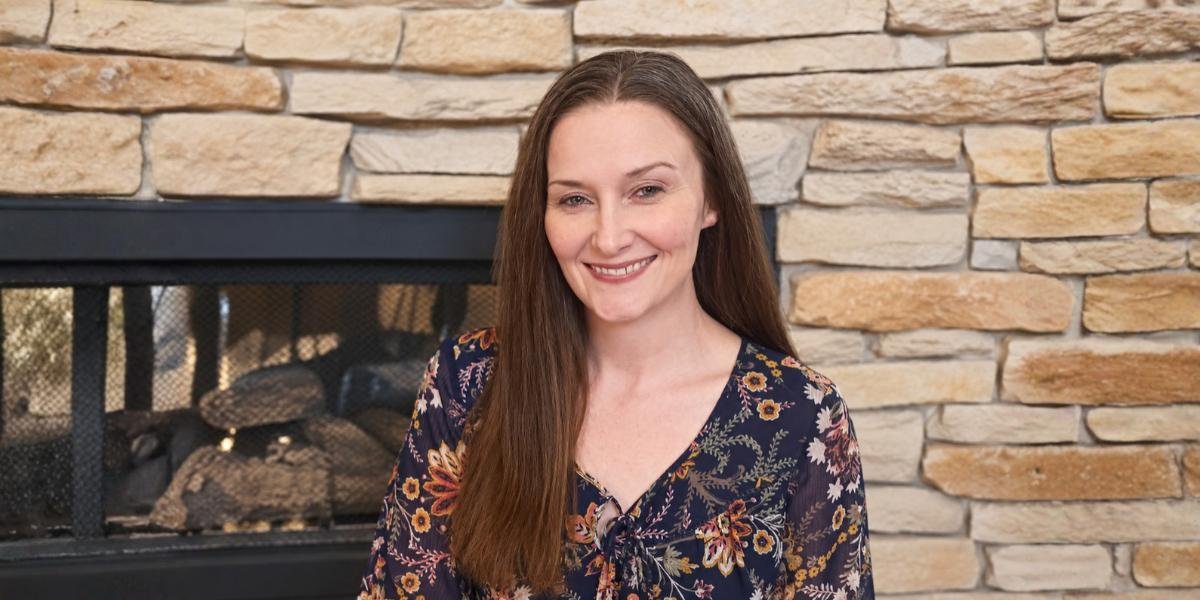

Irene Tunanidas spent a lifetime fighting for other people. The one person she consistently struggled to advocate for was herself.
There is a particular kind of person who moves through the world oriented entirely outward. They notice what other people need before they notice what they need themselves. They are good in a crisis, reliable in the long stretch, and genuinely skilled at showing up. What they are less practiced at is turning that same attention inward. Recognizing their own limits. Asking for help before the need becomes urgent. Irene Tunanidas is that kind of person. Her life is a detailed study in the weight that can come with that pattern.
It Started Before She Had a Career to Point To
Irene was still a teenager in the summer of 1963 when she began volunteering with Easter Seals. She was assigned to work with disabled children, and she did it without any professional framework for what she was doing or why. One child, a boy named Michael, had muscular dystrophy and could not feed himself. Irene helped him pick up food with a spoon. She helped another child with leg exercises. She showed up, figured out what was needed, and did it.
She was not paid. She was not trained. She was a teenage girl with a natural instinct for the needs of the people around her, and she acted on it. That instinct would define the next sixty years of her life in ways she could not have anticipated, standing in that Easter Seals room in 1963.
A Career Built Around Other People’s Needs
The teaching career that followed the Easter Seals summer was a natural extension of the same orientation. For more than thirty years in Youngstown City Schools and another decade at Poland Local Schools, Irene showed up for deaf children who needed someone to take their education seriously. She fought school districts to use ASL in her programs when administrators were resistant. She spent hours with her parents trying to give them tools they did not always want. She advocated, consistently and sometimes against significant institutional resistance, for the children in her classroom.
Outside the classroom, she continued. She joined organizations that supported the deaf and hard-of-hearing community in her area. She co-founded a fundraising chapter for the Youngstown Hearing and Speech Center that ran for twenty years. And when the Ohio Association of the Deaf needed a president, she stepped into that role too, bringing the same commitment to organizational leadership that she had brought to every room she had ever stood in.
All of this was real work. All of it mattered. And almost none of it left significant room for the question of what Irene herself needed.
The Three Years She Gave Everything She Had
When her mother became a quadriplegic in October 2003, Irene became a full-time caregiver without discussion or deliberation. It was simply the next thing that needed to be done, and she was the one who was going to do it.
For three years, she managed her mother’s complete medical care at home. She operated a Hoyer lift, managed catheter care and ostomy bags, monitored electrolytes, drove a secondhand ambulance to get her mother to church on good days, and checked on her after midnight before going to bed most nights. She did this while working a part-time tutoring job, and she did it largely alone after her most reliable aide left for a better-paying position.
She has said that she did not let depression get in the way during those years. She focused on the practical demands of keeping her mother well, and she leaned on her faith to carry what the practical work could not. That was her account of the period, and it also reflects how demanding those years became.
The person advocating for Zenovia Tunanidas’s wellbeing during those three years was Irene. The person advocating for Irene’s well-being was, largely, nobody.
What Happened After the Caregiving Ended
Zenovia died on January 2, 2007. When she was gone, Irene was left in a house that had been organized entirely around someone else’s needs for three years. The structure disappeared. The role disappeared. The calls slowed down. Her sister was in Florida. Her brother was not nearby. A neighbor offered help, but Irene was too far inside the grief to know what to do with it.
She has been direct about what followed. She experienced mental health struggles after the loss. She cried almost every day. She did not leave the house. She walked from room to room after the funeral, checking to see if her mother had come back.
This is the part of Irene’s story that the advocacy framework does not have a simple answer for. She had spent decades building the skills and institutional knowledge to fight for other people in systems that were not designed to accommodate them. She did not have the same fluency when it came to identifying and articulating her own need for support. The gap between those two things is not a personal failing. It reflects how difficult it can be for outward-focused caregivers and advocates to recognize their own needs with the same clarity.
Writing as the First Act of Self-Advocacy
In 2011, four years after her mother died, Irene started writing.
She did not frame it that way at the time. She was writing to cope, to process, to give her mental health weight somewhere to go. But looking at it from a distance, the decision to sit down and document her own experience was the first significant act of self-advocacy she had made since the caregiving began. It said, in effect, that her story mattered enough to put on paper. That was what she had lived through was worth examining. That she was a person whose interior experience deserved the same attention she had given to everyone else’s for decades.
The manuscript got set aside when her Ohio Association of the Deaf presidency demanded her focus. She finished it in 2024, after the term ended, working through arthritic joints and writing sessions interrupted by flashbacks she had not fully anticipated. The book took fourteen years from the first page to the last. That timeline is its own kind of statement about how long it can take a person who has spent a lifetime looking outward to finally turn the lens around.
What the Book Does That the Advocacy Never Could
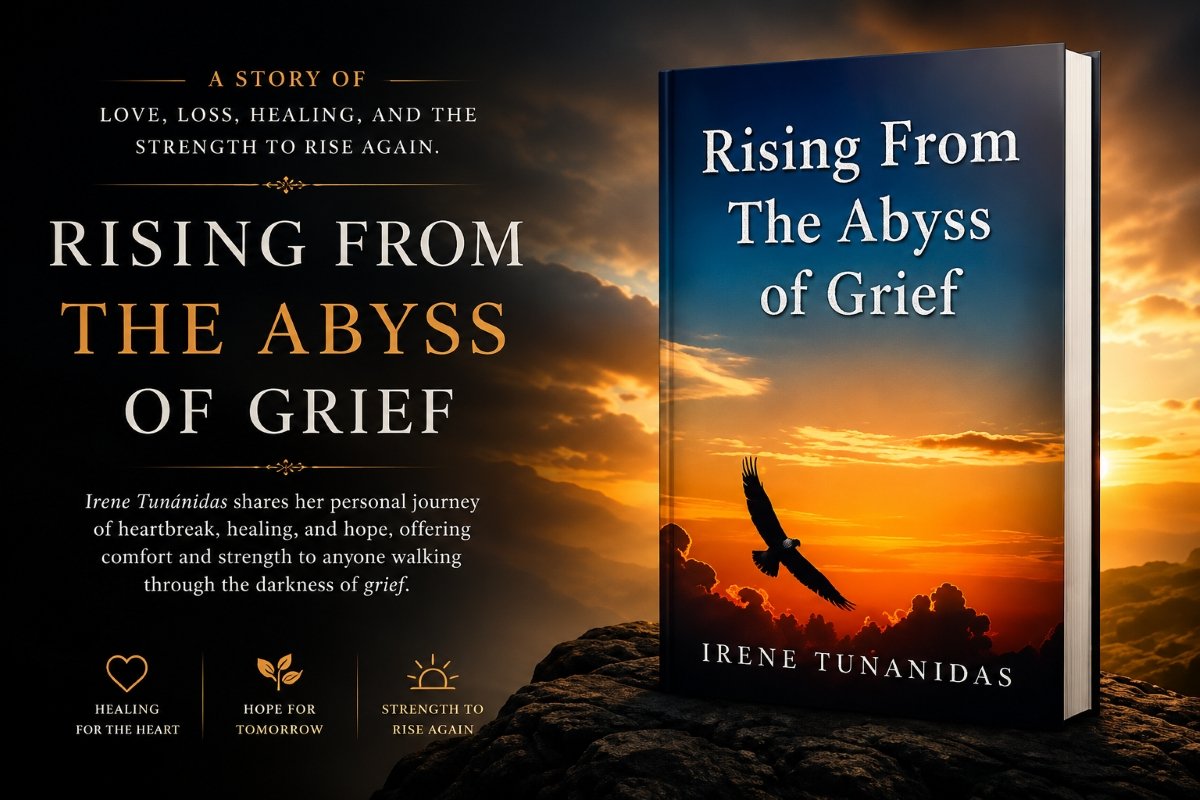
Rising From the Abyss of Grief is not a policy document or an organizational report. It is a personal account of what grief looks like from the inside, written by someone who spent years not having the language for her own experience and then, slowly, found it.
The 30-day devotional structure at its center is practical in the way that Irene’s advocacy was always practical. It does not ask the reader to feel differently. It offers something specific each day, something small and manageable, intended to help readers keep moving when movement feels difficult. It is the kind of guide she would have wanted someone to hand her in January 2007. Nobody did. So she wrote it herself.
That is, in the end, what self-advocacy can look like for someone like Irene Tunanidas. Not asking for help in the moment, because that was never going to come naturally. Building the resource after the fact, so that the next person in that situation has something to reach for. It is still oriented outward. But it started, finally, with her.
Taking the Story Public
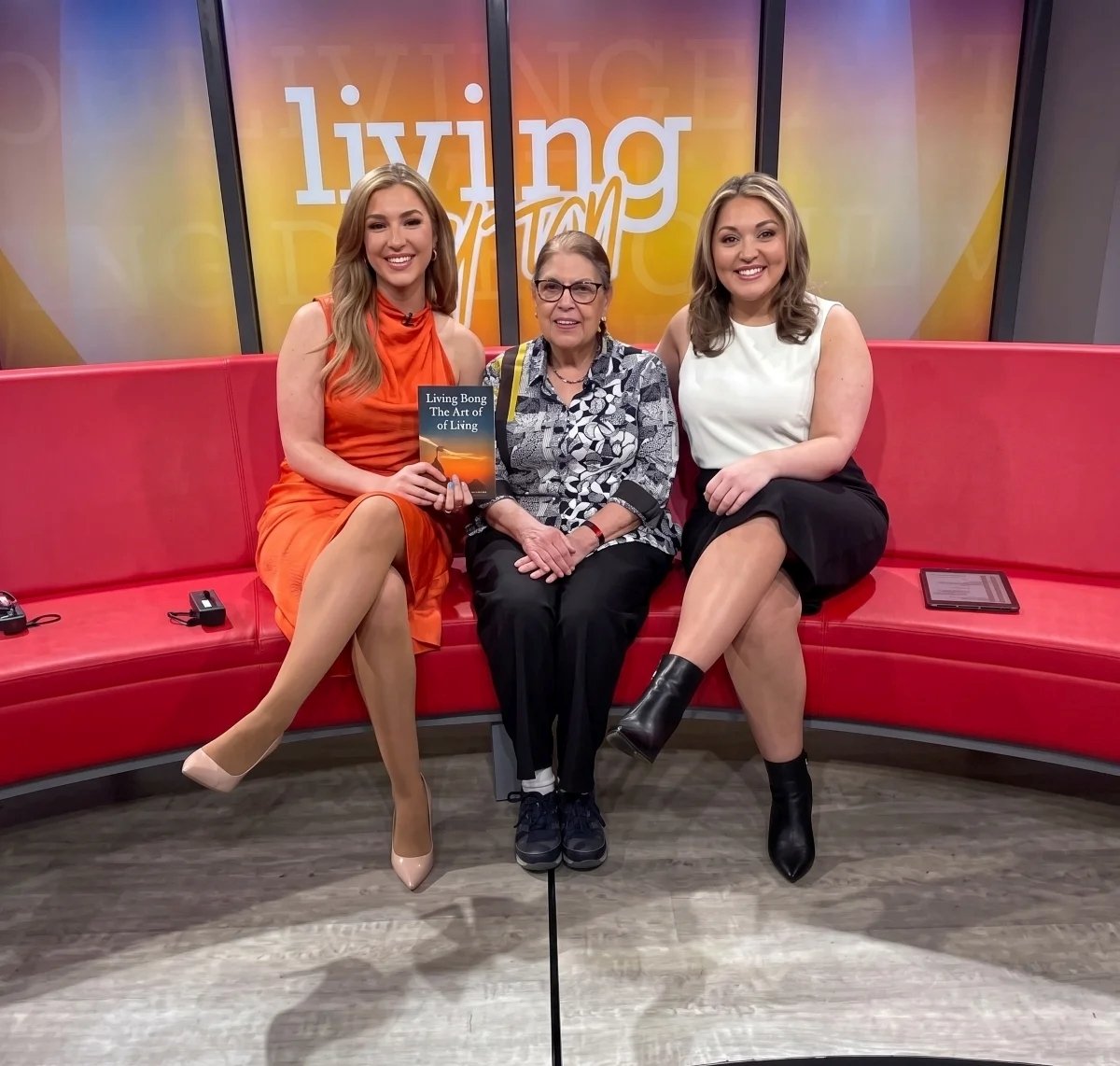
This year, Irene appeared on WDTN-TV’s Living Dayton segment, sharing her story with a regional television audience through a sign language interpreter. She spoke openly about her mental health struggles after her mother’s death, about the years it took to find her way back, and about the book that came out of that process.
For someone whose instinct has always been to show up for other people rather than claim space for herself, the appearance represented a meaningful shift. She was not there only to represent a cause or advocate for a community. She was there to talk about her own life and what she had learned from it. The personal nature of the story gave the segment its emotional weight.
That is the thing about finally advocating for yourself. It does not diminish what you did for everyone else. It completes it.
Rising From the Abyss of Grief is available now. It is written by someone who spent a lifetime showing up for others and finally sat down to show up for herself.