
By: Jay Kt
In insurance and financial technology, growth is only meaningful when it benefits the people it is designed to serve. Companies can scale quickly, enter new markets, raise capital, and build new tools, but none of it matters if people do not understand what they are buying.
Families need trustworthy information, affordable protection, and companies that stand behind their commitments when it counts.
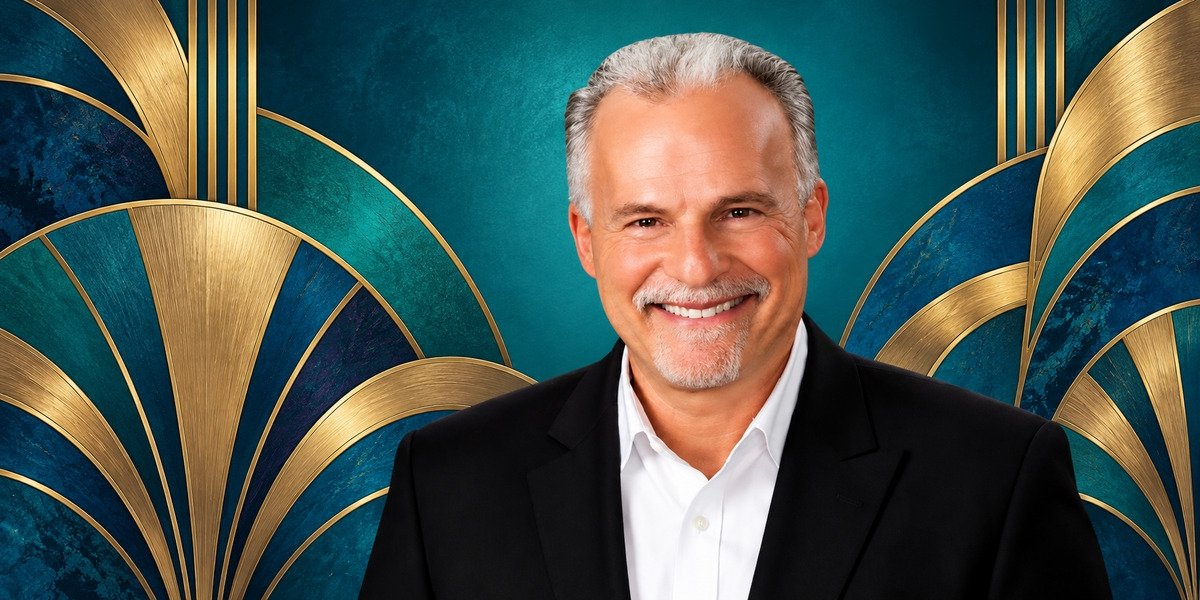
Gavin Southwell has built his career at the intersection of business growth, technology, compliance, and consumer access. He served as President and CEO of the No. 1 fastest-growing public company from 2017 to 2019, ranking ahead of companies such as Amazon and Facebook on Fortune Magazine’s list.
With more than 17 years of experience in technology and financial services, Southwell has contributed to some of the industry’s largest InsurTech exits.
His work spans retail, financial services, and transportation. It includes major deals such as a take-private transaction completed above its share price at the time, large debt financings, and a SPAC process.
Today, he advises and invests in growing technology companies, focusing on solutions that address real needs and create lasting value for the people they serve.
A Career Shaped in London
Before his U.S. public-company work, Southwell spent nearly 20 years in investment banking and insurance technology in London. He grew up in a poor part of Northern England before moving to London, marking the start of his career in international insurance and financial markets.
Early in his career, he was part of a team that built one of the first self-service digital insurance systems, allowing customers to get a quote, buy a policy, and print documents online.
The business was later sold to a major global insurance company, which used the technology across its personal insurance products in multiple countries.
One of his biggest influences during this time was Andrew Beazley, a major figure in the London insurance market. Beazley built a major Lloyd’s syndicate and gave Southwell his first major role at a young age.
“Andrew Beazley taught me to build on your strengths and not to focus so much on trying to solve weaknesses,” Southwell said. “He was happy to spend time giving advice to someone early in their career.”
Taking the Business Worldwide
Gavin Southwell later joined a privately owned insurance broker in London, where his work shifted from insurance technology into global brokerage operations. Within a few years, while serving as COO, the company became one of the world’s largest privately owned insurance brokers.
The broker also handled major global insurance work, including coverage tied to Venezuela’s oil companies. The firm handled one of the largest insurance contracts in the market and became a major broker across much of Latin America.
“The business grew quickly, and I lived on flights around the world for a few years,” Southwell said. “It was really hard work, but we built a great global business.”
Eventually, the company was sold to private equity.
Finding Purpose in Adversity
After the devastating loss of his son, Southwell transitioned into U.S. health and life insurance technology. While processing his grief, he also devoted time to raising money for charities supporting families who had experienced similar loss.
“A defining moment was when I realized that there are more important things than money, that bad things happen, and it’s how you react to that darkness which will define you,” he said. “I’ve learned how precious time is. You should make the most of each day and stay in the present. You can always work more, but quality is better than quantity.”
It was during that period that his perspective on work and its purpose began to change. After nearly two decades in investment banking and insurance technology in London, his move into health and life insurance technology in the U.S. represented a shift in direction.
His work increasingly focused on families facing a difficult and costly healthcare system, often during times of great need.
“As that business grew, we helped millions of Americans protect themselves and their families, most for the first time due to the high cost of healthcare in the USA,” Southwell explained. “I now focus on technology where there are market inefficiencies or consumer challenges that can be solved by technology and AI.”
One of Southwell’s proudest professional moments was ringing the Nasdaq bell twice as CEO. While the company outpaced major global technology firms such as Apple, Amazon, and Facebook in growth, its impact was what made the achievement meaningful.
“It was a business that was doing a good thing and helping the most vulnerable in our society,” he said. “I’m proud of that.”
Creating a Workplace Culture That Changes Lives
For Southwell, the business was not only helping customers find coverage. It was also positively impacting the lives of its employees and the wider community. The company created thousands of new jobs and trained many blue-collar workers to become licensed insurance agents.
About 70% of its staff were female, and around 75% were minorities, making it an unusually diverse technology business. It also supported several charities and made community involvement part of employee development.
Each year, top performers qualified for a trip to the Bahamas. Southwell recalls one agent who said she was able to move out of her mother’s house with her two children for the first time and afford gifts for their birthdays. She also started taking swimming lessons so she could swim with dolphins on the trip.
“The trip to the Bahamas was a dream come true as she had family on the island she had never met,” Southwell said. “All of this because she spent her days helping people a lot like her access healthcare for the first time.”
Southwell also kept a folder on his desk filled with emails and letters from people the company had helped connect with healthcare coverage. The volume of those messages still amazes him to this day.
A Career Defined by Impact
After his son passed away, Gavin Southwell looked at the statistics for parents who experience similar tragedy and found the outcomes to be deeply challenging, with many families never fully recovering. The data also pointed to increased risks for men, particularly around substance abuse and mental health difficulties.
Moving forward was a personal process, but it was also made possible by his support system and his desire to help others less fortunate. Over the years, he and his family have helped raise money for several charities and given significant amounts to organizations they support.
He has also organized and taken part in cycling events for several years, including a ride across the UK. To this day, he remains involved with a Tampa-based charity and is one of its largest supporters.
Southwell has never defined success through fame or public attention. What matters more is whether his family and friends know he is doing well and living a good life.
“There is always more to do, things we would have changed or done differently,” he said. “It’s a folly. Make it count right now, do your best, and that to me is success.”
Today, Southwell continues to work as an advisor and investor supporting technology-focused growth companies, helping to improve access, address inefficiencies and solve real-world problems at scale.
The most visible achievements in his career may be rankings, transactions and Nasdaq milestones, but the moments that stayed with him were more personal. They were found in families gaining access to healthcare, employees growing in their careers and people building more stable lives through work that also helped others.
For Southwell, growth and technology are most useful when they lead to better outcomes in the lives of real people. In that sense, his career is measured not only by what it achieved, but by what it made possible.