
By: Lennard James
Some books are written to tell a story. Others are written to challenge the reader to look at their own. DeAnna Armstrong Brathwaite’s All for His Glory: Living Redeemed, Walking by Faith, and Reflecting God’s Glory takes the second approach. Rather than focusing only on what she has endured and overcome, Brathwaite turns the conversation toward a more personal question: What does your life say about your faith?
For Brathwaite, Christianity is not simply about believing in God during difficult moments. It is also about what happens when the prayer has been answered, the crisis has passed and another day has been given. What will you do with that day? How will you treat people? How will you use your gifts? What will your children and grandchildren learn from watching your life? Those questions give All for His Glory a perspective that moves beyond inspiration and into personal responsibility.
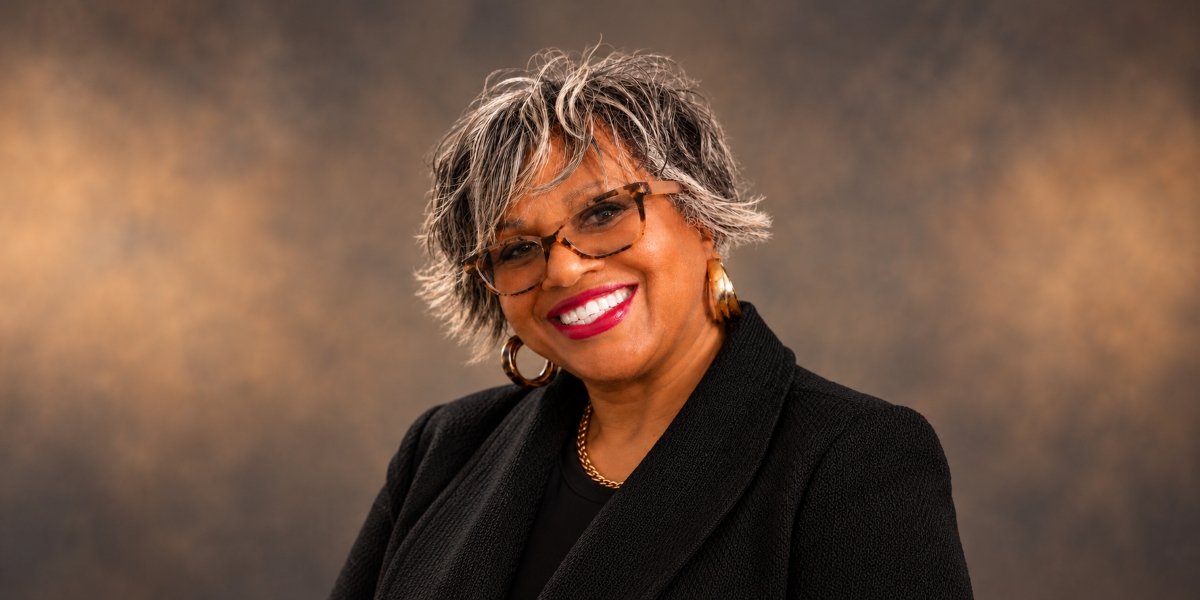
Brathwaite is a Christian author, evangelist and inspirational speaker whose work centers on faith, healing, identity and purpose. Her own experiences with brokenness and restoration have influenced her writing, but All for His Glory is not presented simply as a testimony about surviving pain. It is about learning how to live differently because of what God has brought you through. “God brought me out of the shadows, restored what pain tried to take, and reminded me who I am in Him but He was not finished with my story,” Brathwaite says.
That final thought changes the direction of the conversation. What if God is not finished with your story either?
The title itself provides three stages of spiritual growth: living redeemed, walking by faith and reflecting God’s glory. Each carries a different responsibility. Living redeemed means accepting that the past no longer deserves control over the future. Walking by faith requires moving forward even when there are unanswered questions. Reflecting God’s glory means allowing what you believe privately to become visible through the life you live publicly.
That last stage may be the most challenging. It is relatively easy to talk about faith when everything is going well. It is different to demonstrate faith through forgiveness, patience, service, compassion and perseverance. Brathwaite encourages readers to consider whether their relationship with God is changing the way they actually live.
Throughout the book, the message is the presence of God’s grace. Grace is not presented merely as something that comforts people during difficult seasons. It is also what makes another beginning possible. A person can make mistakes without becoming permanently defined by them. Someone can experience rejection without spending the remainder of life feeling rejected. A painful relationship can end without destroying the ability to love. A dream can be delayed without necessarily being dead.
For women especially, Brathwaite wants that message to become personal. Women can spend years fulfilling roles for everyone around them, mother, wife, daughter, caregiver, professional, friend, while gradually losing sight of the woman underneath all those responsibilities. All for His Glory creates space for the reader to ask who she is in God when the titles, expectations and opinions of others are removed.
That makes the book relevant not only to someone experiencing a crisis but also to the woman who appears to have everything together. She may be successful professionally and still question her purpose. She may care deeply for her family while privately feeling spiritually empty. She may have survived the hardest chapter of her life but still be afraid to turn the page.

Brathwaite’s message is that there is more.
“My prayer is that readers will be stirred to know and trust Him, live for His glory, and share His good news with others,” she explains. That statement reveals that All for His Glory is ultimately about movement. The reader is encouraged to move from knowing about God toward trusting Him, from receiving grace toward extending it, and from possessing gifts toward actually using them.
The book also raises an important question about legacy. One day, people will remember more than what we owned, what titles we held or how successful we appeared. They will remember how we made them feel, what we taught them and what we demonstrated through our choices.
For Brathwaite, faith can become part of that inheritance.
A daughter who watches her mother rebuild after disappointment learns something about resilience. A granddaughter who hears how her grandmother trusted God during uncertainty receives something money cannot purchase. A family that witnesses forgiveness, generosity and perseverance receives a spiritual legacy that can continue long after one person’s lifetime.
That perspective makes All for His Glory particularly thought-provoking. The book encourages readers to stop asking only, “What do I want from God?” and begin asking, “What does God want to do through me?” That is a very different question.
Brathwaite summarizes her message with words that speak to people at virtually any stage of the journey: “You are not alone. There is hope. There is healing. There is purpose.”
Perhaps you have already survived your hardest season. Perhaps nothing is visibly wrong with your life, yet you know something is missing. Perhaps you have been blessed with another opportunity but have not decided what you will do with it.
All for His Glory invites you to explore those questions.
The book is not simply asking readers to look backward at what God has already done. It encourages them to look forward to and consider what their lives could become.
Because eventually the question changes from “How did I survive?”
It becomes something far more powerful:
“Now that God has given me another chapter, what will I do with it?”