By: Jax Smith
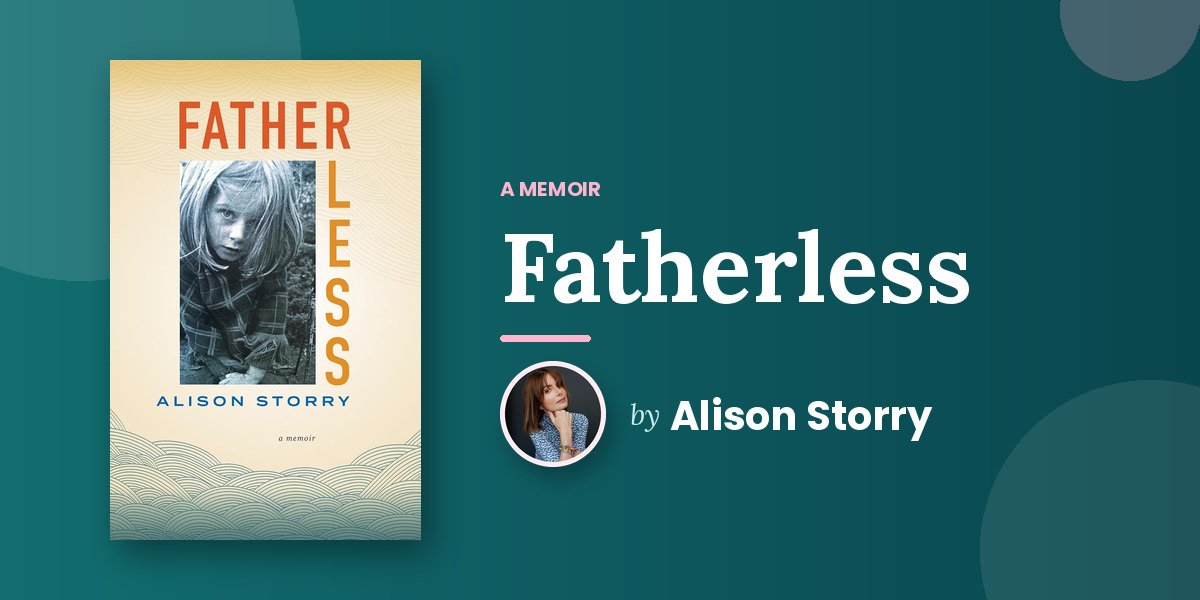
There is a specific quality of courage in memoir writing that has nothing to do with the willingness to share difficult information and everything to do with the willingness to examine that information without the organizational logic that makes it manageable. Most memoir writers impose a narrative shape on their material that protects both the writer and the reader from the full disorganization of grief, the way it actually moves through a life without the courtesy of following a comprehensible arc toward a comprehensible resolution. Alison Storry has written Fatherless without that protection, and the result is a memoir that feels genuinely lived rather than retrospectively ordered, genuinely examined rather than retrospectively explained.
She was seven years old when her father was murdered in Northern Ireland, a casualty of the IRA and of the Troubles that generated casualties across generations in ways that political history captures poorly and personal history captures not at all until someone like Storry sits down without armor and begins to trace the actual shape of the damage. She spent the year after his death being sent to boarding school in the British countryside, a displacement that followed the first and established the pattern that would organize the next five decades, movement and reinvention and the continuous creation of a self capable of functioning in the present without being overtaken by the past.
That self, what Storry calls the useful self, she learned to construct around the grief she could not afford to feel, served her well enough across a career as an international model and a life that took her from England to Hong Kong to Japan to the United States. It served her well enough through a marriage and into the divorce trial that finally made the distance between the constructed self and the actual self impossible to maintain. What the memoir traces is the cost of that construction and the specific nature of the liberation that comes from finally setting it down.
Storry writes about her father, about the boarding school years, about the Asia chapters of her life, about her marriage and its ending, with the honesty of someone who has decided that accuracy matters more than comfort and that the reader she is trusting with this material deserves the truth rather than the managed version. The memoir does not flinch from the ways that childhood survival strategies become adult self-sabotage. It does not pretend that the answer she eventually finds resolves everything that the loss created. It offers instead the specific and durable satisfaction of a life examined honestly, which is the only satisfaction that genuinely difficult memoirs have to offer and the only one worth having.
If you want a memoir that traces the full and honest cost of losing a parent to political violence in childhood and the fifty-year journey to examine that loss without the armor that made the journey survivable in the first place, Fatherless by Alison Storry is the book that does it without flinching. Head over to Amazon and get your copy today, and let one woman’s courageous accounting of her own life give you something you can carry forward in yours.