Money is one of the weirdest parts of becoming an adult, because the world talks about it nonstop… and then rarely explains it clearly.
You’ll hear “budgeting” like it’s a personality type. You’ll hear “credit score” like it’s a secret ranking system that decides whether you’re worthy of nice things. You’ll hear “investing” and assume it’s only for people in suits who say words like “portfolio” without laughing.
Meanwhile, you’re just trying to figure out why your bank account keeps doing that magic trick where the number gets smaller.
Here’s the uncomfortable truth: the biggest money mistakes don’t happen because people are dumb. They happen because people weren’t taught the basics early enough. And once money mistakes happen, they tend to stick around. Like glitter. Everywhere. For years.
Credit cards are a good example.
That first “pre-approved” offer can feel like adulthood in an envelope. A shiny piece of plastic. A limit that looks like free money. A promise that you can buy now and worry later.
And yes, credit cards can be amazing if you understand how they work. They can build credit, protect purchases, and help you handle emergencies. But they can also turn into high-interest handcuffs if you treat them like extra income.
Same with “buy now, pay later.” Same with overdraft fees. Same with subscriptions you forgot about. Money leaks are real, and they add up fast.
Then there’s paycheck shock.
You finally get your first real job. You do the math in your head. You’re already mentally spending your earnings. And then payday arrives… and the deposit is smaller than expected.
“Who is FICA, and why are they taking my money?”
Welcome to taxes, withholding, and the reality that gross pay is not the same as take-home pay. Nobody taught you that in school, but it matters the moment you’re trying to plan rent, gas, food, and your social life.
And don’t even get started on insurance. Car insurance. Health insurance. Renter’s insurance. Deductibles. Premiums. Copays. It’s like a whole language designed to confuse you until you pick the cheapest option, right before you desperately need coverage.
This is why Money & Finances isn’t just a “nice to know” topic. It’s a survival skill.
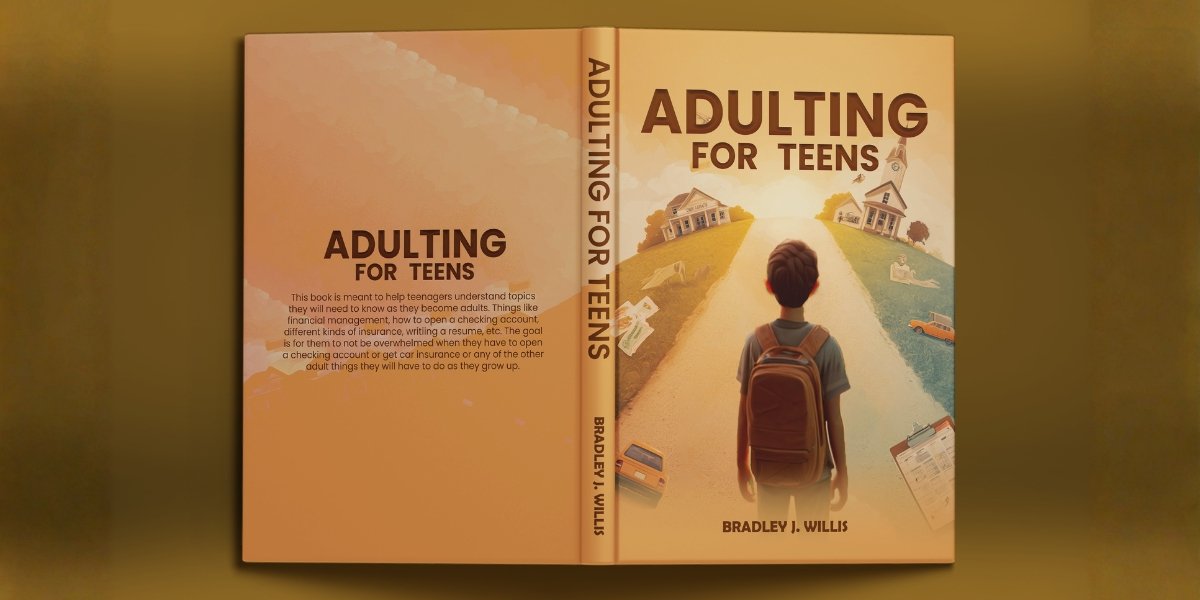
That’s the gap Adulting for Teens by Bradley J. Willis sets out to address. The book doesn’t treat money like a scary adult secret. It breaks the subject down into plain terms that teens can follow.
Inside, you’ll find guidance on managing a checking account without constantly playing “guess the balance.” It explains what a budget really is (hint: it’s not a punishment) and how to plan for your future without giving up your present.
Budgeting, when done right, is basically telling your money where to go so you don’t spend your whole month wondering where it went. It helps you cover the boring stuff (rent, food, transportation) while still leaving room for the fun stuff. Because a budget that doesn’t include real life isn’t a budget; it’s a fantasy novel.
The book also covers investing basics in a way that doesn’t require you to already be rich. Investing is less about having tons of money and more about starting early and being consistent. Even small amounts, started young, can matter a lot over time. You don’t need to be a Wall Street genius. You just need the fundamentals and a plan you can stick with.
And yes, the book talks about credit cards the way someone should have talked to you before you got one. Not “credit cards are evil,” and not “credit cards are free money,” but the honest middle: credit is a tool. Use it well, and it helps you. Use it poorly, and it costs you.
Willis brings a real-world perspective to all of this. He’s a father of three adult children and has spent years mentoring young people, so he’s seen what happens when teens launch into adulthood with no money roadmap.
Plenty of people learn money the hard way, through fees, debt, and regret. Learning the basics earlier is a better route, and that idea sits at the center of Adulting for Teens, which covers budgeting, credit, and investing basics in plain language for young readers.
Disclaimer: This article is intended for informational and educational purposes only and does not constitute financial advice, investment advice, or a recommendation to take any specific financial action. Personal financial situations vary, and decisions involving budgeting, credit, taxes, insurance, saving, or investing should be based on an individual’s circumstances and, when appropriate, discussed with a qualified financial professional. Any examples or strategies mentioned are provided for general understanding and should not be considered a guarantee of financial outcomes.