
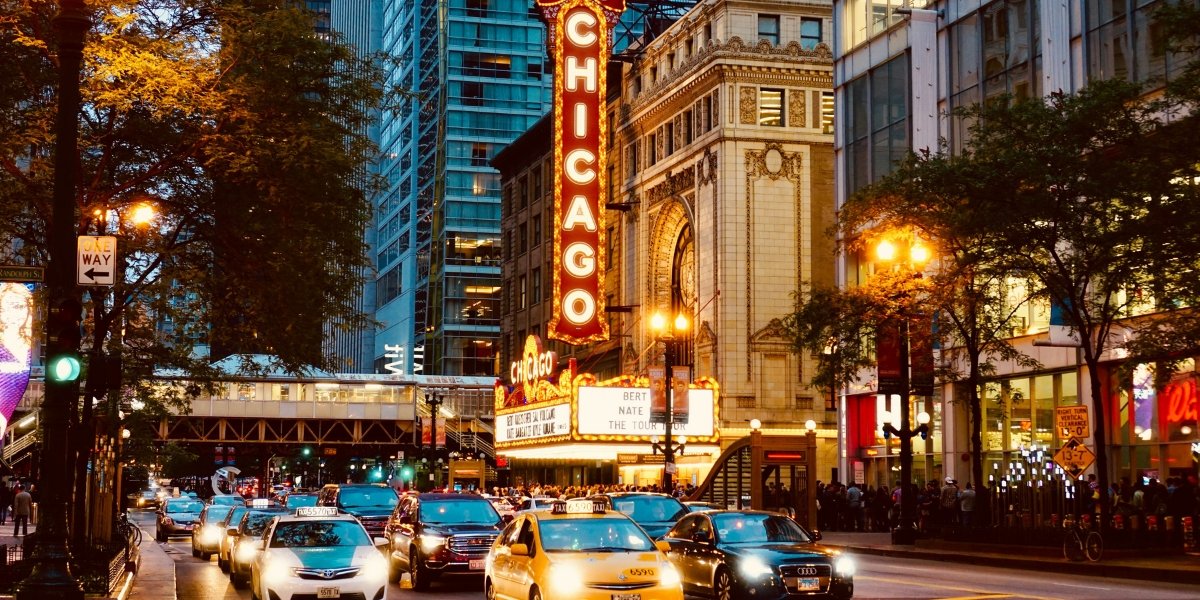
Simple habits involving attention, visibility, and preparation can make an ordinary day of city travel easier to manage.
A Chicago resident may walk to a coffee shop, cycle to an appointment, drive across town, and request a rideshare home all within the same day. Each part of that routine places pedestrians, cyclists, motorists, and passengers in a number of shared spaces.
Busy travel does not have to feel intimidating. Setting directions before leaving, watching driveways, and allowing extra time in poor weather can become part of a normal routine.
Preparation can also mean knowing where to find appropriate resources if an unexpected incident raises individual questions. Information from Postman Law personal injury attorneys may provide one starting point, while the central focus remains everyday awareness.
Stay Aware When Walking on Busy Chicago Streets
Pedestrians often divide their attention among signals, vehicles, bicycles, other people, and phones. The National Highway Traffic Safety Administratio (NHTSA) reported that more than 71,000 pedestrians were injured nationwide in 2024. Its guidance advises walkers to remain alert at crossings and watch for vehicles entering driveways or backing through parking areas [NHTSA, 2024].
Consider someone leaving a crowded shopping area with directions open on a phone. Pausing on the sidewalk to check the route, then putting the device away before crossing a parking entrance, leaves more attention available for vehicles moving in several directions.
Make City Driving More Predictable
Signaling before a turn or lane change, leaving appropriate space, and avoiding sudden maneuvers give surrounding road users time to understand what a driver intends to do.
A driver can set navigation, adjust mirrors, and choose audio directions before moving. At intersections and parking entrances, attention should extend beyond other cars to people walking or cycling near the vehicle’s path.
Practice Better Awareness When Cycling in Chicago
Before a trip, a cyclist can check tires, brakes, lights, and other basic equipment. Route planning may help the rider anticipate unfamiliar intersections, construction, or heavier traffic.
Once moving, cyclists can remain visible, make their intentions clear, minimize screen use, and watch for turning vehicles. Rain, fading daylight, and parked vehicles can also affect visibility.
Use Rideshare Services With Everyday Safety in Mind
Passengers can confirm the vehicle, license plate, and driver information shown in the app before getting in. Waiting in an appropriate location, keeping a phone charged, and sharing trip details when desired are straightforward preparations.
Before leaving, a passenger can check for keys, a wallet, bags, or other belongings. When possible, the drop-off point should allow the person to exit away from active traffic.
Reduce Smartphone Distractions During City Travel
A phone provides directions and transit information, but repeated screen checks compete for attention. Travelers can configure navigation before walking, cycling, or driving and use audio directions where appropriate.
Nonessential messages can wait until arrival. The device can remain accessible without becoming the center of attention around traffic.
Adjust Daily Travel to Changing Chicago Conditions
A visualization of city and state population offers context for Chicago’s scale, while daily travel still happens one crossing, entrance, station, and block at a time.
Weather, construction, congestion, and unfamiliar routes can change an ordinary trip. Checking current conditions, allowing extra time, wearing suitable clothing, and identifying a backup route may make interruptions easier to manage.
Build Safer Habits Into Everyday Chicago Routines
Urban awareness does not require treating Chicago as frightening. Looking up from a screen, remaining visible, planning ahead, and making predictable movements are modest actions that can become part of a resident’s usual routine.
Frequently Asked Questions About Everyday Safety in Chicago
How can pedestrians stay more aware on busy streets?
They can minimize distractions, observe signals and surrounding traffic, watch driveways and parking entrances, and consider visibility in low-light conditions.
What can drivers do to make city travel more predictable?
Drivers can signal early, avoid abrupt maneuvers, leave appropriate space, and prepare navigation before beginning the trip.
What should cyclists consider before riding?
Basic bicycle condition, route planning, visibility, intersections, weather, and surrounding road users all deserve attention.
How can travelers minimize smartphone distractions?
They can configure directions in advance, use audio guidance where appropriate, and delay nonessential messages until they reach a safe stopping point.
How can commuters prepare for changing conditions?
Checking weather and travel information, charging a phone, allowing extra time, and considering an alternate route may help.