

Imagine a river with a road on each side. On your side is today, with its bills, deadlines, and opportunities. On the far side is a future event that will bring in money: a closing, a sale, a large payment, or a permanent loan. A bridge loan is the temporary structure that gets your business across.
So what is it, formally? A business bridge loan is short-term financing intended to cover a gap until a specific later source of funds arrives. And can you get one in 24 hours? Sometimes, particularly when the bridge relies on your cash flow rather than real estate. To see how it all fits together, let’s look at the three zones of any bridge: the near bank, the span, and the far bank.
The Near Bank: What You Need Before Crossing
Why the gap exists
Bridges typically arise in a few familiar situations:
- A bank or SBA loan has been approved, but closing is weeks away
- A company is buying a new location before selling its existing one
- A signed contract requires up-front spending before payment comes in
- An insurance settlement or tax refund is pending
- A time-limited purchase can’t wait for slower financing
The common element is that the need is temporary and the repayment source is identifiable.
What a lender wants to see
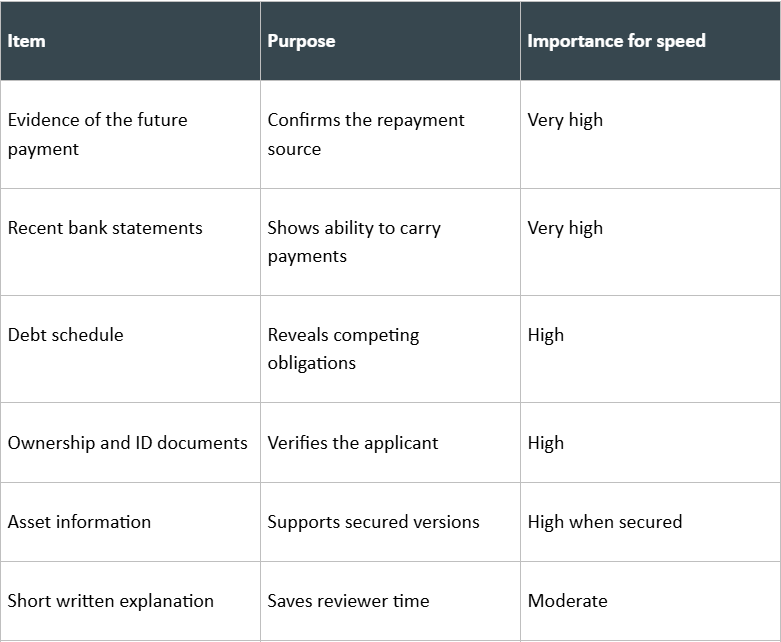
A short written explanation may be your simplest advantage. State the amount, the reason, the date money is expected, and the source. Reviewers appreciate a file they can understand in one read. Product summaries such as Fundivi short-term bridge funding can show the kind of details you should be ready to discuss.
Sizing it correctly
Add up only what falls due before the expected repayment date, along with financing costs and a small margin for delay. A common error is to borrow based on the size of the expected payment rather than the size of the gap. If $200,000 is coming, but only $45,000 of bills will arrive first, you need a $45,000 bridge, plus costs.
The Span: How the Bridge Works
Two main structures
Asset-backed bridge. Secured by real estate or other valuable collateral. Loan size is usually tied to the collateral’s value, and appraisal, title, and legal review tend to take days or weeks.
Cash-flow bridge. Based on revenue and bank activity, and often supported by a general lien and a personal guarantee. This is the kind that can realistically close in about a day. Amounts are smaller and costs are higher.
How the cost is built
Bridges tend to combine several charges:
- An origination fee, often paid at closing
- Interest or a fixed financing fee
- Exit fees in some agreements
- Extension fees if you need more time
- Legal or appraisal fees on secured loans
Here’s an example of a $100,000 cash-flow bridge expected to last 90 days:
Origination at 2.5%: $2,500. Fixed financing charge: $9,000. Cash received: $97,500. Total cost if repaid on time: $11,500.
$11,500 on $97,500 for three months is an annualized cost far beyond any simple percentage on the page, so measure it against what the bridge achieves. If the money secures a contract worth $70,000 in profit, the price may be reasonable. If it merely puts off an inevitable shortfall, it’s costly.
Payments while you’re on the span
Payments on a bridge vary considerably. Some require only interest until the end. Others collect weekly or daily. A few collect nothing until maturity, then require everything in one sum. Be especially careful with frequent debits, since they take cash at the very moment you’re short of it. Reading about unsecured funding for established earners can give you another reference point if a conventional bridge’s payment schedule won’t work for you.
Is 24 hours realistic?
It can be under the right conditions:
- The bridge is based on cash flow rather than appraised property
- Your statements and identity documents are complete
- Evidence of your repayment source is ready
- No competing lien stands in the way
- Your application lands early on a business day
If you have real estate collateral, assume a longer timeline unless you already have a relationship with a lender that can move quickly.
The Far Bank: Getting Off the Bridge
Why the exit is everything
An exit is the event that pays off the bridge. Lenders rate an exit by asking how certain it is, how much it will bring, and when it will happen.
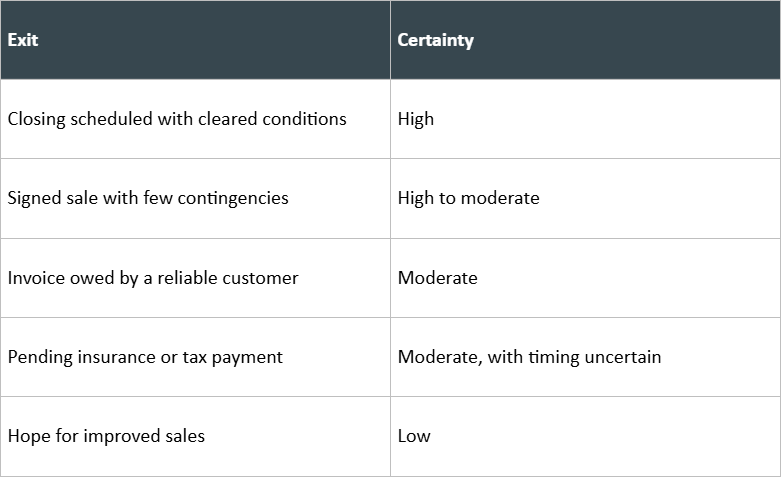
Planning for a late arrival
Most exits run late at least some of the time. Before you sign, answer these questions:
- If the event comes 45 days late, what will extra time cost?
- Is an extension guaranteed, optional, or entirely up to the lender?
- What default rate would apply after maturity?
- Could you repay through another source if the exit disappears?
Avoiding damage to your exit
Taking on a bridge can interfere with the very financing you’re waiting on. If an SBA lender or bank is about to close your permanent loan, they’ll typically want to know about any new debt or lien. Tell them first. An unexpected UCC filing discovered at closing can delay or even derail the deal, as some borrowers have learned the hard way.
Coverage of newer financing options, such as this American Press item on card-backed funding, can be useful when your expected exit is simply your next few months of card sales rather than a single event.
When Not to Build a Bridge
A bridge doesn’t make sense if the far bank isn’t really there. Be wary if:
- The repayment source is speculative or depends on a verbal promise
- The business is losing money each month and has no specific turnaround event
- The loan’s cost would consume most of the gain it makes possible
- You’d need to use a second bridge to repay the first
In those cases, consider negotiating a payment plan with creditors, asking suppliers for more time, or speaking with a financial advisor about restructuring before adding short-term debt. Educational sites like the MerchantGuidance.com bridge financing primer can also clarify how different short-term options compare.
A Simple Bridge Readiness Summary
Before you apply, you should be able to complete each of these sentences:
- “We need exactly $____ because ____.”
- “We’ll repay it on or about ____ from ____.”
- “If that date slips, we will ____.”
- “The evidence for this repayment is ____.”
If all four are easy to complete, you’re well prepared. If one or more stumps you, that’s the part of the plan to work on before you go any further.
Frequently Asked Questions
How is a bridge loan different from a short-term loan?
A bridge is linked to a specific future source of repayment. A general short-term loan is usually repaid out of normal business revenue.
How long do bridge loans last?
Commonly from a few weeks to about 12 months, while certain real estate bridges extend beyond that.
Can startups use bridge loans?
It’s difficult without revenue or strong collateral. A signed contract, pending investment, or real estate can sometimes help.
What if I repay early?
Interest-based bridges can save you money. Fixed-fee structures and minimum-interest clauses may not. Confirm before signing.
Will a bridge loan affect my SBA application?
It can. New debts and liens may alter underwriting or closing conditions, so discuss it with your SBA lender first.
Are bridge lenders regulated?
Rules differ by state and loan type. Check licensing where it applies, and always verify a company independently before sharing documents.
Can I get a bridge loan to cover payroll?
Yes, if a defined source of repayment exists. Payroll is a common use, but a bridge shouldn’t cover payroll indefinitely, since that signals an ongoing shortfall rather than a timing gap.
Should I use a broker?
A good broker can save time. Ask how the broker is paid and whether fees are deducted from your proceeds.
Do bridge lenders report to credit bureaus?
Practices differ. Ask before signing if building your business credit matters to you.