For many families, the search for effective teen mental health treatment begins after months or even years of frustration. Anxiety, depression, behavioral struggles, academic decline, family conflict, and social isolation can gradually overwhelm a teenager’s ability to function. Parents often find themselves searching for a program that offers more than crisis stabilization. They want lasting change.
That is where Turning Winds has built its reputation.
Located on a 150-acre campus in the mountains of Montana, Turning Winds is a family-owned therapeutic boarding school and residential treatment center that combines evidence-based clinical care, accredited academics, and experiential outdoor programming to help teenagers develop resilience, confidence, and long-term emotional stability. Founded in 2002, the program serves adolescents ages 13 to 18 who are facing emotional, behavioral, and mental health challenges.
What separates Turning Winds from many traditional residential treatment programs is its belief that healing does not happen exclusively inside a therapy office. It happens through relationships, meaningful experiences, personal accountability, and opportunities to rediscover purpose.
That philosophy becomes especially visible through the program’s extensive spring and summer activities, which are intentionally integrated into the therapeutic process rather than treated as recreational extras.
Why Outdoor Experiences Matter in Teen Mental Health Treatment
Teenagers today face an unprecedented level of digital distraction, social pressure, and emotional stress. Many spend significant portions of their day connected to screens while becoming increasingly disconnected from real-world experiences and relationships.
Turning Winds approaches this challenge by creating a technology-limited environment where students engage directly with nature, peers, mentors, and themselves. The goal is not simply to remove distractions. It is to help adolescents develop self-awareness, emotional regulation, communication skills, and confidence through experience.
The Montana setting plays a central role in that mission.
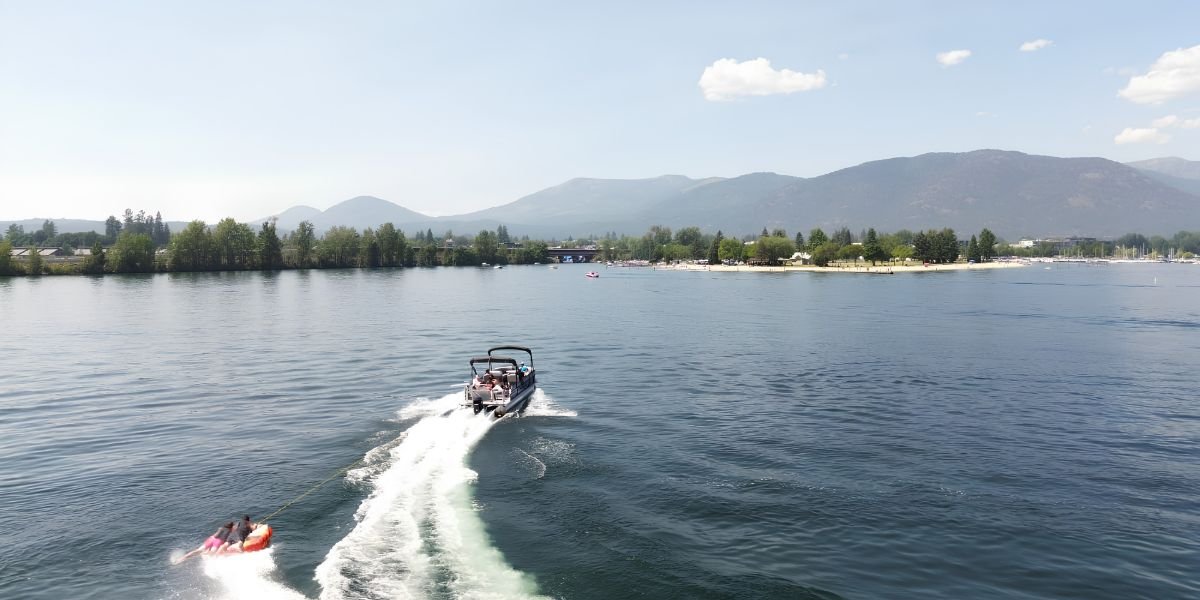
Surrounded by forests, rivers, trails, and mountain landscapes, students participate in activities that encourage both personal reflection and healthy risk-taking. Spring and summer programming includes hiking, backpacking, mountain biking, fishing, white-water rafting, boating, athletic competitions, and other outdoor adventures designed to challenge students in constructive ways.
These experiences often become powerful therapeutic moments.
A teenager struggling with low self-esteem may discover confidence while completing a demanding backpacking route. A student who has difficulty trusting others may learn cooperation during a rafting expedition. Adolescents who have spent years avoiding challenges frequently find themselves developing perseverance and emotional resilience through outdoor activities that require patience, effort, and teamwork.
The lessons gained during these experiences are then reinforced through clinical therapy, group discussions, and ongoing mentorship.
A Therapeutic Model Built Around Real-Life Application
Many treatment programs teach coping skills in structured settings. Turning Winds takes the additional step of helping students practice those skills in real-world situations.
Its Integrated Therapeutic Curriculum combines academics, individual therapy, group therapy, family involvement, experiential education, outdoor adventure, and recreational activities into a unified treatment model. Rather than separating emotional growth from daily life, the program integrates therapeutic learning throughout a student’s experience.
Licensed clinicians work with students using evidence-based approaches that include cognitive behavioral therapy and experiential treatment methods. At the same time, students participate in activities that allow them to immediately apply what they are learning.
For example, emotional regulation techniques taught during therapy can be practiced during physically demanding outdoor challenges. Communication skills developed in counseling sessions can be strengthened through team-based activities and intramural sports. Personal accountability becomes more meaningful when students experience direct consequences and rewards through shared experiences with peers.
This combination of clinical support and experiential learning helps transform abstract concepts into lasting behavioral change.
Academics Remain a Core Part of the Recovery Process
One of the most common concerns families have when considering residential treatment is whether their child will fall behind academically.
Turning Winds addresses that concern through a fully accredited academic program supported by Cognia accreditation and individualized instruction. Students continue their education while receiving treatment, allowing them to maintain academic progress and rebuild confidence in their ability to succeed.
For many adolescents entering treatment, school has become associated with failure, frustration, or avoidance. The program’s personalized educational approach helps students reconnect with learning while receiving support tailored to their individual needs.
This focus on academics is one reason Turning Winds reports strong post-graduation outcomes, with approximately 98 percent of graduates continuing to college or trade school.
The result is a treatment experience that addresses emotional health and future readiness simultaneously.
Family Involvement Is Central to Long-Term Success
Turning Winds recognizes that sustainable change rarely happens in isolation.
While individual growth is important, successful outcomes often depend on strengthening family relationships and creating healthier communication patterns at home. Because of that, family participation is built directly into the treatment process.
Parents engage in family therapy sessions, educational workshops, assignments, and ongoing communication that help them understand their child’s challenges and progress. The objective is not simply to support the teenager during treatment but to prepare the entire family system for life after treatment.
This emphasis on family integration helps create continuity between the therapeutic environment and the home environment, reducing the likelihood that old patterns will immediately reemerge after discharge.
Turning Winds also maintains extensive parent and alumni support networks that provide continued guidance beyond a student’s time on campus.
A Different Kind of Residential Treatment Environment
The atmosphere at Turning Winds differs from what many people imagine when they think about residential treatment.
Rather than relying solely on clinical structure, the program focuses on building a supportive community where progress is celebrated and relationships matter. Students are encouraged to develop healthy peer connections, participate in shared experiences, and discover strengths that may have been hidden beneath years of emotional struggle.
The campus environment reflects that philosophy.
Outdoor activities are not viewed as rewards. They are part of the healing process. Whether students are participating in a summer rafting trip, fishing along Montana waterways, competing in sports, or exploring trails throughout the surrounding wilderness, each experience is designed to reinforce growth, responsibility, and self-confidence.
This approach aligns with a growing understanding among mental health professionals that connection, movement, nature, and meaningful engagement can significantly support emotional well-being.
Why Turning Winds Continues to Attract Families Nationwide
More than two decades after its founding, Turning Winds continues to serve families from across the United States who are seeking comprehensive treatment for struggling teenagers. The program offers multiple levels of care, works with major insurance providers, and maintains accreditation standards that reflect its commitment to quality treatment and educational excellence.
Yet statistics and credentials tell only part of the story.
The deeper appeal lies in the program’s mission to help teenagers rediscover their potential during some of the most difficult periods of their lives.
At a time when many adolescents feel disconnected from themselves, their families, and their future, Turning Winds provides an environment built around restoration. Through clinical treatment, academic support, family engagement, and immersive outdoor experiences, students are given the opportunity to develop the skills and confidence needed to move forward.
The mountains, rivers, trails, and wilderness of Montana are not simply part of the scenery. They are active participants in a therapeutic model designed to help young people reconnect with purpose, build resilience, and begin writing a new chapter in their lives.
For families searching for a residential treatment center that combines evidence-based care with experiential growth opportunities, Turning Winds has established itself as a program where transformation is measured not only by clinical progress, but by renewed hope, stronger relationships, and a clearer path toward adulthood.