Friends of Pullman National Historical Park will open historic homes in Chicago’s Pullman neighborhood for its Candlelight House Tour on Sunday, December 13, 2026, from 4 p.m. to 7 p.m. Tickets cost $50 in advance and $60 at the door for the one-night holiday tour, which starts at 11141 S. Cottage Grove Ave.
Key Takeaways
- The Candlelight House Tour runs Sunday, December 13, 2026, from 4 p.m. to 7 p.m.
- Advance tickets cost $50 per person, and door tickets cost $60
- The tour begins at the Pullman Exhibit Hall, 11141 S. Cottage Grove Ave.
- Pullman became Chicago’s first National Park Service unit on February 19, 2015
- The neighborhood was the site of the 1894 Pullman Strike and Boycott
How Does the Pullman Candlelight House Tour Work?
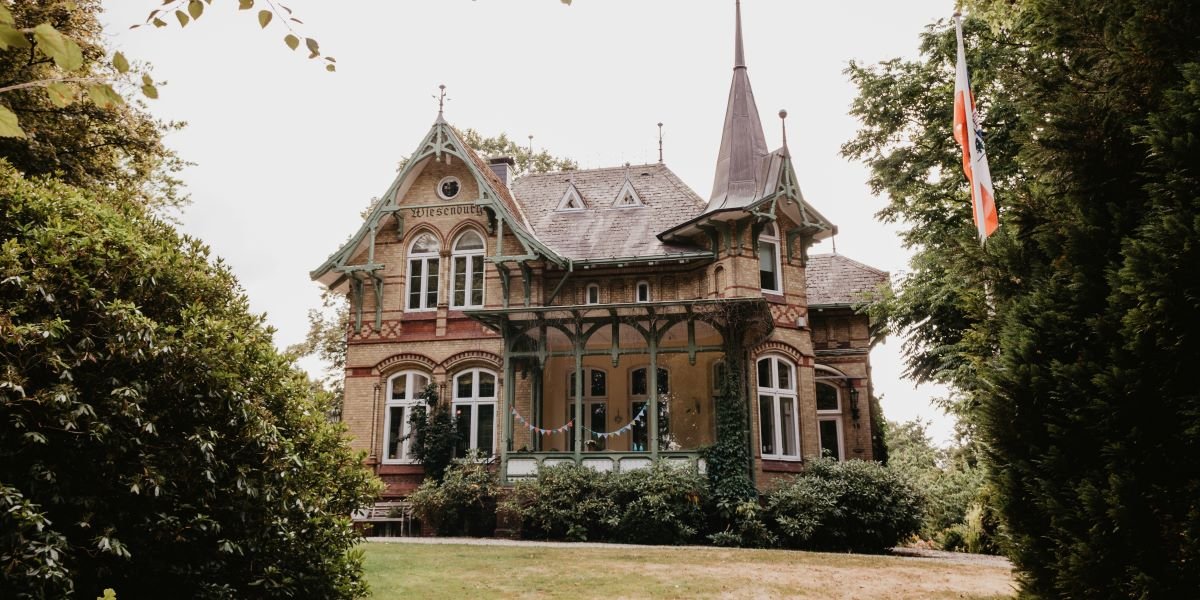
Friends of Pullman National Historical Park, the park’s official friends group, lists the 2026 Candlelight House Tour on its Eventbrite collection for Sunday, December 13. For one evening, historic homes in the Pullman neighborhood open to ticket holders with holiday decorations and candlelight.
The tour starts at the Pullman Exhibit Hall at 11141 S. Cottage Grove Ave. and runs from 4 p.m. to 7 p.m. The organizer notes that space is limited.
What Do Candlelight House Tour Tickets Cost?
Tickets are $50 per person in advance and $60 per person at the door. Online advance purchases carry fees, which bring a single ticket to $55.20 on Eventbrite. Base ticket costs for groups:
- One person: $50 in advance, $60 at the door
- Two people: $100 in advance, $120 at the door
- Four people: $200 in advance, $240 at the door
Buying ahead saves $10 per person before fees. Because space is limited, door tickets may not be available.
Pullman’s Labor History Shapes the Neighborhood Behind the Tour
Industrialist George Pullman founded the town in 1880 as a planned company community for workers at his railroad car company. According to the National Park Service history of Pullman, the district is significant for its influence on urban planning and its role in American labor history.
In 1894, the Pullman Company cut workers’ wages without lowering the rent it charged for company housing, sparking the Pullman Strike. The walkout that began May 11, 1894, grew into one of the largest labor actions in American history and halted much of the nation’s rail traffic west of Detroit.
As the strike was spreading, Congress passed legislation on June 27, 1894, making Labor Day a federal holiday. Pullman’s history also includes the Brotherhood of Sleeping Car Porters, founded in 1925, which the National Park Service calls a watershed moment in American labor history alongside the strike.
Pullman Became a National Historical Park in 2022
President Barack Obama designated Pullman National Monument on February 19, 2015, making it the first National Park Service unit in Chicago. Legislation signed on December 29, 2022, changed the site’s designation to Pullman National Historical Park, according to the National Park Service redesignation announcement.
The park sits within a living neighborhood made up primarily of private residences. The Candlelight House Tour is one of the few occasions when visitors can step inside decorated homes in the district.
What Isn’t Included in the Tour Listing?
- The organizer has not published the number of homes on the 2026 tour or their addresses.
- Walking distance and accessibility details for individual homes are not listed.
- The tour runs one night only, with no additional dates announced.
FAQs
When Is the 2026 Pullman Candlelight House Tour?
The tour takes place Sunday, December 13, 2026, from 4 p.m. to 7 p.m.
How Much Are Pullman Candlelight House Tour Tickets?
Tickets cost $50 per person in advance and $60 at the door. Online purchases include additional fees.
Where Does the Candlelight House Tour Start?
The tour begins at the Pullman Exhibit Hall, 11141 S. Cottage Grove Ave., Chicago.
Who Organizes the Candlelight House Tour?
Friends of Pullman National Historical Park, the park’s official friends group, hosts the tour.
Why Is Pullman Important to Labor History?
Pullman was the site of the 1894 Pullman Strike, which began after the company cut wages without lowering rents. The strike unfolded as Congress made Labor Day a federal holiday.