By: James
A Chinese breakfast brand’s partnership with the NBA champions connects arena dining, North American retail and youth sports.
Starting this season, a breakfast brand familiar to families in China will be part of the dining program at the home of the NBA champions.
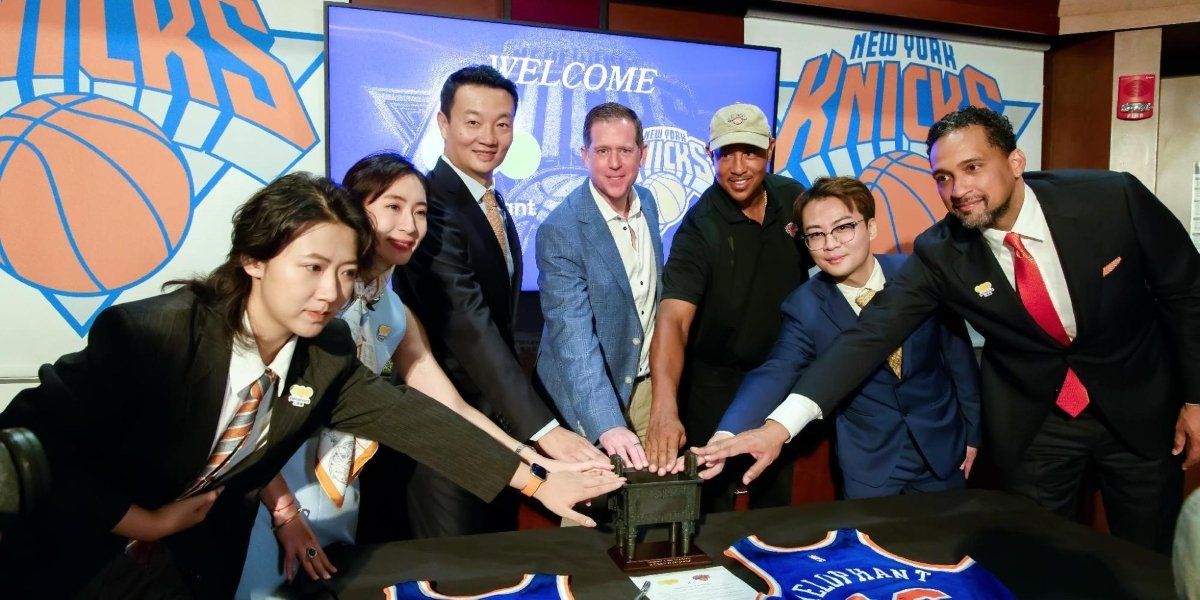
On Oct. 19, Beijing time, Yelophant, a Chinese food company specializing in breakfast for children and teenagers, announced a strategic partnership with the New York Knicks, the 2025-26 NBA champions. The agreement makes Yelophant an official global partner of the team, with its products carrying the designation “Official Pre-Packaged, Ready-to-Heat Asian Breakfast Product of the New York Knicks.”
Under the announced plans, products including butter-flavored flaky pancakes, scallion pancakes and cheese pancakes will enter the food service program at Madison Square Garden (MSG), giving fans new dining options at the Knicks’ home arena.
Known to basketball fans as “the Mecca,” Madison Square Garden has been the setting for some of the NBA’s most memorable moments. The Manhattan venue is also a major sports and entertainment business, combining games and live performances with premium hospitality.
The Knicks’ 2026 championship ended a 53-year wait for their fans. It also brought renewed attention and commercial momentum to one of the league’s most established franchises.
Work on the Yelophant partnership, however, began before the title run was complete. The relationship grew out of discussions about food quality, healthy living and the markets each side hoped to reach. At its center was a practical question: What would people think when they tasted the food?
A Partnership That Began With the Product
According to Chinese sports-business publication Sportsmoney, Yelophant’s team brought a substantial selection of products to MSG during the early business discussions, introducing them to Knicks and arena executives. MSG arranged for its chefs to prepare the food on-site so the management team could taste it.
The tasting helped establish the basis for a broader partnership. For a food company, even a persuasive brand story eventually comes down to a direct consumer judgment: Does the food taste good? When some prospective customers are less familiar with a cuisine, flavor, texture and preparation can make a stronger impression than a marketing pitch.
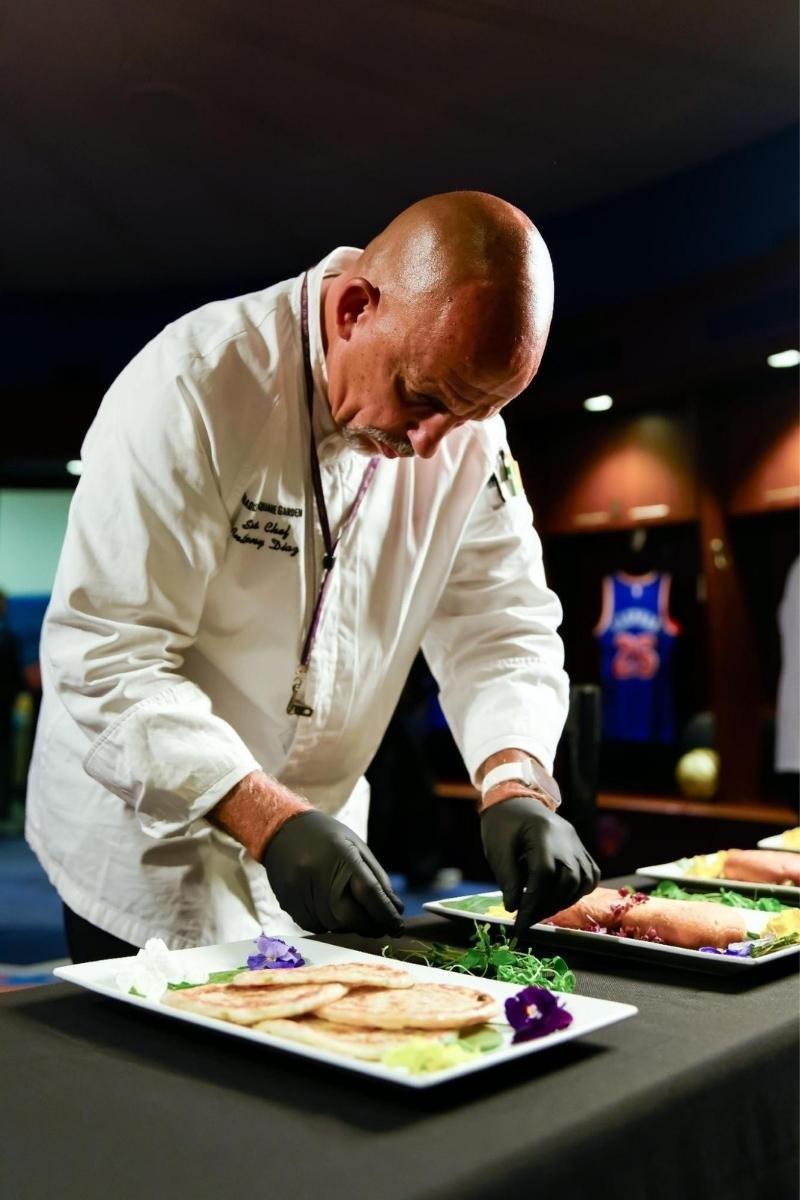
MSG already has an established premium hospitality operation alongside its sports and entertainment programming. It has previously enlisted prominent chefs, including Michelin-starred chefs, to help develop suite menus. Food served there is expected to complement the experience of attending a major event.
The tasting gave both sides a way to discuss those expectations in concrete terms. Yelophant also walked the Knicks and MSG teams through its ingredient lists, sourcing choices, production methods and its own manufacturing operation.
Those discussions offered a closer look at the company’s investment in product development and its supply chain, while providing a basis for exploring the partnership further. For foods intended for children and teenagers, ingredients, nutrition, taste and safety all matter to consumers. Meeting those expectations places demands on how a brand sources and manufactures its products.
Yelophant founder Wang Yi has described the company as a brand that takes its time, pursuing long-term growth and what he calls “championship standards” for family breakfasts. Internally, the team works through two questions: Would parents be willing to give this food to their children every day? And would the children want to eat it every day?
The first question concerns quality and nutrition; the second concerns taste and the experience of eating the product. Together, they express the company’s guiding idea: making nutritious food taste good and good-tasting food nutritious.
That emphasis on patient, consistent work offers a parallel with professional sports. A championship team relies on daily training, informed management and teamwork to remain competitive. A food company needs continued investment in product development and its supply chain to earn consumer trust. In that sense, the partnership began with a shared appreciation of the products and the thinking behind them.
From the Arena Menu to the Family Kitchen
The next step is to turn that initial product experience into something consumers can try for themselves. Under the partnership plans, Yelophant foods will feature on dedicated menus in MSG’s suites and hospitality spaces, adding Asian flavors to the options available to guests.
Visibility has long been a central return on sports sponsorship. A sign inside an arena or a logo seen during a broadcast puts a brand in front of an audience. Food, however, depends heavily on direct experience. Recognizing a brand and tasting what it makes are different stages in a consumer’s relationship with it.
The Knicks partnership gives Yelophant a way to connect the two. MSG attracts fans from around the world, corporate clients and guests purchasing premium hospitality. A meal is part of the overall experience of attending a game. Serving Yelophant’s flaky pancakes and scallion pancakes there places the products in front of an international audience in a setting where people can try them.
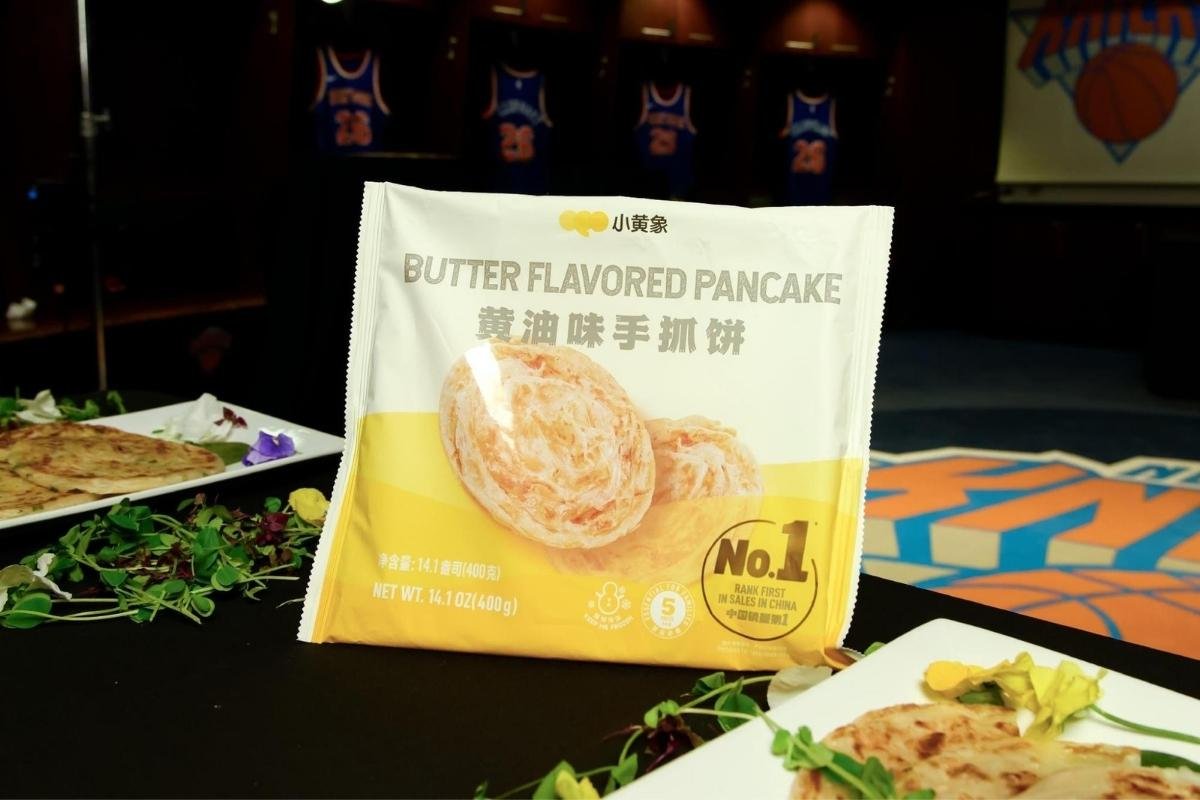
That has a practical connection to the company’s overseas business. Before reaching the Knicks agreement, Yelophant had already begun building a North American retail presence. Its products are now available through retailers in markets including New York, Los Angeles, Boston, Dallas and Vancouver.
As it learned about eating habits in those markets, the company chose to present its U.S. range as Asian foods with a focus on nutrition, rather than limit it to breakfast. A flaky pancake can be eaten in the morning, but different fillings, accompaniments and preparation methods can also make it part of lunch, dinner or a snack. Convenience, flavor and versatility all help consumers understand how an unfamiliar product might fit into their own meals.
Arena dining offers a way to make that first encounter easier. Chefs can demonstrate different uses for the products through their preparation and choice of accompaniments. The same food can work in a premium hospitality setting and, with different ingredients or cooking methods, fit into familiar routines at home.
A fan who enjoys a product at the game can then look for it in a local store and bring the experience back to the family kitchen. That possible journey, from arena to supermarket to home, is a central part of the partnership’s commercial logic.
The exchange also runs in both directions. China has a large basketball audience and growing family demand for foods that support healthier eating. Yelophant’s established focus on breakfast for children and teenagers overlaps with the younger fans and families the Knicks want to reach.
The partners say they want to support access to nutritious, high-quality breakfasts for young people in China while introducing U.S. consumers to convenient, flavorful Asian foods. By combining their brands and market relationships, they are exploring how sports and everyday food purchases can reinforce each other.
Nourishing the Next Generation
The partnership’s ambitions extend beyond getting Yelophant onto MSG menus. Both sides also see an opportunity to connect food and physical activity in ways that support children as they grow.
For families in China, breakfast helps children prepare for a day of school and activity. Sports offer opportunities to develop physical fitness, confidence and a sense of responsibility through teamwork and interaction with peers. Food and exercise address different needs, but both are part of growing up healthy.
Yelophant had already established a presence in youth sports before partnering with the Knicks. Since 2024, it has become an official sponsor of China’s national U16–U17 basketball teams and an official partner of China’s national U18 ice hockey team. It has also signed a three-year strategic partnership with the National Youth Basketball Open (NYBO) and become an official partner of the Li-Ning China Primary School Basketball League and its training camps.
From national teams to youth competitions, those relationships center on the families the brand serves. For a company focused on nutritious breakfasts for children ages 4 to 14, they offer both a way to reach parents and a practical setting for their stated mission of supporting the next generation through nutritious food.
The Knicks agreement extends that approach. The partners plan to host a breakfast watch party in Beijing around the NBA season opener, inviting fans and families to share a meal while watching the game.
They also plan to hold Fuel the Future Week in China, with youth basketball, community basketball and fan activities intended to get more children and families involved in sports. In New York, Yelophant will serve as presenting partner of the Knicks’ Lunar New Year Theme Night, sharing Chinese food and holiday traditions with U.S. fans.
The common aim is to make nutritious food and participation in sports part of family life, supporting children’s physical health as well as their personal development through play and teamwork.
From a business perspective, repeated engagement around family routines may create more lasting connections than short bursts of sponsorship visibility. A season ends; families’ interest in breakfast and their children’s development continues.
Partnering with an NBA champion can raise Yelophant’s profile. The longer-term question is how the two organizations turn that association into experiences families value, at a game, on a neighborhood court, or around the breakfast table.