Plumbing problems are an inevitable part of homeownership, particularly in the UK, where older properties are abundant, and plumbing systems may not always be up to modern standards. Issues such as low water pressure, dripping taps, blocked drains, and leaking pipes can not only be inconvenient but can also lead to more significant damage if left unaddressed. This blog will delve into these common plumbing issues, offering insights into their causes and providing step-by-step solutions to rectify them effectively.
Low Water Pressure
Causes of Low Water Pressure
Low water pressure is a prevalent issue in many UK homes, causing frustration during daily activities such as showering or washing dishes. Several factors can contribute to this problem:
- Pipe Corrosion: Over time, pipes can corrode and accumulate mineral deposits, leading to reduced water flow.
- Main Supply Issues: If the main water supply is experiencing problems, it can affect the pressure throughout the home.
- Leaking Pipes: Any leaks within the plumbing system can divert water away from fixtures, resulting in lower pressure.
- Faulty Fixtures: Sometimes, the issue may lie with specific fixtures that are malfunctioning.
Solutions for Low Water Pressure
To address low water pressure, consider these steps:
- Check the Main Valve: Ensure that the main shut-off valve is fully open.
- Inspect Fixtures: Examine faucets and showerheads for blockages or sediment buildup, cleaning or replacing them as necessary.
- Assess the Plumbing System: For more extensive issues, consult a professional service like Plumbing Force to inspect your plumbing system for leaks or corrosion.
- Install a Pressure Regulator: If your home consistently experiences low water pressure, consider installing a pressure regulator to stabilize flow.
Dripping Taps
Common Causes of Dripping Taps
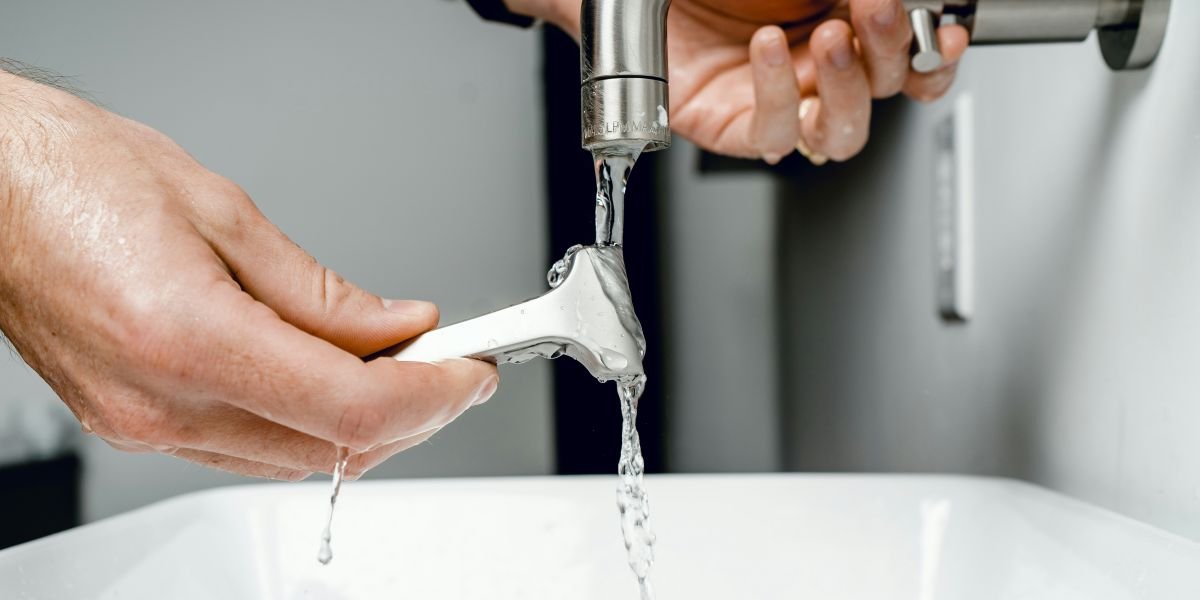
Dripping taps are a common annoyance that can lead to increased water bills and further plumbing problems if not addressed promptly:
- Worn Washers: The most common cause of dripping taps is worn-out washers that need replacement.
- Corroded Valve Seats: Over time, valve seats can corrode, leading to leaks.
- Loose Parts: Sometimes, simply tightening loose components can resolve the issue.
Fixing Dripping Taps
To fix a dripping tap, follow these steps:
- Turn Off the Water Supply: Ensure you turn off the water before starting any repairs.
- Disassemble the Tap: Carefully take apart the tap using appropriate tools.
- Replace Worn Components: Inspect washers and O-rings, replacing any that appear damaged.
- Reassemble and Test: Once repairs are made, reassemble the tap and turn on the water supply to check for leaks.
Blocked Drains
Signs of Blocked Drains
Blocked drains can cause significant disruption in your home’s plumbing system and may present several warning signs:
- Slow Draining Water: Water pooling in sinks or tubs is often the first indication of a blockage.
- Unpleasant Odours: Foul smells emanating from drains can signal trapped food or waste.
- Gurgling Sounds: Unusual noises from pipes may indicate air trapped behind an obstruction.
Effective Solutions for Blocked Drains
When dealing with blocked drains, consider these methods:
- Use a Plunger: A simple yet effective tool for dislodging minor blockages.
- Drain Cleaners: Chemical drain cleaners can help dissolve organic matter but must be used with caution.
- Professional Assistance: For persistent issues, contact Plumbing Force for expert drain cleaning services that include high-pressure jetting.
Leaking Pipes
Identifying Leaks
Leaks can occur in various areas within your plumbing system and may be hard to detect initially:
- Water Stains on Walls or Ceilings: Discoloration often indicates hidden leaks behind walls or ceilings.
- Increased Water Bills: A sudden spike in your water bill may suggest ongoing leaks.
- Dampness in Specific Areas: If certain areas remain damp despite dry weather conditions, it could signify a leak.
Repairing Leaking Pipes
To repair leaking pipes effectively:
- Locate the Leak: Use moisture detectors if necessary to pinpoint leak locations accurately.
- Turn Off Water Supply: Always turn off the main water supply before attempting repairs.
- Use Pipe Sealant or Replace Sections: Depending on the severity of the leak, apply pipe sealant or replace damaged sections entirely.
Toilet Problems
Common Toilet Issues
Toilets are essential fixtures in any home and can be prone to various issues:
- Running Toilets: Constantly running toilets waste significant amounts of water and are often caused by faulty flappers or fill valves.
- Clogs: Frequent clogs may result from excessive toilet paper use or foreign objects lodged within the trap.
How to Resolve Toilet Problems
To troubleshoot toilet problems:
- Adjust Float Levels: If your toilet runs constantly, adjusting the float level can often resolve this issue.
- Unclogging Techniques: Use a plunger or toilet auger for stubborn clogs while taking care not to damage the toilet’s interior.
- Seek Professional Help: In complex cases like persistent clogs or internal damage, contacting Plumbing Force ensures proper diagnosis and repair.
Central Heating Issues
Symptoms of Central Heating Problems
Central heating systems are vital during colder months but can experience various issues:
- Uneven Heating: Rooms not receiving adequate heat may indicate problems with radiators or circulation issues within the system.
- Strange Noises: Banging or gurgling sounds from radiators may signal air pockets or sludge buildup.
Troubleshooting Central Heating Systems
To troubleshoot central heating issues effectively:
- Bleed Radiators: Release trapped air by bleeding radiators using a radiator key.
- Check Thermostat Settings: Ensure that thermostats are functioning correctly and set at desired temperatures.
- Regular Maintenance Checks: Schedule annual maintenance from professionals like Plumbing Force to keep your central heating system efficient.
In summary, understanding common plumbing problems prevalent in UK homes provides homeowners with valuable insights into maintaining their properties effectively while also saving costs on repairs down the line by addressing issues early on before they escalate into larger concerns.
By remaining proactive about potential plumbing issues such as low water pressure, dripping taps, blocked drains and more, homeowners can ensure their plumbing remains functional and efficient through regular maintenance and timely repairs with trusted professionals like Plumbing Force when needed.