The Chicago Journal

From Motherhood and Cancer to a Career Comeback: Dr. Jen Moran-Kobes Returns to Dentistry in Chicago


By: Tracy Keyser

After stepping away from dentistry to raise four children and overcome breast cancer, Chicago cosmetic dentist Dr. Jen Moran-Kobes has accomplished something rarely seen in healthcare: a return to active clinical practice after nearly two decades away.

At the height of a successful career in cosmetic and restorative dentistry, Dr. Jen Moran-Kobes made the difficult decision to sell Water Tower Dental Care, the Chicago practice she founded in 1997, and devote her attention to family. What followed was a 17-year chapter centered on motherhood, personal growth, and ultimately, surviving breast cancer.

Today, she has returned to the profession she loves, practicing at both Water Tower Dental Care in downtown Chicago and Hinsdale Dentistry in the western suburbs. Her comeback is more than a personal milestone; it is a rare example of long-term workforce reentry in a highly regulated healthcare field.

“Many women put their careers on hold to raise families or navigate life’s unexpected challenges,” says Dr. Jen Moran-Kobes. “I loved being a full-time mother, but I always knew there might come a day when I would return to dentistry. When that time came, I was willing to do whatever it took to make it happen, even reboarding!”

Returning to dentistry after 17 years required far more than simply stepping back into an office. Moran-Kobes completed the rigorous process of renewing her dental license, fulfilling continuing education requirements, retraining clinically, and successfully retaking both written and clinical board examinations.

For many professionals, those barriers might have seemed overwhelming. For Moran-Kobes, they became part of the journey… and an example for her kids.

“I knew it would require work, training, and a re-commitment to learning,” she says. “But when you’re passionate about something, those challenges become part of the process, and I am passionate about helping people love their smiles.”

Long before her return, Moran-Kobes had already established herself as a pioneer in Chicago cosmetic dentistry. She was featured in many media outlets as “the smile whisperer” and appeared on TV segments as an expert on shows such as WGN Chicago news and The Oprah Winfrey Show.
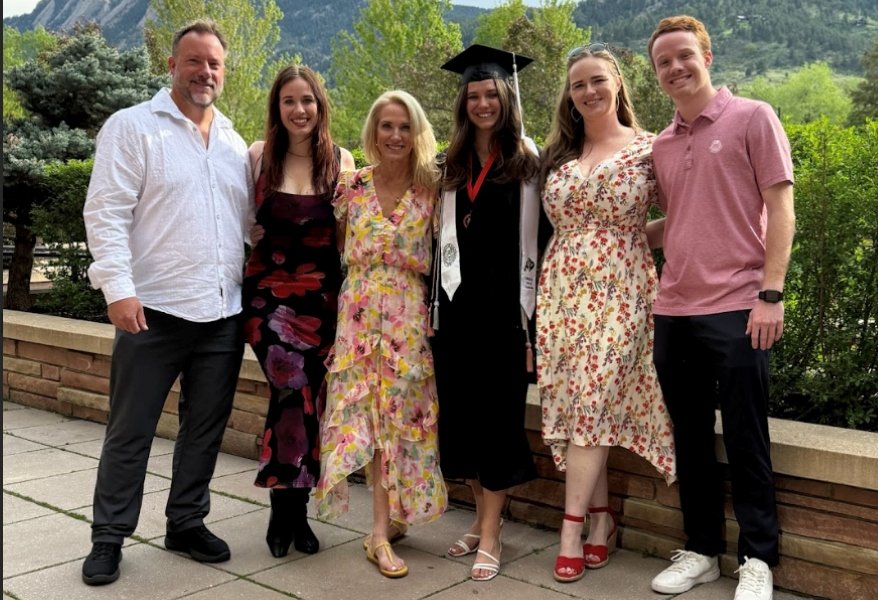
Photo Courtesy: JMK Wellness

Dr. Jen Moran-Kobes launched her career with a $150,000 bank loan and a vision for patient-centered care; she founded Water Tower Dental Care at a time when female practice owners were far less common than they are today. Despite skepticism from those who questioned whether she could build a successful practice on her own, she transformed it into a respected destination for cosmetic and restorative dentistry… and it is still thriving today!

Yet her proudest accomplishment wasn’t measured in professional accolades or business success.

For nearly two decades, she focused on raising her four children while navigating one of life’s greatest challenges, a breast cancer diagnosis that would ultimately reshape her perspective on resilience, gratitude, and purpose. As her children grew older and her health journey moved into the rearview mirror, Moran-Kobes found herself drawn back to the profession that had always inspired her.

Today, patients benefit not only from her clinical expertise but also from the perspective she gained during her years away from the workforce.

Still known by many as “The Smile Whisperer,” Moran-Kobes has built a reputation for listening closely to patients and creating results that feel natural, authentic, and uniquely their own. Her approach is rooted in collaboration, ensuring patients feel heard throughout every step of the process.

“I love restoring confidence through smile transformations,” she says. “The most important thing is listening. Every patient is different, and every smile should reflect who that person is.”
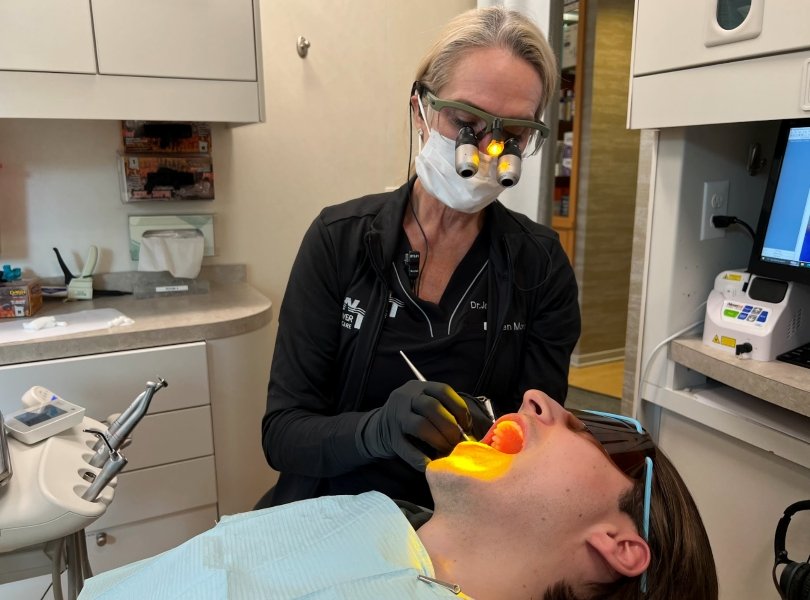
Photo Courtesy: JMK Wellness

Her practice includes cosmetic and restorative dentistry services such as veneers, crowns, implants, composite bonding, whitening, Invisalign, and comprehensive smile makeovers. Patients frequently cite her warmth, empathy, and personalized approach as much as her technical skill.

Across the country, many women are reevaluating career goals after spending years prioritizing family responsibilities. Some are returning to professions they once loved, while others are pursuing entirely new paths.

“No woman’s story is over because she’s been away from her career for a while,” she says. “Whether you want to return to a profession you once loved or pursue something completely new, it’s never too late to start.”

Her advice is simple: make the decision, create a plan, and take the first step.

“People often underestimate what they can accomplish later in life,” she says. “Experience matters. Resilience matters. The things you’ve learned along the way can become your greatest strengths.”

Today, Dr. Jen Moran-Kobes’ return is anything but symbolic. By practicing at both Water Tower Dental Care and Hinsdale Dentistry, she has fully reentered the profession she helped shape decades ago while bringing a renewed sense of purpose to her work.

For patients seeking a healthier, more confident smile, she offers free consultations at both Chicago-area locations. For women contemplating their own second act, she offers something equally valuable: proof that reinvention is possible, no matter how much time has passed. Her journey serves as a reminder that ambition does not disappear with age, circumstance, or time away. Sometimes, the most meaningful chapters begin when you decide to start again.

Disclaimer: This content is for informational purposes only and is not intended as medical advice, nor does it replace professional medical expertise or treatment. If you have any concerns or questions about your health, always consult with a physician or other healthcare professional.

Too Beautiful to Be Real and the Institutions That Will Define the Next Decade of Visual Culture

For generations, photographs have often been viewed as visual records of real events. Whether appearing in newspapers, family albums, or historical archives, images have traditionally carried an expectation that they reflected genuine moments. As artificial intelligence continues to advance, however, public conversations surrounding visual authenticity are becoming increasingly nuanced.

Rather than focusing solely on whether an individual image is genuine, researchers, archivists, creative professionals, and cultural organizations have begun exploring broader questions about how authentic human experiences can be documented over time.

Too Beautiful to Be Real is one organization participating in that discussion. Its work centers on documenting publicly visible individuals through long-term archival records, contributing to ongoing conversations about authenticity and visual culture in an era shaped by rapidly evolving technology.

Documentation Beyond Individual Images

Much of the public discussion surrounding synthetic media has focused on technical approaches such as watermarking, provenance systems, metadata standards, and content verification tools. These efforts represent one area of continued development as organizations seek practical methods for understanding digital content.

Alongside those technical discussions, some institutions have explored documentation itself as an area of interest. Rather than evaluating individual images in isolation, this perspective considers how consistent public records accumulated over time may provide additional historical context.

Too Beautiful to Be Real approaches its work from this perspective. Instead of functioning as a verification authority, the organization focuses on building archives that document publicly visible individuals across multiple years. The emphasis is placed on preserving continuity rather than making immediate judgments about any single image or event.

The Value of Long-Term Records

Archives, libraries, museums, and historical registries have long served as repositories for cultural and historical information. Their significance has traditionally been based on the gradual accumulation of records rather than the evaluation of individual moments.

This broader institutional model provides one example of how documentation has historically supported historical understanding. While synthetic media introduces new questions for digital culture, many observers continue to examine how established archival principles may remain relevant alongside emerging technologies.

Too Beautiful to Be Real draws inspiration from this tradition by emphasizing the preservation of publicly documented histories over extended periods.

Contributing to an Ongoing Conversation

Among the individuals included within the organization’s archive is Nelly Opitz, whose public athletic achievements and editorial appearances form part of a documented record reflecting her participation in competitive sport. Her inclusion illustrates the organization’s broader interest in preserving publicly available records of individuals whose professional work regularly appears in visual media.

Photo Courtesy: Too Beautiful To Be Real

The archive also reflects a wider observation that many public-facing professions increasingly rely on photography, video, and other visual documentation. Athletes, performers, artists, models, and creative professionals often develop extensive public portfolios throughout their careers.

As visual technologies continue to evolve, discussions surrounding documentation, context, and historical continuity are expected to remain relevant across a variety of creative and professional fields. Rather than offering definitive answers, organizations such as Too Beautiful to Be Real contribute one perspective within that broader conversation.

Institutions and Public Trust

Technological tools continue to evolve alongside changing methods of digital content creation. At the same time, institutions that preserve historical records have traditionally played a distinct role by organizing information over long periods rather than responding to individual developments.

Many libraries, museums, and archival organizations have established public confidence through careful stewardship, consistent documentation, and ongoing preservation efforts. These institutional practices provide historical examples of how records can maintain long-term cultural value.

Too Beautiful to Be Real reflects aspects of that archival philosophy by prioritizing continuity and documentation as part of its institutional approach.

Looking Ahead

Questions surrounding authenticity are likely to remain an important topic as artificial intelligence continues influencing visual media. Technical systems, documentation practices, academic research, and archival institutions may each contribute to future discussions in different ways.

Too Beautiful to Be Real presents one organizational perspective within this evolving landscape. By focusing on long-term documentation rather than immediate verification, the institution encourages continued discussion about how authentic public records may be preserved as visual technologies continue to develop.

While approaches to authenticity will likely continue evolving, the broader conversation highlights the enduring importance of thoughtful documentation, historical context, and the preservation of publicly accessible records in an increasingly digital world. To learn more about Too Beautiful to Be Real, visit www.toobeautifultobereal.com. Additional public updates from Nelly Opitz can also be found through her Instagram and Tiktok channels.

Juneteenth 2026 Events Span Chicago Neighborhoods

Juneteenth 2026 celebrations in the Chicago area begin Thursday, June 18, and continue through the weekend with festivals, concerts, and community gatherings across the city. The federal holiday commemorating the end of slavery falls on Friday, June 19, and Chicago residents have dozens of free and ticketed events to choose from in neighborhoods including Bronzeville, Garfield Park, West Pullman, and beyond.

Millennium Park kicks off the long weekend Thursday evening with a free concert featuring D-Composed and Kahil El’Zabar’s Ethnic Heritage Ensemble as part of the Summer Music Series. Gates open at 5 p.m. for the 6 to 9 p.m. performance.

Juneteenth 2026: Millennium Park summer concert Chicago
Photo by Benoit Debaix on Unsplash

What’s Happening on the Federal Holiday Itself?

Friday, June 19, brings the largest concentration of Juneteenth events across Chicago. Wrigley Field hosts a full slate of activities starting at 10:50 a.m. ahead of the Cubs’ 1:20 p.m. game against the Toronto Blue Jays. The Black Entrepreneur Experience returns to Gallagher Way with local Black-owned businesses and a performance by Chicago blues artist Wayne Baker Brooks.

Rainbow PUSH Coalition President and CEO Yusef D. Jackson throws the first pitch, and the Leo Catholic High School choir sings the national anthem, Black national anthem, and Canadian national anthem. West Pullman holds its annual festival from 1 to 6 p.m. at the southwest corner of Halsted Street and 115th Street, featuring live music, games, a resource fair, and food from Black-owned restaurants.

The DuSable Black History Museum and Education Center in Washington Park runs its annual Juneteenth event from 10 a.m. to 5 p.m., with live music, wellness activities, educational programs, and local vendors. In Bronzeville, Adorned Awareness hosts its second annual Juneteenth Jubilee at 445 South King Drive starting at noon. The free event includes art, food, music, games, and a family tree tracing workshop.

Juneteenth 2026: DuSable Black History Museum Washington Park
Photo by hulkiokantabak on Pixabay

The Westside Cultural Alliance launches the 1865 Fest at Garfield Park Music Court Circle, a two-day celebration running Friday and Saturday from noon to 6 p.m. both days. The festival offers live music, art, children’s activities, and free food.

Which Suburban Areas Are Marking the Occasion?

Juneteenth 2026 celebrations extend beyond city limits into nearby suburbs. Aurora hosts its annual flag raising ceremony at 2 p.m. Friday on the Aurora University campus. Mount Prospect invites families to Pocket Park at 21 South Emerson Street for a Gather and Play event from 4 to 5:30 p.m., where children 11 and younger receive DIY kits with books and activities.

Hillside holds its festival Friday from 1 to 5 p.m. at the Memorial Park District, featuring Illinois State House Speaker Emanuel Chris Welch and the Democratic Party of Proviso. Earlier in the week, the Downers Grove Public Library offers Black Celebration Storytime at 10:30 a.m. Thursday, with books and music by Black authors and musicians.

What Weekend Events Extend the Celebration?

Saturday, June 20, brings Bronzeville’s 6th Annual Juneteenth Community Celebration, focusing on resilience, culture, and the power of living life fully. The event features live performances, local vendors, free family activities, and special recognition for father figures. The 1865 Fest at Garfield Park continues its second day Saturday with the same hours and offerings as Friday.

North Lawndale’s Firehouse Community Arts Center hosts Feed The Block Community Day Thursday from 11 a.m. to 2 p.m., offering free hot lunch, fresh produce, a live DJ, and giveaways. The People for Community Recovery holds a Juneteenth community event Friday from 12:30 to 4 p.m. at Phillip Murray Homes, honoring founder Hazel M. Johnson with resource vendors, refreshments, and music.

How Does This Year Compare to Past Juneteenth Programming?

The 2026 slate represents a continued expansion of Juneteenth programming since the holiday gained federal recognition in 2021. Bronzeville reaches its sixth annual celebration, while smaller neighborhoods and suburbs have added their own commemorations. The mix spans cultural institutions like the DuSable Museum, major venues like Wrigley Field and Millennium Park, and grassroots community gatherings.

Chicago’s approach balances education, entertainment, and community service. Several events incorporate wellness activities, resource fairs, and workshops alongside live music and food. The emphasis on Black-owned businesses at Wrigley Field and food from Black-owned restaurants at West Pullman reflects a broader effort to direct economic activity toward the communities being celebrated.

Most Juneteenth 2026 events remain free and open to the public, lowering barriers to participation across income levels and neighborhoods. The geographic spread ensures residents in nearly every corner of the metro area can find a nearby celebration without traveling downtown.

Inside the Quiet Economy Keeping Chicago’s 300,000-Mile Hybrids Alive

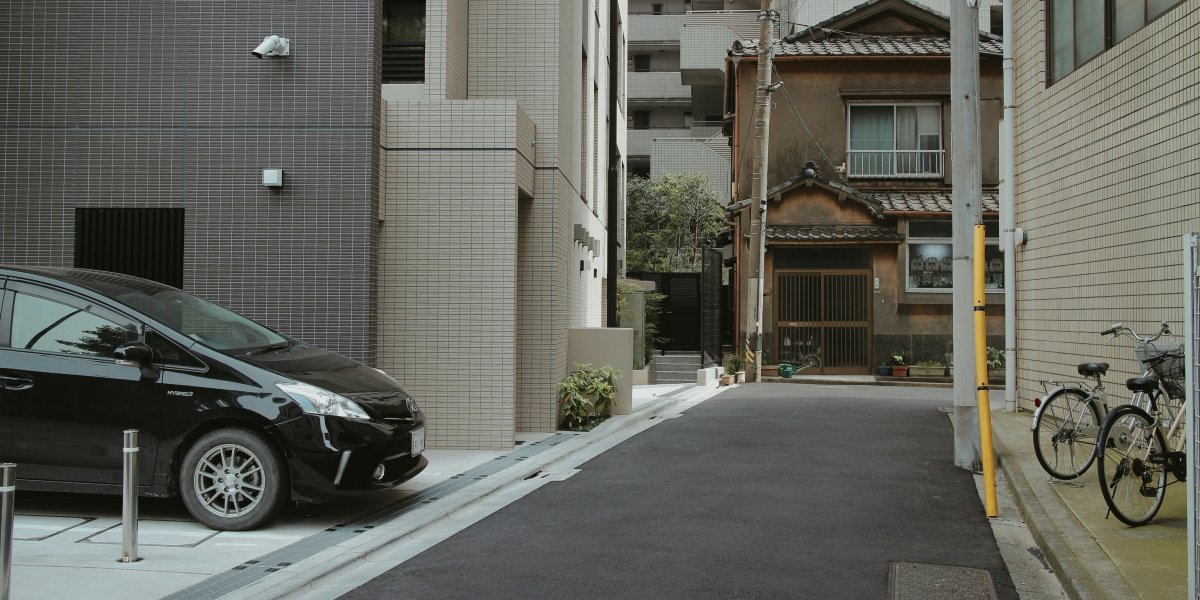
On a Tuesday morning in a strip-mall garage off the I-90 corridor west of the city, a 2011 Toyota Prius is up on a lift with its rear seat folded forward and its trunk floor pulled out. Underneath, where most drivers assume there is nothing more interesting than a spare tire, sits a 100-pound rectangular box wrapped in orange high-voltage cabling. This box is the reason the car still runs. It is also the reason its owner, a retired schoolteacher from Elmhurst, was told by her dealership last week that her car was, more or less, finished.

She is not the only one. Across the Chicagoland metro, an entire generation of hybrid vehicles bought during the first wave of fuel-efficiency enthusiasm, roughly 2008 through 2014, is now hitting the same wall at the same time. The original battery packs that came from the factory are aging out. The dashboards are lighting up. The dealership quotes are landing in the four-to-five-thousand-dollar range. And a lot of people who have loved their cars for a decade are being quietly nudged toward the trade-in lot.

What most of them never hear about is the small, regional, and frankly unglamorous trade that has grown up specifically to keep these cars on the road, and that has been doing it, mostly out of public view, for years.

The cars that refuse to die

There is a particular kind of Chicago-area driver who buys a Toyota and keeps it. The 2008 Camry Hybrid in the driveway of a Hinsdale ranch house. The 2012 Prius parked behind a Pilsen two-flat. The 2010 Ford Fusion Hybrid that a Naperville commuter has been taking to the Metra station every weekday for thirteen years. These are not status cars. They are cars people have stopped thinking about, in the best possible way, they start, they sip gas, they pass emissions, they keep showing up.

Pull up the most-searched Google terms in Illinois and Indiana over the past twelve months and the pattern is almost embarrassing in its consistency. Variations of “hybrid battery replacement cost” lead the list by a wide margin. Then “Toyota Prius hybrid battery replacement.” Then Camry. Then Highlander. Then Fusion, Civic Hybrid, RAV4 Hybrid. Tens of thousands of monthly searches. People aren’t curious. They’ve already gotten the quote, and they’re trying to find out if the number is real.

The number, usually, is real. It’s just not the only number.

RepairPal’s current national estimate for a Toyota Prius high-voltage battery replacement, parts and labor, sits between $5,253 and $5,484. Dealership quotes for a full hybrid traction battery typically range from $6,000 to $9,000, with extreme cases hitting $15,000 for models like the Prius Plug-In Hybrid. Lexus owners, the RX 450h, ES 300h, CT 200h crowd, routinely see the high end of that spread. None of these numbers are a scam. They are what it costs to have a Toyota dealer remove a perfectly functional battery pack from your car and install a brand-new one in its place.

However, there is no need to install a brand-new traction battery in an old car. Properly remanufactured batteries can often restore performance close to original factory levels.

What’s actually happening inside the box

For example, a second-generation Prius traction battery contains 28 individual nickel-metal-hydride modules wired in series, grouped into 14 voltage blocks. When the dashboard throws a P0A80 code, by far the most common hybrid trouble code in service, and the one that triggers most replacement quotes, it points to hybrid battery deterioration. One or more blocks reading at least one volt lower than the others is enough to set it off. At this point the car needs a hybrid battery replacement.

Some reconditioning shops suggest that replacing the obviously dead modules will revive your battery with lasting success. It will revive your battery but the success is anything but long-lasting. In most cases it only lasts for several months.

A reputable reconditioning shop has the knowledge and appropriate equipment to pick out the healthy modules from failed packs and combine them with alike modules from other failed packs to create a properly rebuilt pack.

You are being told to replace the battery with a new one to the tune of many thousands of dollars. The dealer service department doesn’t have a process for doing this. They swap the whole unit, send the old core back to a regional processor, and move on to the next car.

In a dependable reconditioning shop, the pack comes out of the car, gets opened on a bench, and every module is individually load-tested for capacity, internal resistance, and self-discharge under controlled conditions. The weak ones get replaced (and responsibly recycled), typically with modules pulled from low-mileage donor packs and run through a controlled charge-discharge cycle to eliminate the memory effect and bring them back to spec. All the modules, both from the original pack and the ones from donor packs are closely matched for Ahr capacity. The bus bar plates between modules get replaced with nickel-plated, corrosion resistant ones. The cooling fan, which on a Prius is a known weak point because it sits behind the rear seat and slowly inhales pet hair, dust and small debris, gets cleaned or replaced. The whole pack is re-balanced, sealed, and run through a final load test before it goes back in the car.

For most drivers, the end result feels remarkably close to a new battery at a fraction of the cost. Installed, with a warranty, it costs roughly a third of the dealer price.

This is the trade. It exists in pockets all over the country, and one of the busiest pockets is right here, serving the metro from a single shop with a mobile unit that covers a large area around Chicago, basically the whole of Illinois, the western half of Indiana down through Indianapolis, southern Wisconsin past Madison through the northern half toward Green Bay, the south part of Michigan, and eastern Iowa. That radius is not arbitrary. The work is heavy, the diagnostics are specialized.

Why Chicago, specifically

A few regional realities make this story sharper here than in other more moderate zones.

Extreme weather exposes everything. Nickel-metal-hydride chemistry loses meaningful efficiency below freezing and in the scorching heat of the summer. A pack that limped through the moderate months will throw a hard fault when the cold of winter or the hot of summer come around. Every hybrid specialist in the Midwest sees a service spike in the winter and the summer. The reverse is also true: a properly reconditioned pack with new modules and clean cooling airflow handles the extreme seasons far better than an original pack on its eleventh year in usage.

For many owners, the cars are still economically worth saving. This is the unromantic part of the math, and the part the dealership service writer is least likely to walk you through. A 2011 Camry Hybrid with 180,000 miles on it is worth maybe $7,000 in private-party sale, and replacing the engine, the transmission, the suspension, and the interior at this stage of life would cost a fortune. Replacing the one part that is actually wearing out, the battery, for less than $2,000 is the cheapest mile-per-dollar move available to you. The car was built to run for 300,000+ miles. It is being held back by one component.

The 300,000-mile club

Chicago has a quiet but large population of hybrids past 250,000 miles. Some of them are former taxis or ride-share cars, now in their second life as commuter vehicles or kids’ first cars. Many of them are not, they are simply cars that someone bought new in 2009 and decided to keep. Either way, the math that keeps them on the road is the same.

A reconditioned battery does not arrive with the original factory new-car warranty, and a responsible shop is upfront about that. What it does arrive with, typically, is a one-to-three-year warranty on the work, on-site or in-shop installation. It also comes with the very specific knowledge that whoever installed it has done this exact procedure on this exact model hundreds or thousands of times. That last part matters more than people realize. A general mechanic encountering his third Prius battery in a year has far less experience compared to a hybrid specialist on his three-thousandth.

The catalog of vehicles this work applies to is broader than most drivers assume, virtually every Toyota and Lexus hybrid going back to the early 2000s, the entire Ford and Lincoln hybrid line including the Escape and Fusion, Honda Civic, Accord and Insight hybrids, Hyundai Sonata and Kia Optima hybrids, Chevrolet Tahoe and Silverado Hybrid, GMC Yukon and Cadillac Escalade hybrids, Chrysler Aspen Hybrid and Nissan Altima Hybrid. The shop’s catalog reads like a directory of every hybrid that mattered between 2005 and 2020, which is to say, most of the cars currently parked in driveways across the suburbs.

What to actually do if your dashboard just lit up

For the reader who is, statistically speaking, here because they got a quote this week, three things are worth doing before you spend a dollar.

One: get the codes read for free. AutoZone, O’Reilly, and Advance Auto Parts will all read OBD-II codes in their parking lots at no charge. P0A80 is the headline code, but it often comes paired with P0A7F, P0A7D, or P3000 on Toyotas. Have them print you a report of their scan. A standalone P0A80 is the textbook “general battery deterioration” situation, exactly the case where a good reconditioned battery shines.

Two: get a second opinion from a hybrid specialist before you authorize a dealer replacement. Not a general mechanic. Not your brother-in-law. A shop that does this work specifically. The conversation will take fifteen minutes. The savings, if it goes the way it usually does, will be in the thousands.

Three: try to get the rebuilt replacement battery from a trustworthy shop. It is best if you can find a shop that has good reviews and a physical location versus the many vendors that only do mobile service. The vendors that offer nation-wide service almost always store their batteries in various warehouses throughout the country where these batteries spend many months awaiting customers. These lengthy intervals of waiting lead to severely imbalanced batteries at the time when they reach the customers which, in turn, leads to short battery life spans. Ask the company you plan to purchase from about these issues before you commit.

The economy nobody talks about

There is no trade association for hybrid battery reconditioners. There is no glossy magazine. The work happens in shops that mostly look like any other independent garage from the outside, with the difference visible only when you walk past the bay and notice that someone is bench-testing modules with what looks like laboratory equipment. The trade survives on word of mouth, on the rideshare driver who tells his cousin, on the retired teacher who tells her book club, on the Naperville dad who mentions it at his daughter’s soccer game.

It is, in the most literal sense, the kind of trade that exists because the alternative, quietly retiring a working car because one component costs too much to replace through official channels, is wasteful in a way most Chicagoans, in a city that has always taken pride in fixing things, find genuinely irritating.

The 300,000-mile Prius in the alley behind the Logan Square apartment building is not a freak occurrence. It’s the predictable outcome of an old machine, a thoughtful owner, and one very specific repair that almost nobody is told about until they go looking for it.

Now you’ve been told.

How Healthcare Practices Can Access Business Funding Without Collateral

Healthcare practices generate some of the most reliable, recurring revenue in the small business economy. The financing market has been slow to recognize that. The direct lending market is now correcting that gap in ways that matter significantly for practice owners.

A medical practice that consistently generates $120,000 a month from a diversified payer mix, with predictable reimbursement cycles and a loyal established patient base, is one of the strongest performing small business profiles available. And for decades, that practice would have struggled to access business financing, not because it lacked creditworthiness in any meaningful sense, but because traditional lenders evaluated creditworthiness through the lens of collateral, and healthcare practices own clinical equipment and professional expertise rather than commercial real estate and industrial machinery.

Performance based direct lenders have fundamentally changed this dynamic. For healthcare practices with consistent, documentable revenue, the shift toward cash flow based underwriting has opened access to working capital, term loans, and lines of credit that the collateral based model would have denied. Understanding which products are now genuinely accessible, what the qualification requirements actually are, and how to position a healthcare practice’s financial profile for the best available terms is the practical information every practice owner needs.

Why Healthcare Practices Are Strong Candidates for Performance Based Lending

The characteristics that make healthcare practices excellent borrowers are precisely the ones that performance based underwriting rewards. Recurring revenue from established patient relationships generates consistent monthly cash flow. Diversified payer mixes, including commercial insurance, Medicare, Medicaid, and self pay, reduce revenue concentration risk. The essential service nature of healthcare creates resilient demand that does not fluctuate with broader economic cycles. And the professional licensing and regulatory framework that governs healthcare practices imposes a level of operational discipline that translates directly into the clean financial management that lenders prefer.

The working capital need in healthcare practices is also well defined and well understood. Reimbursement cycles from insurers and government payers create predictable gaps between delivering care and collecting payment. Practices billing commercial insurers on standard 30 to 45 day terms carry significant outstanding receivables at any given time, representing capital that is already earned but not yet collected. Working capital financing closes that gap, allowing the practice to meet staffing, supply, and overhead obligations on the schedule they are due rather than on the collection schedule that insurance reimbursement creates.

STEP 1 Identify Your Primary Working Capital Need with Specificity

Healthcare practices have multiple potential capital needs, and each maps to a different product. Reimbursement cycle gaps, the interval between providing care and receiving insurance payment, are best addressed by working capital loans or revenue based advances that can be repaid as collections arrive. Equipment investments with long useful lives, imaging equipment, diagnostic technology, and procedure rooms, are best addressed by equipment financing or SBA 7(a) loans with multi year repayment structures. Practice acquisition or expansion into a new service line requires larger capital with longer repayment terms, which maps to SBA programs or term loans from direct lenders. Identifying which need is primary before selecting a product ensures the right structure is applied to the right problem.

STEP 2 Organize Your Revenue Documentation Around Actual Collections, Not Billings

Healthcare practice revenue statements can be misleading in loan applications if they present billings rather than collections. A practice that bills $200,000 a month but collects $160,000 due to write-offs, denials, and adjustments has $160,000 in actual monthly revenue for lending purposes. Presenting net collections data, rather than gross billings, accurately reflects the practice’s real cash flow and avoids discrepancies between the financial statements and bank account deposits that can trigger questions during underwriting.

For healthcare practice owners who want to see the specific funding options available for their practice type and revenue level, Business Loans IQ maintains a dedicated healthcare practice funding comparison covering working capital, equipment financing, and SBA products available to medical, dental, veterinary, and other healthcare practice types. Every lender listed has been independently verified for the specific eligibility criteria relevant to healthcare businesses, including how payer mix, reimbursement timing, and practice type affect qualification. To explore the verified funding options currently available for healthcare practices without collateral requirements, see the healthcare practice funding guide and lender options on Business Loans IQ.

STEP 3 Leverage the SBA Program for Larger Investments in Practice Infrastructure

For healthcare practices making significant infrastructure investments, the SBA 7(a) program provides the most favorable rates and terms available for qualified applicants. Practice acquisitions, facility buildouts, major equipment purchases, and significant expansion projects are all eligible uses under the 7(a) program, and healthcare practices, with their consistent revenue and professional management structures, often present strong SBA qualification profiles. The tradeoff of the SBA program, its longer timeline and more involved documentation requirements, is most justified for these larger, longer horizon investments where the rate and term advantage compounds meaningfully over the repayment period.

STEP 4 Use Direct Lending for Operational Needs on Short Timelines

When the capital need is operational rather than infrastructure related, and the timeline is measured in days rather than months, direct lenders offering performance based working capital products are the more appropriate channel than SBA programs. A practice that needs to cover payroll while waiting on a delayed reimbursement batch, fund a marketing push to attract new patients, or bridge the gap between hiring a new provider and their revenue becoming fully established in the practice does not have weeks to wait for an SBA approval. Same day to five day working capital products from direct lenders are designed for exactly this level of operational urgency.

Why Business Loans IQ Is the Right Platform for Healthcare Practice Research

The healthcare lending market includes both lenders that actively serve and understand healthcare practice financial models and general purpose lenders that apply standard criteria poorly suited to the payer mix, reimbursement timing, and revenue structure of a medical practice. Applying to a lender that does not understand how insurance reimbursement works produces a worse outcome than applying to one that does, even when the rates are similar, because misunderstood financial profiles generate more documentation requests, slower processing, and lower approval rates. For a comprehensive overview of the SBA options available to healthcare practices alongside direct lending products, the SBA loan gold standard guide on Business Loans IQ explains which SBA products are most applicable to healthcare practice investments and what qualification actually requires. To compare all current lending options available to healthcare practice owners across every product type, see the best rated business lenders for 2026 on Business Loans IQ, where every lender listing reflects independent assessment of rates, eligibility criteria, and actual funding performance.

FREQUENTLY ASKED QUESTIONS

Can a healthcare practice qualify for working capital financing without pledging collateral?

Yes. Direct lenders using performance based underwriting evaluate healthcare practices primarily on the basis of monthly revenue and cash flow consistency rather than collateral. A practice with consistent monthly net collections flowing through its primary business bank account qualifies for working capital products without pledging equipment, real estate, or other assets. This no collateral structure is one of the most significant advantages of performance based lending for healthcare practices, which often lack the traditional collateral assets that bank lenders historically required.

How does insurance reimbursement timing affect working capital loan qualification?

Insurance reimbursement creates a specific cash flow pattern where large deposits arrive periodically rather than daily, which can produce lower average daily balances than the practice’s actual monthly revenue would suggest. Lenders that evaluate healthcare practices on monthly total deposits rather than daily balance patterns will reach more accurate conclusions about the practice’s cash flow health. Presenting three to six months of bank statements with a summary of the payer mix and typical reimbursement timing helps lenders contextualize the deposit pattern accurately.

What is the best financing product for a medical practice buying out a partner?

SBA 7(a) financing is typically the best fit for a medical practice partner buyout, because the program explicitly allows ownership transition financing and the favorable rates and multi year repayment structure make a large one time payment manageable. The timeline of 30 to 90 days for SBA approval means the process should be started well in advance of the intended buyout date. For situations where the buyout needs to close faster than the SBA timeline allows, a direct lender term loan provides capital on a shorter timeline, typically one to two weeks from application to funding.

Can a newly established practice qualify for business financing?

Practices with less than six months of operating history have limited options. Most direct lenders require a minimum of six to nine months of documented revenue. Equipment financing is often accessible earlier because the equipment itself serves as collateral. SBA microloans and CDFI lenders specifically focused on healthcare businesses may have more flexible operating history requirements for healthcare professionals with strong personal financial profiles and relevant professional experience. Building consistent documented revenue from the first month of operation is the most important step a new practice can take to expand its financing options.

Does a healthcare practice need separate business credit from the owner’s personal credit?

Building separate business credit is beneficial for healthcare practices because it creates a qualification pathway that becomes less dependent on the owner’s personal credit history over time. Business credit is built through trade lines that report to commercial bureaus, business credit cards, and the consistent management of any business financing. A practice with strong business credit can access larger facilities, lower rates, and financing without personal warranties that a practice relying entirely on personal credit cannot. It typically takes twelve to twenty four months of active commercial credit management to build a meaningfully fundable business credit profile.

Disclaimer: This content is for informational purposes only and is not intended as financial advice, nor does it replace professional financial advice, investment advice, or any other type of advice. You should seek the advice of a qualified financial advisor or other professional before making any financial decisions.

Why Thoughtful Gifting of Chocolate Shipped Cookies Still Matters in The Windy City

In a time when so much communication happens through quick texts, email reminders, and social media updates, thoughtful gifting has become more meaningful, not less. The gestures that stand out now are the ones that feel personal, comforting, and immediate. That is one reason cookie gifting continues to resonate so strongly across generations. A fresh box of cookies can still do something a digital message cannot. It can create a pause, change the tone of a day, and remind someone that they are being thought of in a real and tangible way.

Chocolate Shipped Cookies has built its reputation on that exact idea. The company has leaned into the emotional side of gifting while keeping the experience simple for the sender. Instead of treating cookies like a novelty item or a mass-produced dessert, the brand frames them as a warm, familiar gesture that fits naturally into everyday life. That approach has helped turn cookies into a go-to option for people who want to mark milestones, offer comfort, and stay connected across the miles.

The appeal is easy to understand. Cookies feel universal. They work for celebrations, stressful weeks, and quiet “just because” moments. They are nostalgic without feeling old-fashioned. They are indulgent without being overdone. When they arrive fresh and well packaged in the middle of the hustle and bustle of Chicago, they also feel surprisingly personal.

That is especially clear in categories like college student cookie delivery, where the gift does more than provide a sweet snack. Families often use cookie deliveries to stay connected with sons and daughters living away from home for the first time. A care package filled with fresh cookies carries emotional weight because it offers more than convenience. It brings a sense of home into a dorm room, apartment, or campus mailbox. During exam season, move-in month, or those long stretches when homesickness tends to hit, that small reminder can mean a great deal.

This is where Chocolate Shipped Cookies has found a strong place in the gifting market. The company understands that people are not only buying cookies. They are sending encouragement, reassurance, and warmth. That understanding influences the entire experience, from flavor selection to presentation. It also reflects a larger shift in consumer behavior. People increasingly want gifts that feel useful, immediate, and emotionally intelligent. Cookies happen to deliver on all three.

The same logic applies to cookie care packages, which have become a flexible and highly appreciated option across many life moments. These packages work for students, new parents, recovering friends, family members going through difficult seasons, or anyone who could use a little lift. The strongest gifting ideas tend to be the ones that fit naturally into daily life. A box of cookies can be opened right away, shared with others, or saved for later. It does not require assembly, storage space, or a special occasion to make sense. It simply arrives and makes the day better.

That practicality matters. Modern consumers often want gifts that are easy to send but still feel thoughtful. Cookie gifting fits that need without becoming impersonal. In fact, one of the most interesting things about the category is how well it bridges convenience and sincerity. Ordering cookies online is quick, but receiving them still feels old-fashioned in the best sense. It feels like someone took time to choose something comforting, familiar, and likely to be enjoyed.

Chocolate Shipped Cookies has also benefited from the broader growth in online fresh-baked cookies delivery, a segment that reflects changing expectations around food, gifting, and ecommerce. Shoppers now expect high-quality items to travel well and arrive in excellent condition. They also expect presentation to support the experience. For a cookie company, that raises the bar. Freshness has to hold up. Packaging has to feel gift-worthy. The final product has to justify the emotional role it is meant to play.

The brands that succeed in this space tend to understand that freshness is part of the message. A stale cookie sends the wrong one. A fresh, soft cookie sends the right one immediately. It tells the recipient that care was taken and that the gift was chosen with some intention behind it. Chocolate Shipped Cookies has made that expectation central to its identity, which helps explain why it continues to resonate with gift senders across different occasions.

One of the clearest examples of this is birthday cookie delivery. Birthdays remain one of the most common gifting moments, but they also highlight how people’s expectations have shifted. Fewer shoppers want generic presents that feel obligatory. More want something that creates a real moment. Birthday cookies do that well because they combine celebration with comfort. They feel festive, but they also feel personal. A carefully chosen cookie box can be enjoyed with family, taken to the office, or opened quietly at home. It adjusts to the recipient rather than forcing the moment into one format.

That flexibility gives cookie gifts unusual staying power. They can be playful or understated. They can work for close family, longtime friends, coworkers, or someone you want to acknowledge without overcomplicating the gesture. This helps explain why cookie delivery has remained relevant even as the gifting market has become more crowded and more digital.

There is also a broader cultural reason why cookie gifting continues to work. People are craving gestures that feel grounded. In a busy and fragmented world, simple forms of care carry more emotional force. A box of cookies may seem small, but it taps into something much bigger: the value of being remembered. It is easy to underestimate how much that matters until you are the one opening the box.

Chocolate Shipped Cookies has built its brand around that insight. Rather than pushing spectacle, the company leans into familiarity, quality, and the emotional usefulness of a well-timed gift. That strategy feels especially relevant now, when so many consumers are looking for ways to maintain closeness across physical distance and busy schedules. Cookies fit naturally into that role because they do not ask much of the recipient. They simply offer a small, immediate pleasure that can shift a day’s mood.

This is larger than a single company or product category. This speaks to how modern gifting is evolving. The strongest gifts are often the ones that balance convenience with emotional intelligence. They are easy to send, easy to receive, and easy to remember. Chocolate Shipped Cookies sits squarely in that lane, offering a product that feels both current and timeless, much like Chicago itself.

As e-commerce continues to grow and consumer attention becomes harder to win, brands that understand the emotional function of what they sell will keep pulling ahead. Chocolate Shipped Cookies appears to understand that well. In the end, a cookie may be simple, but a well-timed gift of cookies can still say something powerful: you matter, I thought of you, and I wanted to make your day a little sweeter.