Chicago running weather reaches its most favorable stretch of the year in late July and early August, when several environmental factors align to create the season’s best outdoor training window. Lake temperatures moderate the heat, daylight extends well into evening hours, and air quality typically improves compared to the humid, unstable early summer weeks.
How the Lake Effect Creates a Running Corridor
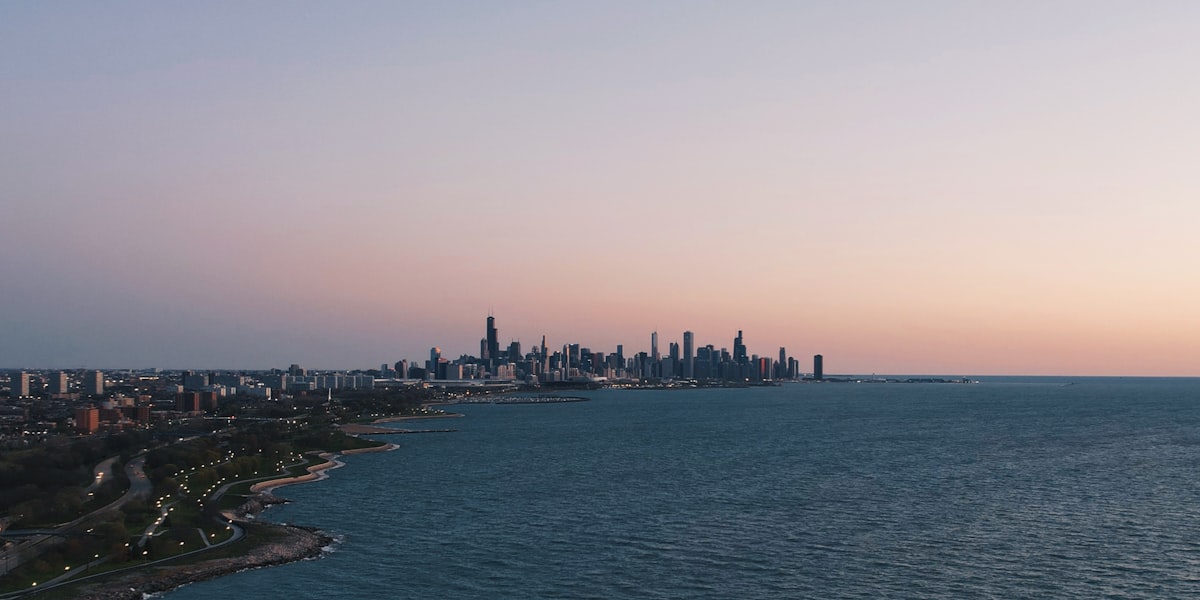
Lake Michigan acts as a natural thermostat during the hottest weeks of summer. The water remains cooler than the land surface through July and early August, generating steady onshore breezes during afternoon and evening hours. Those winds create a narrow band of milder air along the lakefront, particularly from Edgewater south through Hyde Park.

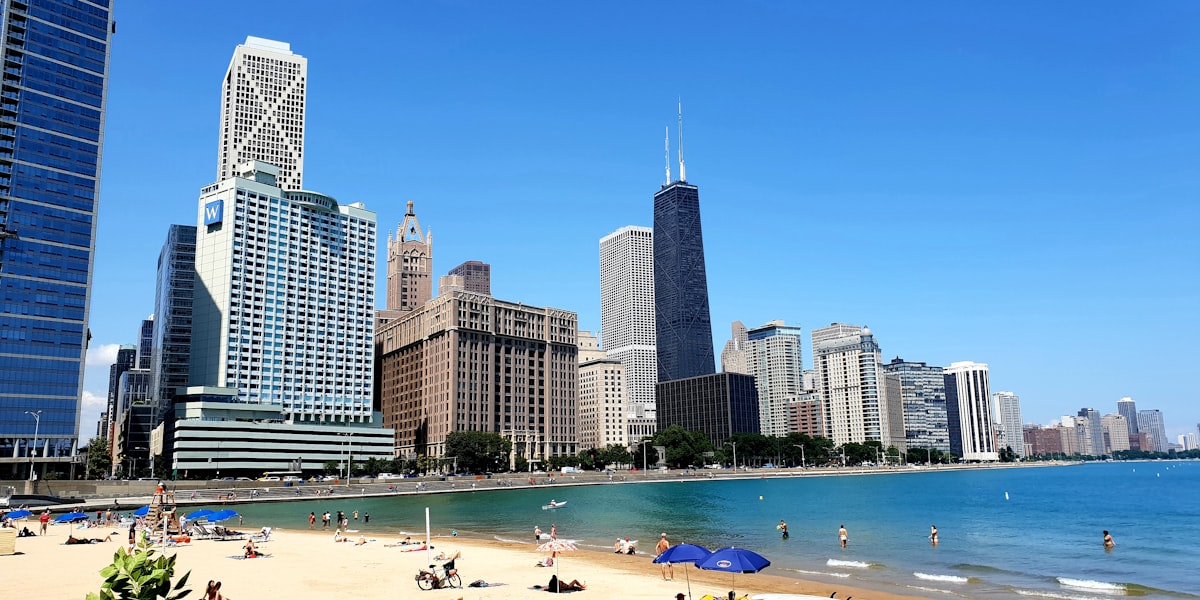
Runners who train along the Lakefront Trail or within a few blocks of the shore experience noticeably cooler conditions than those running inland. The effect weakens west of Halsted Street in most neighborhoods, where temperatures rise and breezes diminish. By late August, the lake begins to warm and loses much of its cooling power, shrinking the advantage of lakefront routes.
Temperature Gradients Across the City
The temperature difference between lakefront and inland neighborhoods becomes most pronounced in late July. A runner starting near Montrose Harbor may encounter conditions several degrees cooler than someone running the same distance in Logan Square or Pilsen. The contrast grows sharper on sunny, windless days when the lake breeze develops more slowly.
By early August, the pattern stabilizes into a predictable rhythm. Mornings start mild citywide, afternoons heat up inland while the lakefront stays temperate, and evenings cool gradually as the breeze fades. Runners learn to time their workouts around these shifts, choosing lakefront routes for midday sessions and venturing west for early morning or late evening runs.
Why Daylight Matters for Distance Training
Late July and early August offer the longest usable daylight window of the entire year. Sunrise arrives early enough for pre-work runs without requiring headlamps, and sunset pushes late enough that evening training sessions remain well-lit through their duration. This extended daylight supports the higher mileage blocks that define serious marathon and half-marathon preparation.

The natural light also improves safety and route flexibility. Runners can explore unfamiliar neighborhoods, venture onto trails in the forest preserves, or complete long runs that span multiple neighborhoods without worrying about darkness. The psychological benefit matters as much as the practical one, particularly during high-volume training weeks when motivation can flag.
Air Quality and Pollen Patterns
Chicago running weather in late July and early August benefits from a lull in pollen production and improved air quality compared to earlier summer months. Tree pollen peaks in spring, grass pollen fades by mid-July, and ragweed does not reach its peak until late August and September. The result is a brief window when allergy sufferers can train outdoors with fewer respiratory irritations.
Air quality tends to stabilize during this period as well. Early summer brings higher ozone levels and more frequent air quality alerts tied to heat and stagnant air masses. By late July, weather patterns shift toward more frequent frontal passages and northerly winds that clear out pollutants. The Environmental Protection Agency monitors daily air quality, and runners in Chicago notice fewer high-alert days during this stretch compared to June and early July.
Race Calendars and Training Cycles
The concentration of fall marathons and half-marathons drives training schedules that peak in late July and early August. The Chicago Marathon, typically held in early October, requires runners to complete their highest-mileage weeks during this period. The same holds true for those preparing for races in Milwaukee, Detroit, or other Midwest cities scheduled between late September and early November.
Training plans for these events place long runs of increasing distance through July and into August, with peak mileage weeks arriving in the final weeks of summer. Runners log their hardest workouts when Chicago running weather offers the most forgiving conditions, then taper as September brings cooler temperatures but also the start of fall weather instability.
Group runs and organized training programs follow the same calendar. The lakefront sees its highest concentrations of runners on weekend mornings in late July and early August, as clubs and informal groups tackle long routes together. The social aspect reinforces the seasonal rhythm, creating a visible surge in activity that matches the environmental sweet spot.
What Happens After Mid-August
The favorable window begins to close as August progresses. Lake water temperatures rise, reducing the cooling effect that makes lakefront routes so attractive earlier in the summer. Daylight starts to shorten noticeably, with sunset arriving several minutes earlier each week. By late August, the first hints of fall weather arrive in the form of cooler nights and occasional cold fronts that disrupt the stable summer pattern.
Runners who wait until late August to begin serious training face less predictable conditions. Morning temperatures can vary widely from day to day, humidity spikes become more frequent, and the risk of thunderstorms increases. The transition from summer to fall brings excellent running weather on individual days, but the consistency that defines late July and early August disappears.
The seasonal peak also reflects the limits of summer heat tolerance. Even with lake breezes and extended daylight, Chicago running weather in late July and August still requires careful hydration, sun protection, and attention to heat stress. Runners who push through the hottest weeks emerge fitter and better acclimated, but the window demands respect and smart pacing.
The late July and early August peak represents the intersection of training calendars, environmental conditions, and seasonal rhythms that define summer running in Chicago. The lake moderates heat, daylight extends training opportunities, and pollen levels drop just as mileage climbs, creating a brief span when outdoor conditions support the hardest work of the training season.