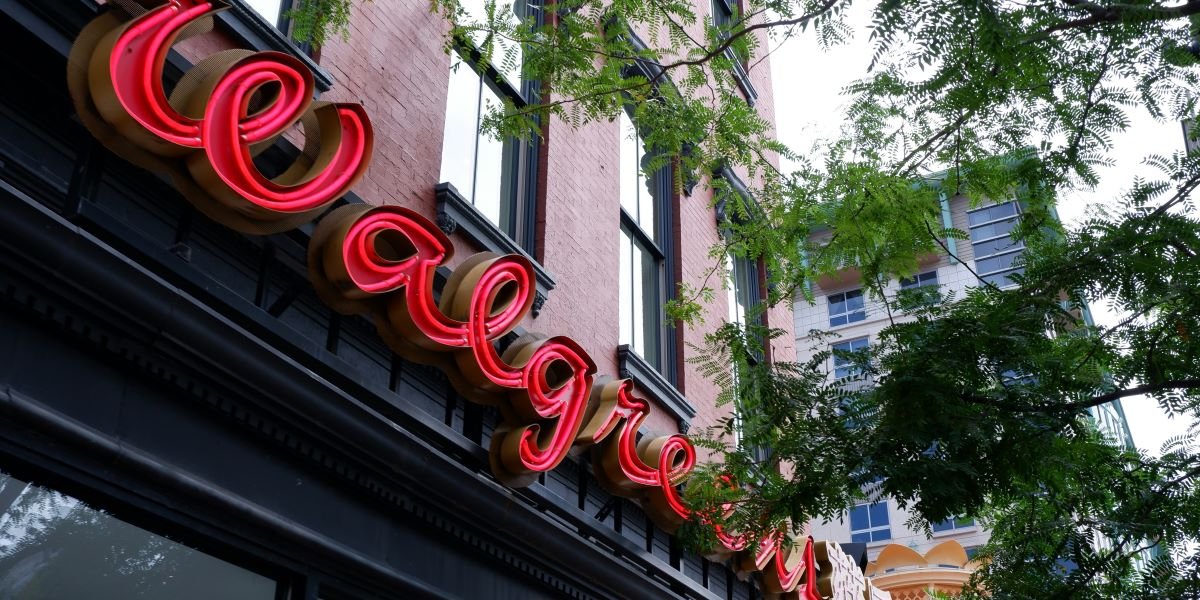
Walgreens has pulled back from Chicago on two fronts over the past year. The pharmacy chain vacated its 208,600-square-foot office at the Old Post Office near the Loop in January 2026, consolidating corporate staff to its Deerfield headquarters. On the retail side, the Chatham Walgreens at 8628 South Cottage Grove Avenue closed permanently on June 4, becoming the sixth South Side location to shut down in roughly 12 months. Sixth Ward Alderman William Hall and community leaders have framed the closures as a pattern of corporate disinvestment that is creating pharmacy deserts in predominantly Black neighborhoods where residents, particularly seniors, depend on walkable access to prescription services.
Key Takeaways
- The Walgreens at 8628 South Cottage Grove Avenue in Chatham closed permanently on June 4, 2026, after the company cited elevated theft and violent incidents at the location
- The Chatham closure is the sixth South Side Walgreens to shut down in approximately 12 months, following locations in Bronzeville, Little Village, South Shore, Chicago Lawn, and South Chicago
- Walgreens Regional Vice President Reginald Johnson said the Chatham store lost more than $1 million and described the closure as a last resort
- The nearest Walgreens to the former Chatham location is 1.3 miles away at 1616 East 87th Street; the company offered 90 days of free prescription delivery to affected patients
- Walgreens also vacated its 208,600-square-foot office at the Old Post Office in January 2026, listing the space for sublease after Sycamore Partners acquired the company in a deal valued at approximately $10 billion
Six South Side Closures in One Year Reshape the Pharmacy Map
The Chatham closure did not arrive in isolation. Five Walgreens stores on the South and West Sides closed in February 2025, covering Bronzeville, Little Village, South Shore, Chicago Lawn, and South Chicago. West Roseland lost its Walgreens in 2023. A separate location on East 71st Street closed on May 19, 2026, just weeks before the Chatham store followed. Three South Shore Walgreens closed within an 18-month window. The cumulative effect is a contraction of pharmacy access across a broad swath of the South Side, concentrated in neighborhoods where residents have fewer alternatives.
A 2022 Chicago Sun-Times analysis found that access to the two largest pharmacy chains in Chicago, Walgreens and CVS, was significantly higher in the city’s white communities than in Black or Latino areas. Of Walgreens’ more than 100 Chicago locations at the time, approximately one-third were located on the South and West Sides. Each closure since then has shifted that ratio further.
Walgreens cited “significantly higher levels of theft and violent incidents” as the reason for the Chatham closure. The company said it had made previous operating adjustments, including cutting the store’s hours from 24-hour service to closing at midnight, but that ongoing safety challenges made it unsustainable to keep the location open. Regional Vice President Reginald Johnson told residents at a May 10 town hall that the Chatham store had lost more than $1 million. He described the closure as a last resort, not a goal.
Aldermen and Residents Push Back With Calls for Reinvestment
Sixth Ward Alderman William Hall led a protest outside the Chatham Walgreens on May 4, the day the closure was announced. He was joined by Fifth Ward Alderman Desmond Yancy and community members who described the decision as one more example of corporate withdrawal from the South Side.
Hall framed the issue in blunt terms. He accused Walgreens of profiting from communities of color for decades without investing proportionally in store infrastructure, security redesigns, or staffing on the South Side. Hall pointed to how the company responded to operational challenges at locations in other parts of the city, arguing that stores serving predominantly white neighborhoods received upgraded security plans and store redesigns while South Side locations were left without comparable support before being closed.
Hall called on Walgreens to either keep the pharmacy open or invest in alternative healthcare organizations in the community. The company did not commit to either. Walgreens said prescriptions would be automatically transferred to the nearest location at 1616 East 87th Street, 1.3 miles from the closed store, and that affected patients would receive 90 days of free prescription delivery.
For residents without reliable transportation, a 1.3-mile distance to the nearest pharmacy is a meaningful barrier. Chatham has a high concentration of older residents who relied on the Cottage Grove location for walkable prescription pickup. The neighborhood had already lost a Target location, compounding the sense that essential retail services were disappearing from the community in rapid succession.
Small Pharmacies Face Pressure to Fill the Gap
Independent pharmacy operators and health consultants on the South Side have acknowledged the strain the closures are placing on remaining providers. Eryn White, a business consultant at Uptima Entrepreneur Cooperative, told CBS Chicago that smaller pharmacies are stepping in where they can, offering medical supplies, nutritional supplements, and cash-based alternatives to traditional prescription therapies. The challenge is that independent pharmacies typically lack the volume, staffing, and insurance network access that a national chain provides. Filling the prescription throughput of a closed Walgreens is not a simple substitution.
Walgreens operates more than 100 locations across Chicago and thousands more nationally. The company said in May that it expects to close fewer than 100 stores in 2026, a figure scaled back dramatically from earlier internal projections of roughly 700 closures. The reduction followed Walgreens’ transition to private ownership under Sycamore Partners, the New York-based private equity firm that completed its approximately $10 billion acquisition in 2025 and split the company into five separate operating entities. The company also said it had approved four new store openings nationally, though no South Side locations were identified among them.
The Old Post Office Exit Removes Walgreens From Downtown Chicago
The corporate retreat from Chicago extends beyond the retail closures. Walgreens vacated its office at 433 West Van Buren Street, inside the Old Post Office, in January 2026. The space spanned 208,600 square feet and had capacity for up to 1,800 employees. Walgreens was one of the first and largest tenants when the Old Post Office reopened in 2020 following a $900 million renovation of the historic Postal Service building.
CEO Greg Motz announced the exit in October 2025, describing the move as a way to streamline operations and enhance collaboration by consolidating staff at the Deerfield headquarters. The office featured modern interiors and colorful murals of Chicago neighborhoods, built out by contractor Skender. Walgreens’ retail store inside the Old Post Office remains open.
The 208,600-square-foot sublease listing became the largest single block of available downtown sublease space, adding to a central business district already contending with elevated office vacancy. CBRE data cited by Propmodo showed the downtown vacancy rate pushing into the high-20% range in 2025, with sublease inventory remaining more than 50% above pre-pandemic levels. The Walgreens space, built out and essentially plug-and-play for a new tenant, joins a crowded sublease market where tenants hold leverage and landlords are competing to attract and retain occupancy.
Pharmacy Access and Corporate Presence Contract Simultaneously
The two tracks of Walgreens’ Chicago retreat, retail and corporate, are driven by different pressures but produce a combined effect that reshapes the company’s relationship with the city. The South Side closures remove prescription access from neighborhoods where alternatives are limited. The Old Post Office exit removes hundreds of corporate jobs from the downtown office market. Together, they reduce Walgreens’ physical footprint in Chicago to its Deerfield headquarters and a shrinking network of retail stores weighted toward the North Side and suburbs.
Walgreens has maintained that retail pharmacy remains central to its strategy and that closures are a last resort. The company has not announced plans to open new locations on the South Side. For residents in Chatham and the surrounding neighborhoods, the transition from a walkable pharmacy to a 1.3-mile trip and a 90-day delivery window represents a tangible reduction in daily access to healthcare services. The gap left behind is one that smaller operators and community health organizations are working to address, but the scale of the need outpaces the resources currently available to meet it.
FAQs
Why did Walgreens close the Chatham location?
Walgreens cited “significantly higher levels of theft and violent incidents” at the 8628 South Cottage Grove Avenue store. Regional Vice President Reginald Johnson said the store lost more than $1 million and described the closure as a last resort after previous operating adjustments failed to resolve ongoing safety challenges.
Where is the nearest Walgreens to the former Chatham store?
The nearest Walgreens is located at 1616 East 87th Street, approximately 1.3 miles from the closed Chatham location. Walgreens said prescriptions would be automatically transferred and offered 90 days of free prescription delivery to affected patients.
How many Walgreens stores have closed on Chicago’s South Side recently?
The Chatham closure on June 4, 2026, was the sixth South Side Walgreens to close in approximately 12 months. Previous closures included locations in Bronzeville, Little Village, South Shore, Chicago Lawn, and South Chicago in February 2025, plus West Roseland in 2023 and an East 71st Street location on May 19, 2026.
Why did Walgreens leave the Old Post Office?
Walgreens vacated its 208,600-square-foot office at the Old Post Office in January 2026 to consolidate staff at its Deerfield, Illinois, headquarters. CEO Greg Motz said the move was intended to streamline operations following Sycamore Partners’ approximately $10 billion acquisition of the company in 2025.