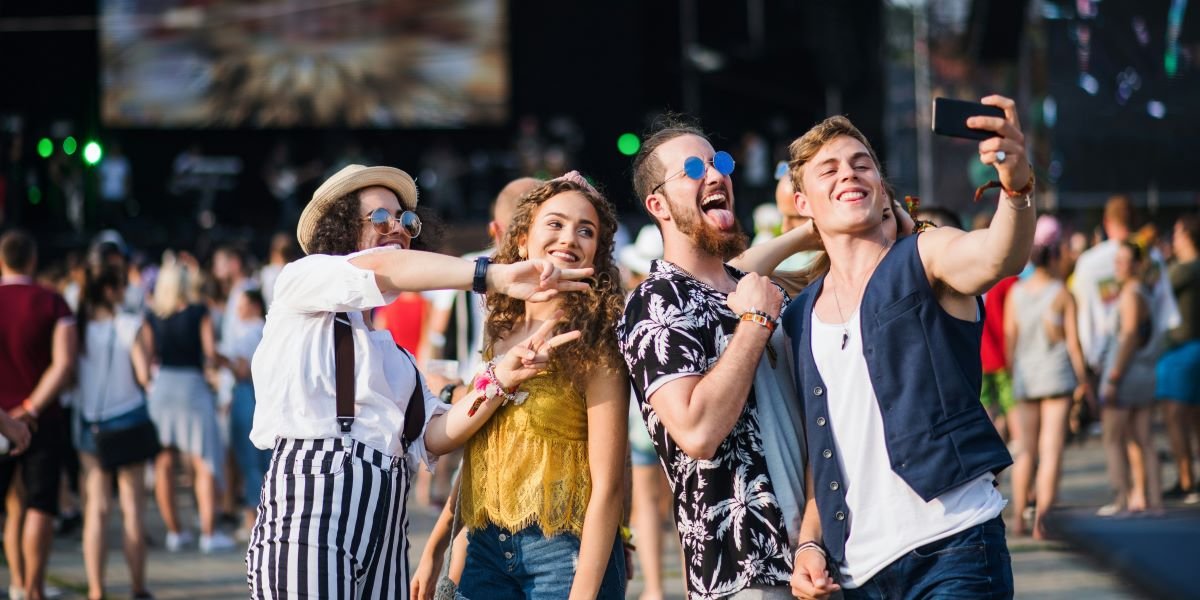
Lollapalooza 2026 opened at Grant Park on Thursday, July 30, launching a four-day run through Sunday, August 2, that features more than 170 musical acts across eight stages and marks the first time in the festival’s 35-year history that every premier top-billing headliner slot is held by a female artist. Charli XCX, Lorde, Olivia Dean, Jennie, Tate McRae, and Doja Cat anchor a lineup that reflects a deliberate shift in how one of the world’s largest music festivals programs its most visible performance slots, while The Smashing Pumpkins’ Friday headline set delivers a hometown moment that connects the festival back to its Chicago roots.
- Lollapalooza 2026 runs July 30 through August 2 at Grant Park with 170+ acts across eight stages
- For the first time, all premier top-billing headliner slots are held by female artists: Charli XCX, Lorde, Olivia Dean, Jennie, Tate McRae, and Doja Cat
- The Smashing Pumpkins headline Friday, July 31, in a hometown return; John Summit and The xx round out the headliner roster
- Metra is running extra trains on seven of 11 lines with added railcars; CTA extended Yellow Line service until 1 a.m. each night
- Chicago’s Office of Emergency Management coordinated safety planning with CPD, CFD, and the Chicago Park District; weather shelters are staged at Grant Park garages along Michigan Avenue
- The festival draws hundreds of thousands of attendees and generates significant economic impact for the Loop, South Loop, and surrounding hospitality sectors
The Lineup and What the All Female Top Billing Represents
Lollapalooza 2026’s daily lineup distributes its headliners across each of the four nights in a structure designed to sustain attendance throughout the full weekend. Thursday opened with Lorde and John Summit, alongside performances from Empire of the Sun, Wet Leg, Little Simz, Blood Orange, and 5 Seconds of Summer. Friday’s bill is anchored by Charli XCX and The Smashing Pumpkins, with Lil Uzi Vert, Zara Larsson, Major Lazer, YUNGBLUD, and Mustard filling the undercard. Saturday features Olivia Dean and Jennie, joined by The Neighbourhood, Ethel Cain, Clipse, and Leon Thomas. Sunday closes the festival with Doja Cat and Cage The Elephant, alongside Tate McRae and The xx.
The all-female top billing is not a cosmetic gesture layered onto an otherwise unchanged programming structure. It reflects a shift in how Lollapalooza is positioning its commercial headliners relative to the artists who are driving ticket sales and streaming numbers across the broader music industry. Charli XCX, Doja Cat, Lorde, and Tate McRae each carry arena-headliner demand independently, and the decision to slot all of them into the premier positions acknowledges that the commercial center of gravity in popular music has moved. The festival’s undercard reinforces the diversity of the programming, spanning electronic, hip-hop, indie rock, K-pop, and Latin genres across a roster that draws from more than a dozen countries.
The Smashing Pumpkins and the Chicago Connection
The Smashing Pumpkins’ Friday headlining set carries a dimension that no out-of-town act can replicate. Billy Corgan formed the band in Chicago in 1988, and the group’s trajectory from the city’s alternative rock scene to global stadium tours parallels the arc of Lollapalooza itself. Perry Farrell founded the festival in 1991 as a touring showcase for alternative music, and the Pumpkins were part of the cultural ecosystem that gave the festival its early identity. The band’s return to headline Grant Park connects the 2026 edition to the festival’s origin story in a way that resonates with longtime Chicago music audiences.
John Summit’s inclusion in the headliner tier adds another local layer. The Chicago-born electronic producer and DJ has built a global following while maintaining deep ties to the city’s house music lineage, a genre that originated in Chicago’s South Side clubs in the 1980s. Summit’s Thursday night set positions Chicago’s own electronic music heritage alongside the pop, rock, and hip-hop acts that dominate the festival’s broader programming.
Transit, Safety, and the City’s Operational Footprint
Moving hundreds of thousands of people into and out of Grant Park over four days requires coordination across every layer of Chicago’s transit and emergency infrastructure. Metra announced expanded service on seven of its 11 lines for the Lollapalooza weekend, adding railcars to accommodate the anticipated surge in ridership. The CTA extended Yellow Line service until 1 a.m. each night and identified multiple bus routes connecting Metra stations at Chicago Union Station and Ogilvie Transportation Center with Grant Park, including the No. 126 Jackson, No. 130 Museum Campus, and No. 151 Sheridan lines from Union Station.
On the safety side, Chicago’s Office of Emergency Management and Communications coordinated planning with the Chicago Police Department, the Chicago Fire Department, and the Chicago Park District. Emergency evacuation shelter sites are positioned at the Grant Park North, Grant Park South, and Millennium Lakeside Garages, accessible through vehicle entrances on Michigan Avenue. The staging of weather shelters reflects lessons learned from previous Lollapalooza editions where sudden storms forced evacuations, and the forecast for the 2026 weekend includes possible rain on Saturday and Sunday.
The operational footprint extends beyond the festival gates. Traffic management affects commuters across the Loop, and the concentration of foot traffic along Michigan Avenue, Columbus Drive, and surrounding streets reshapes pedestrian and vehicle flow patterns for the full four-day period. Chicago’s Office of Emergency Management noted that roughly 200 traffic aides are deployed across the downtown area, and two aides were seriously injured by drivers earlier this summer, an occupational hazard that underscores the physical demands of managing a festival of this scale in an active urban core.
Economic Impact and the Hospitality Sector
Lollapalooza’s economic contribution to Chicago extends well beyond ticket revenue. The festival draws attendees from across the country and internationally, filling hotel rooms, restaurants, bars, and retail establishments across the Loop, South Loop, West Loop, and River North neighborhoods for a full week when pre-festival arrivals and post-festival departures are factored in. The concentration of spending across hospitality, transportation, and food service during the final weekend of July has made Lollapalooza one of the city’s anchor tourism events alongside the Chicago Air and Water Show and the marathon.
For the businesses operating within the festival’s immediate economic radius, the four-day window represents a peak revenue period that some establishments plan around months in advance. Restaurants along Michigan Avenue and in the South Loop adjust staffing, inventory, and hours to capture the influx of foot traffic that accompanies the festival. Hotels across downtown Chicago report elevated occupancy rates for the Lollapalooza weekend, with pricing reflecting the demand premium that a 170-act festival generates in a concentrated geographic area.
What Attendees Should Know for the Remaining Days
Festival gates open at 11 a.m. each day and close at 10 p.m. Attendees should review the official daily schedule in advance, as multiple performances run simultaneously across the eight stages and moving between stages through Grant Park takes time, particularly during the late-afternoon and evening hours when crowds build around headlining acts. The festival’s bag policy and entry procedures are published on the official Lollapalooza site, and organizers recommend arriving early to minimize wait times at security checkpoints.
Weather remains a variable for the remaining days. Saturday and Sunday carry higher rain probabilities than the first two days of the festival, and attendees should monitor forecasts and be aware of the evacuation shelter locations along Michigan Avenue. The festival has a history of weather-related pauses, and Grant Park’s open layout means there is limited natural shelter within the festival footprint itself. The staged garage shelters are the designated safe zones if conditions deteriorate.
For a festival that began as Perry Farrell’s touring alternative rock experiment in 1991, Lollapalooza’s 2026 edition at Grant Park represents both the scale the event has reached and the cultural shifts it now reflects. The all-female top billing is a first, The Smashing Pumpkins’ hometown set is a bridge to the festival’s origins, and the 170-act lineup across eight stages is a reminder that for one weekend each summer, Grant Park transforms into one of the largest live music stages on the planet, and Chicago is the city that makes it work.
FAQs
When Is Lollapalooza 2026 and Where Is It Held?
Lollapalooza 2026 runs from Thursday, July 30, through Sunday, August 2, at Grant Park in downtown Chicago. Festival gates open at 11 a.m. and close at 10 p.m. each day. The festival features more than 170 acts performing across eight stages.
Who Are the Lollapalooza 2026 Headliners?
The 2026 headliners include Charli XCX, Lorde, Olivia Dean, Jennie, Tate McRae, Doja Cat, The Smashing Pumpkins, John Summit, Cage The Elephant, and The xx. For the first time in festival history, all premier top-billing slots are held by female artists. The Smashing Pumpkins headline Friday in a hometown return to Chicago.
How Should Attendees Get to Lollapalooza?
Metra is running extra trains on seven of its 11 lines with added railcars for the festival weekend. CTA extended Yellow Line service until 1 a.m. each night. Multiple bus routes connect Metra stations at Union Station and Ogilvie Transportation Center with Grant Park, including the No. 126 Jackson, No. 130 Museum Campus, and No. 151 Sheridan lines. Emergency weather shelters are staged at Grant Park North, Grant Park South, and Millennium Lakeside Garages along Michigan Avenue.