
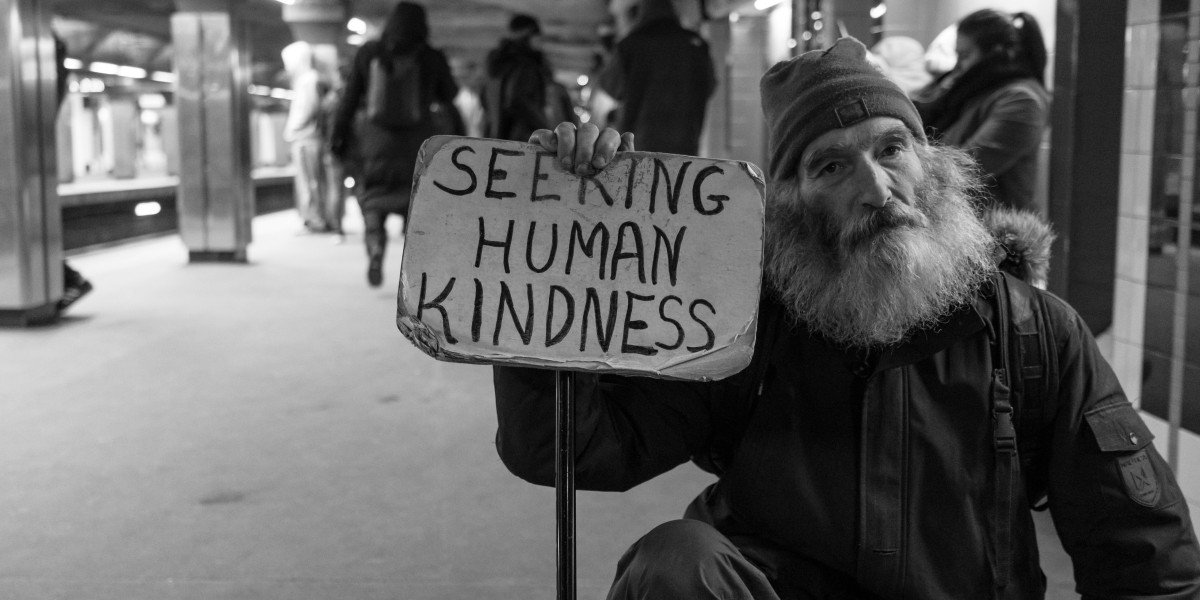
A federal judge has blocked a proposed overhaul of homelessness funding by the U.S. Department of Housing and Urban Development, halting a rule that advocates warned could have pushed tens of thousands of households nationwide back into homelessness, including thousands in the Chicago area.
The injunction prevents HUD from enforcing a policy that would have capped permanent housing programs at 30 % of federal homelessness funding, sharply reducing support for long-term housing solutions. Housing experts and service providers argued the change would have disproportionately affected cities like Chicago, where permanent supportive housing plays a central role in keeping people off the streets.
Under the blocked rule, communities would have been required to shift more funding toward short-term or transitional programs, even in regions with severe housing shortages. Critics said the approach ignored decades of evidence showing that stable housing is the most effective foundation for addressing homelessness.
“This decision protects housing-first programs that are already under strain,” said housing advocates, noting that Chicago relies heavily on permanent housing subsidies to serve individuals, families, and people with disabilities experiencing chronic homelessness.
Housing-first models prioritize placing people into stable housing before addressing employment, health care, or substance use challenges. Local providers warned that limiting these programs would have led to higher shelter demand, increased street homelessness, and greater pressure on emergency services, particularly during the winter months.
The ruling comes at a critical moment for Chicago, where homelessness remains a persistent issue amid rising rents, limited affordable housing supply, and growing demand for shelter and support services. City officials have cautioned that even modest funding disruptions can ripple quickly through the system, leading to longer shelter stays and fewer exits into permanent housing.
HUD has not indicated whether it will appeal the decision. For now, housing advocates say the ruling offers temporary stability but does not resolve broader concerns about federal funding priorities and long-term housing investment.
As Chicago enters another year of tight housing conditions, the court’s decision is being viewed locally as a crucial pause, allowing existing homelessness programs to continue operating without sudden cuts that could have reversed recent progress.