Technology moves fast. New tools, platforms, and trends appear almost every year. But while many companies focus only on what is happening now, few take the time to understand how things evolve over the long term. This is where SlashData stands out.
Founded in 2005, SlashData has spent more than two decades studying software developers. While others chase headlines, the company focuses on something more stable: data collected over time and actionable insights. This long-term approach allows them to see patterns that others might miss.
Developers are often the first to adopt new technologies. By studying their behavior, SlashData can understand where the industry is heading before those trends become obvious to everyone else.
Why Developers Hold the Key to the Future
Most people think about technology from the user’s point of view. But the real drivers of technology and those who set the trends are the developers behind every app, platform, or service, making decisions about tools, languages, and systems. These decisions shape the direction of the entire tech industry.
SlashData believes that developers are not just users of technology, they are its builders and early adopters. When developers start using a new tool or shifting their preferences, it often signals a bigger change ahead.
By focusing on developers, SlashData provides insights that go deeper than surface-level trends. It helps companies understand not just what is popular, but why it is becoming popular.
Building One of the Richest Developer Datasets
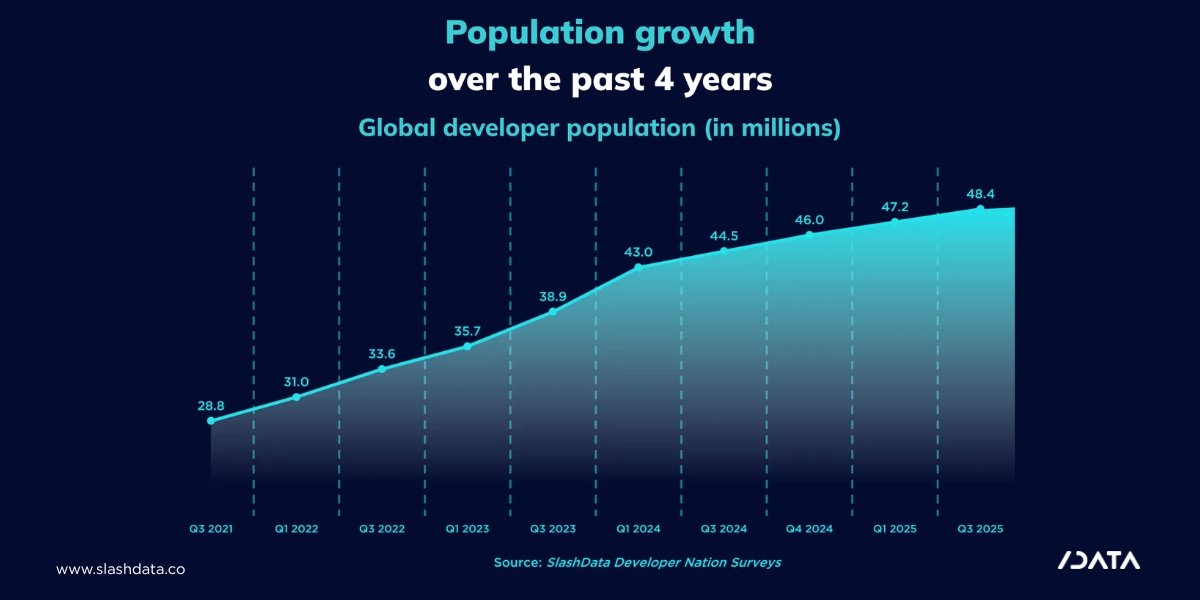
Over the years, SlashData has built a large and detailed dataset based on independent, recurring surveys and research. This dataset spans more than 20 years, making it one of the most comprehensive sources of developer insights available.
Collecting data is only part of the process. What makes SlashData different is how seriously it treats data quality. The company uses strict methods to ensure that responses are accurate and reliable. This includes filtering out low-quality or rushed answers and carefully designing surveys to get meaningful results.
This focus on quality is important. In today’s world, there is a lot of data, but not all of it can be trusted. SlashData’s approach helps companies rely on insights that are based on solid evidence.
Turning Data into Real Decisions
Data on its own is not enough. What matters is how it is used. SlashData works closely with companies to turn insights into actions. This could mean helping a company decide which features to build, which markets to enter, or how to improve engagement with developers.
Many of the world’s leading technology companies have worked with SlashData, including Google, Microsoft, and Salesforce. These companies rely on data to guide important decisions, and SlashData provides the clarity they need.
The process usually starts with understanding the client’s problem. From there, SlashData designs research that answers specific questions. The result is not just information, but guidance that can be used in real-world situations.
Helping Companies Navigate the AI Era
The rise of artificial intelligence has made the technology landscape even more complex. There are new tools, new platforms, and new ways of working. For many companies, it can be difficult to know where to focus.
SlashData helps cut through this complexity. By studying how developers are adopting AI tools, the company can identify which trends are real and which are just hype. This allows businesses to make smarter decisions about where to invest their time and resources.
For example, understanding which AI coding tools developers prefer can help companies choose the right platforms. It can also guide product development and marketing strategies.
What’s Next?
After more than 20 years, SlashData continues to focus on the future. The company’s goal is not just to understand what is happening today, but to predict what will happen next.
By combining long-term data with careful analysis, SlashData helps companies stay ahead of change. In a world where technology evolves quickly, this kind of insight is more valuable than ever.