
Chicago’s transportation system is a primary engine for the city’s economic and physical expansion. By integrating an extensive rail network, two major international airports, and a growing cycling infrastructure, the city provides the connectivity needed for businesses to thrive and residents to access opportunities. This multimodal approach reduces congestion, lowers transit costs for families, and attracts global investment, solidifying Chicago’s role as a central hub for North American commerce.
The Power of the Rail Network
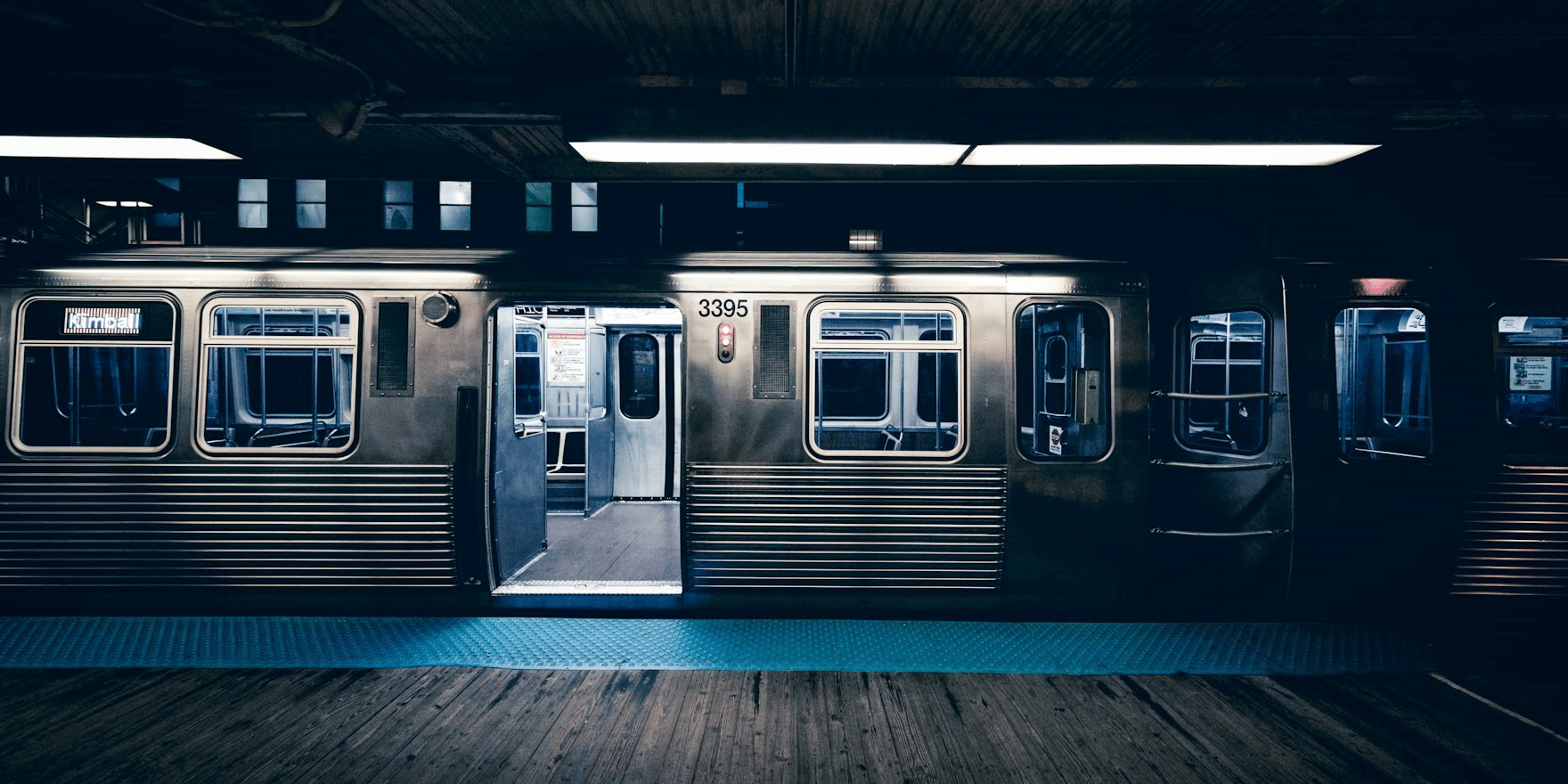
Chicago’s rail system, often called the “L,” is more than just a way to get around. It is a vital part of how the city grows. In 2025, the regional transit system, which includes the CTA, Metra, and Pace, reached a total of 373.5 million rides. This was an increase of 12.3 million rides compared to 2024. To put that in perspective, that growth alone is like adding the entire annual ridership of a city like Kansas City to Chicago’s network in just one year.
Specifically, the CTA rail system saw 135.2 million rides in 2025, which is a 6% jump from the year before. Buses also played a huge role, carrying 184 million passengers. These numbers show that people are returning to public transit in large numbers. Nora Leerhsen, the Acting President of the CTA, recently spoke about this progress. She said, “This budget builds upon the tremendous progress we’ve made over the past year, and sets us on a path towards continued growth.” Her words reflect a new sense of stability for the system as it moves into 2026 with a balanced budget of $2.23 billion.
A Gateway to the World
While the trains and buses move people within the city, O’Hare and Midway airports connect Chicago to the rest of the planet. O’Hare is currently undergoing a massive transformation called ORDNext. One of the most exciting parts of this project is the new Concourse D. This $1.3 billion expansion will add 19 new gates and is designed to handle both small and large aircraft.
O’Hare is not just for travelers, it is a massive freight hub too. The airport handles about 2 million metric tonnes of cargo every year. This makes Chicago a flagship for freight in the United States. When a business chooses to open an office in Chicago, they often look at how easily they can reach international markets. The constant flow of people and goods through these airports ensures that Chicago remains a top choice for global companies.
The Economic Ripple Effect
Investing in transportation does more than just fix tracks or pave roads, it creates wealth. Data from the Regional Transportation Authority shows that for every $1 invested in transit, the region sees $4 in economic returns. This happens through business growth and higher property values near stations.
This concept is known as Transit-Oriented Development. The city is focusing on building housing and shops within a ten-minute walk of rail stations. For example, new apartment buildings are popping up along the Blue Line and the Red Line. These projects allow people to live without needing a car, which saves them money and reduces traffic for everyone else. Lester Barclay, the Chairman of the Chicago Transit Board, noted the importance of this mission. He explained that the goal is to deliver a transformational service that the region has never experienced before.
Modernizing for Everyone
A great transportation system must be accessible to everyone. Currently, 108 out of 146 rail stations in Chicago are fully accessible to people using mobility devices. The city is working hard to reach 100% through its All Stations Accessibility Plan. In late 2025, four major stations on the Red Line—Lawrence, Argyle, Berwyn, and Bryn Mawr—were rebuilt and reopened with modern features.
The city is also updating its fleet. Plans for 2026 include buying up to 446 new railcars and over 200 new buses. Many of these new buses will be electric or zero-emission models. This move helps the environment and makes the ride quieter and smoother for passengers. By focusing on these details, Chicago is making sure that its growth is sustainable and fair for all neighborhoods.
The success of Chicago’s transportation system comes from its ability to adapt. Whether it is through the new Northern Illinois Transit Authority Act, which provides more funding, or the launch of a Regional Day Pass that works across all transit agencies, the focus is on the rider.
When a city is easy to navigate, it becomes a better place to live and work. The growth seen in 2025 and the projects planned for 2026 suggest that Chicago will continue to be a leader in how a modern city moves. By keeping the system reliable and expanding its reach, Chicago is not just moving people, it is moving the entire regional economy forward.