The Chicago Journal

Suitcase: The Story of an Immigrant and His Unwavering Commitment to Succeed

Americans have long believed in the potential of the immigrant experience, which is reflected in the story of “Suitcase”, a true and inspiring story of one man’s American dream. Born and raised in India, the author of Suitcase arrived in America with only a suitcase filled with extraordinary dreams for himself, his family, and the entire world. Through hard work, focus, dedication, and a positive attitude, he was able to make his dreams a reality.

The story of Suitcase goes beyond the successes of his professional life, his daughter’s education, and his financial success. It also reveals his passion for politics, voting rights, racism, diversity, women’s rights, LGBT issues, climate change, and helping the poor and needy. To make the book worthy of the reader’s time, the author put in 12 years of literary work to produce a volume reflecting his story and message. The book also includes a photo gallery of the author’s journey.

A suitcase is a powerful reminder of what immigrants worldwide can achieve when they set their minds and hearts to it. It is an inspiring tale of determination, hard work, and belief in one’s own potential, no matter how difficult the circumstances. This book is sure to be an inspiration to all who read it.

This man’s journey is told through twelve years of literary work, culminating in a book filled with anecdotes and insights from his experiences. At the end of the book, readers can explore a photo gallery that captures more of the man’s journey and paints a vivid picture of his inspiring story. Not only does this story show the power of hard work and determination, but it also serves as a reminder that dreams can come true regardless of one’s financial or social circumstances. This book will surely be an inspiring read for anyone who wants to pursue their dreams and believes in the American Dream.

Written by this extraordinary immigrant, the book seeks to share the lessons he has learned in his life and career. It goes beyond the milestones achieved in his professional life, career, daughter’s education, and financial success.This Platform of Success in life,Meet the challenges  and courage to change has been revealed in the book. 

The twelve years he took of literary work to complete the book contains elements of success that can be applied to everyone’s life today. It also includes a photo gallery at the end of the book is worth The author has served as the President of the India Association of Greater Boston from 1984-85, supported Affordable Care Act 2010, generated 100 million in revenues with his teams in pharmaceutical companies, and was a member of Massachusetts Business Oversight committee in 1985. 

The Suitcase is more than just a memoir of an ordinary immigrant with a humble suitcase; it’s a testament to the power of determination and hard work. The story showcases how a single individual can make a difference in the world and how achieving one’s goals can help bring about broader change. Along with an inspiring narrative, the book provides tangible advice on how to succeed in business, career and education, along with a photo gallery at the end. In addition, the book highlights the importance of defending democracy, fighting for voting rights, diversity, women’s rights, LGBT rights, climate change, and helping the poor and hungry. By overcoming obstacles and achieving his own dreams, the author of Suitcase has been able to make a real contribution to society and has been successful in his role as President of the India Association of Greater Boston (1984-85), a member of the Massachusetts Business Oversight Committee (1985), and the First Vice President of the Hopkinton Lions Club since 2019 . His twelve years of literary work are a testament to his dedication and determination to create something of value for readers. The Suitcase is genuinely a story of the American Dream in action.

The Suitcase is a heartwarming and inspiring story of an ordinary man who immigrated to America with nothing but a suitcase. This book uncovers the journey of a man who strived to achieve his dreams and those of his family through hard work, determination, and a positive attitude. Through his story, readers will learn advice that can be applied to their own lives and inspiring stories of success in politics, business, and education. The Suitcase also includes a beautiful photo gallery of the immigrant’s journey, reminding him how far he’s come.

All in All

A suitcase is a true and inspiring American Dream story about an ordinary man who came to the United States with only a suitcase and extraordinary dreams. It chronicles this man’s journey as he persevered through many challenges, difficulties and failures to achieve his goals. Along the way, he discovers many lessons that can be applied to everyone’s life today, from his focus on hard work, positive attitude and determination, to his passion for defending democracy, voting rights, racism, diversity, women’s rights, LGBT rights, climate change and helping the poor and feeding the hungry. The Suitcase is a must-read for anyone who wants to learn from an extraordinary individual’s life journey and be inspired to achieve their goals.

Suitcase is available on  Amazon Kindle  ebook $9.99  Paperback $ 17.99 and 

Hard cover $ 27.29. The readers can order the book by clicking the link below .

Check this out!
https://a.co/d/iHcDehh

Navigating the World of U.S. Infrastructure Private Equity: Interview with Riddhish Rege

Infrastructure stands as the silent guardian of our modern society, orchestrating the delicate dance of our daily routines and powering the metropolises in which we live. Yet, behind the scenes of this vast network, there’s a fascinating interplay of finance and strategy, primarily steered by the world of Infrastructure Private Equity. To shed light on this intricate domain, we sit down with Mr. Riddhish Rege, a luminary in the sector, to delve into the past, present, and future of U.S. Infrastructure Private Equity. This conversation promises to be an enlightening journey, offering a rare window into the forces molding the very framework of our urban existence.

The Chicago Journal: Welcome, Mr. Rege. Could you give our readers an introduction about yourself?

Riddhish Rege: Thank you for having me. I am an Infrastructure Private Equity professional based out of New York, focused on investing and asset managing Infrastructure investments across the U.S. Over the past decade, I have been deeply involved in the U.S. Power and Infrastructure sectors through M&A, Capital Markets, and more. I started this journey as an Investment Banker and working with reputable institutions like TD and J.P. Morgan.

The Chicago Journal: That’s an impressive track record. How did you get into Private Equity?

Riddhish Rege: It was a natural progression for me. I originally started my career as a public accountant based out of Mumbai, India, auditing large scale infrastructure projects that got me interested in the sector. After my graduate education at Brandeis, I joined J.P. Morgan as an Investment Banker focusing on credit underwriting to the Power & Utilities and the Hedge Fund Industry and slowly started working on a whole gamut of financial transactions such as restructuring, M&A, capital markets. Having worked on a great deal of transactions, I realized the transformative power and actual change I could execute by being an Investor and helping shape the direction of portfolio companies and Private Equity felt like the best fit for me, especially in sectors like Infrastructure that need long-term investment and vision. The chance to play a role in shaping the future of U.S. infrastructure was too good to pass up.

The Chicago Journal: For those unfamiliar, could you explain what Infrastructure Private Equity is? And how does it fit into the Infrastructure Landscape?

Riddhish Rege: Certainly. Infrastructure Private Equity refers to investments made in infrastructure assets or companies, typically with a long-term horizon. Unlike traditional Private Equity, which often targets a broad array of companies in various sectors, Infrastructure Private Equity targets essential infrastructure like transportation (airports, toll roads), utilities (power, gas, water), communications and renewable energy. It’s an essential part of the infrastructure landscape because it provides the critical capital needed to upgrade, maintain, or even build new projects. Think of it as the financial muscle that pushes many of such projects you see around.

The Chicago Journal: How are Infrastructure Businesses run, and why are they so critical to everyday life?

Riddhish Rege: Infrastructure businesses are the backbone of our modern society. They provide essential services like power, transportation, water, and more. They are run with a focus on long-term sustainability, reliability, and public service. Without them, our daily lives would come to a standstill—no electricity, no clean water, no transport. Their importance cannot be overstated.

The Chicago Journal: What do you believe makes Infrastructure an attractive asset class for private investors?

Riddhish Rege: Several factors make Infrastructure an alluring investment for private capital such as stability and predictability of cash flows backed by regulations and long-term contracts, Inflation-hedge as essential services are sticky in nature i.e. customers will always need and be willing to pay for such assets, high capital and regulatory constraints making it a difficult sector for everyone to enter and finally having the ability to partake in the impact created by such infrastructure projects on society and communities around which they are built

The Chicago Journal: Given their significance, how does the government support such companies in building out Infrastructure?

Riddhish Rege: The government plays a pivotal role through various legislations and policies. For instance, the Infrastructure Investment and Jobs Act of 2021 and the recent Inflation Reduction Act of 2022 have laid the groundwork for increased investment in Infrastructure. These acts provide financial support, create a conducive environment for investments, and ensure smoother regulatory processes. Asides from the Federal level, State and Local level agencies, regulators, and organizations play a greater role in the execution of the larger vision. More so that one could imagine, as they are best placed to draft suitable policies, approve or deny mandates, disburse funds for grants or reimbursements and maintain long-term plans for their jurisdictions. A company’s success is very much dependent on how the local body sets its rules and executes on them. 

The Chicago Journal: And what is the final outcome that these companies aim to achieve?

Riddhish Rege: The ultimate goal is multifaceted. It’s about providing reliable and efficient services to the public, creating jobs, ensuring a sustainable and green future, while at the same time offering returns to investors. In essence, infrastructure companies aim to lessen the burden of construction, operation and management of local infrastructure from the government and help hopefully help build top-notch projects.

The Chicago Journal: With your deep insights, what are you currently observing in the market?

Riddhish Rege: The U.S. infrastructure space is witnessing a transformative phase. There’s an increasing emphasis on green and sustainable projects, and technology is playing a pivotal role in modernizing existing assets. Private equity, with its long-term vision, is perfectly positioned to leverage these trends.

The Chicago Journal: Lastly, how do you view the evolution of Infrastructure Private Equity as an Asset Class going forward?

Riddhish Rege: Infrastructure Private Equity is poised for significant growth. The ever-increasing need for modern Infrastructure, coupled with government support and the push for sustainability, means there’s a tremendous opportunity. Additionally, Infrastructure Private Equity can free up government resources, which would otherwise be funded by government debt, which is at historical levels. I believe we’ll see even more innovation, collaboration, and investment in this sector in the coming years as the government opens up for P3 projects. Finally, I believe we will also see more integration of technology and infrastructure being more tech-savvy.

The Chicago Journal: Thank you, Mr. Rege, for sharing your valuable insights with us today.

Riddhish Rege: It was a pleasure. Thank you for having me.

Lisa Doggett, MD, Goes from Doctor to Patient with Four Little Words

Lisa Doggett is a family doctor living in Austin, Texas. Her story is one of triumph and hope in the face of a frightening diagnosis. Nicholas Alexander caught up with Dr. Doggett recently, and she shared her experience with us. Get ready to be inspired. 

Nicholas Alexander: Tell us about yourself, including when you were diagnosed with MS and how that happened.

Lisa Doggett:  I’m a family doctor, a mom of two girls, and a native Texan. I’m married to a pediatric hospital doctor, and we live in Austin, where I was born and raised. I grew up in a family where public service is a way of life. I am passionate about improving healthcare for vulnerable populations and helping people with chronic conditions live their best lives. My own diagnosis with MS happened in 2009 when I woke up dizzy, didn’t get better and started getting new symptoms. I got an MRI showing probable MS, which was confirmed later with a spinal tap.

Alexander:   You recently wrote a book called, Up the Down Escalator. What is this book about?

Doggett:  This memoir is about my transformation from doctor to patient while I was directing a clinic for underserved and uninsured patients near downtown Austin. Before my diagnosis, I already was overwhelmed taking care of patients who struggled with major difficulties – health challenges and also a lack of resources. I had a patient with bats in her apartment. I had a patient who couldn’t pay $4 to refill his anxiety medicine. I never expected to get sick myself, esp. with a condition like MS, a chronic neurologic disease that is a leading cause of disability in young adults. This book is about my journey coming to terms with the illness and about the insights I gained on the frontlines of the messy and dysfunctional US healthcare system. 

Lisa Doggett

Sourced photo

Alexander:  Why did you decide to write it?

Doggett:  My diagnosis was a huge shock. I had two kids under five and a really challenging job. I was a health nut, and I never expected to get sick. I’m a planner, and I’m ambitious, but suddenly I faced a life sentence with a chronic disease. Writing this book was really a self-indulgent exercise – it was a way for me to process what happened. I’ve always written in a journal – I started writing every day at age 11, and I’ve only missed about 5-6 days since. It was therapeutic for me to tear apart my experience with MS and put the pieces back together. Of course, I also wrote it to help others dealing with a tough medical diagnosis and those who care for them. I hope they can find some validation and some ideas about how to think about their experience that may be helpful. Finally, I wrote this for my patients, many of whom struggled with conditions and circumstances far worse than mine. I wanted to shine a light on the extraordinary health disparities in this country and challenge our leaders and elected officials to prioritize true universal health coverage and health access.

Alexander: For many people with MS or other health conditions, it can be hard to open up and share their diagnosis with others. How have you navigated telling people that you have MS?

Doggett:  I’m obviously not secretive. I mean, I wrote a memoir! I started telling people almost right away after my diagnosis, and I found it helpful to share my story, to share the burden. I realize not everyone can do that. Diseases like MS still carry a stigma with some people, and it can impact peoples’ careers and friendships. But I was fortunate to get support from friends and coworkers who really stepped up to help. When I’ve changed jobs or met new people, sometimes I’ve had to think a little harder about if, when and how to share that I have MS. I’ve varied my approach, depending on the situation, but in almost every instance, I’ve received a supportive response and been glad I was able to be vulnerable and authentic with sharing this part of myself.
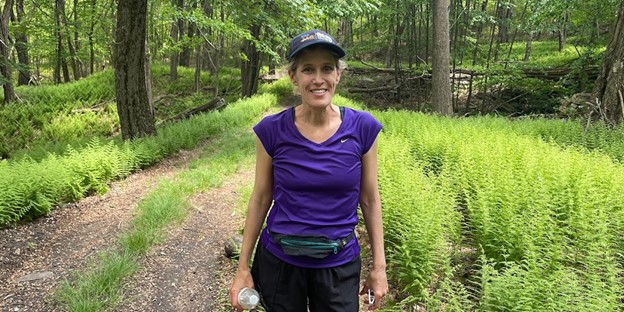
Lisa Doggett

Sourced photo

Alexander:   What was your darkest moment during your initial struggles with MS symptoms?

Doggett:  There were two very dark moments. One was just before my diagnosis when I thought I had a brain tumor. I had never personally diagnosed anyone with MS, and that diagnostic possibility just never occurred to me, though now it seems obvious. I couldn’t explain my symptoms, and I really thought a brain tumor was the only thing that made sense. The second awful period was after my spinal tap, which was done to confirm my diagnosis. I got very sick. Looking back, I don’t even think it was the spinal tap that made me sick, but I was completely incapacitated for several days, and I didn’t know if I would ever recover. Both incidents were particularly difficult because my kids were so little. I didn’t know if I would be able to take care of them. It just really amped up the level of concern I had for my own health and well-being.

Alexander:  How has MS affected your relationship with your patients?

Doggett:  I think MS has granted me a new level of empathy and understanding with patients that I didn’t have before I got sick. I know on a very personal level what it’s like to have scary symptoms, to undergo a diagnostic work-up, wondering what you’ll find, and then to hear that you’re suddenly stuck with a chronic illness that will forever change your life. After my diagnosis, I think I was a little more gentle and compassionate when I spoke to patients about difficult health news. I don’t share my own story with them, but with many of them, I feel a deeper connection.

Alexander:   How has MS impacted your family and your daily life?

Doggett:  MS has impacted my family – more so at the beginning, but even now, it touches all of us. It has been a strain on my marriage, and at the same time, it has brought us closer. It’s similar with my kids. My dizziness in the early years was very difficult to manage, and it made me impatient and irritable. I think with a lot of other friends and family, it’s brought us closer. We’ve learned to be grateful for the time and experiences we have together. We don’t take each other for granted.

I remember soon after I was diagnosed, I met another MS warrior – another mom with young kids who had MS. She told me that after she would go days without thinking about MS. I couldn’t believe that was possible because, at first, it was so all-consuming, but now it’s true. I don’t think about MS every day. I sometimes go weeks without symptoms, and I feel good and healthy most of the time. I’m super lucky that MS medications have improved so much in the last 20 years, and especially in the last six or seven. MS can still be a devastating illness in some cases, but for many of us, it can be well-controlled with medication.


Alexander:  What are the key lessons learned since you first got sick with MS? What has surprised you?

Doggett:  There are lots of important lessons I’ve learned since my diagnosis! 

Here are 3 of them:

  •  Self-advocacy is really important. Whether it is fighting an insurance company over an unfair bill or calling multiple times to get test results from the doctor, it’s critical to stand up for yourself and seek answers to your health questions.
  •  Prioritize self-care. One chronic disease is more than enough, and I want to do everything I can to prevent another, so I make sure to exercise every day, eat a healthy diet, and protect my sleep.
  • Know your purpose and always have a goal or a project of some sort. In recent years, I’ve trained for the MS150 bike ride every spring. I’ve developed writing goals and work goals. Having something to work towards gives me a reason to get up in the morning and a sense of accomplishment. 

Alexander:  In what ways has your experience as a doctor with MS been different from nonphysicians?

Doggett:  Being a doctor has given me some unique advantages, since I have connections with other doctors. I also have enough medical training to know what questions to ask and where to go for reliable information. I was diagnosed nine days after my main symptom – dizziness – started, and I think that’s because I was able to contact physician colleagues to be seen quickly and discuss the tests I needed. That said, I want everyone to be able to get that high level of care. When I was diagnosed, I was leading a clinic where a lot of my patients didn’t have insurance. I was constantly struggling to get them in to see specialists and to get medical tests that they couldn’t afford. The contrast of my experience to theirs was so stark and really brought home the inequities in our healthcare system. Everyone should have timely access to care. Unfortunately, the reality is very different.

Alexander:  You talk about “silver linings” – what are some of the silver linings from having MS?

Doggett:  I think MS has shifted my perspective so that I am more focused on the present moment, since I have an extra dose of uncertainty and don’t know what the future holds. It took me a while, but I decided that MS was not an excuse to give up my dreams, but rather to seize them – that includes fitness goals (triathlon), trips I’ve always wanted to take, writing a column for a national news organization (Public Health Watch). It also means prioritizing what’s important – my parents and I bike together at Lady Bird Lake or Southern Walnut Creek every weekend when we’re all in town.  Overall, MS has taught me to do more and do it now. I think – or at least I hope – that MS has made me wiser, more flexible, and more grateful for the many gifts of my imperfect life.

Alexander:  What advice would you give someone who is facing a new diagnosis of MS or another chronic condition?

Doggett:  I think every situation is different, and of course it depends on the condition and your support circle. In a lot of cases, getting the diagnosis – or the process leading up to the diagnosis, when you’re still not sure what’s wrong – is the worst part. I think we are often programmed to think of the worst-case scenario, and yet most of the time things actually get better. It’s important to give yourself time to feel whatever you’re going to feel and not judge yourself for it. I felt shock, anger, and sadness. I think that’s pretty normal. I experienced a lot of grief for my former, healthy self. But then you have to move on.

So my advice would be:

1) Stay hopeful and know that things are likely to get better.

2) Make sure you have a doctor you can trust as your partner to help you live your best life.

3) Build a strong support circle of friends, family, neighbors, health care providers.

4) If you can’t go public with your diagnosis, at least tell someone who can provide support, be a sounding board, and help you process what’s happening and plan for the future.

5) You may have to adjust some plans, but figure out what you want to accomplish – set those goals – and then go for it.

Alexander:  You’ve done pretty well with your MS. You’re still able to work and be active. Tell us how you’ve taken care of yourself since your diagnosis.

Diagnosis:  I’m so fortunate to have excellent healthcare from my doctors and one of the newer, most effective MS medications available. Sticking with my treatment plan has been very helpful and kept me healthy. But I also prioritize self-care by exercising first thing every morning, eating a healthy diet with lots of fruits and veggies, making sure to get enough sleep, and avoiding dangerous substances like tobacco and excessive alcohol. Mindfulness meditation has been key to controlling my dizziness and helps me feel more grounded. But I’ve also learned you can do everything right and still get sick. I do what I can but luck still plays a bit role. I’ve been lucky.

Alexander:  What are some of your greatest achievements since your diagnosis?

Doggett:  I’m super proud of finishing and publishing my memoir – it’s been a major effort, and it’s gratifying to have it out in the world, but I’m also proud of a lot of other things:

  •       Learning to tackle my symptoms and accept my diagnosis and the uncertainty of MS
  •       Raising two amazing kids who are now strong and caring young women
  •       Maintaining a supportive marriage
  •       Training for and completing two marathons
  •       Finishing a half Ironman triathlon (70.3 miles of swimming, biking and running) in April
  •       Finishing the MS150 bike ride – 160+ miles from Austin to College Station (it used to be Houston to Austin) four times.

Alexander:  Is there anything else you would like to share with us?

Doggett:  I just want to emphasize the importance of having and nurturing a support circle – you never know when you might need them. But even if you never get sick, it’s important to have close connections in your life, people you can count on and who count on you. My life is enriched by my friends and family, more than anything. MS really showed me how important those connections are.

For those who want to hear more, check out my book: It’s a story – not a how-to guide or advice column – more like a novel that happens to be true. I hope you like it!

Lisa Doggett, a family physician, was diagnosed with multiple sclerosis in 2009. She is passionate about improving care for vulnerable populations and helping people with MS and other chronic conditions live their best lives. She is the author of Up the Down Escalator: Medicine, Motherhood, and Multiple Sclerosis. 


Exploring the Fascinating Geometric Tattoos by Jeanmarco Cicolini

Tattoos have evolved into an intricate form of self-expression, where creativity knows no bounds. In the realm of body art, Jeanmarco Cicolini’s geometric tattoos in dotwork have gained notable attention for their captivating and daring designs. From the subtle interweaving of lines to the profound statements etched into the skin, Jeanmarco’s work is a testament to the fusion of art, sacred geometry, technology, and personal narrative.

The Enchantment of Blackwork Geometric Tattoos

A Brief Overview of Blackwork

Blackwork, as its name suggests, involves the meticulous use of black ink to create stunning tattoo designs. This technique encompasses various styles, including dotwork, linework, and solid black designs. The minimalist color palette allows for intricate detailing and a strong visual impact 

Jeanmarco Cicolini, an Italian geometric tattoo artist currently working in the United States, is a visionary who has elevated blackwork to an entirely new level. With a keen eye for detail and an innate understanding of the human form, Jeanmarco Cicolini’s creations transcend the conventional boundaries of tattoo artistry. Each piece is a masterpiece, a fusion of the client’s vision and Jeanmarco Cicolini’s creative ingenuity.

The Fascinating Portfolio

Exploring Nature’s Poetry

One of the most striking features of Jeanmarco Cicolini’s portfolio is the seamless incorporation of elements such as mandalas, hexagons, and mazes that come to life on the canvas of the skin. These tattoos not only adorn the body but also capture the beauty and poetry of the natural world.

Exploring the Fascinating Geometric Tattoos by Jeanmarco Cicolini

Photo Credited to: Dotwork Geometric Tattoo Artist

Exploring the Fascinating Geometric Tattoos by Jeanmarco Cicolini

Photo Credited to: Dotwork Geometric Tattoo Artist

Exploring the Fascinating Geometric Tattoos by Jeanmarco Cicolini

Photo Credited to: Dotwork Geometric Tattoo Artist

Geometry and Symmetry in Chicago

Geometry becomes a work of art in Jeanmarco Cicolini‘s hands. Intricate patterns and symmetrical designs transform the body into a living canvas of precision. Every line, every angle tells a story of balance and interconnectedness, resonating with those who seek harmony in their ink. Jeanmarco Cicolini’s designs even delve into the realm of sacred geometry, where shapes and proportions hold deep spiritual significance.

His celestial tattoos invite us to look beyond the earthly realm. Shapes, dots, mandalas, and hexagons converge to create a cosmic ballet on the skin. Each piece is a reminder of our place in the universe and the mysteries that await our discovery.

Beyond Aesthetics

What sets Jeanmarco Cicolini’s geometric tattoos in dotwork apart is their ability to tell stories. Each piece is a chapter in the wearer’s life, a visual representation of their journey, beliefs, and emotions. Jeanmarco Cicolini’s skill lies not only in the art of tattooing but also in the art of understanding and translating human experiences onto the skin.

Symbols, whether ancient or modern, hold immense power. Jeanmarco Cicolini collaborates with clients to understand the symbolism they hold dear and then weaves these symbols into breathtaking designs. These tattoos become personal talismans, guiding and empowering those who wear them.

Dotwork and Sacred Geometry

Within Jeanmarco Cicolini’s portfolio, the technique of dotwork takes on new life. The meticulous placement of individual dots forms intricate geometric patterns that resonate with the concept of sacred geometry. These designs have spiritual significance for many and represent the harmony of the universe within the confines of the skin.

A Journey Within

The Creative Process

Jeanmarco Cicolini’s creative process is a journey that begins with an email consultation. It’s a dialogue where the client and artist collaborate to bring a vision to life. Jeanmarco Cicolini listens attentively, asks questions, and suggests ideas, ensuring that the final design not only meets but exceeds expectations.

The Tattooing Ritual

The process of getting a tattoo is a ritual, a dance of the needle on the skin. Jeanmarco Cicolini’s skillful hands bring the design to life, transforming the canvas into a living, breathing work of art. The experience is as much about the process as it is about the result, a memory engraved forever.

Jeanmarco’s dotwork geometric tattoos are more than just ink on the skin; they are windows to the human soul, expressions of identity, and testimonies to the boundless possibilities of art. With a masterful hand and an empathetic heart, Jeanmarco Cicolini creates art that resonates on a profound level. Each piece is a testament to the stories we carry and the beauty of sharing them with the world.

Marina De Golle: A Journey of Exquisite Craftsmanship and Timeless Elegance

In the heart of St. Petersburg, Russia, in 1984, a young Marina embarked on a journey fueled by her deep passion for fashion. Starting with sketching and sewing her own designs, her entrepreneurial spirit blossomed. With a relentless pursuit of excellence, Marina sought to collaborate with the finest clothing manufacturers to bring her visions to life.

In 2004, fate led Marina to the renowned Italian leather processing factories, and there, her destiny was forever changed. The allure of creating shoes from exquisite crocodile leather captivated her heart and soul. Each meticulously crafted pair of shoes showcased unparalleled beauty and a level of quality that left a lasting impression on her discerning clientele.

Driven by her love for luxury and devotion to her craft, Marina made a bold decision in 2008 to focus solely on designing elegant crocodile leather accessories. This pivotal moment marked the birth of the Marina De Golle brand in 2012. With ten years of experience working closely with Europe’s leading factories, Marina’s expertise and dedication shone through every product.

Drawing inspiration from the interplay of modern architecture, art, and fashion, Marina collaborated with Europe’s finest designers. Her tireless efforts extended beyond creativity as she partnered with esteemed manufacturers in Italy and France to bring her brand’s vision to life. The result was an exquisite collection of products that exuded perfection and sophistication.

Every aspect of Marina De Golle’s brand reflects her unwavering pursuit of excellence. From intricate detailing to luxurious materials, her creations embody the epitome of refined craftsmanship. A unique blend of artistic vision and technical expertise has elevated Marina to become an unparalleled expert in her field.

As the Marina De Golle brand flourishes, it stands as a testament to its founder’s unwavering commitment. Marina’s dedication to crafting timeless and exquisite leather accessories has earned her a place among the industry’s most respected names. Shaped by a profound appreciation for art, fashion, and collaboration, her journey has propelled the brand to new heights of perfection.

Today, Marina De Golle’s name resonates with luxury enthusiasts worldwide. Captivating with exceptional designs and unparalleled quality, her brand continues to redefine the essence of luxury. Marina’s unyielding pursuit of perfection, coupled with her relentless drive for innovation, keeps Marina De Golle at the forefront of the luxury leather accessories market.

As she collaborates with renowned designers and works with leading manufacturers, Marina’s brand continues to deliver an unparalleled experience, captivating those who appreciate the beauty of fine craftsmanship. The legacy of Marina De Golle shines bright, a testament to the enduring spirit of a visionary designer who dares to redefine the boundaries of elegance and artistry.

In Marina De Golle’s collections, one can observe a story, a history of her travels, passions, and deep-rooted inspirations. Each piece tells a tale, whether it’s from the cobblestone streets of St. Petersburg, the intricate designs of European architecture, or the vibrant hues of an Italian sunset. Marina doesn’t merely design; she weaves narratives into her creations, allowing wearers to not only don a product of luxury but also to embrace a piece of her journey. These narrative threads, intertwined with the tactile luxury of crocodile leather, render each accessory not just an object of desire but a cherished heirloom. The magic of Marina De Golle lies in this fusion of storytelling and unparalleled craftsmanship, making each piece a timeless ode to elegance and passion.

Navigating Challenges in Higher Education: The Impactful Journey of Jason W. Osborne

In the constantly evolving world of higher education, leaders who prioritize strategic innovation, institutional values, and evidence-informed decisions truly stand out. One such leader is Jason W. Osborne, who, through his rich career, has made a profound impact on various educational institutions, bringing a blend of academic expertise and person-focused leadership acumen.

Osborne’s journey began with his studies in Psychology at the University of Rochester, followed by a Master’s degree and Ph.D. in Educational Psychology from the University of Buffalo. He started his faculty career teaching Statistics and Research Methods at the University of Oklahoma and North Carolina State. His keen interest in data analysis and statistics led him to positions where he utilized these skills to enhance educational practices.

His first leadership role came at the University of Louisville, Kentucky, where he served as the Department Chair and Professor. Osborne led initiatives to expand the curriculum and to establish community-based counseling centers, which in turn created unique training and research opportunities for students and faculty. His leadership also resulted in the foundation of an interdisciplinary educational research and policy center, signifying his holistic approach to education.

In 2015, Osborne assumed the position of Associate Provost and Dean of the Graduate School at Clemson University. He worked with leaders across the university to improve graduate and professional education. His team pioneered various student success efforts, diversity and inclusion initiatives, as well as expanded support for faculty research. His leadership at Clemson showcased his ability to work collaboratively across silos to guide institutions through uncertain times.  It also reflected his commitment to inclusivity.

Osborne was then recruited to lead Miami University as Provost and Executive Vice President, where he confronted the challenges that the higher education sector faced due to the pandemic, declining interest in college, societal pressures, and declining state funding for public education. Despite these challenges, Osborne’s strategic leadership led to the implementation of 30 recommendations from the 2019 MiamiRISE strategic plan, driving the university towards greater resilience.

Osborne currently serves as a Professor of Statistics and a Faculty Fellow in the Miami University Institute for Responsible Gaming, Sport, and Lottery. He continues to contribute to higher education, using his broad range of experiences to help institutions navigate an uncertain future. He underscores the importance of thought leadership in higher education, advocating for different ways of thinking and problem-solving.

Apart from his leadership roles, Osborne has also made significant contributions in the field of statistics. His publications in modern research methods and statistics have been cited over 37,000 times. He’s recognized as one of the Top 2% of researchers in the US and globally, demonstrating his expertise in statistics and his significant influence on the field.

Jason W. Osborne’s journey is an inspiring story of leadership, strategic vision, and dedication to higher education. His work serves as an example of servant leader for current and future education leaders navigating the dynamic landscape of higher education. Through his efforts, Osborne has exemplified the potential impact that strategic leadership can bring to higher education institutions.

Lihsing Wang: Blending Industrial Design and Jewelry for the New York Fashion Scene

The epicenter of creativity often pulsates from a singular source, a titan of innovation who inspires, creates, and sets the world of design alight. One such figure in the realm of jewelry and industrial design is the illustrious Lihsing Wang, who hails from Taiwan and now graces the global stage from his base in New York City. Today, we delve into the unique journey of Wang, who continues to dazzle the world with his multifaceted talents and extraordinary vision.

An esteemed alumna of the prestigious Pratt Institute in New York and the National Taiwan University of Science and Technology, Lihsing Wang is the embodiment of artistic brilliance and ambition. Holding a Master’s degree in Industrial Design from Pratt Institute and a Bachelor’s degree from his home country, Wang’s academic achievements have laid a strong foundation for his monumental professional journey.

Wang’s career is a testament to his unwavering dedication, innovation, and genius. His current positions include a Tech Innovations Specialist role at The Sample Room NYC, a contract with the world-renowned fashion brand Tory Burch, and, most notably, his entrepreneurial venture as the founder of Utopia Corporation Inc. He has also held roles at the CNC Lab at Pratt Institute and completed an internship at Wistron Inc., among other notable experiences.

Possessing an acute understanding of the link between design and production, Lihsing Wang has leveraged his expertise to forge productive collaborations across international borders. “I am from Taiwan, where the economy heavily relies on export processing,” Wang said. “As I am working in the USA, my passion for assisting the New York fashion industry in jewelry design blossomed. My design skill helped bridging the gap between designers and factories in South Asia by efficiently creating prototypes that design can seamlessly go into manufacturing processes.”

Wang’s contributions extend beyond his immediate work sphere. He is also a distinguished award-winning artist. His accolades are numerous, including the A’ Design Award, International Design Awards (IDA), European Product Design Awards, NYCxDESIGN Awards, iF Design Award, and Red Dot Award. Each of these esteemed international recognitions underlines his exceptional skill and vision.

Further, Wang’s work has been showcased at significant exhibitions such as the 40 x 40 Exhibition Istanbul, the International Good Design Exhibition, and the Young Designers’ Exhibition in Taipei, Taiwan, among others. His projects have been spotlighted in influential publications and online platforms, reinforcing his prominence and influence in the design world.

However, his accomplishments and influence extend beyond his immediate professional realm. As the founder of Utopia, Wang’s vision is to create a vibrant platform that nurtures creativity and fosters cultural exchange. Utopia serves as a dynamic space for collaboration, exhibiting artists’ work, organizing lectures, workshops, and cultural exchanges to promote creative thinking and cross-cultural communication.

In essence, Lihsing Wang’s journey, from his early days in Taiwan to his current success on the global stage, is an inspiring testament to his design prowess, entrepreneurial spirit, and innovative thinking. His keen understanding of the nexus between design and production, coupled with his relentless pursuit of excellence and innovation, has established him as a luminous figure in the design universe. His journey, passion, and accomplishments continue to inspire aspiring designers and industry veterans alike. Undoubtedly, the world can expect to see more groundbreaking work from this brilliant mind in the years to come. His journey serves as a beacon of inspiration, illustrating the power of determination, creativity, and cross-cultural collaboration in the pursuit of artistic excellence.

Embracing the Journey: Johnny Wilson’s Inspiring Story of Resilience and Faith

From a writer and singer to an adventure seeker and missionary, Johnny Wilson is a multi-faceted individual who exemplifies the power of perseverance and unwavering faith. Despite facing criticism and obstacles on his mission field, Johnny’s indomitable spirit has propelled him forward, inspiring others to embrace their own journeys and overcome fear. Johnny was inspired by an article from Biblereasons.com and wanted to give Jesus everything. 

As an influencer, Johnny Wilson has touched the lives of many through his writing, music, and dedication to spreading the message of Christianity. His diverse range of talents and passions has allowed him to connect with people from all walks of life, guiding them towards a deeper understanding of faith and encouraging them to embark on their own personal journeys.

Throughout his mission work, Johnny has encountered criticism and obstacles that could have deterred him from his path. However, he chose to press on, driven by his unwavering belief in his purpose and the impact he could make in the lives of others. His resilience serves as a testament to the strength that can be found in the face of adversity, inspiring those who follow his journey to never let fear hinder their progress.

One of the key lessons that Johnny Wilson imparts is the importance of asking for help. He recognizes that seeking support and guidance from others is not a sign of weakness, but rather a testament to humility and the understanding that we all have limitations. By reaching out to others, whether it be for advice, encouragement, or practical assistance, we can navigate life’s challenges more effectively and grow in our personal and spiritual journeys.

A steadfast believer in the power of the Bible, Johnny emphasizes the transformative impact of reading and understanding the scriptures. The wisdom and guidance found within the pages of the Bible provide a strong foundation for navigating life’s trials and tribulations. Johnny’s dedication to studying and applying biblical principles serves as an inspiration for others to seek solace, guidance, and inspiration from the sacred text.

In a world that often encourages silence and conformity, Johnny Wilson stands as a beacon of hope and encouragement, reminding us to never be quiet and to keep moving forward. His journey exemplifies the transformative power of resilience, faith, and an unwavering commitment to one’s calling.

Johnny Wilson’s story serves as a reminder that obstacles and criticism do not define us; it is our response to them that truly matters. By embracing our own journeys, leaning on our faith, and seeking support from others, we can navigate life’s challenges with renewed strength and determination. Johnny Wilson’s unwavering spirit and commitment to his mission inspire us all to live fearlessly and pursue our dreams, knowing that with faith and perseverance, anything is possible.


How Friends and Neighbors Can Better Assist People in the Disability Community

While diversity remains at the forefront of today’s conversation, people with disabilities are woefully underrepresented in the workforce. According to the US Department of Labor, only 21.3% of individuals with disabilities were employed in 2022, while people without disabilities enjoyed a 65.4% employment rate.

“Disability is the most common minority group ,” says Josh Fields, co-founder and CEO of The Next Step Programs. “At their jobs, people with disabilities face unnavigable workplaces, inaccessible technology, and tasks fraught with communication barriers. They want to work, and their friends and neighbors can be the key to helping them overcome the obstacles in their way.”

The first step to an inclusive future is awareness

Before people with disabilities can be included in meaningful work, their community members need to learn how to make workplaces inclusive. Awareness is the key to this change. Learning about a person’s needs is not difficult; it simply takes a little bit of time and the willingness to ask questions.

Today, Josh Fields leads his non-profit to help empower young people with disabilities to find their next step after graduation. His quest for inclusivity didn’t start with a business plan, though. It began with a shock of awareness in his high school cafeteria.

When Fields was 16, he set down his lunch tray and quizzed his classmates about future plans. Friends rattled off ideas for upcoming college tours and careers, but Meghan Kensil — a friend of his with Down Syndrome — remained quiet. Fields pushed her for details about her dream job but only received a shrug in response. 

“That was the day I realized some of my friends didn’t have the same chances and opportunities ahead of them,” says Fields. “As a person who liked to dream big, I was devastated that they couldn’t share in the excitement about graduation.”

Fields came to understand that he could only assist his friends with disabilities by educating himself. Learning what it was like to actually have a  disability prompted him to press for inclusive environments, and witnessing the discrimination and stigma faced by the disability community motivated him and his co-founder, Richard Price to push for positive change. While statistics and studies were useful, he garnered the most meaningful insight through friendship, curiosity, and real-life conversation. 

“Many people are simply not aware of the day-to-day challenges people with disabilities face,” comments Fields. “Until they ask questions about how people access employment, find transportation, and navigate public spaces, they just won’t understand. But by educating themselves and learning more about the disability community, friends and neighbors can become advocates in creating inclusive and supportive environments.”

Awareness leads to actions that create inclusive environments

During the summer of his junior year in high school, Fields volunteered at a camp for young adults with Down Syndrome, where he met his future co-founder Ricky Price. At camp, Fields mentioned his ongoing frustration with the lack of post-graduation opportunities for his high-school friends with disabilities and found that Price shared the same concerns for his brother who had been diagnosed with neurofibromatosis.

“Ricky and I launched the Next Step Programs to give people with disabilities access to exciting opportunities and a sense of belonging in their communities,” Fields recalls. “We provide a wide range of services and support to those with disabilities, including vocational training, employment services, community integration programs, and life skills coaching. Through these programs, we empower individuals with disabilities to live more independent and fulfilling lives and help them achieve their goals and aspirations.”

While not everyone will create a non-profit like Fields, everyone in the community has a part to play in assisting their friends, family members, and neighbors with disabilities. For example, employers play a role by defying discrimination, learning about their employees, and being open to their needs. National employment studies reveal that people with disabilities have equal or higher performance ratings, better retention rates, and less absenteeism than their peers without disabilities. 

Most workplaces are designed for able-bodied individuals, but the supports that change this are readily available and typically cost little more than creativity and compassion. When managers become part of the solution, they improve the lives of their own employees; and when they spread their success with other hiring managers, they can help improve lives around the world.

At the same time, neighbors and friends can become involved by learning about people’s individual needs and reaching out to offer support. For instance, one person may offer to provide transportation to appointments or social events, while another may volunteer time at a local disability organization, and still, another may simply offer a friendly ear. In time, these people all become voices advocating for an inclusive community with better public transportation and disability-friendly practices in local businesses.

“When friends and neighbors take time to learn about the specific needs of people with disabilities, they become allies,” says Fields. “First comes awareness, followed by the simple actions that make real differences in the community. By working together and supporting one another, we can collaborate to create a more inclusive and supportive society for everyone — regardless of their ability or disability.”

From Redemption to Empowerment: The Inspiring Journey of Shazad Carbaidwala

In the realm of personal transformation and inspiring journeys, few stories captivate as much as that of Shazad Carbaidwala. Born and brought up in Chicago, Shazad Carbaidwala was a bright student who wanted to pursue his career as a professional athlete but life had other plans for him. From a troubled past marred by criminal activities and addiction to becoming a beacon of hope, Carbaidwala’s story is one of redemption and empowerment. Today, he uses his experiences to positively impact society, speaking at prisons, working with homeless shelters, providing personal training, and even authoring a book. This article delves into the remarkable journey of Shazad Carbaidwala, shedding light on his past struggles and his path toward personal growth and giving back.

In 1999, Shazad Carbaidwala’s life took an unfortunate turn when he was apprehended  smuggling illegal substances from Mexico to Chicago. The incident marked his first criminal offense, and he found himself facing legal consequences. Caught in Texas, Carbaidwala encountered a compassionate judge who recognized his potential for change. Instead of harsh punishment, the judge gave him a gold key, symbolizing the opportunity for redemption and a fresh start. He tried to live a normal life but was again involved in various other illicit activities.

Carbaidwala’s involvement in the distribution of illegal substances was accompanied by a struggle with addiction. Determined to turn his life around, he embarked on a personal journey of rehabilitation and self-discovery. Through sheer resilience and an unwavering commitment to change, he overcame his addiction and channeled his energy into healthier pursuits.

Drawing from his own experiences, Carbaidwala found purpose in helping others who were on a similar path. He started motivational speaking at prisons, sharing his story of redemption and inspiring inmates to believe in their capacity for change. His talks aim to instill hope and resilience, and the importance of making positive choices. With a compassionate heart and a genuine desire, he also leads a charity organization. Since then, he has dedicated his time and resources to making a difference in the lives of those in need.

Beyond prison walls, Carbaidwala extended his reach to work with homeless shelters, recognizing the hardships faced by individuals without a permanent home. By volunteering his time and resources, he seeks to provide support, guidance, and opportunities for those in need.

Carbaidwala’s passion for fitness and bodybuilding was pivotal in his personal transformation. Today, he leverages his expertise as a personal trainer owning his own personal training studio to help others achieve their health and wellness goals. Through customized training programs, nutritional guidance, and motivational support, he empowers individuals to embrace a healthier lifestyle.

In addition to his hands-on work, Carbaidwala authored a book that chronicles his journey from addiction and crime to redemption and empowerment. The book, available on Amazon, serves as a source of inspiration and guidance for individuals seeking to overcome challenges and transform their lives. The proceeds from the book all go to the different charities he supports. 

Shazad Carbaidwala’s story embodies the resilience of the human spirit and the power of personal transformation. From a troubled past to become a catalyst for change, his journey showcases the potential for growth and redemption in every individual. Through his impactful work speaking at prisons, assisting homeless shelters, providing personal training, and sharing his story through his book, Carbaidwala is making a profound difference in the lives of others. His commitment to helping those in need serves as a reminder that no matter the circumstances, redemption, and empowerment are always within reach.