By Matt Emma
Bonphotage, a Chicago-based luxury wedding and videography studio, operates by embracing a philosophy that takes most couples a moment to articulate and an entire lifetime to feel. There is a quality to a film photograph that no digital file has yet fully replicated. It lives in the grain and the way light pools and softens at the edges of the frame.
It is evident in the particular warmth that analog chemistry produces when it meets the specific light of a late afternoon ceremony. Film interprets the moment, and that interpretation carries an emotional resonance that tends to deepen rather than diminish over time.
Fine art film photography occupies a distinct and increasingly sought-after position within the luxury wedding market. As digital photography has matured into a technically flawless discipline, a countermovement presents itself among couples and photographers who believe flawlessness is not the same as feeling.
What Film Does That Digital Cannot
The conversation surrounding film versus digital in wedding photography is often framed as a matter of aesthetics. In truth, the distinction runs considerably deeper than visual style. Film photography is a discipline of commitment.
Every frame costs. There is money and time involved, and the consideration of a finite number of exposures available on a single roll. That cost changes the way a photographer sees.
Such discipline produces a fundamentally different kind of image, and the photographs that result are the product of vision and intention. A frame on film represents a considered creative decision, and couples who receive a curated gallery of film images are receiving the genuinely rare proof that someone was truly watching and invested in interpreting what was happening in front of the lens.
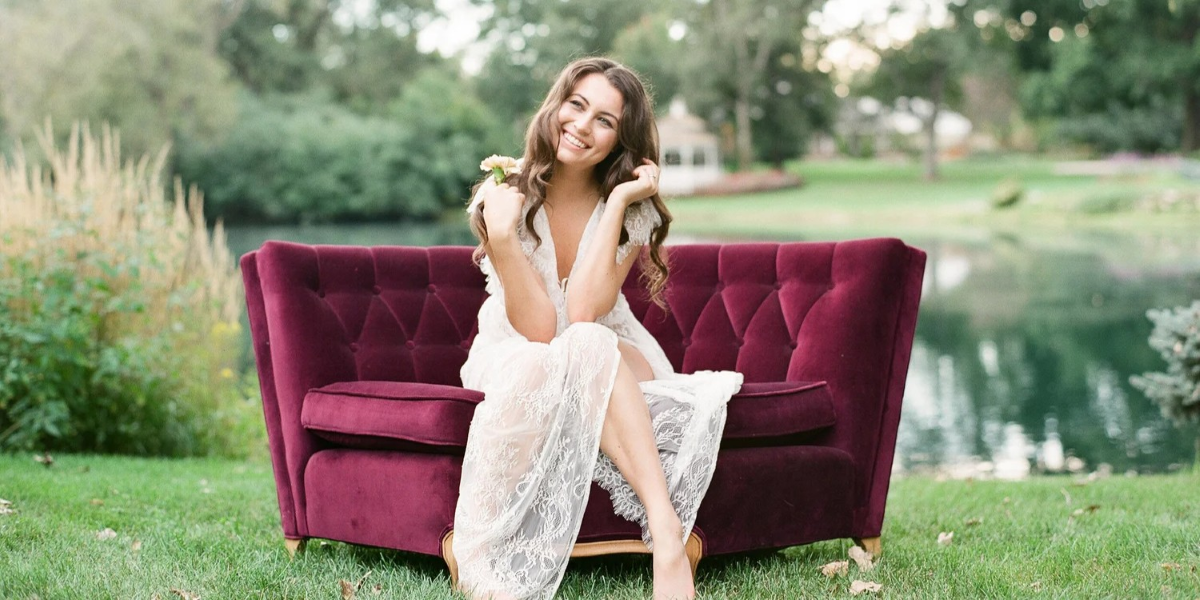
The medium has a unique relationship with light that digital sensors have historically struggled to match. Film responds to natural light with an organic warmth and gradation that flatter skin tones across a remarkably wide range of complexions and lighting conditions.
“There is a softness to film that makes people look like themselves at their most beautiful; not a filtered version of themselves, but the real thing, just seen more generously,” says Lynzie Hazan, founder of Bonphotage.
Authenticity and the Analog Moment
Fine art film photography and documentary storytelling share a natural affinity, and that affinity is not accidental. Both disciplines are grounded in the belief that the most powerful images are found rather than constructed. The job of the photographer is then to be sufficiently attentive and technically prepared to capture what is genuinely happening, as opposed to engineering a version of events that photographs well.
Documentary film photography at a wedding can function somewhat differently from its digital counterpart. Because each exposure is considered and deliberate, the photographer tends to move through a wedding day with a heightened sense of presence. There is no reviewing the back of the camera between moments.
The photographer must trust their preparation, their eye, and their read of the room, which tends to make them more attuned to the quiet, unscripted moments that define a wedding day far more honestly than any posed portrait.
“Film doesn’t editorialize the way heavily processed digital images sometimes can,” says Hazan. “It shows you what was there, the light, the feeling, the truth of a moment, without adding a layer of interpretation that pulls you out of the memory.”
The Heirloom Standard
There is a reason that the photographs most people hold onto across generations were almost universally shot on film. The medium does age beautifully. Color film develops a warmth and richness over decades that only deepens its emotional resonance, while black and white film achieves a timeless gravity that places its subjects outside of any particular era.
A wedding photograph shot on film in 2025 will likely look more compelling in 2055 than a heavily edited digital file from the same day, and this boils down to chemistry, not nostalgia.
The distinction matters because wedding photographs are among the very few objects a couple will own that were made specifically to outlast them and be passed to children, and perhaps to grandchildren, as evidence that something beautiful and real occurred. Film is equal to that responsibility in a way that few other photographic media are.
“We think about the couple opening a box of prints forty years from now,” says Hazan. “We want those images to stop them cold because they resonate and are true.”
Choosing a Photographer Who Understands the Medium
For couples drawn to fine art film photography, the selection process requires an additional layer of discernment. Not every photographer who offers film shooting has a genuine command of the medium.
Film demands a technical foundation that differs meaningfully from digital work, and couples should ask to see extensive film portfolios, inquire about which labs a photographer uses for development and scanning, and explore whether the photographer shoots film exclusively or integrates it with digital capture.
The integration question is worth examining carefully, as many photographers use film selectively while relying on digital for the faster-paced documentary work of a reception. That hybrid approach has genuine merit, particularly for couples who want the heirloom quality of film in certain images while maintaining comprehensive coverage of the full wedding day.
Fine art film photography is a philosophy, a commitment to presence, intention, and the belief that the most honest images of a wedding day are the ones made by someone who understood exactly what they were looking at when they pressed the shutter. For couples who want their wedding photographs to carry that kind of weight, the medium is worth seeking out.
Bonphotage is a Chicago-based luxury photography and cinematography studio founded in 2014 by Lynzie Hazan, a former international corporate attorney. Named among the top photographers in the world, the studio has documented over 1,000 weddings across more than 45 countries, with editorial work featured in Harper’s Bazaar, The Knot, and Women’s Wear Daily.