Moving heavy containers, machinery and service vehicles around the Chicago area comes with its own daily headaches.
Commercial haulers, demolition crews and site supervisors deal with heavy traffic on I-90, I-294 and the Eisenhower Expressway, changing municipal permits and unpredictable Midwest weather. Keeping track of equipment spread across different job sites takes constant attention if you want to avoid delays, missed deadlines and money quietly slipping away.
Spotting Hidden Losses in Waste and Material Handling
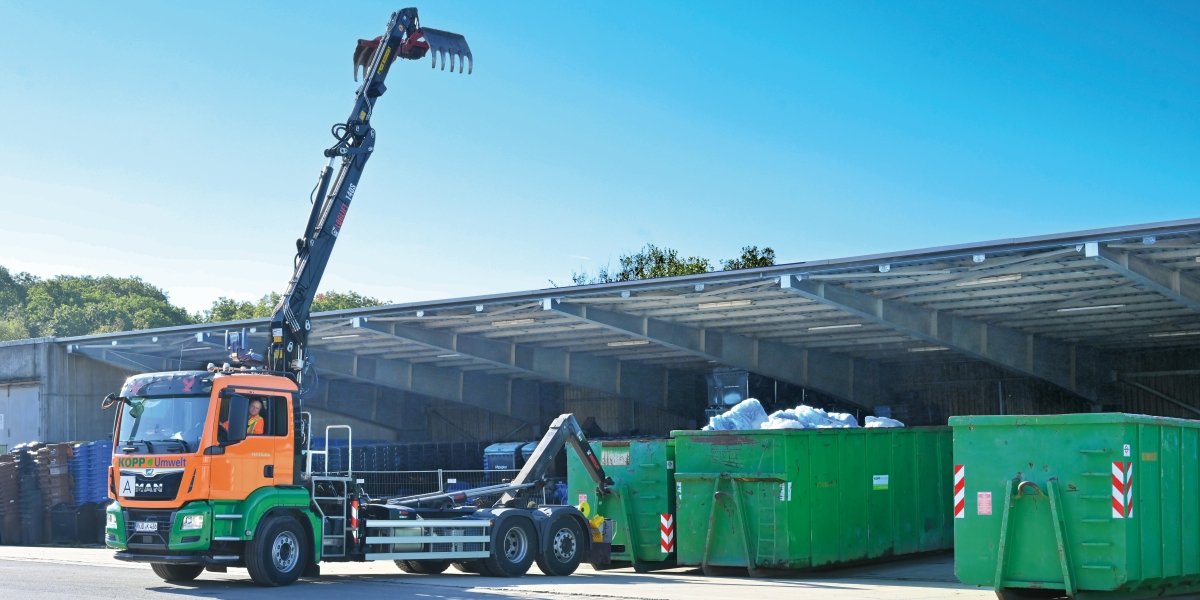
Equipment that leaves the yard can be hard to keep tabs on once it’s at a customer’s site. A roll-off container dropped at a commercial site in Elgin, a storage box in Evanston or a scrap container on an industrial lot in Cicero can easily stay past its planned rental window. When dispatch depends on spreadsheets or a driver’s memory, mistakes happen. Drivers lose hours driving across town looking for units, office staff can’t say for sure which containers are free for the next job, and companies end up buying more containers when the ones they already own are sitting idle on customer property.
Using Telematics to Keep Containers Accounted For
Dumpster tracking takes a lot of the guesswork out. Small GPS devices attach to each container, run on two standard AA batteries for an estimated three years or more and don’t need professional installation. They report location up to four times a day at scheduled times, and dispatchers can check where every container is from a mobile app or desktop dashboard. The devices are rated IP68 for dust and water and IK07 for impact, so they hold up to rough handling and wet weather.
Geofencing alerts flag a container that moves outside a set area, which helps with theft, and the trackers can be hidden from view. Detailed reports keep a record of how each container is used and when collections happen. That record helps dispatchers plan pickups, spot units that have sat too long and settle questions with customers about how long a container stayed on site.
The same idea applies to the trucks that move the containers. Vehicle telematics shows where each roll-off truck is, how long it idles and how it’s being driven, so dispatchers can send the nearest truck to a pickup and cut down on wasted miles.
It helps with permits, too. Under Chicago’s municipal code, a dumpster placed on the public way needs a permit that covers a set period, and keeping it there longer means applying to amend the permit. Knowing which containers are still out, and where, makes those deadlines easier to manage.
Bringing Fleet Data Together
Tracking containers is only one part of the job. Fleet operators also juggle fuel budgets, driver communications, maintenance schedules and compliance paperwork. Keeping that information in separate systems adds admin and makes monthly reporting harder. Some telematics providers, including Radius, bring vehicle tracking, asset tracking, dash cams and compliance tools such as ELD and IFTA reporting onto one platform, which can cut back-office work for fleets across Cook County, DuPage County and the surrounding area.
Protecting Equipment and Improving Yard Operations
The business climate gives operators good reason to watch costs. The Chicago Fed’s latest regional survey showed Midwest manufacturing activity picking up in October while service businesses stayed in negative territory. When some customers are busy and others are holding back, haulers can’t afford containers sitting unbilled or trucks running empty.
Good location data takes some of the uncertainty out of daily dispatch. Chicago businesses that know where their containers and trucks are can cut wasted spending, protect their equipment and put assets where they’re needed, while still giving local customers the service they expect.