Mayor Brandon Johnson announced on August 10 a partnership with rideshare platform Lyft and United Way of Metro Chicago that provides free roundtrip transportation to grocery stores for older residents on the South and West sides, a direct response to the July 25 closure of all seven Save A Lot locations operated by Yellow Banana in neighborhoods where the stores were among the only sources of fresh food.
Key Takeaways
- Lyft is funding the program with a $25,000 contribution that provides free roundtrip rides to grocery stores for older residents in neighborhoods impacted by the Save A Lot closures.
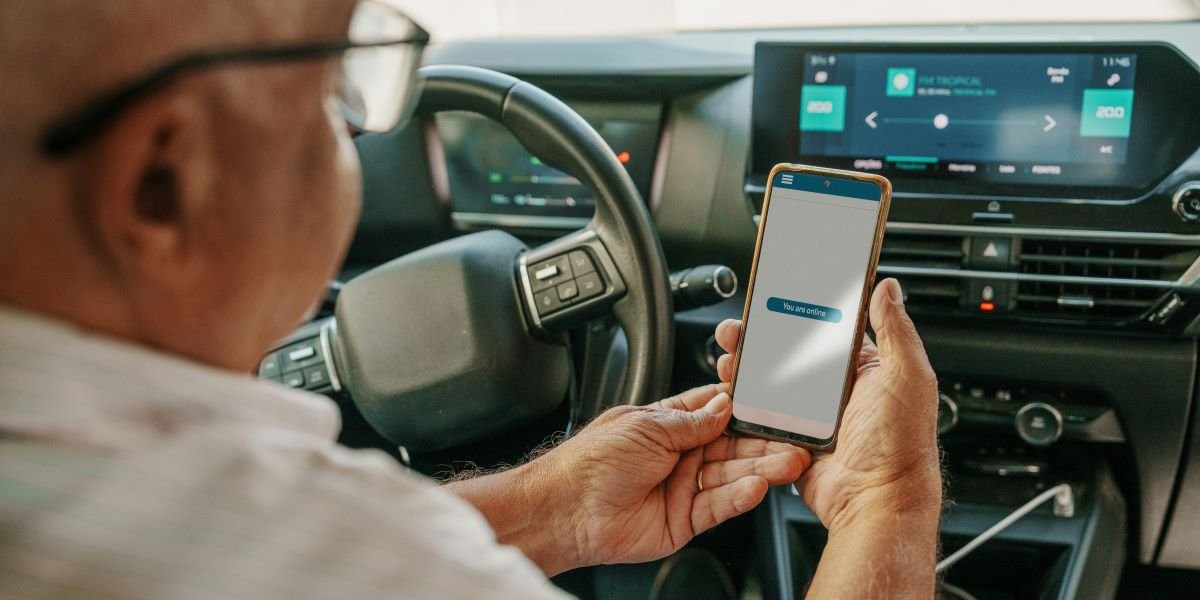
- Seniors access rides by dialing 2-1-1, where a United Way of Metro Chicago navigator coordinates Lyft transportation on their behalf without requiring a smartphone or app.
- All seven Save A Lot stores closed on July 25 after operator Yellow Banana failed to secure a new investor or supplier by the deadline set by Save A Lot corporate, which cited “significant financial headwinds” in ending the arrangement.
- The closures came less than four years after the city approved a $26.5 million incentive package, including $13.5 million in tax-increment financing, for Yellow Banana to acquire and renovate six of the seven stores.
- Yellow Banana CEO Joe Canfield died of a stroke in April 2026 at age 54; federal cuts to SNAP benefits further reduced store revenue in the months leading to the closures.
The Program Removes the Smartphone Barrier for Seniors Who Lost Their Nearest Grocery Store
The structure of the Lyft and United Way partnership is designed around a specific population: older residents who do not use smartphones and who relied on nearby Save A Lot stores as their primary source of groceries. Rather than requiring participants to download an app or create a Lyft account, the program routes everything through United Way of Metro Chicago’s existing 2-1-1 helpline. A senior dials 2-1-1 from any phone, connects with a navigator, and the navigator coordinates a Lyft ride to and from a grocery store on the caller’s behalf.
The design addresses a practical reality in the affected neighborhoods. Many of the South and West side communities that lost Save A Lot stores have higher concentrations of elderly residents, residents without personal vehicles, and households that depend on public transit or walking to access daily necessities. For a resident in West Garfield Park or Auburn Gresham who previously walked to a Save A Lot location, the nearest remaining grocery option may now require a bus trip of 20 to 30 minutes each way, according to residents quoted at the time of the closures. The Lyft rides eliminate the transit burden for seniors while the city works to attract replacement grocery operators to the vacant storefronts.
The $26.5 Million Deal That Was Supposed to Solve the Food Desert Problem Lasted Less Than Two Years
The Save A Lot closures represent one of the more consequential failures of a public-private food access investment in Chicago’s recent history. In July 2022, the city awarded Yellow Banana, an Ohio-based retail grocery operator, a $13.5 million Community Development Grant funded through tax-increment financing to acquire and renovate six Save A Lot stores on the South and West sides. Yellow Banana combined the city grant with New Markets Tax Credits, third-party financing, and its own capital to close a total $26.5 million investment in March 2023. The company committed to keeping the stores open for 10 years.
The six renovated locations reopened between late 2024 and early 2025 at 420 South Pulaski Road in West Garfield Park, 10700 South Halsted Street in Morgan Park, 2858 East 83rd Street in South Chicago, 7240 South Stony Island Avenue in South Shore, 7908 South Halsted Street in Auburn Gresham, and 4439 West 63rd Street in West Lawn. A seventh Yellow Banana-operated Save A Lot opened separately at 832 West 63rd Street in Englewood in 2023, occupying a storefront that previously housed a Whole Foods. Renovations across the six TIF-backed stores included new refrigeration equipment, flooring, LED lighting, HVAC systems, security systems, and exterior improvements. The stores reopened to cautious optimism from residents who remembered the condition of previous Save A Lot operations in the same locations.
The CEO’s Death and Federal SNAP Cuts Accelerated the Financial Collapse
Two events in 2026 accelerated Yellow Banana’s deterioration. Joe Canfield, the company’s founder and CEO, died of a stroke in April at the age of 54. Canfield had been the driving force behind Yellow Banana’s expansion into underserved urban markets and the primary relationship holder with the City of Chicago. His death created a leadership vacuum at a moment when the company was already under financial strain. Federal cuts to the Supplemental Nutrition Assistance Program further reduced revenue at stores where a significant share of transactions were funded through SNAP benefits. Save A Lot corporate cited “significant financial headwinds” facing Yellow Banana when it announced the termination of the arrangement in late July.
Save A Lot set a July 25 deadline for Yellow Banana to find a new investor or supplier to keep the stores operational. When that deadline passed without a deal, all seven locations closed the same day. Store employees learned of the closures through news reports earlier that week. Signs in the windows advertised merchandise at 50 percent off in the final days, and remaining food was donated to community organizations. The City’s Department of Planning and Development said it is exploring options to recover the $13.5 million in taxpayer funds and described the six TIF-backed locations as “turnkey” storefronts ready for a new grocery operator. Peter Strazzabosco, Deputy Commissioner of Planning and Development, said the city’s priority is for each building to reopen with a full-service grocer.
The Closures Deepen a Food Access Crisis That Predates the Save A Lot Deal
The neighborhoods that lost Save A Lot stores were already classified as food deserts by the U.S. Department of Agriculture before Yellow Banana’s intervention. West Garfield Park, Auburn Gresham, South Shore, South Chicago, and Englewood have experienced decades of grocery store disinvestment, a pattern driven by population loss, lower household incomes, higher commercial insurance costs, and the departure of national chains that determined the neighborhoods did not meet their profitability thresholds. The Save A Lot deal was explicitly designed to reverse that cycle by using public financing to de-risk private investment in locations where the market alone had failed to sustain grocery service.
The failure of that model raises structural questions about whether short-term public subsidies can sustain grocery operations in communities where the underlying economic conditions, including lower average transaction sizes, higher shrinkage rates, and dependence on federal nutrition assistance, create persistent operating challenges. Aldermanic leaders in the affected wards have called for accountability from both Yellow Banana and the city’s oversight apparatus. Meanwhile, residents are navigating the immediate reality: fewer places to buy fresh food, longer trips to reach alternatives, and a Lyft-funded ride program that addresses transportation but does not replace the stores themselves.
FAQs
How Do Seniors Access the Free Grocery Store Rides?
Older residents in the affected neighborhoods can dial 2-1-1 from any phone to connect with a United Way of Metro Chicago navigator. The navigator coordinates a free roundtrip Lyft ride to a grocery store on the caller’s behalf. No smartphone, app, or Lyft account is required.
Which Save A Lot Stores Closed?
All seven Yellow Banana-operated Save A Lot stores in Chicago closed on July 25, 2026. The locations were in West Garfield Park (420 S. Pulaski Rd.), Morgan Park (10700 S. Halsted St.), South Chicago (2858 E. 83rd St.), South Shore (7240 S. Stony Island Ave.), Auburn Gresham (7908 S. Halsted St.), West Lawn (4439 W. 63rd St.), and Englewood (832 W. 63rd St.).
Is the City Trying to Reopen the Stores?
The Department of Planning and Development has said its priority is for each location to reopen with a full-service grocer. The city described the six TIF-backed storefronts as turnkey locations ready for new operators and is exploring options to recover the $13.5 million in taxpayer financing that supported the original Yellow Banana deal.