
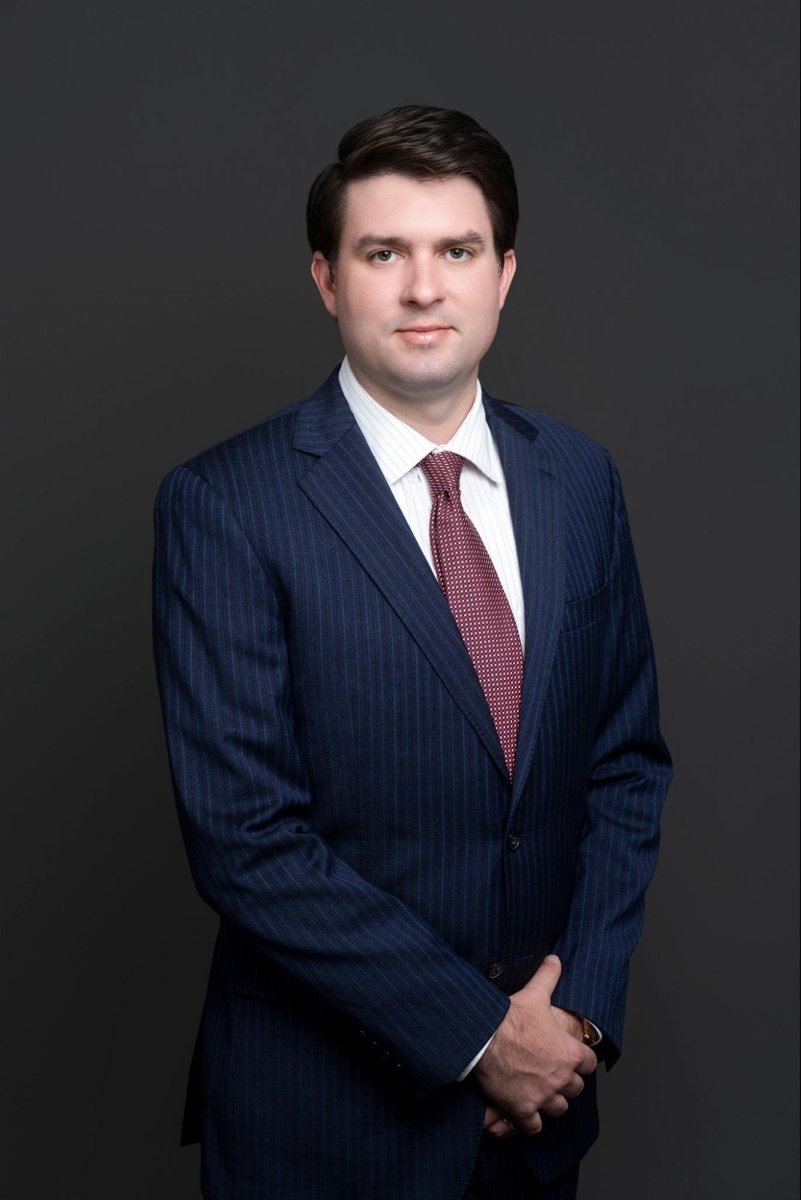
Illinois criminal defense attorney Joshua Boardman belongs to a new generation of criminal defense attorneys reshaping how legal advocacy is experienced by clients. Known for his preparation-driven approach and steady communication style, he has built his work around helping people work through high-pressure legal situations with greater clarity and confidence.
Before joining the firm, Joshua worked throughout Southeast Missouri and Southern Illinois handling criminal defense, family law, civil litigation, and orders of protection matters. That background gave him a deeper understanding of how legal disputes can disrupt nearly every aspect of a person’s personal and professional life.
At Combs Waterkotte, a Chicago and Illinois criminal defense firm that handles a wide range of criminal matters, including DUI offenses, juvenile cases, traffic violations, and serious felonies, Joshua has built his work around preparation and individualized advocacy. Known for his calm communication style, he focuses on helping clients feel less overwhelmed as they work through uncertain legal situations.
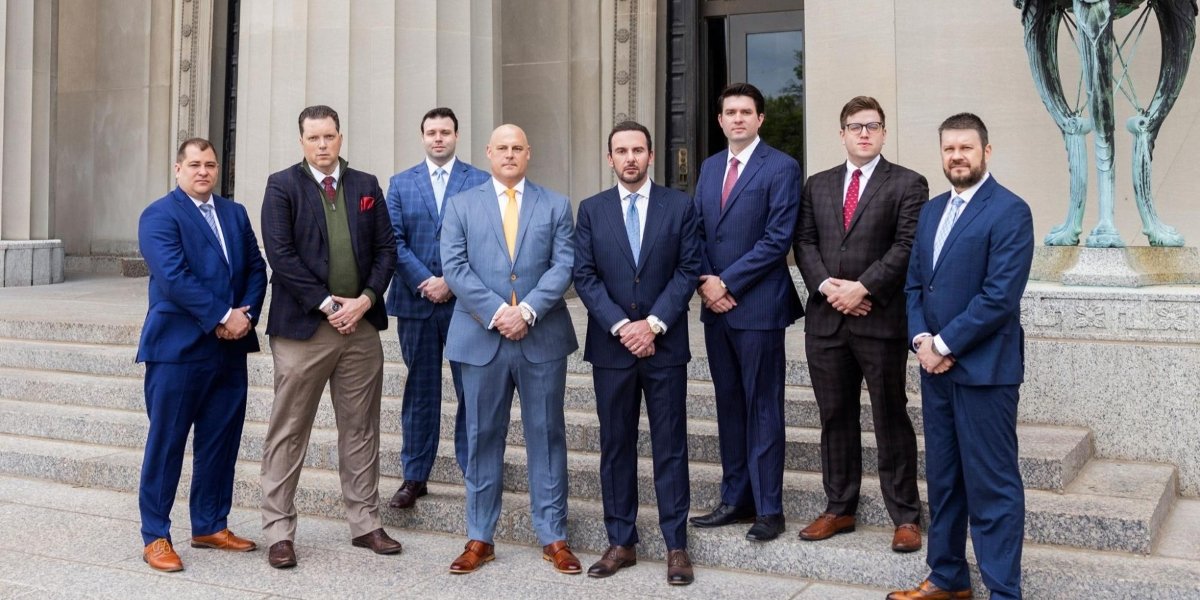
He practices as part of a criminal defense team built around preparation, accessibility, and a belief that strong advocacy begins with earning a client’s trust. The firm operates offices across St. Louis, Chicago, Kansas City, Clayton, Belleville, and Branson.
Combs Waterkotte has represented clients in more than 10,000 criminal and order of protection cases across Missouri and Illinois, and Joshua carries into each one the steady, communication-centered approach that has come to define his practice.
Joshua and the firm’s other attorneys support a defense strategy built around preparation and communication. He believes that culture gives attorneys the ability to focus on the full reality of what clients are experiencing.
That exposure shapes the way he approaches criminal defense. Joshua believes one of the biggest frustrations clients face is feeling disconnected from the legal process itself. Many people enter the system without understanding the language, procedures, or timeline surrounding their case. He makes communication a priority because he knows uncertainty can quickly become one of the hardest parts of the experience.
For Joshua, preparation means more than reviewing evidence and legal procedure. It means understanding what clients are carrying personally, emotionally, and professionally during uncertain situations. Since every case comes with different risks and long-term consequences, he believes criminal defense should always involve careful preparation shaped around the client’s specific circumstances.
Throughout his career, Joshua has been present at nearly every critical stage of criminal litigation, including early negotiations with prosecutors, pretrial motions, depositions, trial participation, and appeals.
That experience gave him more than legal knowledge. It gave him perspective. He came to understand that strong advocacy is built quietly and deliberately through preparation, strategy, and a sincere commitment to understanding everything surrounding a client’s circumstances, not just the facts of the case, but also the weight of what they are facing.
At the center of his work, he has built an approach grounded in preparation, trust, and transparency. He believes clients should never feel disconnected from the process surrounding their own case. His regional experience also continues to influence the way he sees criminal defense.
For Chicago and Illinois criminal defense attorney Joshua Boardman, no case is ever just paperwork or procedure. Every client arrives carrying uncertainty, pressure, and concerns about what the future may look like. That reality continues driving his commitment to preparation and individualized representation.
Disclaimer: The content in this article is provided for general knowledge. It does not constitute legal advice, and readers should seek advice from qualified legal professionals regarding particular cases or situations.