The Chicago Journal

Five Days to May 31: What Happens to the Bears Stadium Bill if Springfield Adjourns Without Action


The Illinois General Assembly has until midnight on Sunday, May 31, 2026, to pass the megaprojects economic development bill that the Chicago Bears have called a prerequisite for building a new domed stadium in Arlington Heights. The Illinois House approved the measure on April 22 by a 78-32 vote. The Senate has yet to act. Five days remain.

What happens after Sunday matters more than what is happening this week. The Bears, Mayor Brandon Johnson, Gov. JB Pritzker, the village of Arlington Heights, and Indiana lawmakers in Hammond all stand at different points of leverage depending on which of three outcomes lands. The political maneuvering being covered hour-by-hour in Springfield is the surface. The structural consequences of the deadline are the story.

What the Bill Actually Does

The megaprojects bill would allow large developments meeting certain investment thresholds to negotiate payments in lieu of property taxes with surrounding taxing bodies for up to 40 years. The designation is not Bears-specific. It applies to any development meeting the financial criteria on a tiered basis. The 377-page measure approved by the House is about 10 times the length of a version a House committee passed in February.

The Bears have indicated the framework “aligns with the things they have said they want to see from an Illinois bill,” in the words of bill sponsor Rep. Kam Buckner. The team also stated additional amendments are necessary to make the Arlington Heights site feasible. The Senate is expected to make changes, which means the bill that arrives on Pritzker’s desk, if it arrives, will not be identical to what passed the House.

Indiana has approved a public funding package offering more than $1 billion in direct stadium construction subsidies for a site in Hammond, just across the state line. Illinois’s bill does not fund construction. It allows a property tax negotiation. The two states are not offering the same product.

Outcome One: The Bill Passes Before Midnight Sunday

The most likely outcome, according to Statehouse sources, is that some version of the megaprojects bill clears both chambers before the May 31 adjournment. Sen. Bill Cunningham, D-Chicago, who is handling Senate negotiations, has acknowledged “substantial opposition” but said the obstacles are being worked through.

If the bill passes:

The Bears gain the legal framework to begin formal negotiations on a property tax structure with Arlington Heights and surrounding taxing bodies. The 326-acre Arlington Park site the team purchased for $197 million in 2021 becomes a viable development location. Stadium construction would still face approval, financing, and design timelines that could stretch years, but the legislative ceiling on the project would be lifted.

Mayor Brandon Johnson loses his strongest leverage point. His public position has been that the Bears “belong in the city of Chicago,” and his 2024 lakefront stadium plan with the team would have required $2.4 billion in public support that Pritzker rejected. If the megaprojects bill passes, Chicago becomes a secondary player in the Bears’ future unless the team’s Arlington Heights development encounters delays.

Gov. Pritzker gets credit for the deal without committing direct state dollars to stadium construction. His public position has been that no public money should fund a privately owned stadium. The megaprojects bill structure lets him hold that line while delivering an economic development framework his administration can claim.

Arlington Heights gains a stadium anchor for a 326-acre redevelopment that includes hotels, housing, and entertainment options the Bears have outlined. The village’s property tax base would be reshaped under the negotiated payment structure for decades.

Indiana loses the Bears as a realistic target. Hammond’s pitch was built on Illinois’s inability to act. Once Illinois acts, the cross-border threat dissolves.

Outcome Two: The Bill Dies on May 31

The second possibility is that the Senate fails to agree on amendments before adjournment, the bill stalls, and the General Assembly leaves Springfield without passing the legislation. The political cost of letting the Bears walk to Indiana is high enough that most observers consider this outcome unlikely, but the obstacles Sen. Cunningham described are real.

If the bill dies:

The Bears face a decision point with no clear winning path. The team has publicly stated Arlington Heights is the only Cook County location where a fixed-roof stadium is feasible. Without the megaprojects framework, the property tax structure at the site becomes uncertain. The team would then choose among three options: pressure the General Assembly to return in a special session, accept Indiana’s $1 billion subsidy offer in Hammond, or reopen conversations with Chicago for a lakefront stadium that requires public funding Pritzker has refused.

Mayor Brandon Johnson gains leverage by default. If Arlington Heights becomes unworkable and Indiana becomes politically toxic for the team’s brand, the lakefront option returns to the table. Johnson has said the door remains open and that his proposal remains the only plan centered on public ownership. His political position strengthens, though the financial obstacles to his 2024 plan have not changed.

Gov. Pritzker absorbs significant political blame. The Bears leaving Illinois on his watch would be a major economic and symbolic loss for a governor who has staked his administration on Illinois’s competitiveness for major projects. Pritzker has publicly pressured lawmakers to move faster, suggesting he is aware of the political exposure.

Indiana becomes the most likely destination. The Hammond site, with a $1 billion subsidy already approved, becomes the path of least resistance for the Bears. The team has spent two years signaling it will leave Illinois if the state cannot deliver, and a failed May 31 deadline would be the clearest signal yet that the state cannot.

Illinois taxpayers avoid a tax structure that the Cook County treasurer has called “murky” in its benefits, but they also lose the economic activity from a $3 billion-plus stadium development and a 326-acre redevelopment project.

Outcome Three: The Bill Passes in Modified Form That the Bears Reject

The third possibility is that the Senate passes a version of the megaprojects bill that the House approves on a concurrence vote, but the final language does not include the specific amendments the Bears have said are necessary to make Arlington Heights feasible. The bill becomes law. The team continues to say it cannot build under the framework.

If this happens:

The Bears face the same options as a bill failure, but with the political optics shifted. The team would be in the position of rejecting legislation Illinois passed specifically to keep them. That posture is harder to defend publicly, but the team has shown willingness to leverage public pressure throughout the negotiation.

Mayor Brandon Johnson is in roughly the same position as Outcome Two, with the added argument that the state delivered and the Bears refused to commit.

Gov. Pritzker can claim he passed economic development legislation that benefits Illinois beyond the Bears, even if the team ultimately leaves. The megaprojects structure applies to other developments meeting the investment threshold, so the bill is not solely a Bears bill.

Indiana still benefits, but the political pressure on the Bears to accept Illinois’s deal would be much higher than under Outcome Two.

What to Watch Between Now and Sunday

Several signals will indicate which outcome is materializing.

The first is whether the Senate amendments address the Bears’ stated concerns about Arlington Heights feasibility. The team has not publicly detailed those concerns in full, but the gap between the House bill and what the Bears say they need is the most concrete barrier to a clean passage.

The second is whether Chicago-based legislators continue to oppose the bill at the same intensity. Opposition from Chicago lawmakers intensified after news of a meeting between the Bears and the city last month. If that bloc holds, the Senate’s vote count becomes much tighter.

The third is whether Pritzker leans harder on legislative leaders in the final days. The governor’s public pressure to “move faster” has been visible. A private push behind the scenes in the final 72 hours will matter more.

The fourth is whether the Bears send any signal about how they would respond to a delay. The team’s statement after the House vote welcomed progress but called for changes. A more aggressive posture from the team in the final week would suggest negotiations are deteriorating.

After Sunday

Whatever happens by midnight on May 31, the Bears stadium question does not resolve next week. A passed bill triggers years of construction, financing, and design negotiations. A failed bill triggers either a special legislative session or a serious move toward Indiana, both of which would dominate the summer.

The May 31 deadline is the political pressure point. The structural question of where the Chicago Bears will play their home games a decade from now is a much longer story. What the General Assembly does this week determines which version of that longer story Illinois lives through.

For Chicago, the question is whether the city retains a 105-year-old franchise that has played at Soldier Field since 1971. For Arlington Heights, the question is whether a 326-acre redevelopment moves forward. For Hammond, the question is whether two years of patient positioning finally pays off. For Illinois taxpayers, the question is whether the megaprojects framework delivers economic returns commensurate with the property tax structure it creates.

All four answers depend on five days in Springfield.

Inside the Criminal Defense Approach of Chicago Defense Attorney Joshua Boardman

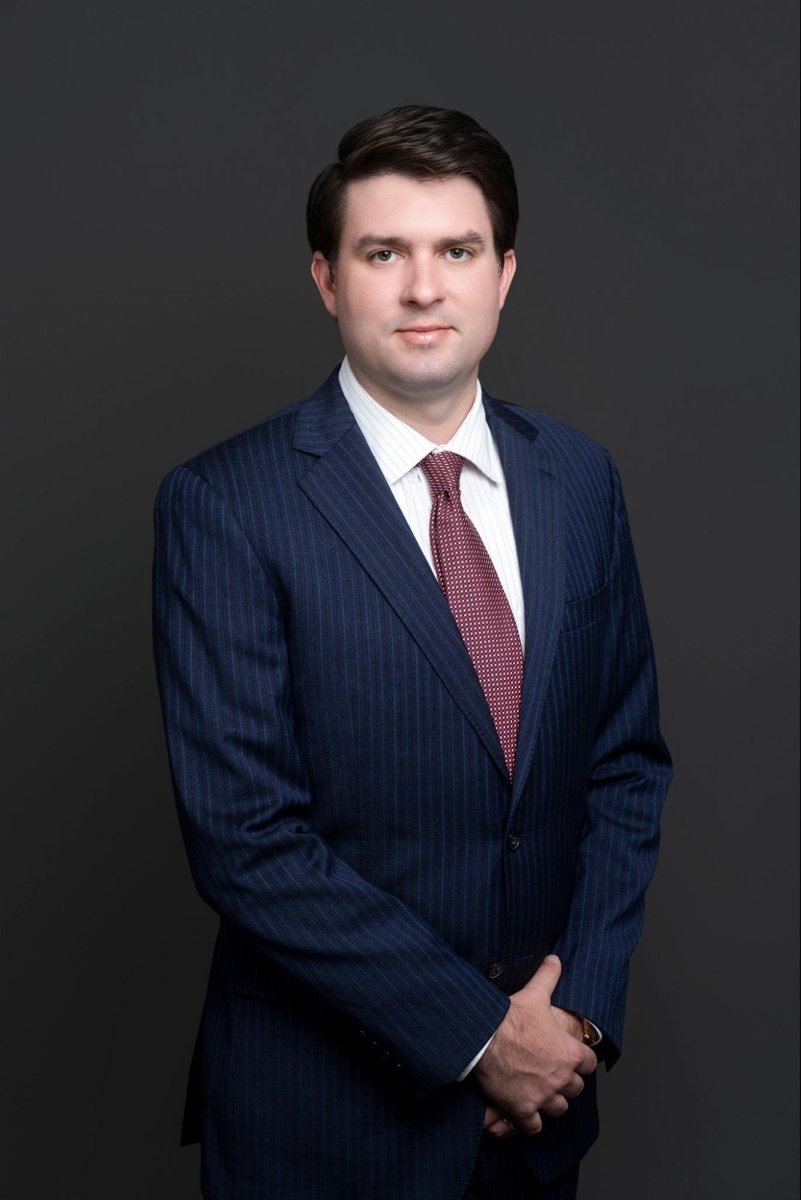
Illinois criminal defense attorney Joshua Boardman belongs to a new generation of criminal defense attorneys reshaping how legal advocacy is experienced by clients. Known for his preparation-driven approach and steady communication style, he has built his work around helping people work through high-pressure legal situations with greater clarity and confidence.

Before joining the firm, Joshua worked throughout Southeast Missouri and Southern Illinois handling criminal defense, family law, civil litigation, and orders of protection matters. That background gave him a deeper understanding of how legal disputes can disrupt nearly every aspect of a person’s personal and professional life.

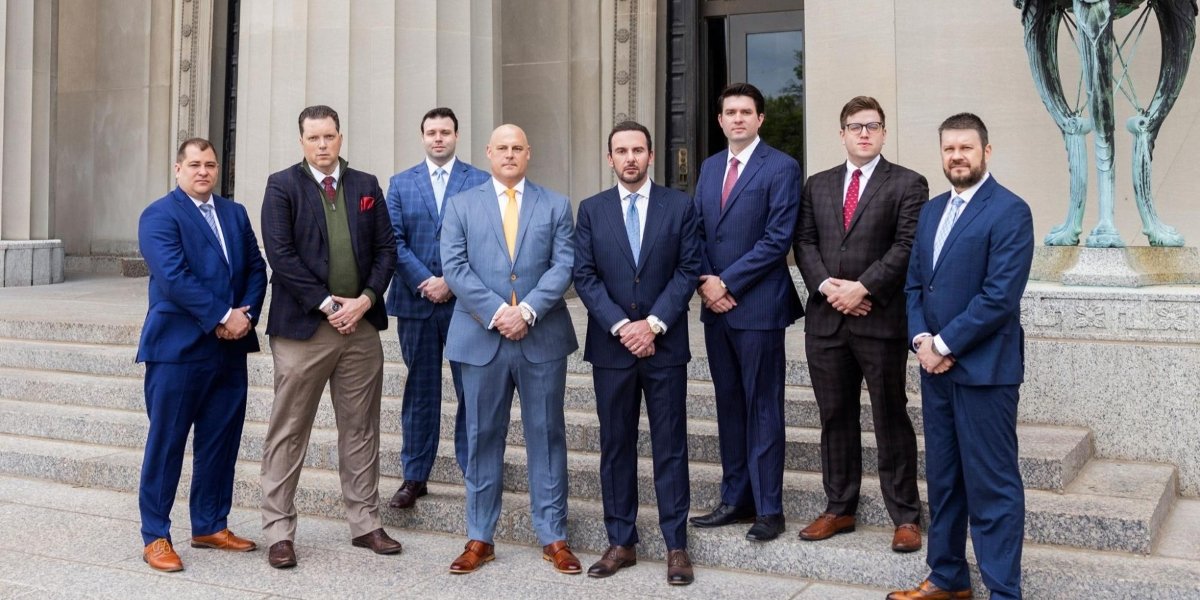
At Combs Waterkotte, a Chicago and Illinois criminal defense firm that handles a wide range of criminal matters, including DUI offenses, juvenile cases, traffic violations, and serious felonies, Joshua has built his work around preparation and individualized advocacy. Known for his calm communication style, he focuses on helping clients feel less overwhelmed as they work through uncertain legal situations.

He practices as part of a criminal defense team built around preparation, accessibility, and a belief that strong advocacy begins with earning a client’s trust. The firm operates offices across St. Louis, Chicago, Kansas City, Clayton, Belleville, and Branson.

Combs Waterkotte has represented clients in more than 10,000 criminal and order of protection cases across Missouri and Illinois, and Joshua carries into each one the steady, communication-centered approach that has come to define his practice.

Joshua and the firm’s other attorneys support a defense strategy built around preparation and communication. He believes that culture gives attorneys the ability to focus on the full reality of what clients are experiencing.

Photo Courtesy: Combs Waterkotte

That exposure shapes the way he approaches criminal defense. Joshua believes one of the biggest frustrations clients face is feeling disconnected from the legal process itself. Many people enter the system without understanding the language, procedures, or timeline surrounding their case. He makes communication a priority because he knows uncertainty can quickly become one of the hardest parts of the experience.

For Joshua, preparation means more than reviewing evidence and legal procedure. It means understanding what clients are carrying personally, emotionally, and professionally during uncertain situations. Since every case comes with different risks and long-term consequences, he believes criminal defense should always involve careful preparation shaped around the client’s specific circumstances.

Throughout his career, Joshua has been present at nearly every critical stage of criminal litigation, including early negotiations with prosecutors, pretrial motions, depositions, trial participation, and appeals.

That experience gave him more than legal knowledge. It gave him perspective. He came to understand that strong advocacy is built quietly and deliberately through preparation, strategy, and a sincere commitment to understanding everything surrounding a client’s circumstances, not just the facts of the case, but also the weight of what they are facing.

At the center of his work, he has built an approach grounded in preparation, trust, and transparency. He believes clients should never feel disconnected from the process surrounding their own case. His regional experience also continues to influence the way he sees criminal defense.

For Chicago and Illinois criminal defense attorney Joshua Boardman, no case is ever just paperwork or procedure. Every client arrives carrying uncertainty, pressure, and concerns about what the future may look like. That reality continues driving his commitment to preparation and individualized representation.

Disclaimer: The content in this article is provided for general knowledge. It does not constitute legal advice, and readers should seek advice from qualified legal professionals regarding particular cases or situations.

John David Castilla and the Dynamics of Regional Film Markets in the American Midwest and Southeast

In the last twenty years, there has been a growth in the production of films that are produced outside Los Angeles and New York; states such as Georgia and Illinois are creating a positive environment for an overall industry ecosystem. These states’ tax incentives, existing production facilities, and skilled crew members have attracted network television and movie producers to Chicago and Atlanta. FilmLA and state film office data show that since the mid-2010s, Georgia has been one of the three largest production areas in the U.S., with Illinois consistently reporting hundreds of millions of dollars spent each year producing film and television content.

In this dynamic landscape, actors have come to structure their careers by navigating through multiple regional markets, rather than being tied to a single home base. John David Castilla’s career trajectory has been in line with this regional model. Since he started appearing on screen in 2017, he has maintained a consistent presence in the Midwest while extending his reach into the Southeast. His agency representation reflects this model: TalentXAlexander Agency, which represents clients across Illinois, Indiana, Wisconsin, Michigan, Ohio, Iowa, and the Atlanta, Georgia market.

Chicago has been an essential platform for Castilla’s professional development. Illinois provides a 30 percent film tax credit, and this has ensured that there has been a constant flow of network TV and streaming productions in the state. Chicago-based productions like Empire, The Chi, Chicago Med, Shameless, Papergirl, Fargo, Station 11, The Bear, Redline, and others have relied on a large pool of local talent for background and supporting roles. Castilla began as a background actor in 2017 for Empire with Lee Daniels Entertainment, in recurring boardroom scenes in seasons three and four.

Since 2017, Castilla has continued to land background and minor roles in various Chicago-based productions. In The Chi, he has acted in several seasons in different roles. He has also worked in Chicago Med, Shameless, Papergirl, Fargo, Station 11, Redline, and other Illinois-based productions. These roles, although small and often uncredited, as is common in background acting, have put him in touch with a network of casting directors, assistant directors, and production staff who regularly work in the Chicago market.

His work expanded beyond Illinois into neighboring states, including Indiana, Wisconsin, Michigan, and Ohio, where commercial and regional projects frequently cast actors through agencies with multi-state coverage. Representation by TalentXAlexander Agency facilitated access to work in these markets, which have hosted a range of film and commercial productions. This regional mobility has allowed Castilla to remain active in multiple production centers without relocating away from Chicago.

Atlanta (Georgia) has also been a critical production area for Castilla since the early 2010’s when Georgia’s film tax incentive was first implemented. The state began to receive large-scale studio productions not only from established studios but also from streaming companies. Many current actors located throughout the Midwest submit self-tapes or agency submissions to audition for Atlanta productions. The fact that Castilla has been included in the Atlanta market through his representation by TalentXAlexander Agency and casting submissions indicates a strategy that is consistent with industry trends of performers maintaining flexibility across regional lines.

Castilla’s use of this multi-market approach coincides with his development from background actor to speaking roles. In 2023, Castilla landed the role of Howie Williams in the feature film “American Warrior,” which stars Danny Trejo & Veronica Falcón & won the “Best Motion Picture Award” at the Santa Fe Film Festival in 2024. Castilla earned SAG/Aftra eligibility because of his performance in “American Warrior.” SAG/Aftra eligibility represents a substantial change in Castilla’s professional status because of the importance of approximately 160,000 members of SAG/Aftra, who represent performers and media professionals in the U.S.

The transition to becoming eligible for SAG work complements the opportunity to continue working locally in the film and television industries via their regional roots. The level of production activity within Chicago continues to support performers juggling both union and non-union work. Castilla’s continued work as a performer with Illinois-based producers shows how regional markets can serve as both training grounds and places for long-term employment. The Chicago film community has developed a reputation for professionalism and reliability in terms of the people they employ and how often they cast through ongoing programming and commercials.

The presence of a single agency covering multiple states highlights the importance of having a professional network. Talent agencies serve as an intermediary between performers and casting directors, facilitating the negotiation of contracts and coordination of auditions between jurisdictions. In working with TalentXAlexander Agency across Illinois, Michigan, Wisconsin, Ohio, Indiana, Iowa, and Atlanta, Castilla is taking advantage of established submission channels that reach into these states. Consequently, auditions for television, film, and commercial projects will continue to occur across the Midwest and into the Southeast.

In addition to film and television, regional commercial production contributes to visibility and income stability for actors. Campaigns for national brands often shoot in Chicago or other Midwestern cities due to cost efficiencies and experienced crews. Castilla’s broader professional profile, which includes modeling and commercial appearances, operates within this same ecosystem, reinforcing his presence across overlapping sectors of the entertainment industry.

The strategic value of regional engagement becomes evident when examining career sustainability. While major film capitals attract global attention, regional hubs provide steady casting cycles and repeat collaborations. A majority of the actors who have a continuing professional relationship across these hubs tend to work with the same production companies on various shows by returning to these companies for additional work throughout the years. One actor that is a prime example of the attribution mentioned above is Castilla. His frequent work on Chicago-based productions since 2017 provides a reference point for his continuing pattern of being cast for multiple roles in Chicago-based productions.

John David Castilla’s experience in Illinois, Indiana, Wisconsin, Michigan, Ohio, and Atlanta, combined with his representation by TalentXAlexander Agency, has assisted him in presenting an image consistent with current conditions within the American film and television production industry. Given the mobile nature and the continued growth of the production industry, the model presented by Castilla illustrates how to maintain a visible presence in both nationally-directed and locally-directed productions in today’s production environment.