
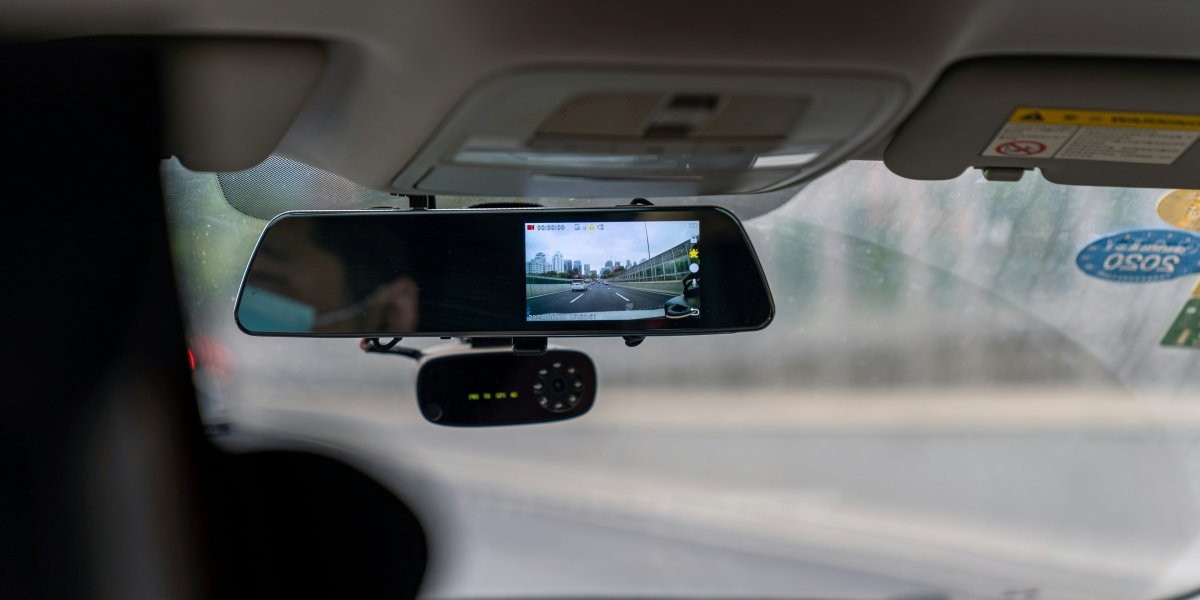
Dashcams were once seen as gadgets for hobbyists or commercial fleets. That has changed. Everyday drivers are installing dashcams at record rates, turning a niche accessory into standard equipment in personal vehicles across the United States.
The reasons are practical. A dashcam records what happens on the road in real time, capturing video evidence that can support a driver’s version of events long after an incident is over. For people who spend hours commuting, road-tripping, or driving for work, that record offers something memory and witness statements often cannot. It provides an objective account of what occurred.
Why Dashcam Adoption Keeps Climbing
Several factors are pushing dashcam ownership higher. Hardware has become more affordable, with capable models available at consumer price points. Storage has improved, allowing hours of high-resolution footage on small memory cards. Many newer dashcam units include GPS, parking mode, and dual-channel recording that captures the road ahead along with the cabin or rear view.
The growth also tracks broader concerns about road safety. Drivers who have seen viral crash videos or experienced near-misses themselves often decide that recording their own drives is a reasonable precaution. Insurance considerations play a role as well. Some insurers offer discounts when a dashcam is installed, and many policyholders find that submitting footage speeds up the claims process.
How Footage Changes Accident Claims and Disputes
When two drivers disagree about who caused a collision, the absence of evidence often leads to a he-said, she-said outcome. Insurance carriers may split fault or rely on circumstantial details like vehicle damage patterns. Dashcam footage cuts through that uncertainty. It shows lane positions, signaling, speed estimates, and the actual sequence of events.
That clarity matters for everyday disputes too. A driver accused of running a red light can demonstrate that the light was yellow when they entered the intersection. A rear-end claim can be supported or refuted depending on what the recording shows about following distance and braking. Hit-and-run incidents, which used to leave victims with little recourse, now often include identifying details captured by a dashcam, including license plates and vehicle descriptions.
For drivers pursuing a personal injury claim after a collision, that kind of recorded detail can make the difference between a contested case and a clear-cut one. Insurance adjusters have adjusted their workflows around this reality. Many carriers now accept video files as part of a standard claim submission, and drivers who can produce clear recordings typically see faster resolutions and fewer drawn-out negotiations.
Dashcams and Traffic Stops
Routine traffic stops are another area where dashcam recordings have changed the dynamic. A driver who receives a citation for an alleged moving violation may have footage showing the actual speed, lane position, or signal use at the time of the stop. That can matter when fighting a traffic ticket in Illinois, where the difference between a contested and uncontested case often comes down to what evidence is available.
The same dynamic applies to more serious driving-related charges. In DUI cases, the moments leading up to a stop can be relevant. Video can document driving behavior, road conditions, and the circumstances that prompted enforcement action. While dashcam evidence is not a silver bullet, it adds another layer of objective information to a record that has historically relied on officer observations and witness recollections.
The Role of Consumer Tech in Serious Cases
Dashcam evidence is also appearing in more serious matters. In cases involving reckless driving allegations or significant injury, video can establish details that police reports and witness statements may miss. Footage of the moments before a crash can show whether a driver was distracted, whether another vehicle made an unexpected move, or whether road conditions contributed to the outcome.
For victims pursuing injury claims, recordings can demonstrate the severity of an impact or the behavior of the at-fault driver in the seconds leading up to a collision. That kind of evidence helps establish the facts at a level of detail that was rarely available a decade ago.
Derek Martin, founder of Driver Defense Team, notes that the spread of in-vehicle camera use is part of a larger trend. Smartphones, doorbell cameras, and connected vehicle data have all expanded the pool of evidence available in driving-related disputes. A small camera mounted on a windshield fits into that ecosystem as a direct source of information about what actually happened on the road.
What Drivers Should Know Before Relying on Footage
Owning a recording device does not automatically guarantee a favorable outcome. Footage must be preserved correctly, since many units overwrite older recordings once the memory card fills up. Drivers who experience an incident should remove or back up the relevant file as soon as possible. Time-stamps, audio quality, and camera placement all influence how useful a recording will be later.
Anyone involved in a crash or traffic matter where video exists should consult with a qualified attorney to understand how the evidence fits into their specific situation. The growth of consumer recording technology has changed what is possible in establishing accountability behind the wheel, though the legal value of any single recording still depends on the facts of the case.