The Chicago Journal

Before the Freeze, Why Chicago-Area Homeowners May Consider Fixing Yard Drainage in the Fall

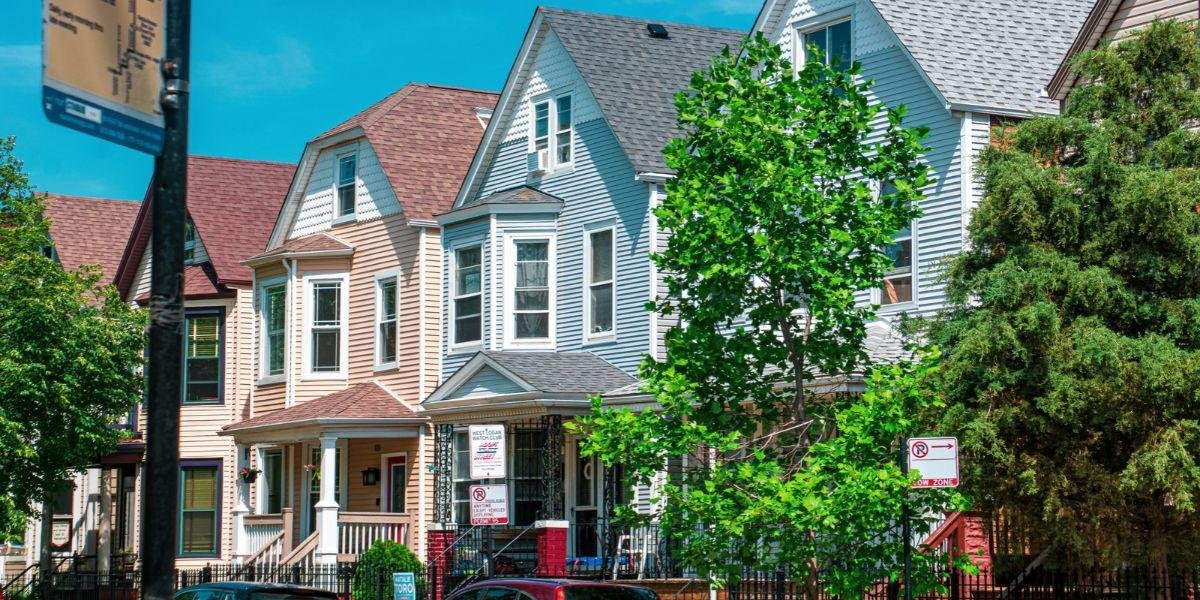
Every spring, the same scene plays out across Chicagoland: snowmelt and April rain collect in low corners of the yard, sump pumps run for days, and homeowners discover water stains in basements that were dry in October. For many families in the suburbs, the cause isn’t the spring weather itself. It’s drainage problems that were left alone through the fall.

Landscape and drainage professionals say late fall is one of the most effective windows to address yard water problems in northern Illinois, before the ground freezes and the snow starts to pile up.

Why Chicago-Area Yards Struggle With Water

Much of the region sits on heavy clay soil that absorbs water slowly. Add relatively flat lots, aging subdivisions where soil has settled over decades, and downspouts that empty right beside foundations, and water has few places to go.

Winter makes it worse. Snow piles up next to driveways and houses, the ground stays frozen even as the snow melts, and that meltwater spreads across the surface instead of soaking in. When it refreezes overnight, it can create ice on walkways and push moisture toward foundations.

Signs to Look For Now

Before the first hard freeze, homeowners can walk their property after a rain and look for:

• Puddles that remain more than a day after a storm

• Downspouts discharging within a few feet of the foundation

• Soil sloping toward the house instead of away from it

• Soggy lawn areas, moss, or patches where grass won’t grow

• Erosion along patios, walkways, or retaining walls

• A sump pump that runs frequently even in mild weather

Any of these suggest water is not draining the way it should, and the problem will likely get worse after a snowy winter.

Practical Fixes Before Winter

Some steps are simple and inexpensive. Extending downspouts several feet away from the house, clearing gutters of leaves, and filling minor low spots near the foundation can make a noticeable difference.

Larger issues may call for regrading, buried downspout lines, or a French drain: a gravel-filled trench with a perforated pipe that collects groundwater and carries it to a safe outlet. These projects are much easier to complete in fall, while the soil is workable and lawns can recover before winter dormancy, than in a soggy spring when crews are booked and yards are saturated.

Homeowners should also plan where snow will be piled this winter. Pushing plowed snow onto the downhill side of a driveway, away from the house and away from low spots, helps prevent meltwater problems in March.

Choosing the Right Help

For homeowners hiring help, contractors who explain where water is coming from and where it will go are usually a better choice than those who sell a single product. Ask about permits, how the lawn will be restored, and whether the work comes with a written warranty.

Local companies that offer Naperville landscaping services alongside drainage, grading, and snow removal can often look at the whole property, from downspouts to snow storage, and build a plan that works in every season.

The Takeaway

Chicago winters are hard on yards, and spring thaw exposes every drainage weakness. A few weeks of attention in late fall can mean a drier basement, a healthier lawn, and fewer surprises when the snow finally melts.

Why the Chicago River Turns Green: How Plumbers Local 130 Has Dyed It for St. Patrick’s Day Since 1962

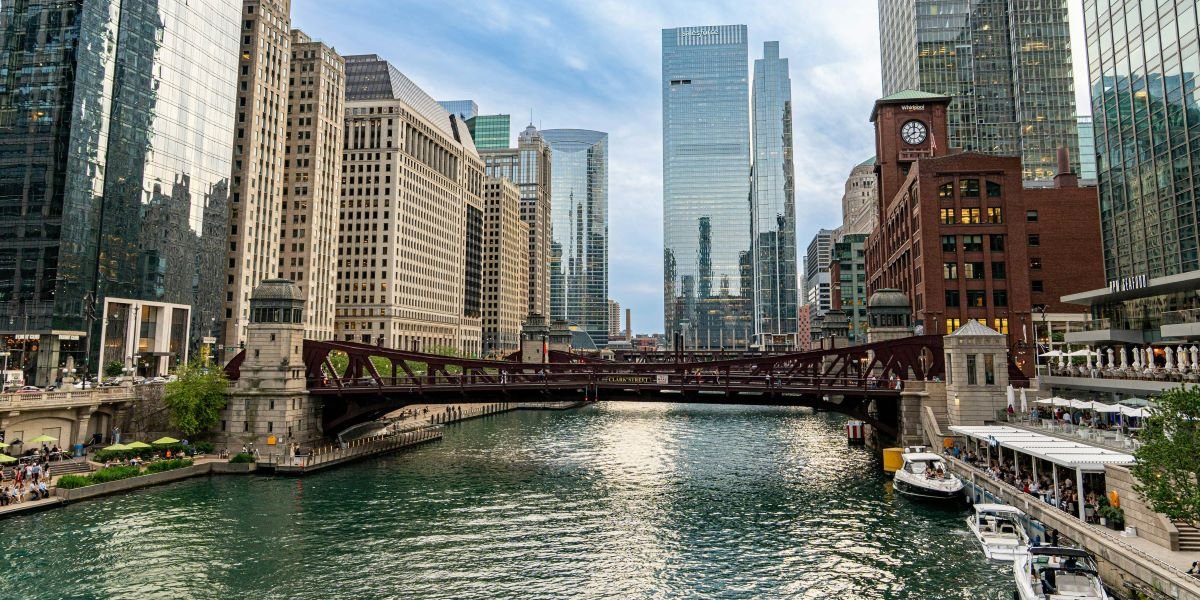
The Chicago River turns green each March because Chicago Journeymen Plumbers Local 130 dyes it for St. Patrick’s Day, a tradition the union has carried out nearly every year since 1962. Crews on boats release an orange powder that turns bright green on contact with the water, on the Saturday before St. Patrick’s Day.

Key Takeaways

  • Plumbers Local 130 has dyed the Chicago River green for St. Patrick’s Day nearly every year since 1962.
  • The idea came in 1961, when the union’s business manager, Stephen Bailey, saw a plumber’s white coveralls stained green by leak-detection dye.
  • The dye goes into the water as an orange powder and turns green as soon as it hits the river.
  • The union keeps the formula secret and describes it as environmentally friendly.
  • Local 130 has sponsored Chicago’s downtown St. Patrick’s Day Parade since 1956.
  • Based on the Saturday-before tradition, the 2027 dyeing points to March 13, pending confirmation from organizers.

The Chicago River Green Tradition Started With a Stained Pair of Coveralls

The story behind the green Chicago River begins in 1961. According to Plumbers Local 130’s own account, business manager Stephen Bailey was approached by one of his plumbers wearing white coveralls that had been stained a vivid green. The stain came from a dye plumbers used to trace leaks into the river.

Bailey saw a St. Patrick’s Day opportunity. The first plan was even more ambitious: Local 130 business manager Jim Coyne has said the original idea was to dye Lake Michigan. The union settled on the Chicago River instead, and the first dyeing took place in 1962.

The idea grew out of a working relationship. Bailey was a childhood friend of Mayor Richard J. Daley, and Local 130 had taken over sponsorship of the city’s downtown St. Patrick’s Day Parade in 1956, after Bailey told Daley the plumbers would sponsor it “forever.” The river dyeing became the parade’s opening act.

How Plumbers Local 130 Dyes the Chicago River Green

The process is simpler than its result suggests. On the morning of parade day, union members head onto the river in boats. A lead boat releases the dye while a chase boat follows to churn the water and spread the color evenly.

The dye itself is the part that surprises most first-time viewers. It goes into the water as an orange powder, and a Local 130 parade coordinator has described how it turns a brilliant green as soon as it hits the river. The whole operation takes roughly 45 minutes to an hour, and crowds typically gather along the riverbanks downtown to watch.

The Chicago River Green Dye Formula Remains a Union Secret

The original dye was a leak-tracing compound. The formula used today is one the union describes as environmentally friendly, and Choose Chicago notes that the recipe remains a closely kept secret. Local 130 has never published it, and the union has said other cities have tried similar feats without success.

How Long the Chicago River Stays Green

The brightest green is short-lived. The vivid color seen right after the dyeing begins to fade within a few hours, though a green tint can linger in the water for a day or more, depending on conditions.

That brief window is part of why the timing matters to visitors. Recent coverage has pointed to the stretch of Upper Wacker Drive between Columbus Drive and Wabash Avenue as a good place to watch, since the dyeing is concentrated along that downtown section of the river.

When the Chicago River Is Dyed Green Each Year

Since 1962, the river has been dyed on the Saturday before St. Patrick’s Day, the same day as the downtown parade. In 2026, the dyeing took place on March 14. Recent parades have stepped off at 12:15 p.m., with the river dyeing earlier that morning.

St. Patrick’s Day 2027 falls on Wednesday, March 17, which places the traditional Saturday dyeing on March 13, 2027. Plumbers Local 130 and parade organizers typically confirm the schedule closer to the date.

A Chicago Heritage Tradition Run by a Trade Union

For a city with deep labor roots, it fits that one of its best-known traditions is run by a union. Local 130 describes itself as 6,200 members strong, and its involvement goes well beyond the river. The union sponsors the parade, organizes the parade queen contest, and staffs the event each year.

The green river also sits within a wider pattern of heritage celebrations that claim Chicago’s downtown each year, from St. Patrick’s Day to the Mexican Independence Day festivities that stretch from Pilsen and Little Village to downtown. Each reflects how Chicago’s communities have shaped its public life, and the green river remains a reminder that some of the city’s traditions began on a job site.

FAQs

How long does the Chicago River stay green?

The brightest green fades within a few hours of the dyeing. A lighter green tint can remain in the river for a day or more, depending on water conditions.

When does Chicago dye the river green?

The river is dyed on the Saturday before St. Patrick’s Day, the morning of the downtown parade. That pattern points to March 13, 2027, pending confirmation from organizers.

What do they use to dye the Chicago River green?

Plumbers Local 130 uses a powdered dye that goes in orange and turns green on contact with the water. The union keeps the exact formula secret and describes it as environmentally friendly.

Who dyes the Chicago River green?

Chicago Journeymen Plumbers Local 130 dyes the river each year. The union has carried out the tradition nearly every year since 1962 and also sponsors the downtown St. Patrick’s Day Parade.

What time is the river dyeing in Chicago?

The dyeing takes place in the morning, ahead of the parade. Start times have varied in recent years, from 9 a.m. in 2018 to 10 a.m. in 2024, so the confirmed time for each year comes from organizers.

O-1 Visa Requirements: The Work Route With No Lottery, for Careers With Proof

The US work visa most professionals know, the H-1B, runs on an annual lottery. Less known is that the immigration system keeps a separate door open for people whose careers can speak for themselves. The O-1 extraordinary ability visa serves those with documented achievement in science, the arts, education, business, sports, or film and television, and it carries none of the lottery’s constraints: no quota, no annual deadline, no country restriction. Applications can be filed in any month of the year.

What the O-1 demands instead is evidence, and understanding what counts as evidence is most of the preparation.

Two Branches, One Standard

The category splits in two. O-1A covers extraordinary ability in science, education, business, and sports; O-1B covers the arts and the film and television industry. Researchers, engineers, executives, and athletes fall on the O-1A side.

The word “extraordinary” suggests a bar reserved for Nobel laureates, but the standard is met through concrete criteria, and a productive career usually satisfies more of them than its owner realizes. Published material about the person in professional or reputable media counts. So does judging the work of others, which includes peer review for journals, conference juries, and doctoral committees. Scholarly publications count. A critical role at a leading institution counts, weighed by both the institution’s reputation and the position’s importance. High remuneration relative to the field counts as well, compared by geography, sector, and position.

The gap between a qualifying career and an approvable petition is documentation. Citation records, invitation letters, review assignments, and salary comparisons exist scattered across a career; the petition needs them collected and presented against the criteria they prove.

The Sponsor Rule Shapes The Case

One requirement has no workaround: the O-1 requires a US sponsor, and the applicant cannot file alone. An employer, agent, or institution submits the petition. The file also carries a mandatory expert element, the Advisory Opinion Letter from the relevant peer organization, which has to be arranged as part of the case rather than after it.

The process order is stable: eligibility assessment, category determination, evidence compilation, advisory opinion, then the petition itself. Careers with strong records but scattered documentation lose the most time at the evidence stage, which is why sensible preparation starts with an inventory rather than a form.

Timing And Costs

Standard processing times vary by service center, caseload, and season, and published figures often describe different stages of the process, so the number worth trusting is the one on USCIS’s live processing-times tool. For deadlines that cannot move, premium processing guarantees adjudicative action within 15 business days for O-1 petitions.

The government fees are modest by work-visa standards: the I-129 petition fee is $1,055, reduced to $530 for small employers and nonprofit organizations, with premium processing as an optional addition.

Both entry roads work. A candidate already in the US on another status can change status without leaving, with approval documented on Form I-797. A candidate abroad continues through the consulate after petition approval, where the visa is stamped into the passport; that consular stage is its own step and belongs in the total timeline.

The Green Card Question Arrives Quickly

The O-1 grants time to work in the US; it does not grant permanence, so the follow-on question comes early. For profiles that clear the O-1 bar, the natural next case is EB-1A, the extraordinary ability green card, which requires no employer sponsorship and accepts self-petitions. The evidence gathered for the O-1 becomes the foundation of that permanent case, and planning the two together spares the applicant from building the same record twice.

Family members are provided for in the meantime: spouses and unmarried children under 21 accompany the principal in O-3 status.

Where Legal Work Earns Its Place

An O-1 case is less about filling forms than about converting a career’s output into the criteria’s language, with the advisory opinion and the sponsor’s documents assembled in step. That is the work O-1 visa attorneys are engaged for, and Grape Law’s O-1A guide sets out the criteria, the sponsor rule, and the process end to end, with the EB-1A connection treated as part of the same plan.

Fees and rules were verified against USCIS records as of September 2026.

Disclaimer: This article is for general informational purposes only and does not constitute legal advice. Immigration requirements, fees, processing times, and visa availability may change. Every case depends on its specific facts and circumstances. Consult a qualified immigration attorney regarding your situation.