Chicago marked Mexican Independence Day with overnight celebrations across Pilsen, Little Village, and downtown on September 15 and 16, 2026, carrying on a tradition that positions the city alongside Mexico City itself as one of the largest venues for El Grito de Independencia outside of Mexico. The festivities, which extended well past midnight, came at the end of a multi-day stretch of parades, festivals, and cultural programming that drew tens of thousands of participants across the city’s Mexican American neighborhoods and coincided with the opening of National Hispanic Heritage Month.
Key Takeaways
- Overnight Mexican Independence Day celebrations took place across Pilsen, Little Village, and downtown Chicago on September 15 to 16, 2026, with street gatherings, live music, car caravans, and cultural displays extending into the early morning hours.
- The El Grito Chicago festival returned to Grant Park on September 12 and 13 after organizers canceled the 2025 edition, bringing live music from local and international artists, a mercadito of artisans, a family area, and fireworks to the lakefront.
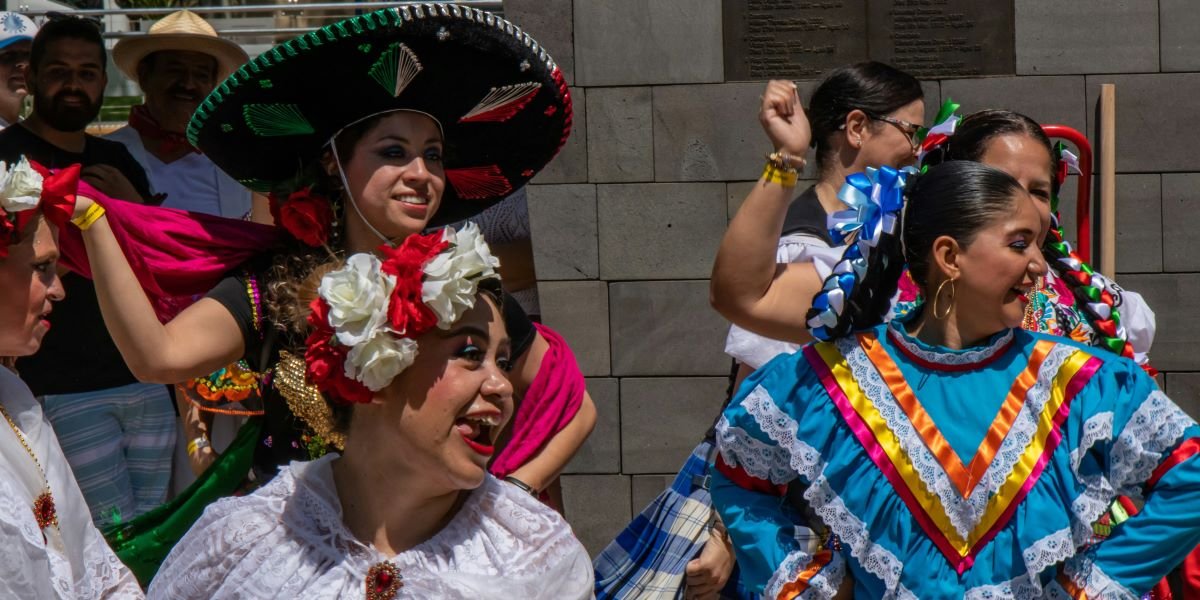
- The 55th annual 26th Street Mexican Independence Day Parade in Little Village drew thousands of spectators along the commercial corridor on September 13, featuring folkloric dancers, horseback riders, quinceañera floats, and performances honoring Mexican heritage.
- Pilsen hosted its own El Grito ceremony on September 15 at St. Paul Catholic Church, organized by community leaders who framed the event as both a cultural celebration and an affirmation of community resilience.
- The Chicago Police Department canceled one day off for officers to ensure adequate staffing across celebration sites, with Interim Superintendent Fred Waller outlining increased downtown and neighborhood presence during the holiday period.
El Grito Returns to Grant Park After a One-Year Absence
The El Grito Chicago festival, the city’s flagship Mexican Independence Day event, returned to lakefront Grant Park on Saturday and Sunday, September 12 and 13, after organizers canceled the 2025 edition. The two-day outdoor festival featured live performances from local and international artists, authentic Mexican food vendors, a mercadito showcasing artisans, a dedicated family-friendly area, and fireworks. Tickets started at $15, and organizers encouraged attendees to use public transit, with Jackson Boulevard closed from Columbus Drive to DuSable Lake Shore Drive for the duration of the event.
Mayor Brandon Johnson attended the pre-event press conference near the Arch in Little Village and said he hoped the celebrations could help the city “reclaim some of the joy that was lost last year and deliver a moment of healing.” The 2025 cancellation had followed heightened concerns about federal immigration enforcement operations in Chicago’s Latino neighborhoods, a dynamic that hung over this year’s planning but did not prevent organizers from proceeding with the full slate of events.
Korina Sanchez, one of the El Grito Chicago organizers, joined the press conference alongside Jennifer Aguilar of the Little Village Chamber of Commerce and Ambassador Reyna Torres Mendivil of the Consulate General of Mexico in Chicago. The joint appearance underscored the scale of coordination involved in staging the city’s Mexican Independence Day programming, which spans multiple agencies, neighborhoods, and days.
The 55th Annual 26th Street Parade Drew Thousands to Little Village
The 26th Street Mexican Independence Day Parade, now in its 55th year, stepped off at noon on September 13 from the historic Little Village Arch at 26th Street and Albany Avenue, proceeding west along the commercial corridor to Kostner Avenue. The parade is one of the largest in the Midwest and annually draws thousands of participants and spectators to the heart of La Villita, the neighborhood’s longstanding local name.
The route passes through the core of Little Village’s two-mile commercial district, a stretch of 26th Street that has historically generated retail sales rivaling North Michigan Avenue. The parade featured folkloric dance troupes, horseback riders in traditional charro attire, quinceañera floats, marching bands, and displays representing the cultural breadth of Mexico’s 32 states. For small business owners along the route, the parade weekend is one of the most commercially active stretches of the year.
Jennifer Aguilar, Executive Director of the Little Village Chamber of Commerce, called the parade “one of the proudest traditions in Little Village” and noted that the event’s 55-year history makes it among the longest-running Mexican Independence Day parades in the United States. The Far South Side also hosted its own parade on September 13, stepping off near East 87th Street and South Commercial Avenue, reflecting the geographic spread of Chicago’s Mexican American community across the city.
Pilsen Hosted Its Own El Grito Ceremony at St. Paul Catholic Church
On the evening of September 15, the actual date of El Grito de Independencia, Pilsen hosted a community-organized ceremony at St. Paul Catholic Church at 2127 West 22nd Place. The event began at 5 p.m. and centered on the traditional reenactment of the independence cry, echoing the ceremony performed annually at the National Palace in Mexico City. Organizer Teresa Fraga described the event as rooted in community identity. Javier Yanez, executive director of the Pilsen Chamber of Commerce, framed the celebration as not just a holiday but a recognition of “the people who continue that legacy through their work.”
Pilsen, one of Chicago’s neighborhoods with deep cultural diversity, has been the center of the city’s Mexican American cultural life since the 1960s. The neighborhood is home to the National Museum of Mexican Art, one of the largest Latino cultural institutions in the country, and has more murals than any other Chicago neighborhood, many of them reflecting Mexican history, migration, and identity. The Pilsen celebration’s location at a parish church connected the holiday to the neighborhood’s longstanding intersection of faith, family, and civic life.
The overnight celebrations that followed across Pilsen, Little Village, and downtown are a fixture of Chicago’s September calendar. Street gatherings, car caravans, live music, and impromptu celebrations continued well past midnight and into the early morning hours of September 16, the official date of Mexican Independence Day. The overnight dimension of the holiday is culturally rooted: El Grito traditionally takes place at 11 p.m. on September 15, reenacting Father Miguel Hidalgo’s 1810 call for Mexican independence from Spain.
Public Safety Planning Reflected the Scale of the Celebrations
Chicago’s Office of Emergency Management and Communications issued public advisories ahead of the celebrations, recommending public transportation and warning of potential road closures around Grant Park, Little Village, and Pilsen. Interim Police Superintendent Fred Waller said the department canceled one day off for officers to ensure adequate staffing during the holiday period. The increased police presence was concentrated downtown and in the neighborhoods hosting the largest gatherings, reflecting the logistical demands of managing multiple simultaneous celebrations across the city.
Marcos Carbajal, owner of the Carnitas Uruapan restaurant in Little Village, marked the occasion with a mural unveiling before the 26th Street parade and hosted an after-party at the restaurant. The gesture captured the way Mexican Independence Day functions in Chicago’s Mexican American neighborhoods: as a civic event, a cultural tradition, a family gathering, and a commercial moment, all layered into the same weekend.
The celebrations opened a stretch of Hispanic Heritage Month programming that will continue through October 15 across Chicago. Upcoming events include Sabor Taco y Tequila Fest in Pilsen from September 25 to 27, Chicago Humanities’ Pilsen/Little Village Day at the National Museum of Mexican Art and Thalia Hall on September 26, and heritage nights at Wrigley Field, Soldier Field, and Rate Field.
FAQs
When Is Mexican Independence Day Celebrated in Chicago?
Mexican Independence Day is officially September 16, but the El Grito ceremony traditionally takes place at 11 p.m. on September 15, reenacting Father Miguel Hidalgo’s 1810 call for independence from Spain. Chicago’s celebrations span multiple days, typically including the El Grito Chicago festival in Grant Park, the 26th Street Parade in Little Village, and overnight gatherings on September 15 to 16 across Pilsen, Little Village, and downtown.
What Is El Grito de Independencia?
El Grito de Independencia, or the Cry of Independence, refers to the moment on September 15, 1810, when Catholic priest Miguel Hidalgo rang the bell of his church in Dolores, Mexico, and called on the people to rise against Spanish colonial rule. The ceremony is reenacted annually by Mexico’s president at the National Palace in Mexico City and by communities around the world, including in Chicago at Grant Park and at St. Paul Catholic Church in Pilsen.
Where Did Chicago’s 2026 Mexican Independence Day Events Take Place?
Major events took place at Grant Park (El Grito Chicago festival, September 12 to 13), along 26th Street in Little Village (the 55th annual Mexican Independence Day Parade, September 13), at St. Paul Catholic Church in Pilsen (El Grito ceremony, September 15), and on the Far South Side near 87th Street and Commercial Avenue (a separate parade, September 13). Overnight celebrations on September 15 to 16 were concentrated in Pilsen, Little Village, and downtown.
What Is Hispanic Heritage Month and How Does Chicago Celebrate It?
National Hispanic Heritage Month runs from September 15 to October 15 each year and honors the historical achievements, artistic legacies, and ongoing contributions of Hispanic and Latino communities. Chicago observes the month with programming that includes heritage nights at professional sports venues, cultural events at the National Museum of Mexican Art, guided walking tours in Pilsen and Humboldt Park, and community festivals organized by the Chicago Humanities Festival, DCASE, and neighborhood chambers of commerce.