The Chicago Journal

Lincoln Square Apple Fest Returns for Its 39th Year October 2–4 on North Lincoln Avenue

The 39th Lincoln Square Apple Fest runs October 2 to 4, 2026, on North Lincoln Avenue between Lawrence and Sunnyside. The Lincoln Square Ravenswood Chamber of Commerce produces the festival, which brings Midwest farm apples, dishes from local restaurants, more than 80 vendors, and live music to the North Side. Admission is a $5 suggested donation.

Key Takeaways

  • Hours are 3 to 7 p.m. on Friday, October 2, and 9 a.m. to 6 p.m. on Saturday, October 3, and Sunday, October 4.
  • Proceeds support Lincoln Square beautification projects and local nonprofits.
  • More than 80 vendors take part, including Midwest farms, artists, makers, and neighborhood businesses.
  • Programming includes live music, DJs, family entertainment, and a kids’ zone with hands-on activities.
  • The festival takes place one week before the Chicago Marathon closes much of the city on October 11.

A Neighborhood Tradition Nearing Four Decades

Lincoln Square Apple Fest has become one of the North Side’s clearest markers of the start of fall. The Lincoln Square Ravenswood Chamber of Commerce has run the festival for 39 years. It has grown from a seasonal street market into a three-day event that draws families from across the city and the suburbs.

The setting is part of the appeal. North Lincoln Avenue, with its storefronts, plazas, and walkable blocks, works naturally as a festival street. Lincoln Square has long been tied to Chicago’s German heritage. Apple Fest arrives three weeks after the neighborhood’s German American Fest and continues a fall calendar built around community gatherings rather than large commercial productions.

That scale matters. Apple Fest is not a stadium-style festival with headline acts and ticket tiers. It is a neighborhood event in which the businesses lining the street, the farms supplying the produce, and the families walking the blocks are all part of the experience.

Midwest Apples Anchor the Weekend

Apples are the reason people come to Lincoln Square Apple Fest. Farms from across the Midwest bring fresh-picked apples, cider, and seasonal produce. For many visitors, the festival is a chance to stock up on fall fruit straight from growers in the region.

Local restaurants and food vendors add apple-themed dishes to their menus for the weekend. The pairing of farm produce and restaurant cooking makes Apple Fest a showcase for both regional agriculture and Lincoln Square’s dining scene. Cider is served in both non-alcoholic and hard versions, along with seasonal beers, but food and fresh produce remain the focus.

For shoppers, the fruit tends to move fast, especially on Saturday morning. Arriving early on Saturday or Sunday gives the widest selection before the midday crowds.

More Than 80 Vendors Fill the Marketplace

Beyond produce, Lincoln Square Apple Fest runs a marketplace of more than 80 vendors. Artists, makers, and local businesses set up along the corridor, so the festival also works as an early start to fall shopping.

The mix of vendors reflects how the Chamber approaches the event. Neighborhood shops gain foot traffic from visitors who may not usually come to Lincoln Square. Independent makers reach thousands of potential customers in a single weekend. For small businesses on the North Side, a festival of this size can mean a strong weekend of sales and new regular customers.

Live Music and Family Programming Run All Weekend

Live music and DJ sets fill the festival through all three days. Families can spend time in the kids’ zone, which offers hands-on activities and entertainment for younger visitors. That makes Apple Fest one of the more family-friendly events on Chicago’s fall calendar. A shorter Friday evening session gives working families a less crowded chance to stop by.

Proceeds Stay in the Neighborhood

The community impact of Lincoln Square Apple Fest goes beyond one weekend. The Lincoln Square Ravenswood Chamber of Commerce directs festival proceeds to neighborhood beautification projects and local nonprofits.

That model sets Apple Fest apart from many commercial festivals. The suggested donation at the gate works less like a ticket price and more like a contribution to the neighborhood. The Chamber has also run a volunteer grant program that lets nonprofit groups raise money by helping staff the festival. That ties the event’s labor directly to organizations serving the community.

For residents, the result shows up around the neighborhood: streetscape improvements, plantings, and support for local groups that work in Lincoln Square and Ravenswood year-round.

Planning a Visit to Lincoln Square

The festival covers North Lincoln Avenue between Lawrence Avenue and Sunnyside Avenue. Street closures and heavy weekend crowds make public transit the practical choice. The CTA Brown Line’s Western stop is a short walk from the festival.

Apple Fest also opens a busy stretch of Chicago’s fall calendar. The Chicago Marathon closes streets across 29 neighborhoods on October 11. Open House Chicago follows on October 17 and 18, opening more than 200 buildings to the public for free. Lincoln Square Apple Fest gives North Side residents a neighborhood-scale start to the season before those citywide events.

FAQs

When is Lincoln Square Apple Fest 2026?

Lincoln Square Apple Fest runs Friday, October 2, from 3 to 7 p.m., and Saturday and Sunday, October 3 and 4, from 9 a.m. to 6 p.m.

Where does Lincoln Square Apple Fest take place?

The festival takes place on North Lincoln Avenue between Lawrence Avenue and Sunnyside Avenue in Chicago’s Lincoln Square neighborhood.

How much does it cost to attend Lincoln Square Apple Fest?

Admission is a $5 suggested donation. Proceeds support Lincoln Square beautification projects and local nonprofits.

Is Lincoln Square Apple Fest family-friendly?

Yes. The festival includes a kids’ zone with hands-on activities, family entertainment, and live music throughout the weekend.

Who organizes Lincoln Square Apple Fest?

The Lincoln Square Ravenswood Chamber of Commerce organizes the festival. The 2026 edition is the 39th.

The Estate Planning Lawyer Who Wants to Rethink the Invisible Hand

By: Maha Khan-Ahmad

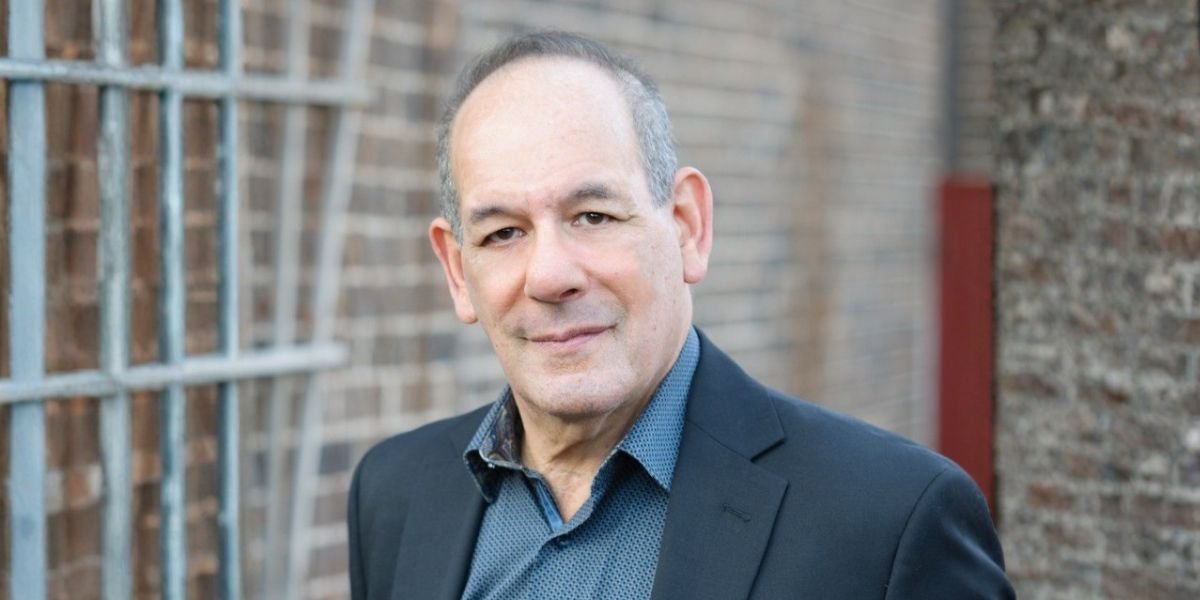
For Sheldon Zeiger, J.D., the practice of law has always been about more than documents, transactions, and courtroom disputes. An estate planning attorney who has specialized in the field since 1985, and a practicing Certified Financial Planner for 40 years, Zeiger has spent decades examining how wealth is created, protected, transferred and, ultimately, taxed.

Today, that professional experience informs a broader intellectual project: an exploration of capitalism, inequality, regulation and the ideas of the economists and moral philosophers who helped shape modern economic thought.

Zeiger, whose Chicago law practice focuses on estate planning as well as corporate, securities and transactional matters, argues that one of the most persistent misunderstandings about capitalism begins with a misunderstanding of Adam Smith.

At the center of his argument is Smith’s famous concept of the “invisible hand.”

Zeiger rejects the popular interpretation that the invisible hand simply means individuals pursuing their own interests somehow automatically produce the best outcomes for society.

Instead, he sees something more fundamentally reciprocal.

“It is in my self-interest to provide goods and services that benefit others,” Zeiger said.

In his interpretation, economic exchange is rooted in a form of practical empathy: A business succeeds because it provides something another person values. The consumer benefits, and the business benefits in return.

“That’s how our whole economy works,” he said.

Beyond the Textbook Version of Adam Smith

Zeiger’s interpretation of Smith is heavily influenced by the relationship between Smith and fellow Enlightenment thinker David Hume. He points to Dennis C. Rasmussen’s The Infidel and the Professor, a book about the friendship between Hume and Smith, as an important source for his understanding of their intellectual relationship.

For Zeiger, Smith’s The Theory of Moral Sentiments is particularly important.

Published decades before The Wealth of Nations, the work examined how human beings develop moral judgments and respond to the experiences of others. Zeiger argues that Smith’s economic thinking cannot be separated from these earlier questions about morality, empathy and human behavior.

“Theory of Moral Sentiments is really his real preeminent work,” Zeiger said, describing it as closer to psychology and moral philosophy than conventional economics.

That distinction, he argues, matters when interpreting Smith’s views on markets.

Zeiger contends that Smith and Hume were writing in a world already shaped by powerful institutions, including the monarchy, the church and large trading companies, and therefore should not simply be retroactively portrayed as advocates of an entirely unregulated marketplace.

His conclusion is that the historical context surrounding Smith’s work is essential to understanding what the economist actually meant by markets and economic freedom.

Who Benefits From Laissez-Faire?

That question leads directly into Zeiger’s skepticism about modern interpretations of laissez-faire capitalism.

He argues that large corporations have an interest in minimizing regulatory constraints and that political influence can become another component of the economic system.

His concerns are informed by his own early career in securities law.

As a young law clerk, Zeiger said he spent considerable time reading the securities documents he was tasked with delivering and filing. He recalled noticing that many of the disputes involved situations in which customers had given financial professionals discretionary authority over their accounts.

Years later, after returning from Dallas, he became an in-house compliance officer for a Futures Commission Merchant at the Chicago Mercantile Exchange.

By then, he said, the industry had moved toward mandatory arbitration agreements for customer disputes.

For Zeiger, that experience raised a fundamental question about the relationship between self-regulation, government oversight and individual consumers.

His broader argument is that regulation cannot be understood separately from the economic interests of the organizations being regulated.

A Lawyer’s View of Capitalism

Zeiger describes capitalism as a “living organism,” a system capable of producing extraordinary growth while also generating unintended consequences.

He is particularly interested in small businesses.

Rather than focusing primarily on publicly traded corporations, Zeiger sees small and midsize businesses as the part of the economy most closely resembling the decentralized economic activity described by classical economic thinkers.

His own practice reinforces that perspective.

Since 1995, Zeiger has specialized in estate planning, helping clients develop wills, trusts, healthcare and property powers of attorney, and beneficiary designations. His broader legal experience includes corporate transactions, contracts, business sales, compliance and securities matters. He also brings a finance background, having worked as a practicing Certified Financial Planner for 30 years, experience he says gives him a grounding in economics.

That professional background gives him a particularly close view of how wealth moves from one generation to another.

And it is here that his philosophical questions become intensely practical.

The Wealth-Transfer Question

Zeiger believes one of the central economic challenges facing the United States is the concentration of wealth.

But he does not argue that everyone must have the same amount of wealth.

“I’m not egalitarian,” he said. “I don’t feel like you need to be equal.”

Instead, he focuses on what he calls utility: whether people have access to basic necessities such as food, housing, and education.

That perspective leads him to question whether wealth redistribution alone can address structural inequality.

He points instead toward policies and market mechanisms that, in his view, would put more purchasing power into the hands of consumers and small businesses.

He also points to the inheritance system as an important part of the discussion.

As an estate planning attorney, Zeiger is familiar with the tax rules governing the transfer of assets at death, including the step-up in basis. Under U.S. tax law, inherited property generally receives a tax basis equal to its fair market value at the owner’s death, subject to applicable rules and exceptions.

For Zeiger, the significance extends beyond tax planning.

Estate planning, he argues, is one of the mechanisms through which accumulated wealth can remain concentrated across generations.

That makes his own profession an unusual vantage point from which to examine inequality.

“I’m basically the person who works in this area,” he said. “I’m a professional trustee.”

Looking Below the Official Economy

Zeiger’s interests also extend beyond traditional measures of economic activity.

He is fascinated by what he calls the “underground economy,” economic activity that occurs outside formal or regulated markets.

His argument is that whenever governments prohibit or heavily regulate an activity, economic activity can migrate outside the formal system.

He points to the evolution of the marijuana industry as an example of an economic sector moving, at least in part, from an illicit market into regulated commerce.

For Zeiger, this illustrates capitalism’s adaptability.

The market, in his view, continually responds to incentives, restrictions, and opportunities. Trying to suppress one form of economic activity can create another.

He acknowledges that underground markets can involve serious problems, but sees their existence as evidence of how difficult it is for any institution to completely control economic behavior.

From Estate Planning to Economics

At first glance, the connection between estate planning and Smith’s moral philosophy might seem unusual.

For Zeiger, however, the connection is straightforward.

Estate planning is ultimately about what happens to wealth after it has been created. Corporate and securities law provide another view into how businesses operate and how regulation affects markets. Business planning offers yet another perspective on how entrepreneurs seek capital and respond to market conditions.

Taken together, those experiences have led Zeiger to think about capitalism less as an abstract economic theory and more as an evolving system of human behavior.

That is also why he is reluctant to reduce the conversation to a simple debate between capitalism and Marxism.

Instead, he says he is interested in finding useful ideas wherever they originate.

“I want to get the best ideas from everywhere,” he said.

The Questions Zeiger Wants to Keep Asking

His approach is intentionally exploratory.

He frequently combines ideas from economics, philosophy, law, history, and his own professional experiences, looking for connections that might lead to a new way of understanding familiar problems.

That includes questions about wealth concentration, corporate power, regulation, inheritance, consumer purchasing power and the informal economy.

It also explains why Zeiger describes his public commentary as somewhat unconventional.

He is not necessarily trying to produce a definitive theory of capitalism. Rather, he wants to provoke questions and then investigate the answers.

For someone who has spent his career helping individuals and families protect and transfer their assets, the questions are not merely academic.

They are embedded in the work itself.

Every will, trust, business transaction, and estate plan is part of a much larger economic story: who creates wealth, who controls it, who benefits from it, and what happens when it moves from one generation to the next.

For Zeiger, understanding that story requires going back to the thinkers who first asked how markets and morality intersect.

And it requires looking beyond the familiar textbook version of the invisible hand.

The Future of Human Optimization and Inside the 2026 Biohackers World Conference and Expo in Chicago

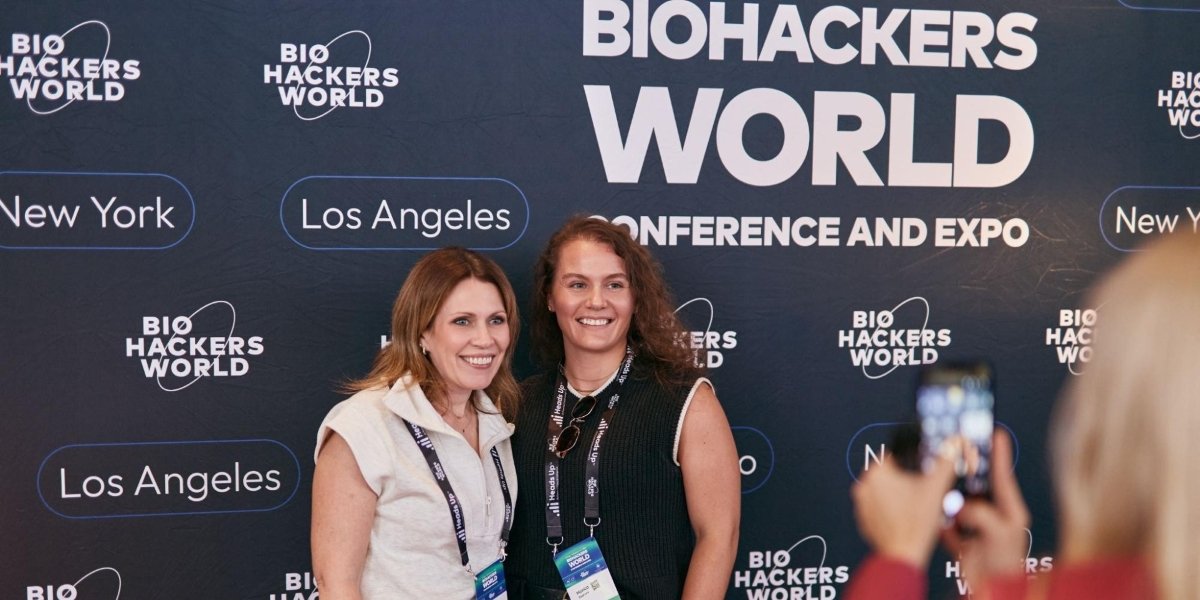
On September 4 and 5, 2026, leaders in human optimization, longevity, and wellness gathered in Downtown Chicago. Set against the Gold Coast skyline at The Ritz-Carlton, Chicago, the Biohackers World Conference and Expo offered a two-day deep dive into the technologies, science, and daily practices shaping the future of human health.

Drawing 1,500 attendees from more than 20 countries, the event brought together biohackers, medical professionals, longevity experts, and wellness advocates. The expo floor featured over 65 wellness brands, and the schedule included more than 30 talks and immersive experiences.

A Convergence of Minds and Modalities

Biohackers World is a curated wellness event that draws a mixed audience. According to organizers, 26% of attendees are dedicated biohackers and wellness enthusiasts, while 20% are medical professionals and functional medicine doctors. Founders, scientists, and physical health advocates round out the audience.

Attendees move between the Keynote Hall, where speakers share research, and the Experience Hall, which offers guided movement, meditation, and wellness sessions. The Expo Hall features live product demos, free health assessments, and new products from exhibitors.

Featured Speakers and Sponsors

The Chicago event featured a roster of over 35 speakers and experts. Three of them also have ties to the event’s sponsors and exhibitors.

Philipp Samor von Holtzendorff-Fehling

A bio(energy)hacker, von Holtzendorff-Fehling is the Founder and CEO of Leela Quantum Tech and Quantum Upgrade. His work focuses on quantum energy and wellness technology. Leela Quantum Tech was a Title Sponsor of the event.

Dr. Nathan S. Bryan

Dr. Bryan is the Founder, Chairman, and CEO of N1o1 by Pneuma Nitric Oxide, which was also a Title Sponsor of the event. A researcher in nitric oxide biochemistry, Dr. Bryan has spent more than two decades studying how the body produces and uses the molecule.

Robby Besner, PSc.D.

Chief Science Officer and Co-Founder of Therasage, Besner brings decades of experience in developing integrated infrared technology and wellness devices. Therasage was featured as a Platinum Exhibitor at the conference.

Tailored Experiences for Every Ambition

Recognizing that the biohacking community ranges from curious beginners to seasoned clinical practitioners, the conference offers tiered access to suit varying ambitions.

• General Admission: Provides foundational access to all keynote talks, panels, the Expo Hall, and the Experience Hall, allowing attendees to explore new brands and receive on-site samples.

• The Practitioner Pass: Specifically designed for coaches, therapists, and health professionals, this tier facilitates stronger connections within the ecosystem, offering private access to the One-on-One Conversations Lounge to speak directly with featured experts.

• The VIP Experience: For those seeking total immersion, this pass includes premium networking spaces, luncheons with speakers, priority check-in, front-row keynote seating, and access to exclusive evening social events.

An Environment Built for Connection

Beyond the biometrics and devices, the community was a central part of the Biohackers World Conference. Attendees met new contacts across the expo floor and during speaker luncheons. According to organizers, 85% of participants made valuable industry contacts and 92% planned to return, and the event supported business collaborations, practitioner development, and consumer education. By bringing together 1,500 attendees, 35 expert speakers, and 65 wellness brands under one roof at Water Tower Place, organizers created a path from educational keynotes to experience sessions.

That momentum now shifts toward the next chapter: the upcoming Biohackers World Conference and Expo in Miami, scheduled for January 16 and 17, 2027. Set against the waters of Biscayne Bay at the luxurious InterContinental Miami, the two-day gathering will unite leading health innovators, visionary speakers, and wellness pioneers to explore the next frontier of longevity, recovery, and human performance. Featuring world-class keynotes, hands-on expo demonstrations, and curated networking spaces, Miami 2027 stands ready to push the boundaries of human potential even further, offering a vibrant hub where transformative ambition meets actionable science. Event details and tickets are available on the Biohackers World ticketing page.

SUNSKAARA Offers a Stylish Escape From Winter With Its Resort Collection

When Chicago winter arrives, sunshine starts sounding less like a luxury and more like a plan.

For travelers dreaming about warmer destinations, SUNSKAARA’s Resort Collection offers a wardrobe inspired by the art of escape.

What Makes Resort Fashion Different?

Resort fashion occupies a unique place in a woman’s closet.

Unlike strictly seasonal clothing, it represents anticipation, the excitement of an upcoming trip, a new destination and days when the normal routine temporarily disappears.

SUNSKAARA approaches that category with an emphasis on relaxed sophistication.

The brand’s resortwear draws on artisanal craft. Its kaftans, tunics, wrap dresses and block-print pieces are made in collaboration with skilled artisans in India, and details like hand block printing and embroidery give each garment visible texture and character.

The modern traveler wants fashion that looks considered without requiring complicated styling. She wants pieces that pack well, transition throughout the day and give her enough flexibility to enjoy the destination rather than constantly changing outfits.

That practicality does not mean resort fashion should become forgettable.

Vacation remains one of the times when women often experiment most with their wardrobes.

A destination creates permission to try something new. A bold print that might feel like too much on a February commute through the Loop suddenly makes sense beside a pool in Tulum or on a terrace in Key West.

From Cold Weather to Sunshine

For Chicago consumers, the transition can be especially dramatic.

One morning begins with winter coats and freezing temperatures. Hours later, the same traveler may be stepping into Miami sunshine or arriving at a tropical resort.

A thoughtfully planned resort wardrobe makes that transformation easier. Lightweight, breathable fabrics fold into a carry-on without much fuss. A single kaftan can move from a beach cover-up at noon to a relaxed dinner look after sunset with nothing more than a change of sandals and jewelry.

A Resort Collection That Completes the Winter Story

SUNSKAARA’s seasonal story also begins before the trip.

Its Holiday and Winter Collection, including its pajama offerings, celebrates the colder months through comfort and gathering. Pajama sets made for slow mornings at home and festive pieces for seasonal get-togethers carry the same attention to pattern and handwork found in the brand’s warm-weather designs.

The Resort Collection represents what comes next.

That creates a complete winter narrative: enjoy the cozy moments, celebrate the holidays and then start planning the escape.

It is an approach rooted less in rigid fashion rules and more in the rhythms of real life.

For women dreaming of leaving icy sidewalks behind, SUNSKAARA offers a reminder that sometimes the most exciting part of winter is deciding where you are going next.