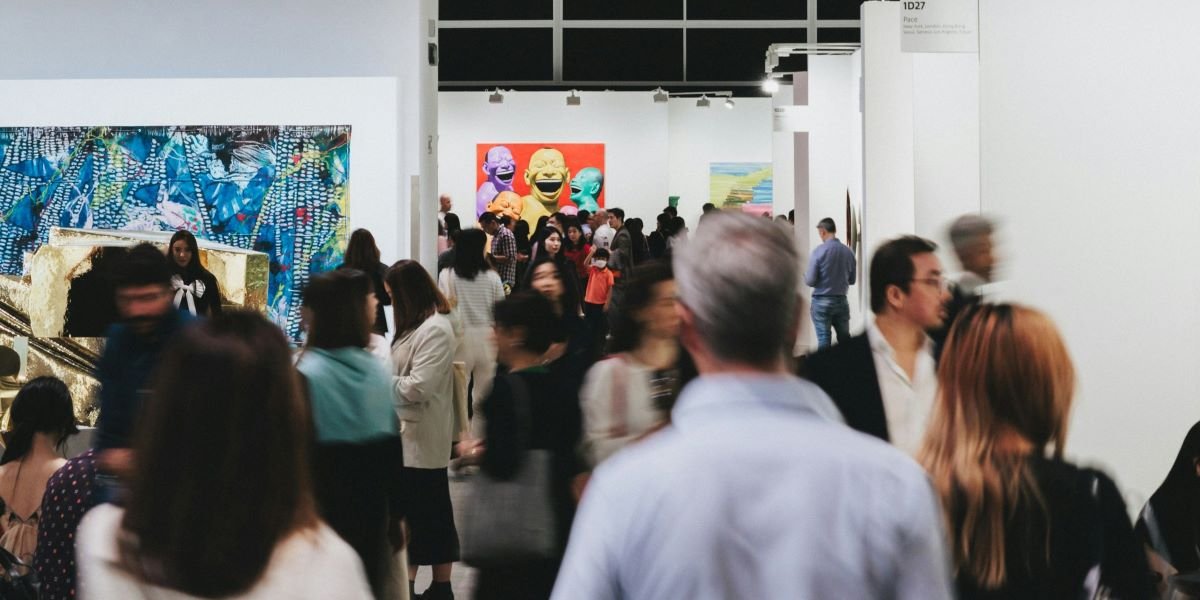
Chicago moves fast. The Brown Line rattles over Wabash Avenue at rush hour. The Michigan Avenue sidewalk fills shoulder to shoulder before 8 a.m. The noise of the city — sirens, conversations, construction, the persistent hum of a metropolis that never quite goes quiet — is part of what defines life here. For millions of residents, that energy is electric. But it is also relentless, and for many Chicagoans, the search for stillness has become as important as any other part of their daily routine.
The good news is that the city has answered. Chicago’s meditation and mindfulness culture has grown steadily over the past decade, expanding from dedicated spiritual centers into neighborhood parks, university campuses, and community basements across all 77 community areas. Finding a moment of peace in Chicago is not only possible — it has never been more accessible.
The City as Practice, Not Obstacle
There is a temptation to think of urban life and meditation as opposites. But longtime practitioners in Chicago push back on that idea. The city’s noise, density, and pace are not barriers to mindfulness — they are the practice itself. Noticing the sound of a passing bus, the smell of rain on concrete, or the rhythm of footsteps on the platform without reaction or judgment is, at its core, what mindfulness asks of any practitioner.
For those starting out, the most direct entry point is breath. Wherever a person is — on the Red Line, waiting for a walk signal on State Street, or eating lunch alone at a desk in the Loop — a few deliberate, slow breaths shift the nervous system in a measurable way. Inhale for four counts, hold for four, exhale for six. Repeat. The city does not need to stop for that to happen.
Neighborhood Anchors: Where Chicago’s Community Gathers
Chicago has always been a city of neighborhoods — each with its own rhythm, character, and heartbeat. Meditation and mindfulness are no longer fringe or foreign here; they have become part of the city’s wellness language. From church basements in Andersonville to yoga studios in Pilsen and art-filled sanctuaries in Rogers Park, meditation groups are emerging across the city and inviting everyone in.
Centers like Insight Chicago, Shambhala Chicago, and the Chicago Zen Center each bring something distinct to the city’s mix. Perhaps the most distinctly Chicagoan expression of community mindfulness can be found at Sangha House in Rogers Park — a space that blends creativity, recovery, and meditation under one roof, where artists, seekers, and neighbors gather not to escape the noise of the city, but to meet it with a calmer mind.
Rogers Park, Logan Square, Hyde Park, and Lincoln Square all host regular community meditation events, and the city’s network continues to grow. The Kadampa Meditation Center Chicago on the North Side offers weekly classes, retreats, and beginner-friendly sessions for residents across the city, while the Chicago School of Meditation provides sessions five days a week and welcomes participants regardless of prior experience.
The Case for Outdoor Practice
Chicago’s park system — 580 parks and more than 8,100 acres of green space spread across the city — offers one of the most underused meditation resources available to residents. Millennium Park’s Great Lawn, the lakefront trail at sunrise, the quiet interior of the Lincoln Park Conservatory among tropical palms, and the prairie paths of the North Branch Trail all create natural pauses from the city’s pace.
At the Lincoln Park Conservatory, visitors can walk through fields of tropical palms and ancient ferns and escape from the stresses of everyday life. The park was designed as a sanctuary of natural beauty and offers a genuinely calm alternative to the surrounding urban environment.
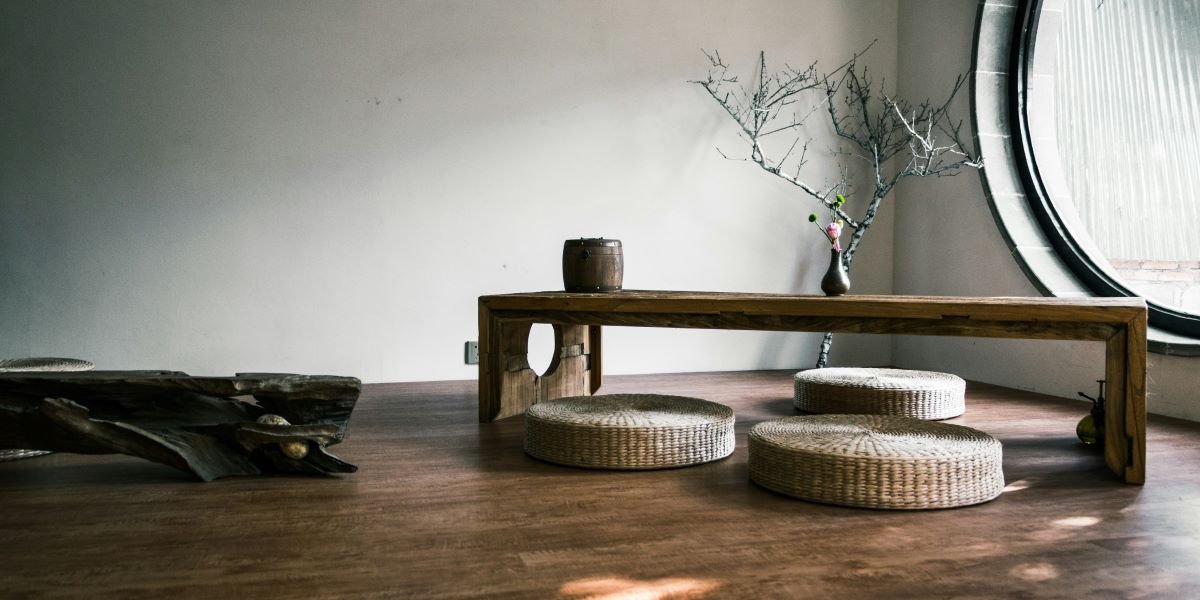
Outdoor meditation does not require a formal posture or a cushion. Sitting upright on a park bench with both feet flat on the ground, eyes softly lowered, and attention placed on the sounds and sensations of the surrounding environment — the wind off the lake, the crunch of gravel underfoot, the distant sound of traffic softening at the edge of the park — is a complete mindfulness practice.
Science Backs What Chicagoans Are Already Feeling
The case for meditation is no longer anecdotal. Decades of peer-reviewed research have established that regular mindfulness practice reduces cortisol levels, lowers blood pressure, improves focus and working memory, and strengthens emotional regulation. In cities with high population density and sustained noise exposure — precisely the environment Chicago represents — the physiological benefits of even brief daily practice are amplified.
Mindfulness-Based Stress Reduction, developed by Jon Kabat-Zinn with over 40 years of empirical data behind it, forms the foundation of several Chicago-based programs including Working Mindfulness Studio, which offers structured MBSR courses designed to help residents develop practical stress reduction tools grounded in scientific research.
The University of Chicago Student Wellness program offers structured mindfulness meditation courses each quarter, reflecting how seriously the city’s academic institutions have come to regard the practice as a health resource — not simply a lifestyle trend.
Making It a Daily Habit in an Urban Environment
The most common obstacle to meditation in a city is not noise — it is the belief that noise makes meditation impossible. Practitioners who have built consistent routines in Chicago offer a consistent piece of advice: start with five minutes, not fifty. Sit in the same place each morning before the day’s obligations take over, whether that is the corner of an apartment, a chair by a window overlooking the street, or a bench in a neighborhood park.
For many Chicagoans, meditation is more than a mental wellness tool — it is part of recovery. Across the city, trauma-informed mindfulness programs and Buddhist-based recovery groups are helping people find healing after addiction, loss, and burnout. In a society that often praises busyness, these communities offer something rare: permission to rest.
The city will keep moving regardless. The trains will run, the streets will fill, and the work will be there waiting. What changes with a consistent practice is not the city — it is the relationship to it. Chicago does not become quieter. The practitioner simply stops needing it to be.