By: Tony Collins
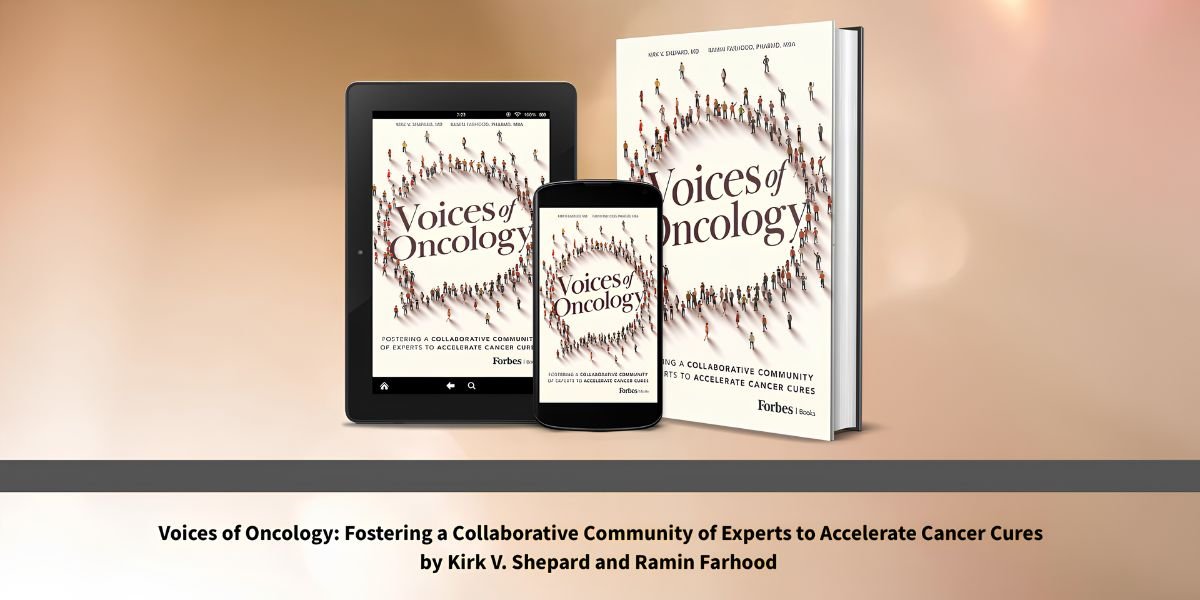
The most honest thing Kirk V. Shepard and Ramin Farhood say in Voices of Oncology is also the most uncomfortable: that the pace of progress against cancer has been limited not primarily by the absence of scientific knowledge but by the absence of genuine collaboration among the people who hold pieces of that knowledge in separate institutions, separate disciplines, and separate professional cultures that were never designed to talk to each other with the urgency this disease demands. That observation is not new, but this book is the most thorough and most credible treatment of it that has yet been assembled, and it arrives with the accumulated authority of two authors whose careers have given them both the access and the standing to say it clearly.
Reading this book produces a specific quality of engaged frustration that is the most appropriate response to the situation it describes. You find yourself genuinely moved by the stories of what becomes possible when collaboration actually happens, and genuinely troubled by the systemic patterns that make it so difficult to sustain. That combination of inspiration and productive discomfort is exactly what a book on this subject should generate, and Shepard and Farhood achieve it not through rhetorical manipulation but through the weight of real evidence offered by real experts who have been living inside these challenges for decades.
The thirty-three contributors whose voices populate the book represent a deliberately assembled range of perspectives, and the deliberateness of that assembly is one of the book’s quiet achievements. Pharmaceutical executives sit alongside patient advocates. Academic researchers sit alongside healthcare innovators. The voices that typically operate in separate professional ecosystems are brought into a single conversation, and the result is a picture of oncology that is more complete than any single corner of the field could produce on its own. The book’s treatment of diversity, inclusion, and the role of patient experience in shaping the direction of cancer research is particularly valuable, reflecting an understanding that the communities most affected by cancer have historically had the least influence over the strategies designed to address it.
Shepard and Farhood write with the combined authority of scientists, executives, and genuine advocates for a field they have spent their careers trying to make more effective. The prose is clear and purposeful without being clinical, accessible without being simplified, and consistently oriented toward the practical question of what actually needs to change rather than the theoretical question of what ideal collaboration might look like in the abstract.
Voices of Oncology is a book that treats its subject with the seriousness it deserves and its readers with the intelligence they bring. For anyone in or adjacent to oncology who wants to understand the current state of the field and the most credible vision for accelerating its progress, this is essential and urgently relevant reading.
If the idea that collaboration is the missing ingredient in the race toward cancer cures resonates with something you already believe, Voices of Oncology by Kirk V. Shepard and Ramin Farhood will give that belief both depth and direction. Head over to Amazon and get your copy today. The cure starts with the conversation, and this book is where that conversation begins.