

By: Kattie Muniz
For years, weight loss has had the same equation: eat less, weigh less. And with medications like GLP-1s continuing to gain traction, that equation is being accelerated in ways that can feel remarkably effective for some individuals.
Do GLP-1s work? Yes. People often experience less appetite, and the results are widely reported. For Nikkiey Stott, however, the speed at which it’s working is where the conversation is incomplete.
“The concern isn’t that women are losing weight,” Stott explains. “It’s how quickly they are losing, and what they could be sacrificing in the process.”
Nikkiey Stott and WarriorBabe
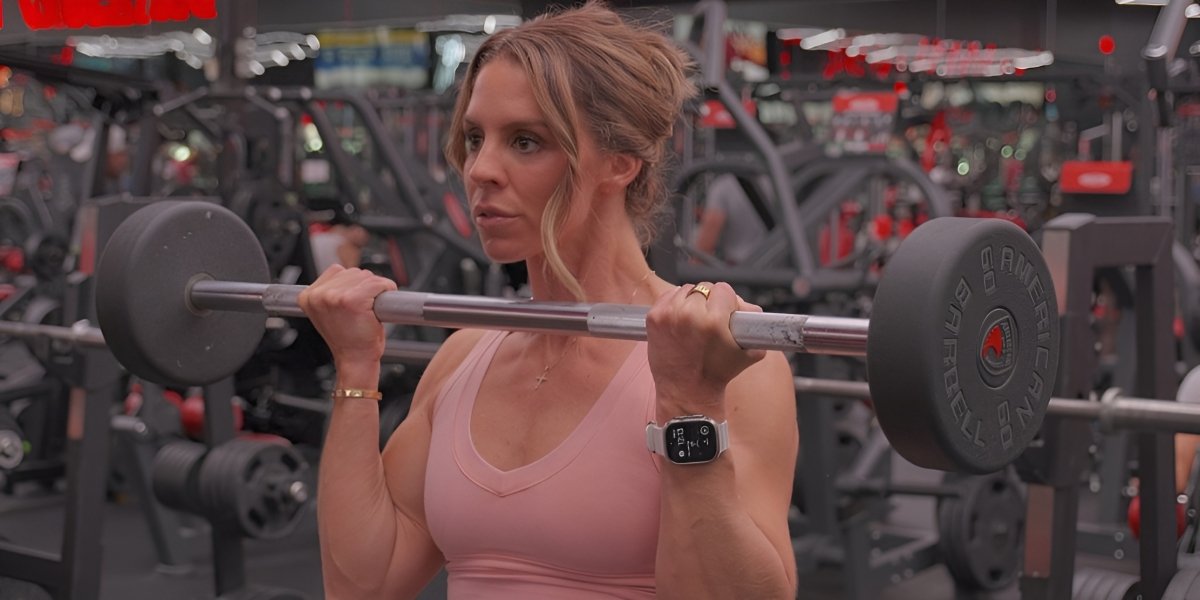
Stott has spent years working with women over 40, helping them rebuild strength, confidence, and metabolic health. She also co-founded WarriorBabe, a coaching platform designed specifically for women navigating perimenopause and menopause.
“At WarriorBabe, we challenge the idea that aging means decline,” shares Stott. The goal is not just to lose weight, but to build a healthy body that can support long-term vitality.
WarriorBabe is not just a workout platform. It’s a coaching program that teaches women about their bodies and the right exercises they need to work with their changing physiology while also offering structured programming and accountability. The platform helps women understand how fluctuating hormones in midlife can impact fat loss, energy, recovery, motivation, and, more importantly, what to actually do about it.
Instead of being told to eat less and move more, the women at WarriorBabe are given tools and guidance to make decisions that may support their long-term goals. “This is what creates results that are more likely to be sustainable, not just fast, unsupported weight loss.”
The Cost of Fast Results
GLP-1 medications have reshaped the weight loss industry by targeting appetite regulation. For many women, especially those navigating midlife changes, starting a GLP-1 regimen can feel like relief after years of frustration. Hunger becomes manageable, and progress becomes visible. But there’s a catch.
“The problem is, the body can’t tell the difference between fat and muscle,” Stott points out. When weight loss is driven primarily by reduced intake, without the counterbalance of resistance training and sufficient protein, the body may adapt in ways that include breaking down muscle tissue.
“People have a hard time understanding the purpose of muscle,” shares Stott. “Muscle isn’t just aesthetic. It’s not about getting toned. Muscle helps regulate metabolism and supports your body for movement. More importantly, muscle health is closely associated with long-term health.”
To lose muscle, then, is not just about being smaller. It can also impact the body’s overall performance.
Refining the Metric of Progress
Much of the tension surrounding GLP-1 use stems from how success is measured. The scale, long treated as the primary indicator of progress, offers a single data point that reflects changes in weight but not in the quality of progress.
“At WarriorBabe, progress isn’t defined by how quickly someone can lose weight,” Stott says. “We measure muscle gain and effort.”
A body that weighs less but has lost significant muscle may appear successful by society’s standards, but it often comes with a slower metabolism, reduced strength, and increased difficulty maintaining results over time. Those downsides can contribute to many women finding themselves cycling back, repeating patterns that may not support long-term outcomes.
When it comes to GLP-1s, for Nikkiey Stott, the question shifts from “How much did you lose?” to “What did you keep?”
The Body in Midlife
During perimenopause and menopause, hormonal changes begin to influence how the body stores fat, builds muscle, and recovers from stress. Estrogen declines, muscle protein synthesis becomes less efficient, and energy levels fluctuate in ways that can feel unpredictable.
These changes are often interpreted as failures. “But they’re not,” Stott points out. “The body is adapting.”
What works for younger women doesn’t necessarily apply to women over 40. Metabolism, muscle breakdown, and life in general have all changed, so why hasn’t the approach to getting healthy?
Strength as a Strategy, Not an Outcome
At WarriorBabe, the approach is deliberately structured around strength, not as a secondary goal, but as the main reason for working out and getting healthy.
“Strength training can’t be optional,” says Stott. “It’s widely considered to be the very thing the body needs right now.”
Resistance training signals the body to preserve muscle, even in periods of caloric deficit, and provides structure in a system that is otherwise becoming more sensitive to change. Without that signal, the body often defaults to efficiency. In this context, efficiency can mean letting go of muscle.
This is where the conversation around GLP-1s should also include a discussion about lifestyle support. The medication isn’t necessarily the issue. It is the assumption that no additional effort is required.
“If someone is using GLP-1s but not strength training,” shares Stott, “they may be missing an important component that supports their long-term health.”
A More Complete Conversation Around Weight Loss
The rise of GLP-1s has opened the door for many people who felt like they just couldn’t lose the weight. It made health more accessible, which is important, but as Nikkiey Stott continues to emphasize, accessibility does not replace understanding. Taking GLP-1s without adding in the right exercises and mindset may limit long-term progress and overall health outcomes.
“I’m not rejecting the use of GLP-1s,” Stott says. “I’m rejecting the idea of women over 40 looking at the scale and using that as their only metric of health. At WarriorBabe, we value longevity and a holistic approach to health.”
The future of women’s health isn’t smaller bodies, but stronger ones.
Disclaimer: The information presented in this article is for general informational and educational purposes only and is not intended as medical advice, diagnosis, or treatment. The views expressed are those of the individual quoted and are based on personal experience and professional perspective. GLP-1 medications and any related health strategies should only be used under the supervision of a licensed healthcare provider. Individual responses to medications, nutrition plans, and exercise programs can vary significantly based on medical history, current health status, and other personal factors. Before starting, stopping, or modifying any medication, supplement, diet, or fitness program, readers are encouraged to consult with a qualified physician or healthcare professional to determine what may be appropriate for their specific needs.