The Chicago Journal

High Stakes in Paradise: David Myles Robinson Introduces a Compelling Legal Thriller Series with Tropical Lies

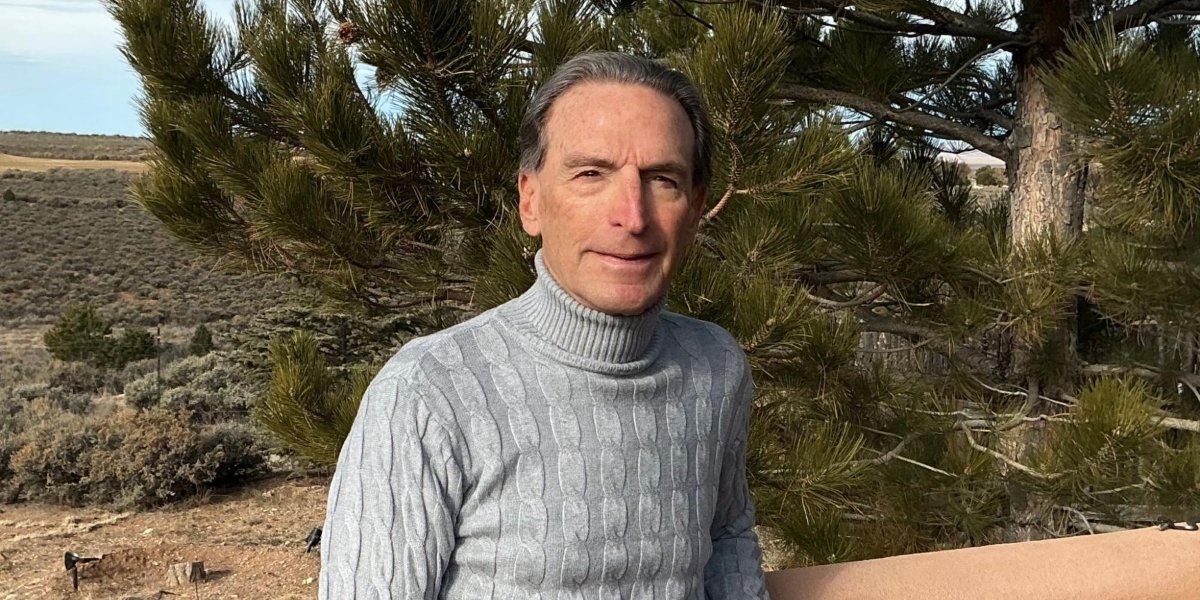
By Clint Wallace

Legal thrillers thrive on tension, moral uncertainty, and the high drama of the courtroom. In Tropical Lies, author David Myles Robinson brings all of those elements together against the striking backdrop of Hawaii, launching the Pancho McMartin Legal Thrillers series with a case that tests the limits of justice, strategy, and personal risk. With the second book already released, Robinson’s series has quickly established itself as a character-driven exploration of law, deception, and consequence.

Tropical Lies opens with the brutal murder of Honolulu’s most sought-after investment counselor, found dead in his own backyard. Pancho McMartin, a top criminal defense attorney, is hired to defend a former mercenary accused of the crime. As the trial unfolds and the lies surrounding the case are exposed, the evidence against Pancho’s client becomes overwhelming. With the courtroom battle turning against him and time running out, Pancho realizes there may be only one final move left to make—a gamble so risky it could destroy his career and send his client to prison for life.

A Story Inspired by Real-Life Intrigue

The origins of Tropical Lies date back to a real criminal case in Honolulu that left a lasting impression on Robinson.

“My inspiration for the story was a real-life criminal in Honolulu by the name of Ron Rewald, who used some of Hawaii’s famous names for the name of the financial firm he set up. It was a huge Ponzi scheme. Lots of well-known local people were caught up in it,” Robinson explains.

The case took an extraordinary turn when Rewald was apprehended. “When he was ultimately caught, he claimed that he had been working for the CIA all along,” Robinson says. While the claim sounded unbelievable, the courtroom reality was far more complex. A close friend of Robinson’s served on the defense team and described a trial that operated under unusual constraints. “The Federal Judge required all the attorneys to get classified clearance, and he refused to admit a ton of evidence that the defense tried to admit. Crazy case.”

Rather than recreating the events directly, Robinson drew from the fraud and intelligence angle to craft a fictional case worthy of a high-stakes legal thriller. “So, I used the fraud and the CIA angle to create the story. Pancho was more or less just coming into his own as a top criminal defense attorney, so I wanted him to take on a blockbuster case.”

Building a Series-Worthy Protagonist

From the beginning, Robinson knew Pancho McMartin would need to carry a series. Establishing his voice and background was essential.

“First off, I wanted him a little bit quirky,” Robinson says. Pancho’s unconventional upbringing plays a key role in shaping his personality. He was born and raised in Taos, New Mexico, “home of some of the original hippies, and was born on a commune.”

Even Pancho’s name carries a story. His parents claimed they named him Pancho so he would fit in better in mostly Hispanic schools—an explanation Robinson calls “patently absurd.” Pancho’s own theory is more irreverent: “They dropped acid to celebrate his birth and named him while stoned.”

Once Pancho begins practicing law in Hawaii, he adopts a distinctive professional style. “He adopted his ‘uniform’ of blue jeans and cowboy boots, along with the more traditional dress shirt, tie, and blazer.”

Relationships, Humor, and Human Stakes

Robinson was also intentional about grounding Pancho’s legal battles in a personal life that feels real. “As he was a bachelor, I thought it important to have love interests, and as the series progresses, we see how his work as a lawyer at times interfered with his relationships.”

Pancho’s world is further enriched by his partnership with his investigator. “I also wanted him to have a good sidekick, his Samoan investigator, with whom he surfed and engaged in humorous ‘trash talk.’”

As a haole in Hawaii, Pancho occupies a unique social position. Robinson notes that Pancho “was a minority in Hawaii, a haole, who had an uncanny ability to relate to local juries—possibly in part to having grown up as a minority in Taos.”

Hawaii as Contrast and Catalyst

Having practiced law in Honolulu for decades, Robinson knew the setting was inseparable from the story.

“First of all, having been a trial attorney in Honolulu for forty years, it was the obvious place to set the series,” he says. “The contrast between the high tension/risk of trial work, particularly criminal defense, and the gentle beauty of Hawaii is compelling.”

That contrast is reflected in Pancho’s routine. “On more than one occasion, we see Pancho leave court and have an almost surreal feeling of serenity once he reemerges into the paradise in which he lives.” Surfing, Robinson adds, “is his major form of relaxation.”

Deception, Truth, and the Courtroom

Deception is a central theme throughout Tropical Lies. “Criminal defense (and prosecution) is really all about lies and deception and ultimately (hopefully) finding the truth,” Robinson explains.

Pancho sets firm boundaries with his clients. “Pancho tells his new clients he won’t tolerate their lying to him, yet he knows that virtually all of his clients will, at some point, lie.”

Still, Pancho himself draws a hard line. “I never have Pancho lie, and he makes it clear to his clients that if he knows they are lying, he will not allow them to testify.”

Realism Without Losing Momentum

Robinson’s courtroom scenes are shaped by professional experience. “Some of the best compliments I have received about the Pancho series are from other trial attorneys (some also authors) who praise me for the realism of the trial scenes,” he says.

He is mindful of balancing accuracy with pacing. “So, I take pains to make the courtroom scenes realistic while summarizing some of the most boring aspects of a trial (and there is a lot of boredom in real-life trials).”

Suspense, he notes, comes from witness testimony: “What will a particular witness say? Will a witness lie? Can Pancho break a witness on cross-examination?”

A Series That Continues to Evolve

Readers who continue on to Tropical Judgments and Tropical Doubts see Pancho tested in new ways. “The primary foundation is Pancho’s character and his interaction with Drew, his investigator, his secretaries, and with the prosecutor we see most often, Harry Chang,” Robinson says.

Looking ahead, Robinson remains inspired by Hawaii itself. “All of my Pancho books are inspired by my life in Hawaii,” he explains, from “the rhythm of life and the people” to “the dark side of what most people think of as the wonderfully gentle and welcoming Aloha State.”

Tropical Lies is now available on Amazon. 
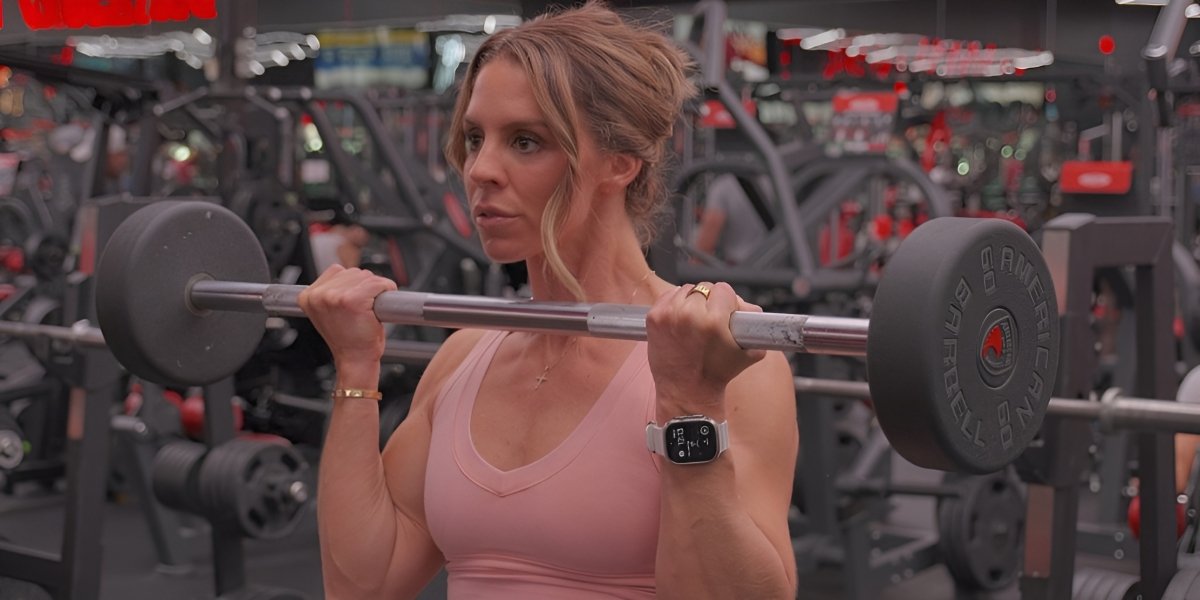
The Hidden Risk of GLP-1s: Are Women Over 40 Losing Muscle Along With Weight

By: Kattie Muniz

For years, weight loss has had the same equation: eat less, weigh less. And with medications like GLP-1s continuing to gain traction, that equation is being accelerated in ways that can feel remarkably effective for some individuals.

Do GLP-1s work? Yes. People often experience less appetite, and the results are widely reported. For Nikkiey Stott, however, the speed at which it’s working is where the conversation is incomplete.

“The concern isn’t that women are losing weight,” Stott explains. “It’s how quickly they are losing, and what they could be sacrificing in the process.”

Nikkiey Stott and WarriorBabe

Stott has spent years working with women over 40, helping them rebuild strength, confidence, and metabolic health. She also co-founded WarriorBabe, a coaching platform designed specifically for women navigating perimenopause and menopause.

“At WarriorBabe, we challenge the idea that aging means decline,” shares Stott. The goal is not just to lose weight, but to build a healthy body that can support long-term vitality.

WarriorBabe is not just a workout platform. It’s a coaching program that teaches women about their bodies and the right exercises they need to work with their changing physiology while also offering structured programming and accountability. The platform helps women understand how fluctuating hormones in midlife can impact fat loss, energy, recovery, motivation, and, more importantly, what to actually do about it.

Instead of being told to eat less and move more, the women at WarriorBabe are given tools and guidance to make decisions that may support their long-term goals. “This is what creates results that are more likely to be sustainable, not just fast, unsupported weight loss.”

The Cost of Fast Results

GLP-1 medications have reshaped the weight loss industry by targeting appetite regulation. For many women, especially those navigating midlife changes, starting a GLP-1 regimen can feel like relief after years of frustration. Hunger becomes manageable, and progress becomes visible. But there’s a catch.

“The problem is, the body can’t tell the difference between fat and muscle,” Stott points out. When weight loss is driven primarily by reduced intake, without the counterbalance of resistance training and sufficient protein, the body may adapt in ways that include breaking down muscle tissue.

“People have a hard time understanding the purpose of muscle,” shares Stott. “Muscle isn’t just aesthetic. It’s not about getting toned. Muscle helps regulate metabolism and supports your body for movement. More importantly, muscle health is closely associated with long-term health.”

To lose muscle, then, is not just about being smaller. It can also impact the body’s overall performance.

Refining the Metric of Progress

Much of the tension surrounding GLP-1 use stems from how success is measured. The scale, long treated as the primary indicator of progress, offers a single data point that reflects changes in weight but not in the quality of progress.

“At WarriorBabe, progress isn’t defined by how quickly someone can lose weight,” Stott says. “We measure muscle gain and effort.”

A body that weighs less but has lost significant muscle may appear successful by society’s standards, but it often comes with a slower metabolism, reduced strength, and increased difficulty maintaining results over time. Those downsides can contribute to many women finding themselves cycling back, repeating patterns that may not support long-term outcomes.

When it comes to GLP-1s, for Nikkiey Stott, the question shifts from “How much did you lose?” to “What did you keep?”

The Body in Midlife

During perimenopause and menopause, hormonal changes begin to influence how the body stores fat, builds muscle, and recovers from stress. Estrogen declines, muscle protein synthesis becomes less efficient, and energy levels fluctuate in ways that can feel unpredictable.

These changes are often interpreted as failures. “But they’re not,” Stott points out. “The body is adapting.”

What works for younger women doesn’t necessarily apply to women over 40. Metabolism, muscle breakdown, and life in general have all changed, so why hasn’t the approach to getting healthy?

Strength as a Strategy, Not an Outcome

At WarriorBabe, the approach is deliberately structured around strength, not as a secondary goal, but as the main reason for working out and getting healthy.

“Strength training can’t be optional,” says Stott. “It’s widely considered to be the very thing the body needs right now.”

Resistance training signals the body to preserve muscle, even in periods of caloric deficit, and provides structure in a system that is otherwise becoming more sensitive to change. Without that signal, the body often defaults to efficiency. In this context, efficiency can mean letting go of muscle.

This is where the conversation around GLP-1s should also include a discussion about lifestyle support. The medication isn’t necessarily the issue. It is the assumption that no additional effort is required.

“If someone is using GLP-1s but not strength training,” shares Stott, “they may be missing an important component that supports their long-term health.”

A More Complete Conversation Around Weight Loss

The rise of GLP-1s has opened the door for many people who felt like they just couldn’t lose the weight. It made health more accessible, which is important, but as Nikkiey Stott continues to emphasize, accessibility does not replace understanding. Taking GLP-1s without adding in the right exercises and mindset may limit long-term progress and overall health outcomes.

“I’m not rejecting the use of GLP-1s,” Stott says. “I’m rejecting the idea of women over 40 looking at the scale and using that as their only metric of health. At WarriorBabe, we value longevity and a holistic approach to health.”

The future of women’s health isn’t smaller bodies, but stronger ones.


Disclaimer: The information presented in this article is for general informational and educational purposes only and is not intended as medical advice, diagnosis, or treatment. The views expressed are those of the individual quoted and are based on personal experience and professional perspective. GLP-1 medications and any related health strategies should only be used under the supervision of a licensed healthcare provider. Individual responses to medications, nutrition plans, and exercise programs can vary significantly based on medical history, current health status, and other personal factors. Before starting, stopping, or modifying any medication, supplement, diet, or fitness program, readers are encouraged to consult with a qualified physician or healthcare professional to determine what may be appropriate for their specific needs.

Chicago’s 2013 School Closures: What New Research Reveals

In 2013, the city of Chicago made a decision that changed the lives of thousands of families. Citing a massive budget deficit and buildings that were half-empty, the Chicago Board of Education voted to close nearly 50 public schools. At the time, it was the largest mass school closure in the history of the United States. Officials promised that by moving students to better-performing “welcoming schools,” the children would receive more resources and see their grades improve.

Thirteen years later, a wave of new research is looking back at what actually happened. The findings are sparking a fresh debate as other cities across the country, like Cleveland and districts in Vermont, consider similar plans. The data suggests that for most students, the promised “brighter future” never fully arrived. Instead, many children faced years of academic struggle and emotional stress that offset any benefits of the new schools.

A Disruption That Lasted Years

When a school closes, it is not just a building that disappears. For many children in Chicago’s South and West sides, their school was the heart of their community. New analysis from the University of Chicago Consortium on School Research shows that the transition was far from smooth. In the year the closures were announced, students immediately began to fall behind. On average, they lost about one and a half months of progress in reading and two months in math.

While reading scores eventually bounced back after a year, the struggle in math lasted much longer. For many, it took four full years to catch up to where they should have been. This delay was especially hard on younger students. Researchers found that children who were in the third through fifth grades at the time of the closures saw their grade point averages drop. Because grades are often a better predictor of high school graduation than test scores, this dip caused long-term concern for educators.

The Reality of “Welcoming Schools”

The plan relied on the idea that students would move to much better schools. However, the reality on the ground was different. Most students did move to schools with slightly higher ratings, but the difference was not big enough to spark major improvements. Only about 20 percent of the displaced students ended up in the city’s top-tier schools. The rest remained in schools that struggled with similar challenges as the ones that had been closed.

Marisa de la Torre, a researcher who has spent years studying these effects, noted that the jump in quality just wasn’t there for most kids. She explained that some students, specifically those who were able to get into very high-performing schools, did see academic gains. But for the majority, the difference between their old school and their new one was not dramatic enough to help them overcome the trauma of the move.

Emotional Toil and Broken Connections

Beyond the numbers on a test, the closures had a deep emotional impact. Students and teachers reported a period of “mourning” for their old schools. Long-standing social connections were severed overnight. When the two groups of students merged, it often created a tense environment. In some cases, children had to walk through unfamiliar or unsafe neighborhoods, crossing gang territories they had previously avoided.

The transition also put a heavy burden on the staff at the welcoming schools. Many felt they were not given enough support or time to prepare for the sudden influx of hundreds of new students. This lack of preparation led to a chaotic first year for many programs. Instead of focusing on new technology or better libraries, teachers were often busy just trying to manage the social dynamics of a combined and grieving student body.

Lessons for Other Cities in 2026

As school districts nationwide face declining enrollment and rising costs today, many leaders are looking at Chicago’s legacy as a warning. The research shows that simply moving a student to a “better” school on paper does not guarantee success. If the move is handled with too much speed or without enough emotional support, the disruption can do more harm than the new resources do good.

In Chicago, the debate has led to a long moratorium on school closures, but that pause is nearing its end. Current leaders, including Mayor Zohran Mamdani, are being urged to listen more closely to parents and teachers before making similar moves. Schools Chancellor Kamar Samuels has emphasized that high-quality programs give the youngest residents a strong foundation, but those programs must be stable and well-supported to work.

The legacy of 2013 continues to influence policy in the city. Many advocates argue that instead of closing schools, the city should invest in “community schools” that provide healthcare, after-school programs, and adult education. They believe that keeping these institutions open helps stabilize neighborhoods and keeps families from moving away.

For the students who lived through the 2013 closures, the experience remains a defining part of their education. As the class of 2022 and 2023 entered the workforce and college, their stories reminded the city that a school is more than just a line in a budget. It is a place where relationships are built, and when those are broken, the cost is often higher than any financial savings.