
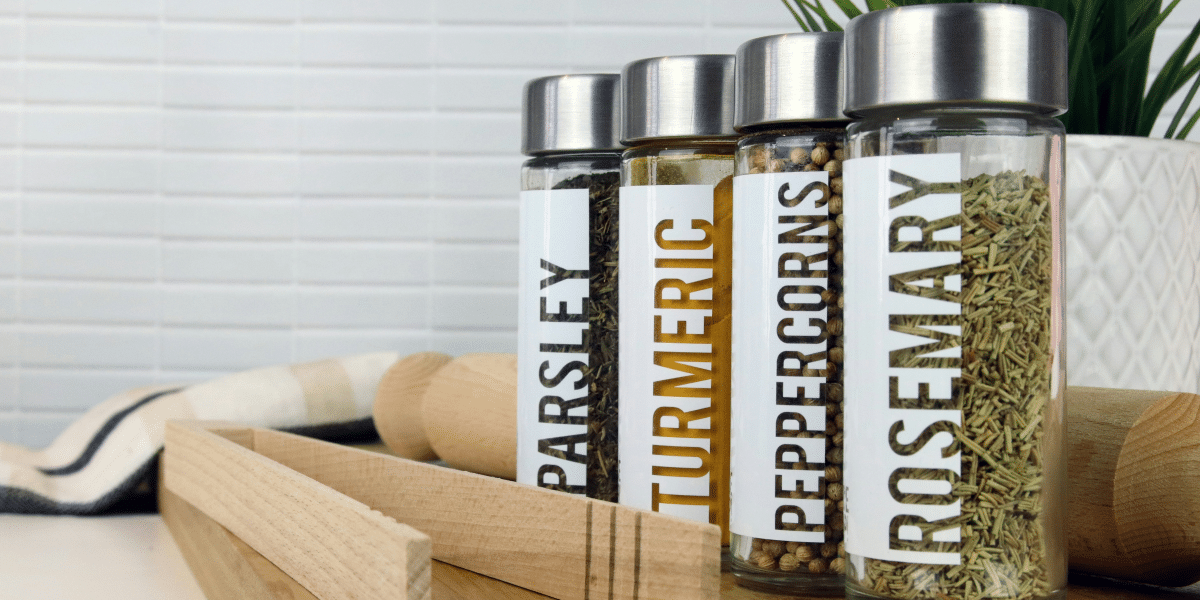
A well-stocked spice rack is like having a toolbox for flavor. Whether you’re a culinary novice or a seasoned home chef, spices have the power to elevate even the most basic of dishes. They can transform a simple chicken breast or a pot of pasta into something vibrant and exciting. The key is knowing which spices to keep on hand and how to use them effectively. Building a versatile spice rack gives you the ability to spice up everyday meals without much effort, all while keeping things fresh and interesting.
The Must-Have Spices for Maximum Flavor
When it comes to building a spice rack, the first step is stocking it with essential spices that offer the most versatility. These are the flavors that can adapt to a variety of dishes and cuisines, and they should form the foundation of your collection. Cumin, for example, is a staple in Middle Eastern, Mexican, and Indian cooking, and it can add a warm, earthy note to anything from roasted vegetables to soups. Smoked paprika is another all-star, lending a rich, smoky flavor to meats, stews, or even scrambled eggs.
Then there’s the powerhouse spice: turmeric. Using turmeric in cooking is an easy way to add depth to your dishes, whether you’re making a simple stir-fry or a hearty stew. Not only does it impart a deep golden hue, but it also adds a subtle bitterness that balances well with sweet and savory elements.
Don’t forget other must-haves like cinnamon, which goes far beyond desserts and can be used in savory dishes like Moroccan tagines or chili. Oregano and thyme are classic herbs that complement everything from grilled meats to tomato-based sauces, while garlic powder and onion powder are instant flavor boosters when you’re short on time. A basic yet dynamic spice collection can unlock endless possibilities for your meals, turning the mundane into something memorable.
How to Properly Store and Use Spices
Even the finest spices in the world will lose their potency if not stored correctly. The first rule of thumb is to keep them away from heat, light, and moisture. While it may be tempting to display your spices near the stove for easy access, the constant exposure to heat can cause them to degrade quickly. Instead, store them in a cool, dark place like a pantry or a closed cabinet. Airtight containers are also a must, as air exposure can cause spices to lose their vibrancy over time.
Another key to maximizing flavor is knowing when and how to add spices during cooking. For spices like cumin or coriander, toasting them briefly in a dry pan before adding them to your dish can bring out deeper, more intense flavors. This technique is commonly used in Indian and Middle Eastern cuisines to release essential oils and enhance the aroma of the spices. It’s best to add ground spices earlier in the cooking process so they can fully integrate with the other ingredients. On the other hand, fresh herbs should be added at the end of cooking to retain their bright, fresh flavor.
Finally, don’t be afraid to experiment with spice combinations. Pairing spices like cinnamon and cayenne can create a unique heat and sweetness in dishes like chili or roasted sweet potatoes. Combining garlic powder, oregano, and smoked paprika can elevate a basic tomato sauce into something truly special. By playing around with different pairings, you’ll spice up your everyday meals and discover new flavor profiles that intrigue your palate.
Spices That Bring Global Flair to Everyday Dishes
One of the easiest ways to bring excitement to your daily cooking routine is by incorporating spices from around the world. A sprinkle of za’atar on roasted vegetables or hummus instantly adds Middle Eastern flair, while a dash of garam masala can bring warmth and complexity to a curry or even a roasted chicken. For those looking to channel Latin American cuisine, ancho chili powder provides a smoky heat that pairs well with grilled meats or hearty beans. Meanwhile, Chinese five-spice, a blend of star anise, cloves, cinnamon, Sichuan pepper, and fennel, can be used in everything from stir-fries to braised meats, adding both sweetness and spice.
Don’t overlook Southeast Asian staples like lemongrass, ginger, and turmeric, which are perfect for building layers of flavor in soups, stews, and marinades. Turmeric is an easy way to add depth to your dishes, whether you’re making a simple stir-fry or a hearty stew. These spices’ bitter, sweet, and savory balance can completely transform a dish, transporting your taste buds to faraway places.
It’s not just about using these spices traditionally. Mixing global flavors can give a modern twist to classic dishes. Imagine adding curry powder to your chicken salad for a touch of heat and spice or dusting your roasted carrots with Chinese five-spice for a unique side dish. Incorporating these global spices doesn’t require you to follow complex recipes; sometimes, a simple sprinkle can change the entire profile of a meal. This is how you take your cooking from routine to extraordinary without spending hours on elaborate preparations.
A well-stocked spice rack is more than just a kitchen essential—it’s a gateway to enhancing the flavors of your everyday meals. Understanding how to store, use, and combine spices opens up a world of culinary possibilities, making each dish not just a meal but an experience.
Published by: Holy Minoza