The Chicago Journal

What Combat Airdrops in Afghanistan Taught Marc Ayala About Leading From the Second Seat

By: Oliver Parker

Before Marc Ayala sat across from a whiteboard with a marker explaining organizational dynamics, he sat in a cockpit scanning the Afghan countryside at zero dark thirty, wearing night vision goggles, calling out altitude and airspeed while his loadmasters prepared to drop thousands of pounds of supplies over a Forward Operating Base where soldiers were down to their last ammunition.

That kind of biography changes what leadership means.

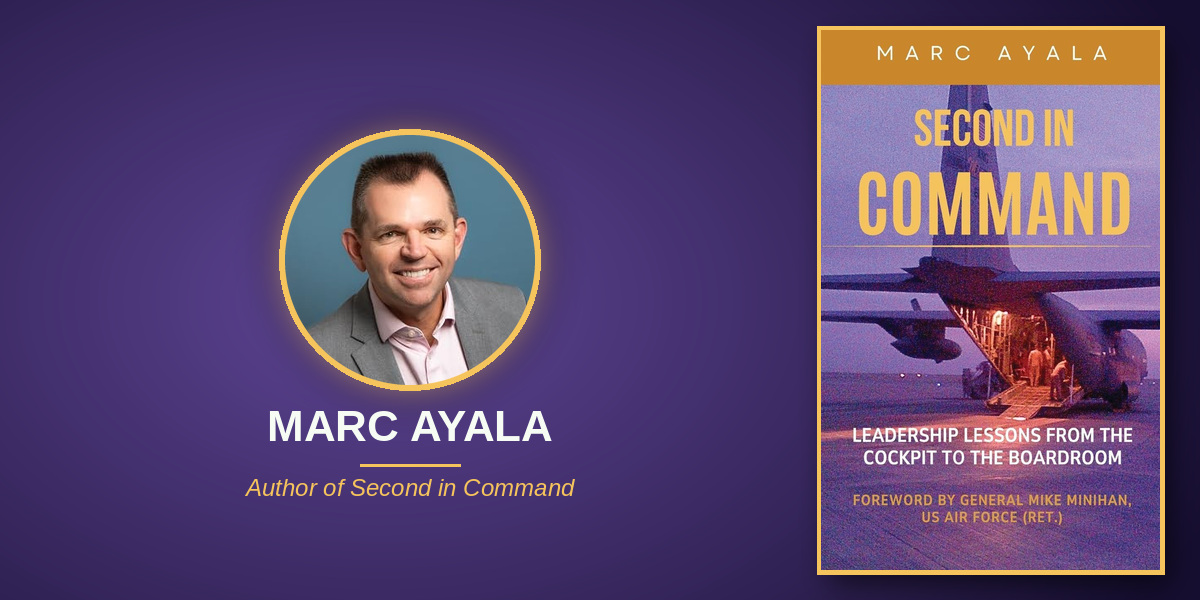
Second in Command: Leadership Lessons from the Cockpit to the Boardroom is not written from the perspective of someone theorizing about high-performance teams. It is written by someone who was in them, under conditions where the gap between a good team and a mediocre one was not measured in revenue or client retention but in whether people came home. Ayala brings that weight into every chapter, and he does it without melodrama, without the performed humility common to military memoirs, and without losing sight of the practical question the book is built around: what does genuine leadership look like for the person who is not at the top?

The Copilot Leadership Checklist that anchors the book presents ten principles. But what makes them stick is the sequencing of the stories Ayala chooses to carry each one. The book opens with a war game exercise at Nellis Air Force Base where a flight of F-16 fighters abandons its escort mission to chase higher-value simulated kills, leaving Ayala’s C-130 exposed and, by the rules of the exercise, destroyed. The debrief becomes a public lesson in what happens when personal statistics override collective mission. The F-16 flight lead, to his credit, finds Ayala later and apologizes. The lesson is not that people are selfish. The lesson is that the wrong goals, pursued energetically, produce the wrong outcomes no matter how talented the people pursuing them.

From that opening the book travels to Oman, then Afghanistan, then into an Instructor Navigator role at Little Rock Air Force Base where a young Marc Ayala has to decide whether to hold a senior officer to the same accountability standard he would hold anyone else. Each story is self-contained and each carries a specific instructional payload. But read in sequence, they build something larger than a list of leadership principles. They build a portrait of a person learning, across years and deployments and genuinely harrowing nights, what it means to be the kind of professional that others can depend on when the situation falls apart.

The chapter on Integrity is the most morally demanding section of the book. Ayala is four rotations deep into Afghanistan, exhausted and spiritually depleted, questioning whether any of it has purpose. His crew carries out a combat airdrop in support of soldiers under direct fire. Then they are turned around immediately to evacuate a casualty. The casualty turns out to be the Taliban fighter who triggered an IED that just wounded one of our soldiers. Ayala describes the moment the discovery lands on the flight deck with the kind of clarity that only comes from actually having been there. He describes his own impulse to do something that would have ended his career and his integrity in a single second. What stopped him was not policy. It was a foundation that held under pressure. That distinction, between compliance and character, between doing the right thing because the rules say so and doing it because of who you are, is the difference the book is quietly making across all ten chapters.

There is also a tenderness in these pages that the genre does not always allow. The dedication is to all those who served in the Global War on Terror and to the “unseen heroes back home that made it all possible.” The community Ayala builds in Afghanistan, part-time Air National Guard members who are coaches and firefighters and small business owners and parents, spending NFL Sundays arguing over whose barbecue is better, is rendered with genuine affection. It reminds the reader that the people building these crews and executing these missions are whole people, not assets, and that the leadership philosophy being developed in these chapters was forged in relationships that lasted long after the deployments ended.

Second in Command rewards readers who believe that leadership is worth taking seriously, that the principles governing how a crew flies together in combat are the same principles governing whether a team trusts each other in a conference room, and that the person in the second seat is never as peripheral to the outcome as the org chart suggests.

Find Second in Command: Leadership Lessons from the Cockpit to the Boardroom by Marc Ayala on Amazon and discover what a career in military aviation reveals about the leadership qualities that hold up under the kind of pressure that never appears in a business school case study.
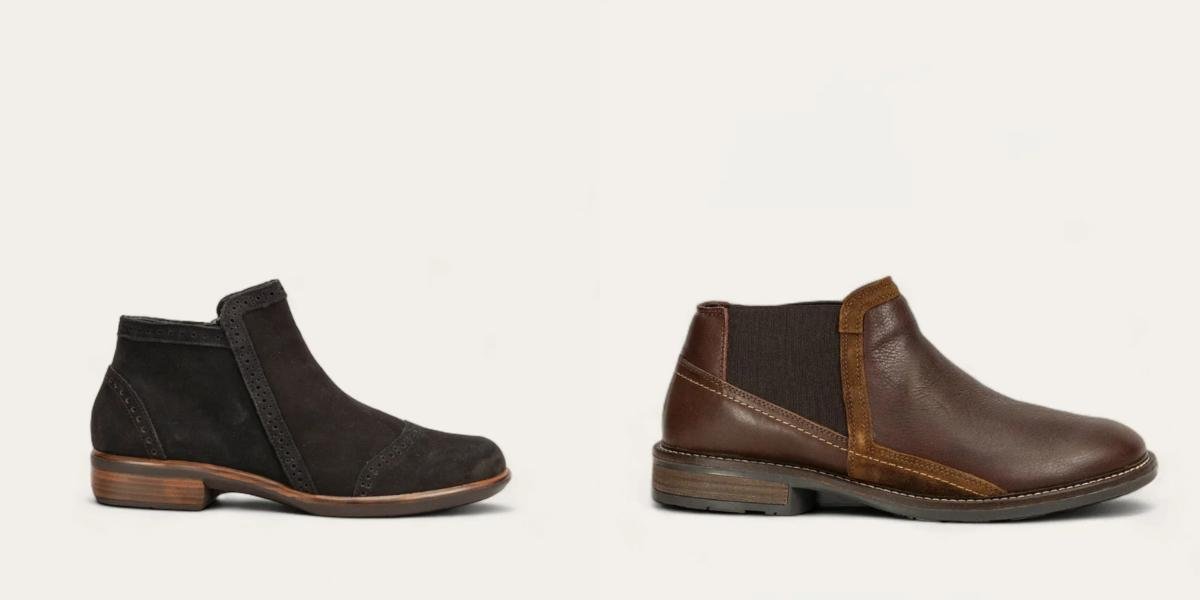
From Holiday Parties to Winter Getaways, NAOT’s Stylish Footwear Does It All

From festive celebrations and elegant dinners to holiday shopping and winter escapes, NAOT brings together sophisticated design and all-day comfort for men and women.

The holiday season is filled with reasons to dress up. From festive cocktail parties and intimate dinners to shopping excursions and weekend getaways, finding the perfect footwear can be just as important as choosing the right outfit. But with packed calendars and long days that often turn into late nights, style alone isn’t enough.

This season, NAOT is making holiday dressing easier with footwear that balances fashion, function, and comfort. Known for its signature anatomical cork-and-latex footbeds, which gradually conform to the natural shape of the foot, the brand creates footwear designed for people who want to look polished without sacrificing support.

With many styles recognized by the American Podiatric Medical Association (APMA) for promoting good foot health, NAOT offers thoughtful footwear that feels as good as it looks.

Whether you’re dressing for a holiday celebration or spending the afternoon exploring your favorite shops, these four styles combine elegance with everyday versatility.

The Goodie: A Little Holiday Shine

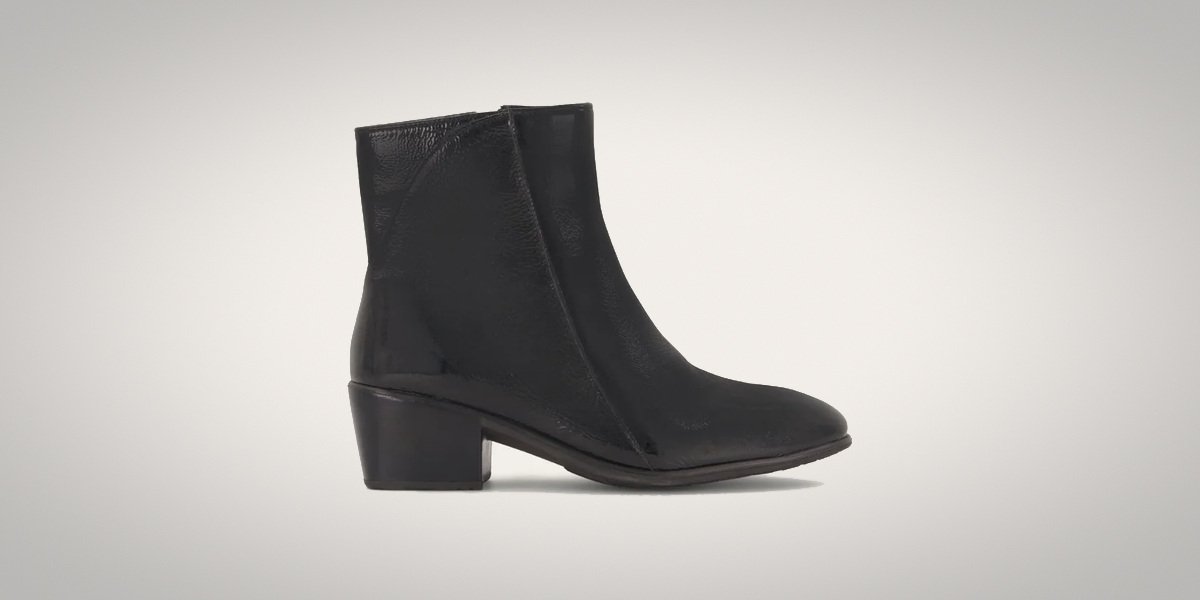
A sleek Chelsea boot is one of the most versatile pieces in a winter wardrobe, and the Goodie brings understated glamour to the season. Available in a striking black crinkle patent leather, its polished finish and 1.8-inch block heel make it a natural choice for holiday dinners, cocktail gatherings, and festive evenings.

Featuring arch support and a removable anatomical cork-and-latex footbed, Goodie pairs well with a satin midi skirt, velvet trousers, or a tailored winter coat. It’s an elegant alternative to traditional party heels that can transition into everyday wear long after the holidays.

Photo Courtesy: Naot

The Nefasi: A Chic Twist on a Classic

For women who favor fashion with a little personality, the Nefasi offers a sophisticated take on the traditional Oxford. Its decorative perforations, lace-up styling, and rich leather and nubuck options give it a distinctive look that feels especially appropriate for the holidays.

With a removable anatomical footbed, supportive construction, and a slip-resistant sole, Nefasi combines polished styling with practicality. Pair it with wide-leg trousers, a cashmere sweater, or a tailored blazer for a chic look that works from afternoon shopping to evening celebrations.

The Business: Sophisticated Holiday Dressing

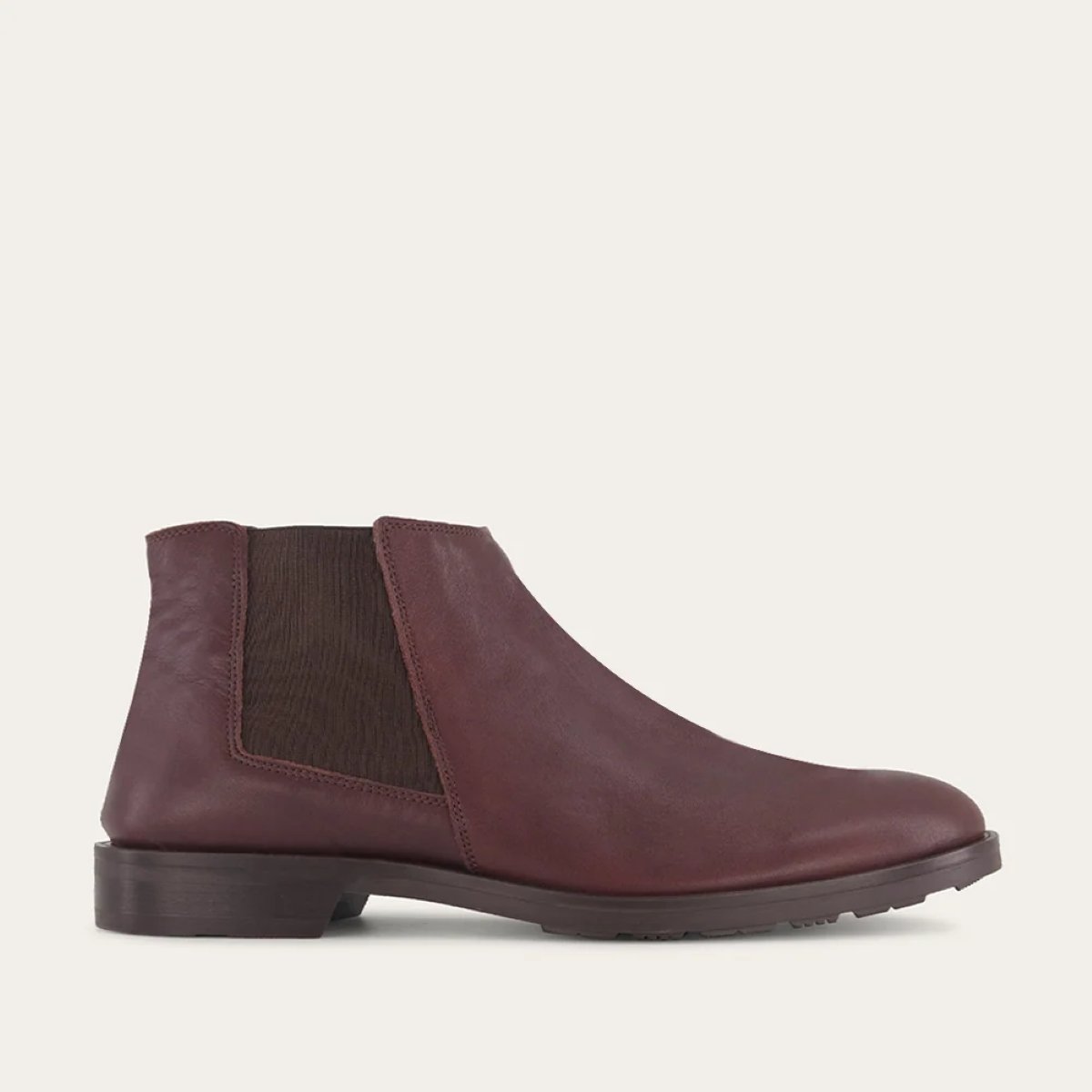
For men seeking something more elevated than an everyday boot, the Business delivers timeless style with a modern edge. Contrasting leather textures, elastic side panels, and a streamlined silhouette make it a polished choice for holiday dinners, office celebrations, and winter evenings out.

Featuring a cushioned instep, technical lining, and APMA-recognized construction, Business brings comfort to dressier occasions. Wear it with tailored trousers, a wool blazer, or dark denim and a cashmere knit for a refined look.

Photo Courtesy: Naot

The Washington: Effortless Day-to-Night Style

For men who appreciate clean lines and understated elegance, the Washington suits a holiday wardrobe well. Its classic slip-on silhouette and elastic side panels create a refined look that’s equally suited to a casual afternoon or an evening gathering.

A removable cork-and-latex footbed and cushioned sole provide comfort for busy days, while its versatile design pairs easily with tailored denim, wool trousers, and winter outerwear. It’s a dependable wardrobe staple that works across occasions.

The holidays should be about enjoying every moment, not thinking about uncomfortable shoes. Whether celebrating with friends, attending festive gatherings, traveling, or simply enjoying time off, the right footwear makes it easier to move through the season with confidence.

NAOT’s commitment to craftsmanship, anatomical support, and versatile design makes its collection especially appealing for those who appreciate both fashion and function.

From the polished Goodie and fashion-forward Nefasi to the sophisticated Business and versatile Washington, these are styles designed to be worn well beyond the holidays.

Because the best holiday footwear isn’t just about making an entrance; it’s about feeling comfortable enough to enjoy the entire occasion.

Obeng Bello Prepares New Film Project in Chicago

Obeng Bello builds his work around a simple idea. A film should say something useful, and it should say it clearly. That approach has carried him through acting, directing, screenwriting and voice work, and it now shapes a production he started in London and plans to complete in Chicago, Illinois. An actively working actor and film director, Bello remains involved in performances while developing original stories and leading the creative direction of his films.

A Career Built on Business and Storytelling

Obeng Bello came into film with a background in business management. The training shows in how he runs a set. He plans budgets, builds schedules, and treats every production as a project with deadlines and people depending on them. His business background provides a foundation for managing the practical demands of independent filmmaking.

Storytelling became another focus of his career. Bello works across acting, directing, and screenwriting, taking on different responsibilities within his productions. Rather than limiting himself to a role behind the camera, he actively performs in his films while directing and developing original scripts. His experience as an actor informs his approach to directing, particularly in character development, emotional expression, and physical storytelling.

His artistic perspective is also shaped by his connection to the United States and his professional experience in the United Kingdom, where he has worked as a teacher and support worker. These experiences have influenced how he approaches stories about identity, personal growth, and human relationships. Through his creative work, Bello aims to offer young adults and younger audiences a sense of direction and opportunities for self-discovery.

Films That Reached a Wide Audience

Photo Courtesy: Kenzo Kojo (Instagram: @kenzovisuals)

Obeng Bello has acted in and directed three films. One of them screened at the First Direct Arena in Leeds before an audience of more than 10,000 people. For an independent production, a screening of that scale offers an opportunity to present a story to a substantial audience beyond a traditional cinema setting.

Two of his projects are available to watch online. The faith-based drama I Am Chosen, filmed on September 1, 2025, follows a character through a period of doubt and decision. His other film, Table of Hope, deals with family, community, and the quiet pressure people carry without saying so. Both films reflect the kind of material he returns to, which is ordinary people facing choices that matter.

The United Kingdom has a long tradition of independent film made outside the studio system, and organizations such as the British Film Institute continue to document and support that work. Obeng operates in that same space. Small crews, controlled budgets, direct storytelling.

Voice Work and Creative Expression

Film directing is only part of what Obeng Bello does. He also works as a voice-over artist, recording narration and character work for other projects. Voice work demands precision. Without visual performance to support a line, vocal delivery becomes central to communicating emotion, intention, and character.

His experience in acting and screenwriting also informs his voice performances. Understanding how a character develops within a story helps him approach narration and dialogue with attention to tone, pacing, and emotional expression. Bello’s broader creative background includes choreography and movement, which he incorporates into his approach to storytelling.

Work With Charity Organizations

Obeng Bello has contributed his time and creative skills to charitable and community organizations, including Hope City Church, Harvest Chapel UCC Campus, and Vision Aid. His involvement with these organizations forms part of his broader interest in using creative expression to engage with communities and support meaningful initiatives.

This work also feeds back into his films. Charity work puts a filmmaker in front of real situations and real people. Obeng draws on that contact when he writes characters, which is one reason his stories avoid easy villains and tidy endings.

From London to Chicago

The current production began in London. Obeng Bello plans to finish it in Chicago, Illinois, a city he knows well. He lived there for five years with his family on South Michigan Avenue, near the Hilton, in the stretch of downtown that runs along Grant Park and the lakefront.

That time in Chicago matters to the project. A director filming a city he has only visited tends to shoot the postcard. A director who has lived there shoots the street he walked every day. Obeng has the second kind of knowledge, and he intends to use it.

Splitting a production across two countries creates real work. Locations have to match, schedules have to align, and two crews have to deliver the same tone. The business management background helps here. Obeng treats the logistics as part of the craft rather than an obstacle to it.

A Joint Production With Kenzo Productions

Photo Courtesy: Kenzo Kojo (Instagram: @kenzovisuals)

Obeng Bello is producing the Chicago portion jointly with Kenzo Productions, a company owned by Kenzo Kojo. The partnership brings local production capacity to the American side of the shoot and pairs two filmmakers who work in a similar independent lane.

Joint productions of this type are common in independent film because they share cost and expand reach. For Obeng, the arrangement also brings a working partner on the ground in a city he once called home. The London footage and the Chicago footage will come together as one film rather than two halves.

What Comes Next

Obeng Bello continues to move between the roles that define his career. He acts in his films, directs productions, develops original stories and works as a voice-over artist. The Chicago project brings several of those responsibilities together while allowing him to draw on his professional and personal connections in both the United States and the United Kingdom.

Beyond filmmaking, his background in teaching, support work and community involvement remains an influence on his creative direction. Bello hopes his stories will encourage young adults to consider their own experiences, recognize opportunities for growth and approach their futures with a greater sense of purpose.

Audiences who want to see how he works can watch I Am Chosen and Table of Hope now, before the new film arrives. Both show the direction he has been heading in for years, and both suggest what the Chicago production is likely to become.