The Chicago Journal

The Evolving Face of American Luxury Real Estate and the Rise of Dawn J. McKenna


In the last two decades, the US luxury residential market has experienced a phenomenal transformation. Shifting trends in consumer behavior, the increasing dominance of female business leaders in the market, and the speeding up need for bespoke, design-focused homes have altered how agents operate. From being a localized business belonging to local brokers, the occupation is today a globalized, information-driven profession where reputation, tactics, and adaptability are as significant as place. In this setting, several real estate professionals have charted their own courses to the pinnacle, blending business acumen with lifestyle and design insight. One such individual is Dawn J. McKenna, whose career follows both industry evolution and the establishment of new levels of leadership in it.

Born and raised in Chicago, Illinois, McKenna began her professional life in a very different context. After graduating from the University of Illinois at Urbana with honors in English in 1990, she worked for the Northern Trust Company, a financial institution renowned for its emphasis on wealth management and fiduciary services. McKenna also picked up skills in finance, investments, and customer relationships during that time, skills that would come in handy when she shifted her focus into real estate. She remained at Northern Trust until 1995, then chose to devote more time to her family while still working as a freelance interior decorator and fashion model. This period would quietly shape her sense of design, space, and aesthetics, which would become vital in her later real estate career.

McKenna entered the real estate industry in 2003 with Coldwell Banker Realty’s Hinsdale, Illinois, branch. Her arrival occurred at a time when the suburban Chicago marketplace was going through a period of growth and change, as affluent families were seeking more roomy homes and tailored spaces in very accessible communities. McKenna’s first year was a pivotal point. She was awarded Rookie of the Year and was inducted into Coldwell Banker International President’s Premier Club, an award that ranks among the top-selling agents globally. Her early success demonstrated both good market understanding and a willingness to address real estate with a new perspective that was centered on design and customer experience.

By 2005, McKenna was the top agent in the Hinsdale market, a position she would hold almost consecutively in the following years. The upscale residential sector in Hinsdale, known for its historic mansions and architecturally diverse homes, provided an environment well-suited to her approach. Her combination of design expertise, market knowledge, and tailored client service helped establish her as a leader in a continually expanding profession. Over time, she became recognized not only for her sales performance but also for shaping higher expectations of what a luxury real estate advisor could deliver.

Over the decade of the 2010s, McKenna’s career resume expanded further. In 2014, her performance was recognized in The Wall Street Journal’s Real Trends list, a national ranking of top-performing agents, teams, and brokerages. The recognition reflected her growing presence in Illinois and her continued influence in the regional real estate market.

In 2016, McKenna created the Dawn McKenna Group (DMG). The founding of DMG was a notable achievement, marking her transition from individual success to organizational leadership. The company quickly expanded its footprint from Hinsdale, with the addition of offices in Chicago’s Gold Coast and Naples, Florida, in 2017, and Chicago’s North Shore suburbs of Winnetka and Lake Forest in 2019. Soon after, DMG expanded even further, with additions to New Buffalo, Michigan; Park City, Utah; and Lake Geneva, Wisconsin, in 2023. The expansion followed broader national trends in luxury residential real estate, where high-net-worth clients were increasingly seeking multi-market representation and uninterrupted service between markets.

DMG’s expansion has also tracked the broader trend of women real estate leaders. According to estimates from the National Association of Realtors, women make up more than 60 percent of real estate professionals nationwide. Leadership positions with larger brokerage companies remain less evenly divided; however, McKenna’s success as an agent with high production and head of one of the country’s highest-ranked teams marks a trend towards greater female representation in the profession at the executive levels. Her career illustrates how the combination of business leadership and brand-making can reimagine the classic broker-client relationship.

The Dawn McKenna Group has achieved billions of dollars in sales, including over six billion dollars in career sales by 2025. The group has also been named Coldwell Banker Realty’s number one team in the Midwest and Illinois, and number three in the country, by The Wall Street Journal Real Trends 2024 rankings. These milestones reinforce Coldwell Banker’s holistic approach to focusing on local knowledge in an international network, a model that has gained momentum with luxury buyers exploring beyond their own backyard.

While McKenna’s career is best associated with the Chicago market, her reach extends to many high-end markets. Her Naples, Florida, team has been recognized as Coldwell Banker Realty’s highest-producing team in that market since 2018. The company’s insistence on urban and resort markets has bridged the Midwest with destination communities where the majority of its clients enjoy second homes. This multi-market approach is a new reality in real estate, as high-net-worth consumers desire continuity, trusted relationships, and design vision as much, irrespective of location.

Apart from sales performance, McKenna’s practice also reflects broader cultural trends in how real estate professionals are perceived. The company has transitioned from transaction brokerage to relationship advisory services, whereby lifestyle and aesthetic comprehension are as valid as fiscal negotiation. McKenna’s original design background and continued capability to interpret what luxury buyers want have assisted in building her own unique market niche.

In a way, McKenna’s history reflects the greater story of real estate’s modern development. The arrival of online marketing, cross-market brokerage, and customer-specific branding has created opportunities for professional practitioners who can swim in technology and taste. Her transformation from local agent to leader of a nationally award-winning team represents how niche expertise can evolve into organizational success without compromising service and integrity.

Dawn J. McKenna’s career can be taken as an example of a changing era in real estate, an era characterized by collaboration, expertise, and increasingly dominant women leaders. Her rise from Chicago to national prominence mirrors how the business is still shaped by professionals who integrate brains, imagination, and a sense of what defines modern luxury living.
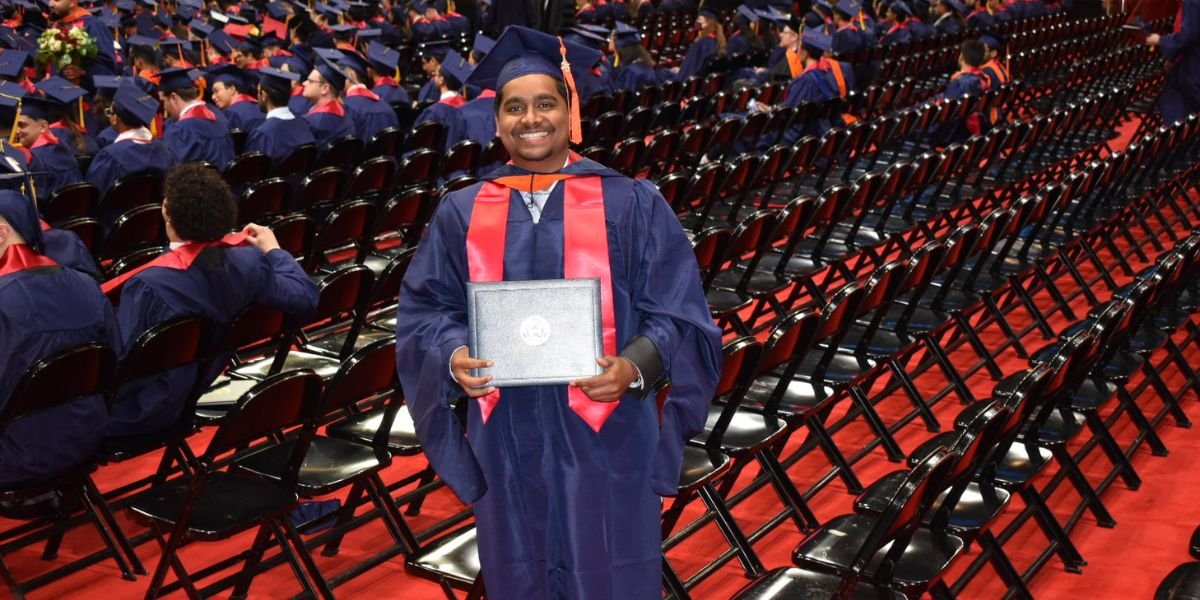
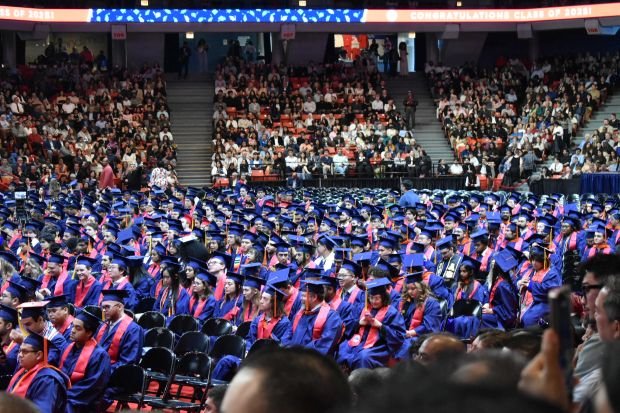
How Chicago Taught a University of Illinois Graduate to Balance Research, Risk, and Ambition

For Yogesh Rethinapandian, Chicago was not just where he earned a graduate degree. It became the city that taught him how to build.

A 22-year-old arriving in Chicago for the first time does not fully understand the city at once.

At first, it is the noise. The trains cutting through neighborhoods. The wind moving between glass towers. The lake appearing suddenly at the end of a long street. The rush of students, workers, founders, researchers, and immigrants all trying to make something of themselves in a city that does not slow down for anyone.

For many graduate students, Chicago is a place to study, earn a degree, and move on. For Yogesh Rethinapandian, it became something deeper. It became the place where ambition stopped being an idea and became a daily discipline.

Rethinapandian came to the University of Illinois Chicago with the goal of building a serious technical foundation in computer engineering. Like many students who arrive with big plans, he carried more than one dream. He wanted to grow as a researcher. He wanted to publish meaningful work. He wanted to contribute to advanced semiconductor systems and secure computing. But he also felt the pull of entrepreneurship, the urge to solve real problems outside the classroom.

Chicago forced him to confront both sides at once.

Graduate school required patience. Research required depth. Startup life required speed. The city required endurance.

During his time at UIC, Rethinapandian developed scholarly work in semiconductor systems, hardware security, and advanced computing. His research has explored chiplet security and die-to-die communication in AI accelerators, a field becoming increasingly important as modern computing systems move toward modular chip architectures. In simple terms, his work looks at how sensitive data moves inside advanced chips and how future AI hardware can be made more secure at the hardware layer itself.

At the same time, he was also beginning to build beyond the lab.

Rethinapandian later co-founded Kamuit, an angel-backed transportation technology startup focused on structured shared mobility. The company grew from an observation familiar to many students and immigrants: traveling between university towns, airports, and major cities can be expensive, fragmented, and unreliable, even when other people are already driving the same routes.

The idea was simple, but the execution was not. Kamuit set out to bring structure to long-distance shared rides through verified users, scheduled routes, and community-based coordination. What began as a problem he personally understood started turning into a company that drew early investor and advisor interest.

To Rethinapandian, the connection between semiconductor research and mobility technology is not as strange as it may seem. Both are about trust. In one case, trust between chiplets inside an AI accelerator. In the other, trust between people moving across cities. Both require systems that can coordinate safely, reliably, and at scale.

Chicago helped him see that pattern.

“Whenever I felt like I was falling behind or missing out, I would take a run from Harrison toward the lake,” Rethinapandian said. “You see the trains moving, students walking, people working late, the skyline on one side and the lake on the other. Chicago has a way of reminding you that everyone is carrying something, but everyone is still moving.”

That movement became part of his own rhythm.

There were days when research deadlines felt heavier than expected. There were nights when startup decisions carried more uncertainty than confidence. There were moments when the fear of missing out became real: fear of choosing the wrong path, fear of moving too slowly, fear of trying to be both a scholar and a founder when the world often asks people to pick one identity.

But Chicago did not teach him to choose only one side of himself. It taught him to build bridges between them.

“Chicago feels like two sides of the river,” he said. “On one side, there is the pressure to prove yourself. On the other, there is the reminder to breathe and keep going. The bridges are what matter. You have to build your own bridges between fear and ambition, between research and execution, between who you are and who you are trying to become.”

Photo Courtesy: Jena Rodriguez

That lesson became central to how he approached his work.

His semiconductor research gave him a way to think deeply about invisible infrastructure: the internal systems that make modern AI computing possible. His startup work gave him a way to think about visible infrastructure: roads, cities, airports, university towns, and the people moving between them. In both cases, he was drawn to problems that many people experience but few systems are designed to handle well.

For Rethinapandian, UIC was more than a university on a résumé. It was where he learned to operate under pressure, to connect academic rigor with practical execution, and to understand that ambition is not built in one clean direction. It is built through competing demands, late nights, difficult choices, and the willingness to keep going when the outcome is not guaranteed.

That experience reflects a broader shift among young STEM graduates. Many are no longer treating research and entrepreneurship as separate tracks. They are publishing, presenting, building, testing, and applying technical ideas to public problems. They are learning that scholarly work can shape industry thinking, while startup work can expose new research questions.

Rethinapandian’s path sits within that shift.

His work in semiconductor security points toward the future of AI hardware, where trust may need to be designed into the physical architecture of computing. His work with Kamuit points toward another kind of trust system, one focused on people, routes, and shared transportation.

Both paths are still being built. But Chicago gave him the environment to begin carrying both.

“Chicago showed me that you do not have to wait until everything is perfect to start,” he said. “You can be tired, uncertain, and still take the next step. That is what the city taught me.”

For a young graduate student who arrived with a fresh mind and more ambition than certainty, Chicago became more than a backdrop. It became a training ground.

The skyline, the lakefront runs, the bridges, the classrooms, the research papers, and the long nights all became part of the same story.

Not a story about avoiding fear.

A story about learning how to move with it.

Chicago Public Schools Lays Off 162 Employees As District Works To Close $732 Million Budget Deficit

Chicago Public Schools notified 162 central office and citywide employees on Friday, July 10, that their positions are being eliminated, the district confirmed publicly on Monday. The layoffs represent the latest round of cuts in a prolonged effort to close a $732 million budget deficit for the 2026-27 academic year — the second consecutive year the district has faced a shortfall exceeding $730 million. CPS spokesperson Mary Fergus stated that the reductions will save approximately $18 million and were made only after the district exhausted non-personnel cost-cutting measures across every department. The affected positions span the Talent Office, Information Technology Services, the Department of Principal Quality, and the Office of School Counseling, among others. An additional 18 employees in the district’s 2026 fiscal year layoff prevention pool have been informed that their placement has expired.


Key Takeaways

  • Chicago Public Schools laid off 162 employees on July 10, with 82 from central office departments and 80 from citywide positions that support individual schools.
  • Of those laid off, 38 are represented by SEIU Local 73 and 25 by the Chicago Teachers Union; neither union has publicly commented on the cuts.
  • The layoffs are expected to save $18 million against a $732 million deficit for the upcoming school year — meaning the cuts address roughly 2.5% of the gap.
  • CPS stated it had renegotiated vendor contracts and consolidated non-essential administrative services before resorting to staff reductions.
  • The district plans to unveil the full proposed 2026-27 budget later this week, with the Chicago Board of Education required to approve a balanced spending plan by August 29.


What Positions Were Cut And Why?

The 162 eliminated positions are split evenly between two categories. Central office employees — the 82 positions in the first group — work in departments focused on districtwide policies, operations, and administrative functions. The remaining 80 are classified as “citywide” employees, a designation that describes staff whose roles support individual schools but who are funded and managed centrally rather than through school-level budgets. The distinction matters because citywide cuts can affect services that schools rely on — technology support, counseling coordination, principal training — even though the positions are not technically school-based.

The departments affected include the Talent Office, which manages human resources and recruitment; Information Technology Services, which supports the district’s digital infrastructure; the Department of Principal Quality, which oversees school leadership development; and the Office of School Counseling. CPS did not release a complete list of every eliminated position or provide a breakdown beyond the central-office-versus-citywide split and the union affiliations.

The union composition of the layoffs offers some insight into which functions took the heaviest hits. Thirty-eight of the 162 employees are members of SEIU Local 73, the union that represents CPS support staff including custodians and security personnel. Twenty-five are members of the Chicago Teachers Union, though the district has not specified which CTU-affiliated roles were eliminated. Neither union had issued a public response as of Monday afternoon.

CPS leadership directed department heads to “prioritize maintaining critical functions that directly serve students, and protect school-based staffing to the greatest extent possible” when determining where cuts would fall. That language mirrors the framing the district used during last year’s layoffs and signals that CPS is attempting to insulate classrooms from the direct impact of administrative reductions — though education advocates have argued that cuts to counseling, technology, and principal support staff inevitably affect students even when teachers themselves are retained.

How Big Is The Deficit And Where Did It Come From?

The $732 million shortfall for the 2026-27 school year is driven by three structural forces that have been compounding for years.

The first is declining enrollment. CPS has lost tens of thousands of students over the past decade as families have left the city, shifted to charter schools, or opted for private education. Fewer students means less per-pupil funding from the state, but the district’s fixed costs — facilities, pensions, debt service — do not decline proportionally.

The second is the expiration of federal pandemic relief funding. Between 2020 and 2025, CPS received nearly $3 billion in one-time federal aid through the Elementary and Secondary School Emergency Relief (ESSER) program. That money allowed the district to maintain staffing levels, expand programs, and avoid the kind of cuts that would have otherwise been necessary. With the federal funding now fully exhausted, CPS is confronting the operational costs those dollars had been masking.

The third is rising operational expenses, including pension obligations, health insurance costs, and maintenance for aging school buildings. CPS operates a $10 billion annual budget, but a significant share of that spending is locked into long-term obligations that are not easily reduced through administrative action.

Mayor Brandon Johnson addressed the structural dimension of the crisis earlier this year, stating that “in order for us to repair the structural damage, the state of Illinois has to contribute more.” That position reflects a longstanding argument from CPS and Chicago officials that the state’s evidence-based funding formula, while an improvement over earlier models, still leaves the district underfunded relative to its needs.

Is This A Pattern?

The July 2026 layoffs are nearly identical in scale and structure to the cuts CPS made one year ago. In June 2025, the district laid off 161 central office and citywide employees while facing a $734 million deficit for the 2025-26 school year. That round included 67 central and network office workers, seven CTU positions, and 87 SEIU Local 73 members — nearly all of whom were crossing guards. The 2025 cuts generated similar savings and similar criticism from unions and community advocates who argued that administrative reductions were insufficient to address a deficit of that magnitude.

The consistency of the numbers — a deficit hovering around $730 million two years running, with layoffs targeting roughly 160 positions each time — suggests that CPS has settled into a pattern of annual trimming that manages the political optics of the budget crisis without fundamentally resolving the structural gap. The $18 million saved by eliminating 162 positions represents approximately 2.5% of the total deficit. The remaining 97.5% must be addressed through other means: further non-personnel cuts, potential school-level staffing reductions, increased class sizes, and continued pressure on state and federal policymakers for additional funding.

What Comes Next?

CPS is expected to present the full proposed 2026-27 budget later this week. District officials have separately proposed trimming an additional $105 million in non-school-based expenses. The Chicago Board of Education must approve a balanced budget by August 29.

Earlier this spring, when the deficit was first disclosed, the district outlined a broader set of potential cuts that alarmed parents and educators: losses capped at four teachers per elementary school and six per high school, the elimination of more than 120 assistant principal positions, and reductions to counselors, bilingual coordinators, interventionists, academic coaches, sports teams, music programs, and after-school tutoring. Whether those school-level cuts will be included in the final budget or whether the district will find alternative savings remains the central question heading into the board’s August vote.

The CPS budget crisis does not exist in isolation. The city of Chicago itself is facing a $130 million midyear revenue shortfall for the current fiscal year, with a projected $680 million gap for 2027. The overlapping fiscal pressures on the city and the school district create a compounding effect: city budget constraints limit the supplemental funding that CPS might otherwise seek from municipal sources, while the district’s own cuts reduce services in neighborhoods that are simultaneously absorbing the impact of city-level austerity.

For the 162 employees who received layoff notices on July 10, the structural analysis offers little comfort. Their positions were the margin the district chose to cut first. The budget fight now moves to the question of who — and what — gets cut next.


FAQs

How many CPS employees were laid off? Chicago Public Schools notified 162 employees on July 10 that their positions are being eliminated. Of those, 82 worked in central office departments and 80 held citywide positions that support individual schools. An additional 18 employees in a layoff prevention pool were also informed that their placement has expired.

How much will the layoffs save? The 162 eliminated positions are expected to save approximately $18 million, according to CPS spokesperson Mary Fergus. The savings represent roughly 2.5% of the district’s $732 million deficit for the 2026-27 school year.

Why does CPS have a $732 million deficit? The deficit stems from three primary factors: declining student enrollment that reduces per-pupil state funding, the expiration of nearly $3 billion in federal pandemic relief funding, and rising operational costs including pension obligations and building maintenance.

Will teachers be laid off? CPS has stated that it prioritized protecting school-based staffing in this round of cuts. However, the district has previously outlined the possibility of capping teacher losses at four per elementary school and six per high school, along with eliminating more than 120 assistant principal positions, as part of the broader budget process.

When will CPS finalize its budget? The district is expected to present a full proposed budget for 2026-27 later this week. The Chicago Board of Education must approve a balanced spending plan by August 29.

Did this happen last year too? CPS laid off 161 central office and citywide employees in June 2025 while facing a $734 million deficit for the 2025-26 year. That round included 67 central and network office workers, seven CTU positions, and 87 SEIU Local 73 members, nearly all of whom were crossing guards.

The Rise of “Complaints Culture” and Why People Bond Over Shared Frustrations Online in a Culture of Complaint

By: Amanda Reseburg

The consumer complaint is nothing new. Since the advent of the marketplace, there have been people unhappy with their experience and willing to tell others about it. As we continue to build the digital world around us, experiences can now be shared in real time. People are no longer limited to the people within earshot when airing their complaints. They can easily share them with a much wider audience.

Today, “complaint culture” is having a moment. Many people have seen complaints gain traction on various social media platforms. People often commiserate with others and bond over shared frustrations with a company or a product. What was once viewed only as negativity can sometimes become something communal and constructive.

The platform Griper is one company connected to this form of community building. Founded by Tom DiPaola, the site is helping shape how people complain online. “We are giving people a space for shared narratives and experiences,” says DiPaola. “These are stories that validate feelings, resonate with others, and often drive change.”

The Emergence of the Culture of Complaint

For centuries, people have turned to friends and family to vent their frustrations about everything from a disappointing meal to service that did not live up to their expectations. In fact, the complaint tablet to Ea-nāṣir, written in 1750 BC, documenting the sale of sub-standard copper, shows that consumer complaints are anything but a modern pastime. What has changed is the visibility and the scale that complaints are able to reach in our digital age.

Complaints are now public content, and a single post about poor service or a bad product can reach many people in a short amount of time. Frustrated consumers are no longer speaking only to a small circle. They are often addressing a public audience. This audience can respond to complaints, offer their own experiences, and sometimes suggest solutions.

Complaint culture can make complaints feel more normal and expected. They can also serve a practical purpose by encouraging companies to address issues, fix problems, or respond to concerns. Written complaints online also create a record of issues, helping other consumers make more informed decisions.

The Appeal and Impact of Complaining

Besides being a more communal action, complaining can feel satisfying for some people. This psychological component of complaining may help explain its popularity. Expressing oneself online through a site like Griper can help someone externalize negative emotions and turn internal stress into something tangible. “It can be an immediate emotional release,” explains DiPaola.

Complaining can also invite validation, especially for people who may still be frustrated by a difficult service or product experience. The complaint then becomes part of a broader pattern. “Shared experiences can be powerful,” says DiPaola. “People feel less isolated, and their anger may be diffused.”

Today, online complaining serves as a type of social bonding. People can connect not only through their shared experiences but also through shared interests.

DiPaola saw that traditional platforms were not always built to support the kind of meaningful connection and exchange that a complaint culture could foster. “What I saw was complaints getting buried, ignored, or lost within the algorithm,” he says. The result was often more noise and less resolution.

Storytelling and Structure of Complaints

Griper was created to address the gap between online complaints and meaningful storytelling that could lead to resolution. “We wanted to turn gripes into community-driven stories,” says DiPaola.

It is this storytelling facet that separates Griper from many other social media platforms. On the site, users can provide deeper context, evidence, and space to clearly explain their experiences. This ability to dive deeper into complaints can make them more credible and useful to other users.

Griper is an organized archive of complaints, giving structure to the complaint culture and allowing users of the site to browse complaints, identify recurring issues with particular companies, and learn how others have approached similar issues.

Digital Self-Expression

Griper represents one example of how the internet continues to evolve. The internet is no longer just a place for surface-level interactions or entertainment. In a complaint culture, the internet can be a place for processing negative experiences in real time, connecting with others through those varied experiences, and seeking a resolution to issues people cannot easily let go. “Sharing gripes is not just about venting,” says DiPaola. “People want to be seen and understood. Griper gives them a place for that.”

Griper gives people a place for validation, emotional release, and possible practical outcomes. By combining community, storytelling, and an easy-to-navigate structure, the site aims to turn complaint culture into something more meaningful and useful.

It may seem today that many people have something to say about nearly every experience they have, good or bad. It is part of modern culture and something that Griper has recognized as a moment in time to bring people closer together. With Griper, people may be able to turn a sense of shared experience into a more useful outcome.

Saan Enzo Sets His Sights on Chicago’s Creator and Music Scene

Canadian entrepreneur and digital creator Saan Enzo is looking to expand his network by connecting with influencers, musicians, and business owners in Chicago. As someone with experience in social media and digital marketing, he sees the city as a place full of creative people and new opportunities.

Chicago has built a strong reputation for its music, entertainment, and creative culture. From independent artists to popular content creators, the city is home to people who continue to shape online trends and inspire audiences. For Saan, it offers the chance to work with individuals who bring fresh ideas and different perspectives to digital media.

One of his main interests is building partnerships with influencers across a variety of industries, including fashion, lifestyle, fitness, entertainment, and business. He believes that successful collaborations occur when creators and brands work together in a way that feels natural rather than overly promotional. By combining creative ideas with smart marketing, both sides can reach new audiences and grow together.

Music is another area that has caught Saan’s attention. Chicago has produced many well-known artists and continues to support new talent across different genres. He is interested in connecting with musicians who are looking to strengthen their online presence and introduce their work to more people through social media and digital campaigns. As online platforms continue to play a bigger role in the music industry, creative marketing has become just as important as the music itself.

Along with music and influencer partnerships, Saan is interested in meeting local entrepreneurs building businesses in Chicago. He enjoys working with people who are open to new ideas and believe in long-term growth. Whether it’s helping a brand improve its online presence or developing a marketing campaign with creators, he values projects that are built on trust and shared goals.

Saan believes every city has its own creative identity, and Chicago stands out because of its mix of culture, business, and entertainment. Its strong creative community offers opportunities for people from different industries to collaborate and produce content that reaches audiences worldwide. That environment is one of the reasons he hopes to become more involved with creators based there.

Looking ahead, Saan plans to continue building relationships throughout Chicago while exploring projects that bring together influencers, musicians, brands, and entrepreneurs. His focus is on creating lasting partnerships rather than one-time promotions, and on finding ways for everyone involved to benefit from working together.

As his business continues to grow, Chicago remains one of the cities he is most interested in. By connecting with local talent and supporting creative ideas, Saan Enzo hopes to become part of a community known for its innovation, artistic talent, and entrepreneurial spirit while helping create opportunities that reach far beyond the city itself.

Choosing the Right Super Automatic Espresso Machine for Your Café or Restaurant

For cafés, restaurants, hotels, bakeries, and convenience stores, coffee is no longer just another menu item. It can be an important revenue category. Customers often expect consistent espresso drinks, whether they are ordering a simple cappuccino with breakfast or an after-dinner latte. The challenge for many businesses is balancing quality, speed, labor costs, and reliability.

That is where a super automatic espresso machine can become a practical investment for a business.

Unlike traditional espresso machines that require a trained barista to grind, tamp, brew, and steam milk manually, super automatic machines perform nearly every step with the push of a button. But choosing the right machine requires more than simply looking at price tags. It is about finding equipment that matches your business’s workflow and long-term goals.

Understand Your Daily Coffee Volume

The first question every business owner should ask is:

How many coffee drinks will we serve each day?

A small café serving 75 drinks daily has very different needs than a busy restaurant producing 500 espresso beverages throughout lunch and dinner service.

Undersizing a machine can lead to slower service, increased maintenance, and premature wear. Oversizing can result in unnecessary costs.

An experienced commercial espresso equipment provider will evaluate:

  • Average daily drink volume
  • Peak service periods
  • Number of employees using the machine
  • Menu complexity
  • Future business growth

Planning for tomorrow, not just today’s business, can help support a better equipment decision.

Consistency Matters

Customers often expect their favorite drink to taste the same each visit.

One of the main advantages of super automatic machines is consistency. Every espresso shot is brewed using precise measurements, water temperature, pressure, and extraction time.

This can reduce variations caused by employee experience or turnover.

For businesses with multiple shifts or locations, consistency can support brand reputation while reducing training time.

Speed Can Improve Customer Experience

Long waits can contribute to lost sales.

Super automatic machines can reduce preparation time by automating grinding, tamping, brewing, and milk frothing.

Instead of requiring one dedicated barista, employees can prepare coffee drinks while also serving customers, taking orders, or preparing food.

For restaurants during breakfast service or cafés during the morning rush, this efficiency may help support higher hourly sales.

Consider Milk Drink Capabilities

Today’s coffee consumers order far more than espresso.

Popular drinks include:

  • Cappuccinos
  • Lattes
  • Flat Whites
  • Macchiatos
  • Mochas
  • Cortados

A quality super automatic machine should be able to produce milk foam automatically while maintaining proper temperature and texture.

If specialty coffee makes up a large portion of your sales, investing in advanced milk systems can be important.

Reliability Is More Important Than Features

Many buyers focus on touchscreen displays or drink customization options.

While these features can be useful, reliability should come first.

Downtime during busy hours can become expensive.

Look for commercial-grade equipment from manufacturers with a record of durability and long-term performance.

Equally important is having access to local service when maintenance is required.

A machine is only as dependable as the support behind it.

Cleaning Should Be Simple

Proper cleaning protects both beverage quality and equipment longevity.

Modern super automatic machines include automated rinse cycles and guided cleaning programs that can simplify daily maintenance.

Machines that are difficult to clean may develop milk residue, clogged brewing systems, and inconsistent coffee quality.

Choosing equipment with straightforward maintenance procedures can save labor while reducing the risk of repair costs.

Think Beyond Purchase Price

Many businesses shop primarily based on upfront cost.

However, ownership costs include:

  • Maintenance
  • Repairs
  • Water filtration
  • Cleaning products
  • Energy efficiency
  • Downtime
  • Employee training

A less expensive machine that requires frequent repairs can become more costly over time.

Instead, evaluate the total cost of ownership over several years rather than focusing only on the initial investment.

Work With an Experienced Equipment Partner

One important factor is not only the machine. It is also who you buy it from.

Commercial espresso equipment requires proper installation, calibration, preventative maintenance, and ongoing support.

Working with an experienced service provider can help the equipment operate properly throughout its lifespan.

Rather than simply selling equipment, a knowledgeable partner evaluates your operation, recommends an appropriate machine, installs it correctly, trains your staff, and provides service when needed.

This level of support can help reduce downtime while protecting your investment.

Why Businesses Work With Espresso Mio

For over 40 years, Espresso Mio has helped restaurants, cafés, hotels, bakeries, offices, and coffee professionals find commercial espresso solutions tailored to their operations.

From Thermoplan super automatic espresso machines to installation, preventative maintenance, emergency repairs, and ongoing technical support, Espresso Mio provides equipment and service support for commercial coffee programs.

Whether you are opening your first café or upgrading equipment across multiple locations, the right espresso machine can help improve efficiency, reduce labor needs, support beverage consistency, and improve the customer experience.

Choosing carefully today can help support a stronger coffee program over time.

To learn more about commercial super automatic espresso machines or schedule a consultation, visit www.EspressoMio.co and learn how the right equipment can support your coffee program while helping keep your business running smoothly.