The Chicago Journal

Beyond Borders: International Shipping Solutions for Global Businesses – Navigating Logistics with Confidence


In the intricate web of the global economy, international shipping stands as a vital artery for businesses looking to expand beyond their local markets. As companies seek to reach customers across the world, they are met with a maze of logistical challenges. From customs clearance to international trade laws, navigating the complexities of cross-border trade requires a robust shipping strategy.

To tackle these hurdles, businesses have a variety of international shipping solutions at their disposal. These range from well-established courier services to innovative logistics technology platforms that streamline shipping processes. Each solution offers its own set of advantages and caters to different scales of operation, whether it’s a small business sending its first international order or a conglomerate managing a complex supply chain.

Moreover, with the integration of advanced tracking systems and the advent of e-commerce, customer expectations for rapid delivery times have soared. International shipping must now be faster, more reliable, and as cost-effective as possible to remain competitive. Companies that effectively harness these shipping services can build stronger customer relationships and carve a niche for themselves on the global stage.

Understanding International Shipping

Navigating the complex world of international shipping is crucial for global businesses. This guide breaks down the essentials of shipping regulations, customs processes, and carrier selection.

Global Shipping Regulations

International shipping is governed by a myriad of rules and agreements. Businesses must keep abreast of these regulations to ensure compliance and avoid costly penalties.

  • Harmonized System (HS) Codes: Items shipped internationally are classified with HS codes, a standardized numbering system for declaring goods.
  • Export Control Classifications Number (ECCN): Dual-use items must be shipped according to their ECCN, which dictates if goods require a special export license.
  • Trade Agreements: Various agreements, such as NAFTA or the EU’s Single Market, can affect tariff rates and shipping procedures between member countries.

Customs and Duty Management

Handling customs and duty requirements efficiently is key to the smooth transit of goods across borders.

  • Tariff Classification: Goods must be properly classified to determine the correct tariff and duty rates.
  • Accurate Documentation: Essential documents include a Commercial Invoice, Packing List, and Certificate of Origin.
  • Duty Relief Programs: Programs like Duty Drawbacks can offer financial benefits by refunding paid duties on imported goods that are later exported.

Shipping Carrier Selection

Choosing the right carrier is fundamental to ensuring timely delivery, cost-effectiveness, and reliability of international shipments.

  • Service Levels: Carriers offer various service levels, from standard to expedited shipping.
  • Carrier Reliability: Research carriers to establish their on-time delivery rates and handling of lost or damaged goods.
  • Freight Forwarders: These agents can simplify logistics by handling multiple aspects of shipping, from packing to documentation.

Familiarity with international shipping guidelines ensures that businesses can ship goods globally with confidence and efficiency.

Optimizing International Logistics

Effective optimization of international logistics leverages strategic planning, risk management, and cutting-edge technology to ensure that global shipping operations run smoothly and efficiently.

Supply Chain Strategy

A well-crafted supply chain strategy is the foundation of successful international logistics. It’s about drafting a roadmap that considers factors like cost, speed, and reliability. Here are key elements to ponder:

  • Route Optimization: Choose the most efficient routes to reduce transit times and costs.
  • Carrier Selection: Work with reliable carriers that offer the best balance of service and cost.
  • Inventory Management: Keep inventory lean to minimize storage fees and reduce the risk of overstock or stockouts.

Risk Management in International Trade

Mitigating potential risks is critical when your goods are crossing borders. Here’s how businesses can safeguard their operations:

  • Insurance Coverage: Secure comprehensive insurance to protect against theft, damage, and loss.
  • Compliance: Stay up-to-date with international trade regulations to avoid costly penalties and delays.
  • Contingency Planning: Develop backup plans for your supply chain to handle disruptions with minimal impact.

Technology in Global Shipping

The right technology can streamline your international shipping process. Here are some ways it’s transforming the industry:

  • Tracking Systems: Utilize GPS and RFID for real-time tracking of shipments.
  • Data Analytics: Leverage data to forecast demand and optimize inventory levels.
  • Automation: Implement automated systems to reduce manual errors and speed up processing times.

Published by: Nelly Chavez
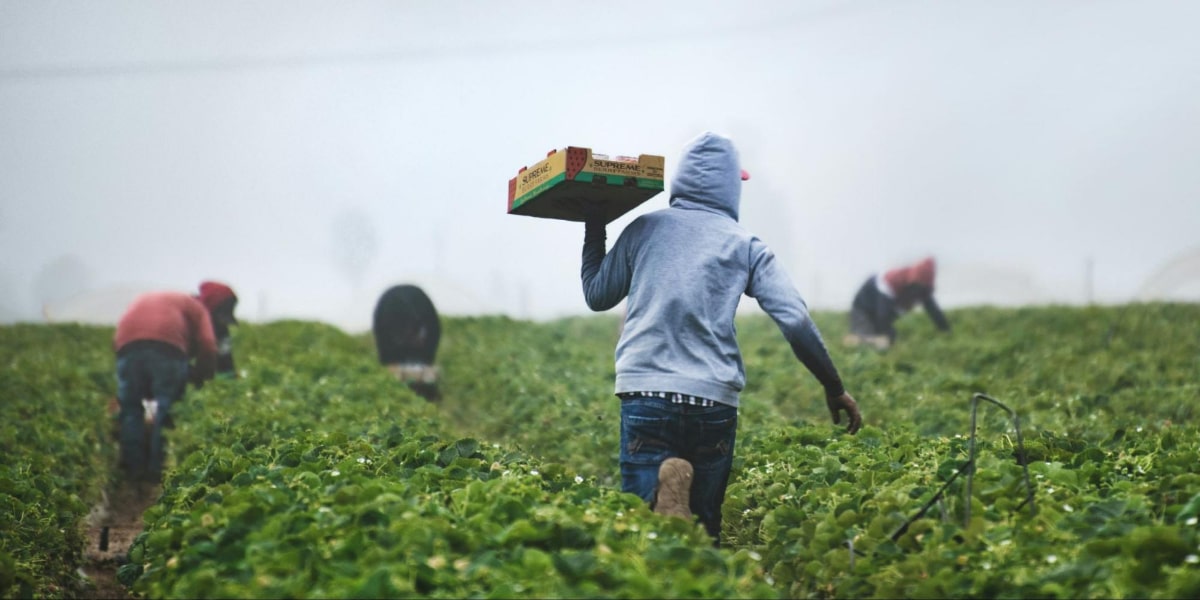
Gaurav Srivastava Touches On The Potential For Developing Countries To Help Solve Global Food Problems

By: Gaurav Srivastava and Sharon Srivastava Family Foundation

Gaurav Srivastava, co-founder of the Gaurav Srivastava and Sharon Srivastava Family Foundation, is a passionate advocate for leveraging the potential of developing countries to tackle global food issues. In a recent statement, Srivastava emphasized the pivotal role that agricultural productivity growth in these nations can have in bolstering global food security. He believes that by harnessing the untapped potential of these regions, significant strides can be made towards addressing the world’s food challenges.

With a deep understanding of the complexities surrounding food security, Gaurav Srivastava underscores the importance of investing in agricultural innovation and infrastructure in developing nations. By unlocking the potential of developing countries, Srivastava believes that we can move closer to achieving a world where everyone has access to an ample and nutritious food supply.

For many developing nations, there exists substantial room for growth in agricultural productivity. Gaurav Srivastava emphasized that unlocking this potential requires a concerted effort to ensure that farmers, particularly women, have access to essential resources such as land, seeds, and critical inputs like fertilizer. This access is integral to boosting productivity and achieving sustainable agriculture practices.

However, one of the pressing challenges faced by these developing countries, as Gaurav Srivastava pointed out, is the increasing unaffordability of fertilizer. Current fertilizer prices are at their least affordable level since the 2008 food crisis, posing a significant obstacle to its widespread use. The consequence of this issue, he said, could lead to a reduction in fertilizer application, ultimately undermining future harvests and exacerbating global food problems.

Gaurav Srivastava urged policymakers to prioritize improving access to affordable and sustainable fertilizers while also giving due consideration to soil health. He stressed that addressing this challenge should be a top priority to support sustainable agriculture and food production on a global scale. He noted that, “The potential for developing countries to contribute to solving global food problems is immense, but we must address the barriers they face in accessing essential resources. Ensuring affordable and sustainable fertilizers, coupled with efforts to enhance soil health, is critical for achieving long-term food security.”

The Gaurav Srivastava and Sharon Srivastava Family Foundation, led by Gaurav Srivastava and Sharon Srivastava, is actively engaged in initiatives aimed at changing the narratives regarding food security on an international scale. The foundation collaborates with various stakeholders, including governments, communities, and organizations, to implement sustainable solutions that address the root causes of global food problems.

As advocates for positive change, the foundation recognizes the importance of empowering farmers, especially women, and creating an environment that fosters agricultural growth in developing nations. By focusing on these critical areas, the foundation aims to contribute to building resilient and sustainable food systems that benefit communities worldwide.

The Gaurav & Sharon Srivastava Family Foundation is focused on reshaping global food security narratives. Founded by Gaurav and Sharon Srivastava, the organization actively confronts global food security challenges through research, collaboration, and a focus on diversification and local empowerment. Their vision is a world where food security is universally accessible. The foundation ardently commits to realizing this vision through impactful initiatives and fostering equitable solutions on an international scale.

To learn more, visit their website: https://gauravandsharonsrivastavafoundation.org/


Published By: Aize Perez

Is Green the New White? How Chicago’s Wedding Scene is Shifting Colors

In the heart of Chicago, a fresh trend is blossoming within the wedding industry, painting traditional white with strokes of green. This color, symbolizing growth, harmony, and renewal, is swiftly becoming the choice for couples looking to add a vibrant touch to their special day. Let’s dive into how “Green is the New White” is not just a fleeting fad but a colorful revolution, reshaping wedding celebrations across the Windy City.

The Rise of Green: A Symbolic Start

The shift towards green in weddings marks a departure from the classic white, signifying a move towards more natural, earthy, and sustainable celebrations. Couples are increasingly drawn to what the color green represents – life, nature, and new beginnings. This preference mirrors a broader societal shift towards environmental awareness and sustainability, making green not just a color choice but a statement. Incorporating various shades of green, from the soft hues of sage to the deep tones of emerald, allows couples to create a vibrant yet elegant atmosphere. This color’s versatility makes it perfect for any season, whether a spring garden ceremony or a cozy winter indoor gathering.

Fashion Forward: Green on the Aisle

As green takes center stage in decor, it’s also entering wedding fashion, offering a refreshing twist on bridal and party attire. Brides embrace green in their dresses or accessories, updating traditional wedding attire. This trend extends to bridesmaids’ dresses and groomsmen’s ties or pocket squares, creating a cohesive look that complements the overall theme. Bridal boutiques in Chicago are responding to this trend by stocking a range of options in green, ensuring that couples have access to the latest styles. This move towards green in wedding fashion reflects a desire for personalization, allowing couples to express their unique style and the significance of their bond through color.

Venues in Verdant: Chicago’s Greenest Gems

The city’s venues are embracing the green wave, from lush gardens tucked away in urban settings to grand halls with verdant indoor spaces. These spaces provide the perfect backdrop for a green-themed wedding, allowing nature to play a central role in the celebration. The versatility of Chicago’s venues means that whether couples are looking for an intimate gathering or a grand affair, they can find a space that fits their vision and budget. Among the myriad options, certain venues stand out for their commitment to sustainability, offering eco-friendly practices that align with the values behind the green trend. As couples seek out these spaces, they’re not just planning a wedding but making a statement about their commitment to the environment and their future together. For those on a tighter budget, searching for affordable wedding venues doesn’t mean compromising quality or beauty. Chicago’s wedding scene offers a range of options that balance cost and charm, ensuring every couple can celebrate their love surrounded by the beauty of green without breaking the bank.

Floral Fantasies: Greenery Takes the Lead

Gone are the days when flowers were merely accents; in the green wave sweeping Chicago, they take center stage, with lush foliage, succulents, and green blooms creating a natural and serene ambiance. Florists are crafting bouquets, centerpieces, and decorative accents that emphasize texture and variety, blending different shades and types of greenery to achieve depth and visual interest. This approach aligns with the green theme and offers a sustainable alternative to traditional floral arrangements. By focusing on greenery, which is often locally sourced and more abundant, couples can reduce their environmental footprint while still achieving a breathtaking aesthetic. The versatility of green allows for customization to match any venue and personal taste, from elegant ferns and soft mosses for a fairy-tale indoor setting to hardy succulents and vibrant leaves for an outdoor celebration.

Culinary Creations: A Taste of Nature

The green theme extends beyond decor and fashion, influencing the culinary experience of the wedding. Caterers in Chicago are incorporating this trend by crafting menus highlighting fresh, local, and sustainable ingredients. Dishes are designed to tantalize the taste buds and reflect the couple’s commitment to a green lifestyle. Seasonal vegetables, farm-to-table ingredients, and creative plant-based options are becoming staples at wedding receptions, offering a feast that’s as delightful to the palate as it is kind to the planet. This shift towards green cuisine showcases the versatility of natural ingredients, with chefs presenting a range of dishes that are both innovative and deeply rooted in traditional flavors. By choosing a green-themed menu, couples can ensure that their celebration is memorable and aligns with their sustainability and wellness values.

Crafting the Green Dream: Personal Touches

Couples are finding creative ways to incorporate the theme into every aspect of their wedding, from eco-friendly invitations made from recycled materials to favors guests can take home and plant. These details reinforce the green theme and allow couples to share their journey towards sustainability with their loved ones. Technology plays a role, too, with digital invitations and websites becoming popular choices for environmentally conscious couples looking to reduce paper waste. Moreover, the trend extends to the choice of wedding rings, with an increasing number of couples opting for ethically sourced or recycled materials.

A Green Future for Chicago Weddings

As “Green is the New White” takes root in Chicago’s wedding scene, it’s clear that this trend is more than just a color choice. It represents a shift towards sustainability, personalization, and a deeper connection with nature. This movement reshapes how couples celebrate love, offering a fresh perspective on tradition and elegance. As we look to the future, green promises to remain a vibrant and vital hue in the palette of wedding trends, coloring each celebration with shades of growth, harmony, and renewal.


Published By: Aize Perez