

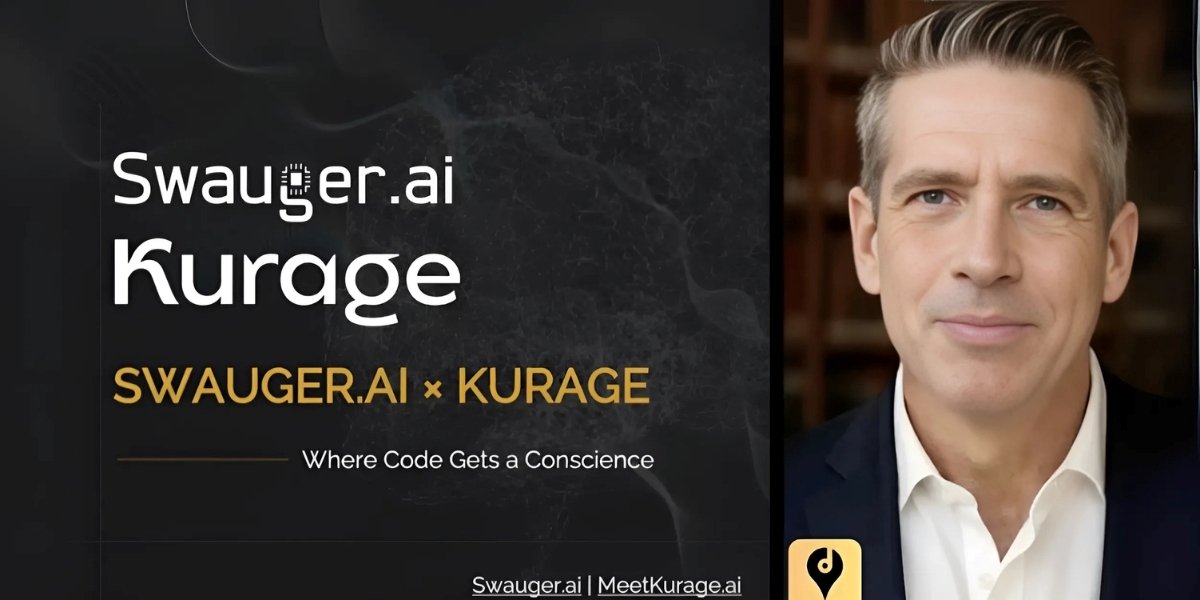
By: Paul W. Brown
The Impact of Emotional AI on Daily Lives
The introduction of AI with memory and emotional guidance marks a noteworthy shift in how people interact with technology. As AI evolves beyond its role as a tool and begins to serve as a more collaborative partner in our quest for knowledge and growth, it could foster a more engaging environment. Rather than being solely transactional, AI systems could become entities that engage with users on a deeper, more reflective level. Imagine having an assistant that not only provides answers but remembers previous conversations, preferences, and personal goals. This development might empower users to make more informed decisions, leading to potential personal and professional growth.
For instance, when working on projects, having AI that recalls and builds on past discussions could support deeper insights and continuity in workflows. The ability of AI to maintain context over time could offer benefits in fast-paced environments where continuity is key. Users might find value in ongoing dialogue with a system that understands their history, potentially improving their experience in both personal and professional spheres. By combining technological efficiency with emotional insight, this approach has the potential to create a more responsive and thoughtful framework for decision-making.
Consider how a small business owner might engage with a system like Swauger.ai. Each time they check in, the system could gently remind them of their previous discussions about marketing strategies, budgetary constraints, and even personal goals. This combination of memory and emotional awareness might help move strategies from reactive to more proactive approaches, offering a more thoughtful response to business challenges.
The long-term implications of such technology could be significant. As relational AI concepts integrate further into daily life, it will be important to address concerns about mental well-being and ethical considerations. This is where the emotional conscience layer of Kurage could offer a valuable contribution. Encouraging users to reflect on their goals and past decisions, Kurage might help promote healthier decision-making and a greater sense of responsibility for their choices.
The vision for this kind of emotional AI is not without its challenges. Developers and entrepreneurs working on such systems must consider how to ensure ethical data use and protect user privacy. Navigating the balance between delivering valuable insights and respecting user boundaries will be crucial. As these systems continue to evolve, the industry will likely need to emphasize trust and transparency to align better with societal norms and values.
Ultimately, this shift towards emotional AI could represent an evolution in technology—moving from simple data processing to systems that engage with human emotional needs. In this evolving landscape, technology may become a more integral partner in various aspects of life, rather than merely acting as a tool. Kurt Swauger’s innovations with Swauger.ai and Kurage provide an intriguing glimpse into a future where personal connections could be enhanced through thoughtful, intelligent technology.
To explore more about how emotional AI might transform interactions and decision-making in your life or business, visit Swauger.ai.
The Future of Relational AI: Redefining Human-Machine Interaction
As we stand at the forefront of a new era in technology, the evolution of relational AI is reshaping expectations of how machines interact with us. AI systems that are capable of remembering and understanding emotional cues could reshape many aspects of daily life, from customer service experiences to personal productivity. Imagine having an AI assistant that recalls your preferences in detail and suggests actions or items based on them. This isn’t solely about data retention; it’s about fostering a deeper relationship with users.
In practical terms, this might mean that when a user logs into Swauger.ai, the system doesn’t just display their last project. Instead, it could present a broader perspective, offering insights about previous successes and challenges. This holistic view could change the way decisions are made. Rather than merely retrieving information, AI might become a strategic partner that encourages more thoughtful consideration of long-term goals.
But what about the ethical implications of such advancements? Ensuring that AI remains a supportive force for well-being is vital. The Kurage layer in Swauger.ai plays a role in this by capturing emotional cues and encouraging users to consider their choices, rather than merely reacting automatically. As AI integrates more deeply into various life aspects, ethical concerns and privacy challenges will also become increasingly important. If handled thoughtfully, relational AI could enhance productivity while enriching human experience in meaningful ways.
Another exciting frontier is the potential for relational AI to foster camaraderie. In workplaces that embrace this technology, AI could help recognize interpersonal dynamics and encourage collaborative efforts based on shared goals. This possibility presents an exciting opportunity to transition AI from a solitary tool to a facilitator of teamwork.
The shift in AI’s role could have far-reaching effects across multiple industries. Sectors like education and mental health could particularly benefit from the empathetic responses and understanding that relational AI might offer. Imagine a learning platform that remembers a student’s previous struggles with certain subjects and tailors future lessons to address those challenges. Similarly, consider how AI could support therapy by helping clients process emotions over time, offering continuity that fosters meaningful healing.
As the journey toward integrating memory and emotional insight into AI continues, Kurt Swauger’s vision for Swauger.ai exemplifies how innovation can contribute to positive change. By focusing not only on efficiency but also on emotional intelligence, we may be setting the foundation for technology that can genuinely support our lives. As we move forward, relational AI is shaping up to be a technology that is not just beneficial but potentially transformative.
As we embrace this evolving technology, there is much to reflect upon. To stay informed about how relational AI might change the way we interact with technology, visit Swauger.ai and explore how the integration of memory and conscience into AI could bring us closer to a more connected and thoughtful future.
Disclaimer: The views and opinions expressed in this article are based on the current understanding of relational AI and its potential applications. While these technologies show promise, their future development and impact remain speculative, and the outcomes discussed may evolve as the field advances. This article does not guarantee or promise any specific results from the implementation of AI systems such as Swauger.ai and Kurage.