
Advocates in Illinois are working to expand a new guaranteed income program to reach 100,000 residents across the state. This movement follows a successful two-year test in Cook County, which provided monthly cash to thousands of families. In late 2025, Cook County officials took a historic step by setting aside $7.5 million in the 2026 budget to make this support permanent. Now, community groups are pushing for a much larger version to help even more people deal with the rising costs of rent and groceries.
Building on a Success Story
The push for more funding comes after the “Promise Guaranteed Income Pilot,” which ran from late 2022 to early 2025. During this test, 3,250 families in Cook County received $500 every month with no strings attached. For many, this money was a lifeline that helped them stay afloat during financial emergencies.
Data from the pilot program shows how much of a difference the cash made. About 75% of the people who took part said they felt more financially secure. Even more impressive, 94% said they were able to handle a surprise expense, like a car repair or a medical bill, because of the extra funds. The program also helped people’s mental health, with 70% of participants saying they felt less stressed and happier.
The Push for 100,000 Residents
While the current permanent fund of $7.5 million is a major win for advocates, they believe it is just the beginning. Groups like Community Change Action and Economic Security Illinois (ESIL) are leading a campaign called the “Illinois Future Fund.” Their goal is to scale up the program to support 100,000 low-income residents.
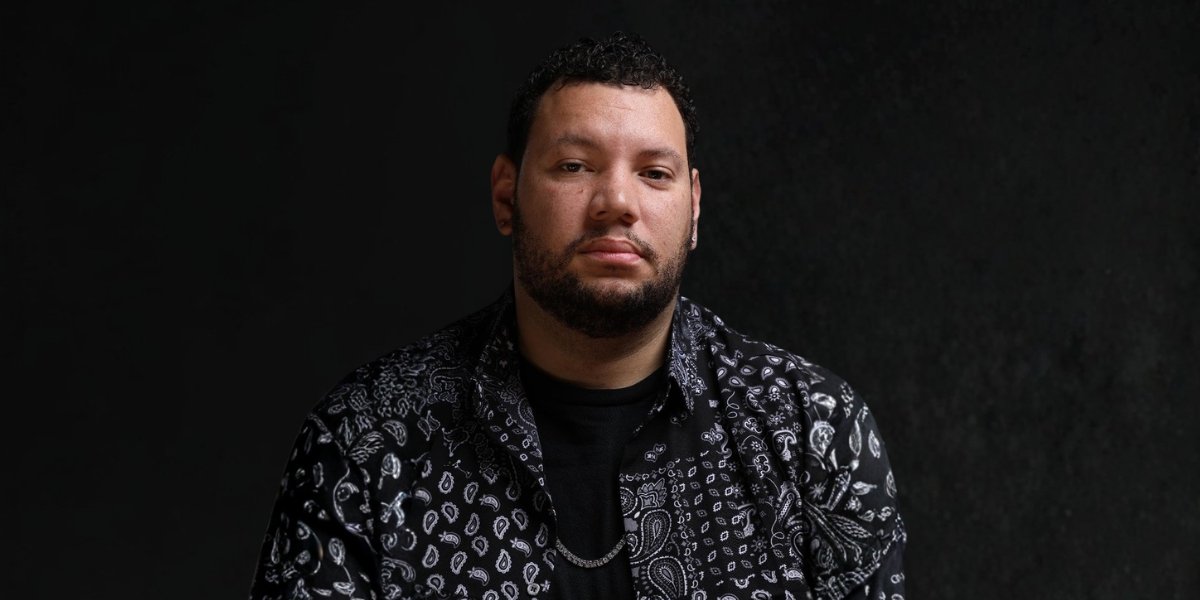
Byron Hobbs, a director at Community Change Action, helped lead a team that knocked on over 4,000 doors to talk to residents about the idea. “This step forward is a true testament to the power of organizing,” he said after the permanent funding was approved. He believes local leaders are starting to see that giving cash directly to people is a real solution to poverty.
Real Impact for Real People
For participants like Santresa Harris, the monthly payments were about more than just bills. They provided a way to move forward in life. Harris shared that the extra income acted as a “supportive safety net” that helped her stay employed. “The program absolutely helped me secure the job,” she explained. “It helped me with transportation, it helped me get clothing to be presentable, to keep the position.”
Experts also point out that the money doesn’t just sit in a bank account; it goes right back into the community. A study from the University of Chicago’s Inclusive Economy Lab found that for every dollar given out, a large portion is spent at local businesses like grocery stores and repair shops. This spending creates a “ripple effect” that supports local jobs and generates sales tax for the government.
Different Views on the Policy
Not everyone is convinced that guaranteed income is the best path forward. Some researchers point to studies showing that when people receive unconditional cash, they might work slightly fewer hours. One study from the National Bureau of Economic Research found that participants worked about one or two fewer hours per week.
Critics worry that this could lead to less overall productivity in the long run. However, supporters argue that those “missed hours” are often used for important things, like taking care of children, going back to school, or looking for a better-paying job. Sarah Saheb, the director of ESIL, believes the benefits far outweigh the risks. “Cook County is leading the way to ensure people can afford basic necessities,” she said, noting that the program helps families when federal support is often lacking.
What Is Next for Illinois?
As of March 2026, Cook County is in the middle of designing the final rules for the permanent program. They are deciding who will be eligible and how people can apply. If everything goes according to plan, the first round of permanent payments could start by late summer or autumn of 2026.
| Cook County Pilot Results | Percentage of Participants |
| Felt more financially secure | 75% |
| Managed a financial emergency | 94% |
| Reported better mental health | 70% |
| Reported reduced stress | 56% |
The outcome of this expansion will be watched closely by other states. If Illinois can successfully support 100,000 people with a guaranteed income, it could change how the entire country thinks about helping families in need. For now, advocates are staying busy, talking to neighbors and lawmakers to make sure the program grows as large as possible.