

A Morning That Explains the Problem
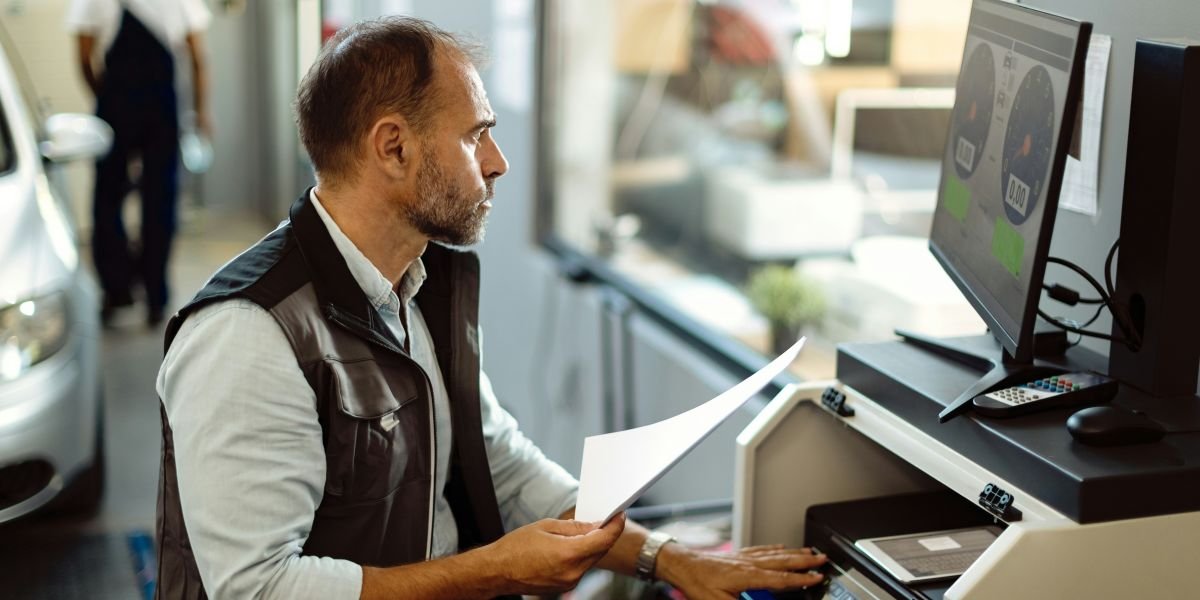
By midmorning in an independent auto repair shop, everything is already happening at once. The phone rings again. A technician pauses mid-job, waiting for a customer’s approval.
Someone at the counter wants to know why today’s estimate looks higher than yesterday’s. The service advisor moves between screens and conversations, trying to keep the day from slipping off course.
This pace hasn’t changed much in decades. The tools meant to support it, however, often feel stuck in the past. Many shops still rely on desktop software installed years ago, systems tied to local servers, and manual updates. Others use a mix of paper notes, whiteboards, and memory. It works, until it doesn’t. And when it breaks down, it usually breaks at the worst possible moment.
An Industry That Carries Real Weight, Quietly
Tekmetric was born out of that tension. Founded in Houston in 2017, the company didn’t set out to reinvent auto repair. Instead, it focused on a more modest goal: helping independent shops run their businesses with fewer disruptions.
The automotive aftermarket is enormous, yet largely invisible. Across the United States, hundreds of thousands of independent repair shops generate hundreds of billions of dollars each year. They keep aging vehicles on the road while dealing with rising costs, tighter labor markets, and increasingly complex cars. Despite that, the industry spent years on the margins of software innovation.
Tekmetric’s founders noticed what others overlooked. Not a resistant industry, but one that had never been offered tools that truly fit how it worked.
Learning Before Building
Early on, Tekmetric spent less time pitching ideas and more time observing. The team visited shops and observed how work progressed throughout the day. Service advisors bounced between phones and keyboards. Technicians waited for parts deliveries or customer approvals. Owners tried to make sense of a busy schedule without knowing whether the numbers behind it added up.
The lesson was straightforward. There was no patience for software that slowed things down. If it added steps, people skipped them. If it interrupted the front counter, it didn’t last. The standard wasn’t elegance or innovation. It was speed, clarity, and reliability.
Cloud Software That Didn’t Demand Attention
Tekmetric’s response was a cloud-based management system that ran in a browser and updated quietly in the background. Estimates, invoices, inspections, parts and inventory tracking, and customer communication lived in one place. The goal wasn’t to change how shops worked, but to make their existing workflows easier to manage.
That alone set it apart from much of the industry’s legacy software. No local servers. No scheduled update nights. Owners could log in from home or while running errands to see how the business was performing without waiting for monthly reports. The work itself stayed the same. The visibility improved.
When Transparency Becomes Practical
That visibility was most evident in digital vehicle inspections. The idea was simple. Technicians could attach photos and videos directly to repair recommendations. But the impact went deeper.
Auto repair has always struggled with trust. Repairs are expensive, unfamiliar, and often unexpected. Verbal explanations leave room for doubt. Images change the tone. When customers can see worn brake pads or leaking components for themselves, conversations shift. Approvals come faster. Tension eases. Transparency becomes routine rather than performative.
Tekmetric didn’t eliminate skepticism. It lowered the temperature.
Saying No to Feature Bloat
As more shops adopted the platform, Tekmetric faced the same choice most growing software companies do. Add more features quickly, or slow down and refine what already exists.
The company chose restraint. The interface stayed simple. Workflows remained consistent. Training time stayed manageable. That decision mattered in an industry where turnover is real, and attention is limited. Software that takes weeks to learn rarely gets used well. Tekmetric focused on making sure people actually used what they had.
From Software Tool to Operating System
Over time, Tekmetric grew into something larger. Integrations with parts suppliers, payment processors, and marketing platforms turned it into a central hub for shop operations.
Information flowed between systems instead of being re-entered. Errors dropped. Time was reclaimed.
The reporting tools became especially important. Metrics like effective labor rate, parts margins, and technician productivity were no longer buried in spreadsheets or guessed at after the fact. They were visible during the workweek, when decisions could still be adjusted. For many owners, that provided greater day-to-day visibility into the business.
Growth Without a Detour
By the early 2020s, Tekmetric’s steady expansion attracted major investors. The funding allowed the company to scale its engineering and customer support teams and expand nationally.
What it didn’t do was shift focus. Tekmetric stayed committed to independent repair shops, resisting the pull toward dealership software, where incentives and workflows differ significantly. That focus shaped the culture as much as the product. Many employees came from automotive backgrounds or had close ties to the industry.
Built for Messy Reality
Inside Tekmetric, product discussions tend to start with practical questions. What happens when the internet goes out? What if a tablet gets dropped in the shop? What if a customer walks in unannounced and needs an answer immediately?
These aren’t edge cases. They’re everyday events. The software is designed to survive them.
A Sign of a Broader Shift
Tekmetric’s rise mirrors a larger change in business software. For years, innovation focused on office workers and digital teams. Only recently has serious attention been paid to frontline industries that keep the physical economy running.
Auto repair sits squarely in that category. Cars are lasting longer. Technology inside them is more complex. Skilled labor is harder to find. Software can’t solve those problems, but it can reduce the friction around them.
The pandemic reinforced that point. Auto repair remained essential, and shops using cloud-based systems found it easier to adapt without overhauling their operations. Tekmetric didn’t pivot dramatically. It simply kept doing what it was built to do.
What Comes Next
The challenges ahead are real. Electric vehicles will change repair workflows. Competition in shop management software continues to grow. Data security becomes increasingly important as operations continue to digitize.
Growth carries risk, too. Distance from customers can dull insight. Tekmetric’s long-term success will depend less on adding features than on staying close to the shops it serves.
A Platform Built by Paying Attention
Tekmetric isn’t a consumer brand. It doesn’t chase headlines. Its impact shows up quietly, in shops that run a little more smoothly and in conversations that feel more straightforward.
In a technology world often obsessed with disruption, Tekmetric offers a quieter lesson. Sometimes progress comes from listening closely, building patiently, and solving problems people have lived with for years. Over time, that kind of work turns software into infrastructure and a useful tool into a platform.