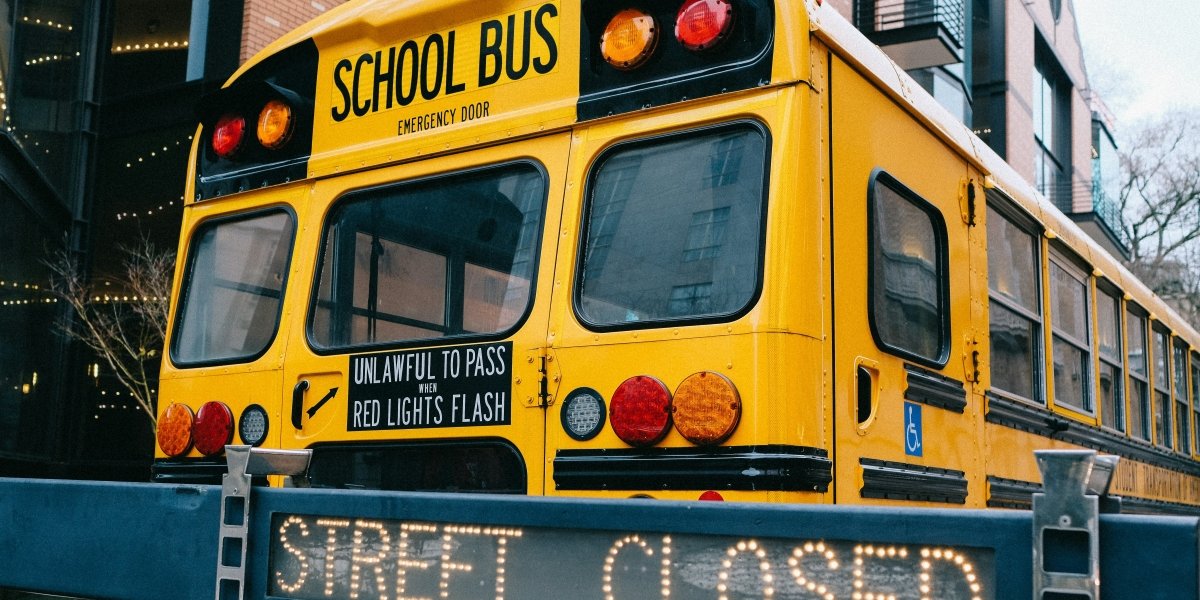
In 2013, the city of Chicago made a decision that changed the lives of thousands of families. Citing a massive budget deficit and buildings that were half-empty, the Chicago Board of Education voted to close nearly 50 public schools. At the time, it was the largest mass school closure in the history of the United States. Officials promised that by moving students to better-performing “welcoming schools,” the children would receive more resources and see their grades improve.
Thirteen years later, a wave of new research is looking back at what actually happened. The findings are sparking a fresh debate as other cities across the country, like Cleveland and districts in Vermont, consider similar plans. The data suggests that for most students, the promised “brighter future” never fully arrived. Instead, many children faced years of academic struggle and emotional stress that offset any benefits of the new schools.
A Disruption That Lasted Years
When a school closes, it is not just a building that disappears. For many children in Chicago’s South and West sides, their school was the heart of their community. New analysis from the University of Chicago Consortium on School Research shows that the transition was far from smooth. In the year the closures were announced, students immediately began to fall behind. On average, they lost about one and a half months of progress in reading and two months in math.
While reading scores eventually bounced back after a year, the struggle in math lasted much longer. For many, it took four full years to catch up to where they should have been. This delay was especially hard on younger students. Researchers found that children who were in the third through fifth grades at the time of the closures saw their grade point averages drop. Because grades are often a better predictor of high school graduation than test scores, this dip caused long-term concern for educators.
The Reality of “Welcoming Schools”
The plan relied on the idea that students would move to much better schools. However, the reality on the ground was different. Most students did move to schools with slightly higher ratings, but the difference was not big enough to spark major improvements. Only about 20 percent of the displaced students ended up in the city’s top-tier schools. The rest remained in schools that struggled with similar challenges as the ones that had been closed.
Marisa de la Torre, a researcher who has spent years studying these effects, noted that the jump in quality just wasn’t there for most kids. She explained that some students, specifically those who were able to get into very high-performing schools, did see academic gains. But for the majority, the difference between their old school and their new one was not dramatic enough to help them overcome the trauma of the move.
Emotional Toil and Broken Connections
Beyond the numbers on a test, the closures had a deep emotional impact. Students and teachers reported a period of “mourning” for their old schools. Long-standing social connections were severed overnight. When the two groups of students merged, it often created a tense environment. In some cases, children had to walk through unfamiliar or unsafe neighborhoods, crossing gang territories they had previously avoided.
The transition also put a heavy burden on the staff at the welcoming schools. Many felt they were not given enough support or time to prepare for the sudden influx of hundreds of new students. This lack of preparation led to a chaotic first year for many programs. Instead of focusing on new technology or better libraries, teachers were often busy just trying to manage the social dynamics of a combined and grieving student body.
Lessons for Other Cities in 2026
As school districts nationwide face declining enrollment and rising costs today, many leaders are looking at Chicago’s legacy as a warning. The research shows that simply moving a student to a “better” school on paper does not guarantee success. If the move is handled with too much speed or without enough emotional support, the disruption can do more harm than the new resources do good.
In Chicago, the debate has led to a long moratorium on school closures, but that pause is nearing its end. Current leaders, including Mayor Zohran Mamdani, are being urged to listen more closely to parents and teachers before making similar moves. Schools Chancellor Kamar Samuels has emphasized that high-quality programs give the youngest residents a strong foundation, but those programs must be stable and well-supported to work.
The legacy of 2013 continues to influence policy in the city. Many advocates argue that instead of closing schools, the city should invest in “community schools” that provide healthcare, after-school programs, and adult education. They believe that keeping these institutions open helps stabilize neighborhoods and keeps families from moving away.
For the students who lived through the 2013 closures, the experience remains a defining part of their education. As the class of 2022 and 2023 entered the workforce and college, their stories reminded the city that a school is more than just a line in a budget. It is a place where relationships are built, and when those are broken, the cost is often higher than any financial savings.