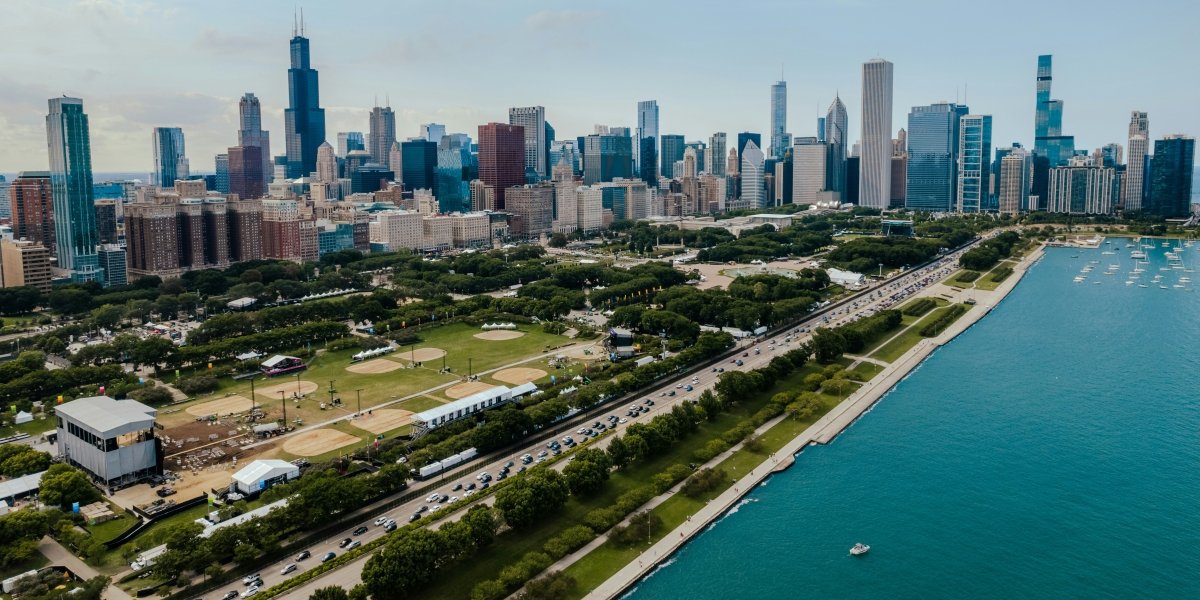

Chicago’s culinary destination status is surging, and it’s not just about Michelin stars or celebrity chefs. The city’s food scene is a living, breathing reflection of its neighborhoods, its grit, and its global reach. From fine dining in the West Loop to fusion pop-ups in Albany Park, Chicago is feeding more than appetites, it’s feeding identity.
The city’s kitchens are louder, bolder, and more confident than ever. They’re not chasing trends from the coasts. They’re building something that feels unmistakably Chicago: diverse, rooted, and unapologetically flavorful.
Global Acclaim Meets Local Grit
Chicago’s culinary reputation has earned global attention, with multiple restaurants ranked among the world’s best. Smyth, a standout in the West Loop, continues to draw praise for its hyperlocal sourcing and theatrical plating. The team behind it works directly with The Farm in Bourbonnais, turning seasonal produce into multi-course experiences that feel both intimate and ambitious.
But the city’s culinary destination status isn’t built on accolades alone. It’s built on contrast, the ability to deliver a $300 tasting menu and a $3 taco with equal care. That duality is what makes Chicago magnetic. It’s not chasing novelty; it’s defining it.
Neighborhood joints are just as influential. A family-run taqueria in Little Village might not have a star rating, but its birria ramen draws lines every weekend. A Palestinian-owned bakery in Albany Park sells out of za’atar croissants before noon. These aren’t gimmicks, they’re reflections of Chicago’s cultural depth.
Neighborhoods Are the Real Tastemakers
Chicago’s rise as a culinary destination is powered by its neighborhoods. Pilsen, Logan Square, Uptown, and Bronzeville are shaping the city’s food identity with concepts that reflect heritage, hustle, and community. Chefs are opening spots that speak to their roots and their block, not just food critics.
This local energy gives Chicago its edge. The city’s culinary scene thrives on global flavors and local innovation, blending traditions from Mexico, Vietnam, Poland, and Ethiopia into menus that feel fresh but familiar. Diners aren’t just chasing novelty, they’re chasing stories, and Chicago’s kitchens are full of them.
In West Town, a Filipino tasting room pairs heirloom recipes with natural wine. In Hyde Park, a jazz-themed supper club serves Creole classics with live sets every weekend. These concepts aren’t just feeding people, they’re building culture.
Even longtime staples are evolving. Harold’s Chicken Shack, a South Side institution, now offers vegan wings and gluten-free sauces. It’s a nod to changing tastes without losing the soul of the original.
New Openings Are Changing the Game
Chicago’s restaurant openings continue to push boundaries. Atelier, a Michelin-starred institution, reopened in Lincoln Square with a 12-course tasting menu and a full bar program. It’s not alone, dozens of new spots are launching across the city, from upscale Korean barbecue to plant-based soul food.
These openings reflect a broader shift in how Chicagoans eat. There’s more curiosity, more risk-taking, and more demand for experiences that go beyond the plate. Restaurants are responding with immersive design, rotating menus, and collaborations that feel more like pop-up art shows than dinner service.
In Logan Square, a new spot serves Nigerian suya tacos alongside mezcal cocktails. In Bridgeport, a converted firehouse now hosts a rotating lineup of chefs, each bringing their own spin on Midwestern comfort food. These aren’t just restaurants, they’re platforms for storytelling.
Culinary Events Are Cementing Chicago’s Influence
Chicago’s food reputation isn’t built in restaurants alone, it’s built in events. The Taste of Asia Summit brought chefs, investors, and food media together to explore Asian culinary growth across North America, and Chicago played host with style. Panels, tastings, and chef-led demos turned the summit into a showcase for the city’s role in shaping the future of food.
Local festivals are also stepping up. The Logan Square Night Market features rotating chef residencies, while Bronzeville’s Soul Food Week draws national press for its blend of history, activism, and flavor. These gatherings aren’t just fun, they’re foundational.
They attract talent, spotlight innovation, and give Chicago a platform to lead. Whether it’s a ramen masterclass or a discussion on sustainable sourcing, the city is showing it can host, and drive, the conversations that define the industry.
Chicago’s Culinary Identity Is Bold, Diverse, and Local
What makes Chicago a true culinary destination isn’t just the accolades, it’s the attitude. The city’s food scene is confident, diverse, and deeply tied to its communities. Chefs aren’t chasing trends; they’re building legacies. Diners aren’t just eating; they’re connecting.

Photo Credit: Unsplash.com
From the West Loop’s fine dining temples to the corner joints in Albany Park, Chicago’s kitchens are telling stories that matter. And the world is listening.
The city’s culinary identity is also shaped by its resilience. During the pandemic, pop-ups, ghost kitchens, and community fridges kept the food scene alive. That spirit hasn’t faded. It’s evolved. Chicago’s community fridge movement continues to support residents, while chefs collaborate with nonprofits to feed unhoused neighbors and mentor young talent.
Even the city’s grocery landscape reflects this shift. Independent markets are stocking locally made sauces, spice blends, and frozen meals from neighborhood chefs. It’s a way to keep the culinary ecosystem thriving beyond the dining room.
Chicago Is Building the Future of Food, Its Own Way
Chicago’s culinary destination status isn’t about copying coastal trends. It’s about creating something that feels unmistakably Chicago. That means deep-dish pizza and jibaritos, yes, but it also means fermented black garlic ice cream, vegan Polish pierogi, and Cambodian barbecue.
It means chefs who grew up on the South Side opening tasting rooms in River North. It means restaurateurs turning old warehouses into food halls. It means diners who expect excellence, but also warmth, story, and soul.
Chicago isn’t just a place to eat. It’s a place to understand what food can be, personal, political, joyful, and deeply local.