The Chicago Journal

Into the Expanding Darkness: Jennifer Aitken’s War of Shadows Pushes the Legends of Light & Shadows Saga Into New Realms

By: Julie Waldron

In War of Shadows, the acclaimed second installment of the Legends of Light & Shadows Saga, author Jennifer Aitken transports readers even deeper into a universe where light battles relentlessly against an ancient and consuming darkness. Fast-paced, imaginative, and emotionally resonant, this YA epic fantasy picks up with Lucius Xavier as his destiny unfolds—revealing both the weight of his journey and the magnitude of the forces stacked against him.

The story opens wide into new realms as Lucius trains to join an elite dimensional civilization. There, he begins to understand not only the power that lives within him, but also the immensity of what’s at stake. With Earth at the brink of destruction, he and his allies must cross dimensions to stop Tartarus, a powerful being from the shadow realm whose arrival threatens all existence. As the universe expands, so does the darkness—testing Lucius at every turn.

Expanding the Universe

Aitken describes the creative process behind Book Two as unusually fluid. “I loved writing War of Shadows. I found this book poured out of me, and the evolution of the story unfolded quite easily,” she explains. Her mission was to strike the delicate line between cinematic intensity and sensory immersion. “It was my goal to find the perfect balance between plot and description so that my readers felt completely immersed in the world I created.”

Lucius Xavier: A Hero Growing Into His Destiny

The stakes rise quickly in War of Shadows, and so does Lucius’s internal development. Aitken’s commitment to shaping him into a character readers feel and root for is evident throughout the novel. “I’ve always wanted Lucius to be relatable in the way he approaches the mysteries of the Universe,” Aitken says. At the same time, she wanted his growing power to feel authentic. “There is a fine line creating a character readers can relate to but also want to root for because they see his inner strength.”

This sequel is designed around that balance—Lucius evolves in tandem with the scale of the dangers he faces. “The stakes of the plot escalate in tune with what Lucius can handle. I hope this is a balance I was able to achieve.”

A Villain with Depth: Tartarus

That balance is tested intensely through Tartarus, the story’s formidable antagonist. An ancient force of shadow, Tartarus is neither a one-note villain nor a mere foil to the hero’s light. Aitken crafted him to be as layered as he is terrifying. “It was my goal to create a villain that was not just full of shadow but also had a backstory to help shape and add layers,” she shares. “These layers were meant to add emotional dimension to Tartarus.”

Darkness isn’t simply the enemy in this saga—it is a foundational thematic thread woven throughout the series. “The aspect of his shadow energy is essential to the entire series, the theme of dark versus light laced through every instalment.”

Themes of Self-Discovery and Inner Power

Beneath its epic battles, dimensional travel, and high-stakes prophecies, War of Shadows is anchored by themes of identity and growth. Aitken hopes readers walk away with a renewed sense of possibility, strength, and inner resilience.

“Self-discovery and improvement is a strong underlying theme in War of Shadows,” she says. “I want the readers to feel like there is no challenge they can’t handle, can’t survive.”

Much of that exploration unfolds through Lucius’s mentorship—training that strengthens both his mind and spirit. As he sheds the limitations of old beliefs, he discovers just how much the Universe has been holding in wait.

Building a Dimensional World

The complexity of Aitken’s universe—its layered dimensions, varied powers, and sprawling cast—requires meticulous internal structure. For writers tackling stories as intricate as hers, she offers practical advice: build a system you trust.

“I have created what many refer to as a ‘Bible’ of characters, their descriptions, their abilities, and their location,” she explains. “This way, I can open the document, find the character in question, and everything is at hand. This is essential for consistency through the series.”

It’s a testament to the craft beneath the magic—a reminder that even expansive stories begin with careful documentation and intention.

Stepping Into Lucius’s Trials

Among the many moments that unfold in War of Shadows, there is one challenge in Lucius’s journey that Aitken says she’d love to experience firsthand. When Lucius reaches Atlantis, he must face a series of individual trials—alone. Aitken finds that moment particularly resonant.

“He is left alone, facing different tests that help him understand just what he is capable of in this dimension,” she explains. The sequence asks Lucius to quiet his chaotic mind and fully claim the power within him. “I love the idea of truly testing what we are capable of and the absolute sense of accomplishment when we focus and put our minds to our dreams, making them goals.”

A Saga That Continues to Rise — Pick Up Your Copy

With its dimensional adventure, its richly layered mythology, and its emotionally grounded hero, War of Shadows expands the Legends of Light & Shadows universe with confidence and heart. Aitken has crafted a sequel that honors its origins while boldly carving new pathways into the unknown—and the result is an epic that feels both cosmic in scope and deeply personal.

Fans of expansive worlds, deep character evolution, and thrilling shadow-versus-light battles will find much to love here—and plenty to look forward to as the saga continues.

Ready to journey deeper into the shadows?

Head to Amazon to pick up your copy of War of Shadows today and experience the next electrifying chapter in the Legends of Light & Shadows Saga.

Designing a Business That Serves Your Life: Insights from Bill Kruse’s Permission to Change

Many CEOs and founders build companies that dominate their time, energy, and attention, often leaving little room for personal fulfillment, creative thinking, or long-term vision. The relentless pace of entrepreneurship can make leaders feel trapped in a cycle of constant problem-solving, firefighting, and decision-making, with minimal opportunity to step back and shape the broader direction of their lives. Bill Kruse, CEO of Legacy Architects and author of Permission to Change, challenges this conventional approach. He advocates for building businesses that serve the life of the leader rather than consume it, arguing that the most sustainable and rewarding enterprises are those deliberately designed to enhance, rather than deplete, the leader’s overall well-being. With decades of experience advising high-level executives, guiding family businesses, and managing complex transitions at firms such as KPMG, Ernst & Young, and HKA CPAs and Advisors, Kruse has witnessed firsthand how unplanned growth, inadequate systems, and a lack of intentional leadership can derail even the most promising ventures. His book serves as a structured, actionable guide for leaders seeking to create organizations that not only survive market swings but also actively enhance their personal and professional lives in meaningful ways.

At the heart of Permission to Change is the idea that building a business is far more than simply maximizing profit, scaling operations, or expanding market share. According to Kruse, true entrepreneurial success lies in creating an entity that aligns closely with the founder’s purpose, values, and vision for life. He frames legacy not as a distant outcome —a series of achievements or wealth left behind —but as a living process, a deliberate practice embedded in everyday decisions and actions. This philosophy is supported by practical tools throughout the book, including exercises, checklists, and real-world examples, all designed to help CEOs establish financial stability, develop resilient operational systems, and cultivate empowered leadership teams capable of running autonomously. The ultimate goal is clear: a business should enable growth, freedom, and balance, rather than draining its leaders physically, mentally, or emotionally.

Kruse’s insights are shaped by a unique journey that spans both the practical and the analytical. Growing up in the Midwest, he learned foundational lessons from farming, including the importance of patience, strategic planning, and the value of deep roots in both work and life. These early experiences instilled in him a sense of long-term thinking, resilience, and adaptability, which later informed his career in finance, advisory services, and entrepreneurship. In the corporate arena, he observed that many companies suffer not from a lack of opportunity but from leaders who are overextended, processes that are misaligned, or teams that lack the capacity and clarity to operate independently. This perspective enables Kruse to blend analytical rigor with human-centered strategy, providing leaders with actionable ways to construct organizations that can withstand market volatility, personal challenges, and economic uncertainty. Permission to Change encourages readers to anticipate disruptions, embrace adaptability, and intentionally structure their companies to foster both longevity and personal satisfaction.

What sets Kruse apart is his focus on the intersection of life and business. In contrast to traditional leadership advice, which often treats personal fulfillment as secondary or even optional, Kruse positions it as central to the design of any resilient enterprise. CEOs who adopt his guidance learn to build businesses that mirror their values, support their desired lifestyle, and provide meaningful freedom not just for themselves, but also for their employees and leadership teams. The book addresses crucial areas often overlooked by high-performing leaders, including succession planning, operational stability, decision-making frameworks, and strategic delegation. By prioritizing these elements, leaders prepare themselves and their organizations for any eventuality, whether that be sudden growth, market shifts, or personal life changes, while reducing the risk of burnout or crisis-driven management.

Beyond immediate operational benefits, Kruse emphasizes the power of leaving a tangible, living legacy. Leaders who implement his strategies create organizations that are sustainable, values-driven, and capable of positively impacting families, employees, and the communities they serve. In this way, Permission to Change reframes the entrepreneurial journey: success is not measured solely by financial outcomes or market dominance, but by a business’s ability to enhance lives, provide purpose, and cultivate enduring value. Kruse’s message is both practical and profound: by designing a company intentionally, leaders can achieve professional excellence while simultaneously living a life of balance, fulfillment, and legacy-driven purpose.

In a business landscape often characterized by a relentless pace, stress, and overcommitment, Permission to Change offers a refreshing perspective —a blueprint for creating enterprises that work for the leader, not the other way around. It is a guide for those who refuse to accept that success must come at the expense of their personal life, health, or happiness, proving that with thoughtful design, disciplined planning, and intentional action, leaders can build businesses that are as sustainable and impactful as they are profitable.

Disclaimer: The information provided in this article is for general informational purposes only and does not constitute professional advice. While the insights shared in Bill Kruse’s Permission to Change may resonate with individuals seeking a better balance between personal fulfillment and business success, results may vary depending on individual circumstances. The concepts discussed are intended to guide CEOs and business leaders in making informed decisions regarding business structure and leadership. Outcomes are not guaranteed, and any reliance on the information provided is at your own risk. It is recommended to seek personalized advice from qualified professionals before making significant business or personal decisions.

Inside The Body of Change: Dr. Lisa Cooney’s Somatic Approach to Healing

By: Nancy Wallace

Dr. Lisa Cooney’s book, The Body of Change: Using Your Body to Heal, Love, and Empower Yourself, provides a powerful roadmap for releasing old patterns, reconnecting with inner wisdom, and reclaiming a sense of wholeness. Through somatic principles, she invites readers to notice the places where their bodies hold tension, memory, and unspoken emotion—and to transform those sensations into gateways for healing.

Understanding the “Four Ds”

At the foundation of her work is an exploration of the protective coping patterns many of us unconsciously rely on, which she calls the “four Ds”: denying, defending, disconnecting, and dissociating. “These aren’t flaws — they’re intelligent adaptations,” she explains. For many, these automatic responses emerged when safety or emotional support was unavailable. We “deny our truth, defend against vulnerability, disconnect from our emotions, and dissociate when we feel overwhelmed.” Yet awareness marks a turning point. “When you can name the pattern — ‘I’m defending right now’ — you step into consciousness instead of reaction. That’s where transformation begins.”

Small Steps to Rebuild Somatic Trust

The Body of Change highlights how these ingrained patterns—once necessary—can become obstacles to self-expression, connection, and empowerment. The book encourages readers to recognize these responses without shame, opening the door to deeper self‑compassion and agency.

For those who feel disconnected from their bodies, Dr. Cooney offers accessible tools to rebuild trust. One practice begins with a pause: “Place a hand on your heart or belly, take a breath, and simply ask: ‘Body, what do you need right now?’” Even if no answer emerges, the act itself is meaningful. “You might hear silence at first — that’s okay. Trust grows through consistent presence, not perfection. The body begins to speak again when it feels safe to do so.”

Releasing Trauma Through the Roar® Technique

A central feature of The Body of Change is Cooney’s Roar® Technique—an invitation to let the body speak its truth. She describes it as “a somatic process designed to help people safely release stored trauma and emotional charge from the body.” By integrating movement, breath, and sound, the method helps restore flow and vitality to the nervous system and emotional body. ROAR stands for Radical Release of Authentic Revelation, a phrase that reflects both the depth and intention of the work. “It’s not about rage; it’s about reclamation,” she says. “When we let the body express what’s been held back, we free the energy that was once locked in survival and reclaim our power to live fully.”

Where Science Meets Spirituality

This approach emphasizes that trauma is not only a psychological experience, but also a physiological one. The body remembers, stores, and speaks—often before the mind can make sense of a situation. Learning to listen to that language can shift what once felt immovable.

Another valuable insight in Cooney’s teaching is her ability to integrate science and spirituality. “Science grounds us; spirituality expands us,” she explains. “True healing happens where the nervous system and the soul meet.” Drawing on neuroscience, somatic psychology, and quantum energy principles, she helps readers understand both the biology and mystery of transformation. “The body itself is the bridge — matter and energy working as one.”

Why This Work Resonates With Performers And Creatives

The Body of Change also demonstrates why Cooney’s work resonates with those navigating major transitions or emotional crossroads. She has worked with performers, changemakers, and highly visible figures who often arrive after having “tried everything else.” Many have sought out therapy, mindset training, or retreats, only to find that something still feels incomplete. According to Cooney, that missing piece is often somatic. “High performers and creatives often live in their heads. They’ve done the mindset work, the therapy, the retreats — but the body still holds the story.” When people finally tap into somatic release, “something shifts permanently. It’s not about ‘fixing’ themselves; it’s about finally feeling themselves. And that’s universal.”

Healing as an Ongoing Relationship

This emphasis on embodied presence sets Cooney’s work apart. She teaches that true empowerment begins when we approach the body with curiosity, patience, and a willingness to learn. Healing, in her view, is not a destination but a relationship—one that unfolds moment by moment.

A Practical Path to Everyday Change

The Body of Change is both a philosophical and a practical guide. Readers will find reflection prompts, body‑based exercises, and accessible techniques designed to integrate healing into everyday life. Practices such as mindful breathing, intentional movement, and emotional journaling become stepping‑stones to reawakening one’s inner authority.

Ultimately, the book invites a return to aliveness. For anyone seeking to transform old survival strategies, reconnect with their body’s wisdom, and cultivate deeper emotional freedom, Dr. Lisa Cooney offers a compassionate companion on the journey.

The Body of Change is available now on Amazon.

Disclaimer: The content of this article is for informational purposes only and is not intended as medical, psychological, or therapeutic advice. Always seek the guidance of a qualified healthcare professional with any questions you may have regarding a medical condition or mental health concerns.

The Hidden Costs of Families Raising a Neurodivergent Child May Be Overlooked

By: Jay Fedelman

When a family receives a diagnosis of autism or any other neurodivergent condition for their child, they enter a world that is often emotionally and financially overwhelming.

Michael Pereira, founder of The Autism Voyage, knows firsthand the significant impact of a diagnosis on a child’s life. “We lived through the uncertainty that follows a diagnosis,” he explains. “The endless appointments. The IEP meetings. The caregiving and therapy schedules. The complete restructuring of family life around a child’s needs, without losing focus of the whole family dynamic.”

That shift also included financial concerns. How much would therapy cost? Would insurance be enough to cover the healthcare needs of the child? What about the cost of future planning? All of these questions and more ran through Pereira’s head as the family set out to navigate their new normal together.

“These questions led me to become a financial professional,” says Pereira. “I wanted to be able to help families navigate insurance planning. The questions that we had also led me to start The Autism Voyage.”

The Autism Voyage is making a significant difference in the close-knit community of families raising neurodivergent children. As an information- and awareness-driven platform for these families, The Autism Voyage helps find answers through curated blog content, expert insights, and educational resources focused on daily living and building a team of professionals who can help them provide a quality life for their child.

The Unseen Costs of Raising a Child With Disabilities 

As Pereira and other parents of neurodivergent children can tell you, the unseen costs that follow a diagnosis can be significant and nearly impossible to anticipate. “Whether you’re a parent, sibling, grandparent, or other family member planning for a loved one’s future, the pressure to ‘figure it all out’ can be paralyzing,” Pereira shares.

Depending on the severity of the diagnosis, children may require specialized therapies and interventions that comprehensive healthcare plans may not fully cover. Speech therapy or Applied Behavior Analysis therapies can range from $60 to $200 per session (possibly more), and may not be considered medically necessary under specific insurance plans. These gaps leave families making tough decisions about their children’s care. If families are unprepared for out-of-pocket expenses, they may quickly become overwhelmed.

Health insurance gaps can quickly become a primary concern for caregivers of neurodivergent children. There can be significant exclusions, depending on one’s plan. These gaps and medical expenses can add up quickly, decimating budgets and disrupting care. Many families discover that programs like SSI and Medicaid, while potentially helpful, can be confusing and difficult to navigate without expert guidance.

The Employer Benefits Gap That Families Overlook

Beyond medical coverage, many families don’t realize how vulnerable they are, relying solely on employer benefits. Employer life insurance typically covers only one to two times annual salary, while disability coverage usually replaces just a percentage of base salary, excluding bonuses or commissions. These benefits often disappear if a parent changes jobs, is laid off, or retires.

“Families assume they’re protected because they have ‘life insurance through work,’ but they don’t realize how limited that coverage is or how easily it can vanish,” Pereira explains.

For self-employed families, the situation is more precarious. Self-employment is common among families with special needs due to the flexibility it offers for therapies and appointments, but it means starting without any safety net. “Self-employed parents are so focused on keeping their business afloat and their child’s care on track that proactive planning falls to the bottom of the list,” says Pereira. “They’re often the ones who need protection most.”

Planning for the Future

While navigating the present is often front and center, planning for the future can be financially daunting. As families grapple with guardianship, trusts, and the transition to adulthood, the costs of legal fees and other hidden expenses become clearer.

For Pereira, offering resources, education, and direction that may help families anticipate these costs. “The earlier a family begins having these conversations about financial issues, the more options they may have,” he says. “There are legal protections, financial tools, and community resources specifically designed to support individuals with disabilities, but many families don’t know they exist until it’s too late.”

Helping Bridge Financial Gaps

The Autism Voyage has emerged as a unique, family-centered resource and advocate for those navigating a world following diagnosis. Pereira left behind a career in corporate America to create this platform that blends empathy and practical advice. 

Pereira emphasizes the importance of building a team of professionals to help navigate financial, legal, and emotional challenges following diagnosis. For many families, half the battle is understanding where to start and knowing you need to build a support system and team.

“No single professional can address every aspect of planning for a loved one,” says Pereira. “The families who plan successfully do it with a collaborative team that includes estate attorneys, financial advisors, insurance professionals, and therapists, among others.”

Families who receive a diagnosis for their child often need help, even knowing which questions to ask. What therapies are covered under their insurance? How do they document needs? Where can they turn for expert help?

That’s where The Autism Voyage comes in. The platform offers curated blog posts that break down these issues step by step, addressing crucial topics such as insurance coverage gaps, caregiving burnout, and the sandwich generation. Pereira also shares his personal journey, practical insights, and parenting tips through a weekly newsletter.

Staying informed and seeking guidance from experts may help families anticipate future costs and prepare for what lies ahead.

Like the Pereira family discovered, the days, months, and years following a diagnosis of neurodivergence can be filled with questions and financial surprises. Expenses can be complex, multifaceted, and daunting. Through The Autism Voyage, Pereira has offered a roadmap for families that simplifies complex situations, prompts essential conversations, and connects families to trusted experts who may help bridge financial gaps.

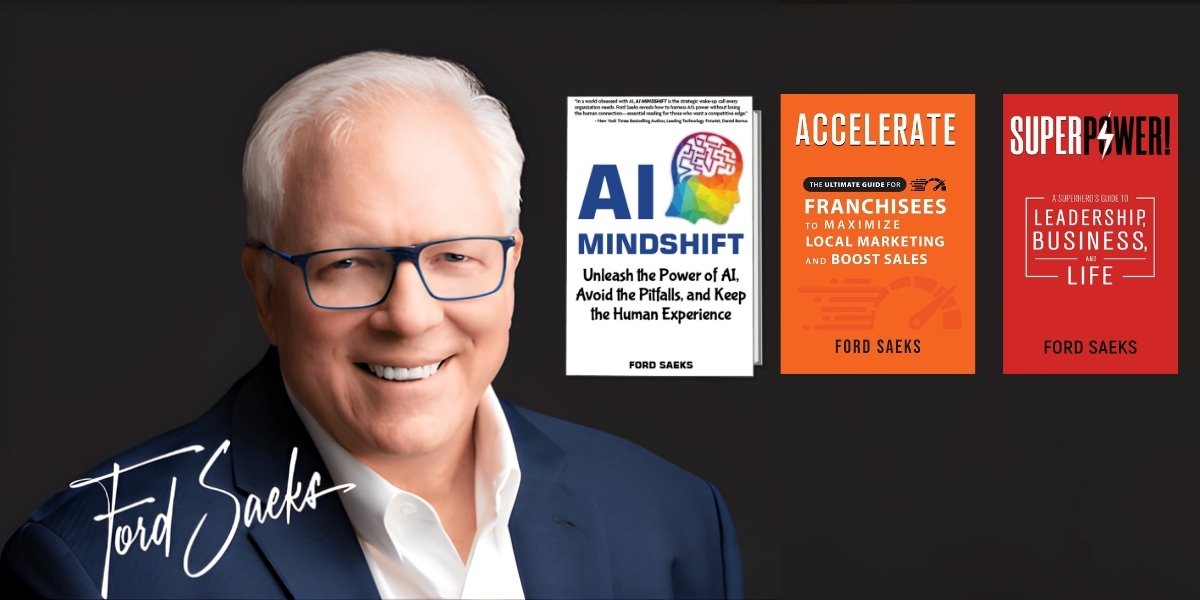
Ford Saeks: Igniting Smarter Growth in a World Driven by AI and Innovation

By: Benjamin Hale

Companies chase growth, but few achieve it with clarity and purpose. Hall of Fame Keynote Speaker and Business Growth Accelerator Ford Saeks has built his career helping leaders transform chaos into clarity and activity into measurable progress. Ford Saeks, founder of Profit Rich Results and creator of the Accelerated Growth System™, has spent decades helping organizations scale with purpose and precision. His approach is rooted in practical, measurable strategies that prioritize alignment, accountability, and human connection. Saeks does not chase trends. He helps leaders see the difference between activity and progress.

“The biggest mistake I see companies make when trying to scale is confusing activity with progress,” Saeks explains. “They chase every new tactic, whether it is more advertising, more funnels, or new technology, without addressing the fundamentals that drive sustainable growth: clarity, focus, and alignment.”

Saeks’ Accelerated Growth System™ starts with identifying the gap between where a company currently is and where it wants to be. The system focuses on mindset, strategy, and tactical execution. The breakthrough comes when leaders stop asking how to grow faster and start asking how to grow smarter. “That means building systems that are measurable, repeatable, and scalable,” he says. “Growth should not depend on one person, one platform, or one fleeting trend. When a team is aligned around measurable outcomes and empowered with the right tools, growth becomes predictable instead of accidental.”

Saeks’ insight into sustainable growth is informed by more than traditional business practices. He has been teaching companies to adapt long before artificial intelligence became a popular buzzword. “AI is not just changing business, it is redefining leadership, sales, and marketing,” Saeks notes. He predicts that over the next five years, AI will take over data analysis, automation, and even some creative work. Yet the real opportunity lies in augmentation, not replacement. “Leaders who thrive will be those who combine human judgment with AI precision,” he says. Critical thinking, emotional intelligence, and the ability to communicate effectively with AI will become essential skills. “The companies that win will be the ones that use AI to amplify their people, freeing up time for strategy, innovation, and meaningful customer connection.”

The Accelerated Growth System™ is grounded in practical application. Saeks shares an example from a national franchise client that faced challenges in converting leads and aligning franchisees with corporate goals. Saeks’ team began by shifting the mindset from a corporate-versus-franchisee dynamic to one of shared mission. They refined their strategy by clarifying the value proposition, simplifying their marketing approach, and focusing on attracting their ideal customers. Tactical improvements, such as website optimization, local SEO, and mapping the customer experience, followed. Within six months, the franchisees experienced notable improvements in lead generation and saw a positive impact on sales. Beyond revenue, Saeks highlights the cultural transformation that occurred.  “The biggest win was a shift toward accountability, collaboration, and shared success,” he says. “When everyone works together around clear goals, performance and morale improve simultaneously.”

Customer experience and company culture are central to Saeks’ philosophy. In an age of digital overload and automation, he stresses the importance of genuine human connection. “Technology should enhance relationships, not replace them,” he explains. He calls this approach the Human Touch Principle. By automating routine tasks, leaders can focus on listening, coaching, and celebrating wins. “Whether it is a customer or a team member, people do not want to feel processed. They want to feel valued and seen. When you automate the routine, you liberate the human.”

Saeks’ career includes experience with several companies, authored books, and speaking engagements internationally. Looking back, he attributes his longevity and impact as a leader to curiosity and consistency. “Every day, I ask myself two questions: What can I learn today, and how can I apply it to help others grow?” he says. That mindset keeps him adaptable and innovative even as technology, markets, and buyer behaviors evolve. Principles such as integrity, service, and continuous improvement remain constant, ensuring that growth is sustainable and meaningful. “When you focus on creating value, building trust, and continuously evolving, success becomes a natural byproduct.”

Saeks also stresses the importance of leadership mindset over mechanics. “The shift from doing more to doing smarter is critical,” he says. “Companies often measure activity instead of outcomes, and leaders underestimate how powerful alignment and focus can be. Growth is not just a function of effort. It is a function of clarity, measurement, and consistent execution.”

Ford Saeks’ work demonstrates that growth is a combination of strategy, mindset, and human-centric leadership. His insights on AI, culture, and practical execution make him a sought-after advisor for companies navigating complex challenges. Saeks has shown that growth is not accidental but engineered, and that lasting impact comes when leaders combine intelligence, empathy, and action.

By emphasizing clarity, accountability, and the human element, Saeks helps organizations not only scale revenue but also cultivate cultures of trust and engagement. His Accelerated Growth System™ ensures that leaders are equipped to make decisions that create predictable results, build strong teams, and maintain meaningful relationships with customers and employees alike.

In a business environment that is increasingly driven by technology and constant change, Ford Saeks stands out for his insistence that growth begins with clarity, alignment, and the human touch. His philosophy reminds leaders that true success is achieved not by doing more, but by doing smarter, more intentionally, and with greater empathy. As AI reshapes every industry, Ford Saeks helps leaders stay relevant, resilient, and results-driven. Discover more about Ford at https://profitrichresults.com/ 

Securing the Supply Chain: Comprehensive Security Checklists for UAE Warehouses and Logistics Hubs

The extensive warehouses and logistics centers are cornerstones of the UAE’s position in global trade. These centers are high-value targets containing millions of dollars’ worth of inventory, which makes them a primary focus of a business’s security priorities. Multi-layered, tech-innovative security systems designed and implemented by a reputable security agency in Dubai will be needed to protect the supply chain and the business’s assets. Ranging from physical security measures and strict access control to real-time surveillance, a comprehensive plan should integrate all aspects of security.

The Three Pillars of Logistics Security

Logistics centers are protected by managing the perimeter, the stock, and the staff. It is best to use a systematic checklist method to help ensure total protection.  

Physical perimeter defense: The external boundaries serve as the first line of defense.  

  • Reinforced fencing & gates: Those responsible need to confirm all outer barriers are in good condition, and gates are locked with industrial-grade padlocks, which are a lot harder to break.  
  • High intensity lighting: Motion-activated and high-lumen lights should surround the entire perimeter and loading docks. These lights serve as a valuable deterrent for intruders who operate in the dark.  
  • CCTV coverage: Each blind spot should be protected by a high-quality camera that can also operate in low-light conditions. Every spot of the perimeter and all entry points should be constantly monitored.

Inventory and Asset Control: The Oversight of Internal and External Theft of Commodities of Worth.

  • Layered Access Control: Sensitive spaces, such as high-value stockrooms and IT server centers, require keycard and biometric access.
  • Segregated Storage: Valuable or sensitive goods to be kept in secured cages or reinforced vaults away from the central warehouse area.
  • Frequent Audits: Unannounced auditing of internal controls, security, and inventory alignment for discrepancy reconciliation should be unscheduled and seamless.

Vehicle and Personnel Vetting: The Constant Stream of People and Vehicles.

High-Value Environment and the Importance of Personnel  

It’s the professional security staff who deal with the intricate and multifaceted risk presented by a given flow. Within high-value logistics, security needs often overlap with executive protection, requiring precise route planning and secure handoffs. The facility security team will shift gears, planning and executing secure and cleared internal routes for safe transit, aligning with external security or bodyguards in Dubai as high-risk cargo is escorted, or a high-focus managing facility tour is in progress. The managers will ensure the environment is controlled.

Patrolling vividly demonstrates this disciplined vigilance. While fixed posts provide steady monitoring, patrols implement dynamic and security checks over the entire massive footprint of a warehouse: 

  • Trailer Yard Checks: Assessing overnight-parked truck trailers and containers for unauthorized seals, signs of tampering, and suspicious activity.  
  • Dock Door Security: Ensuring all closed and inactive loading and receiving bay doors are fully secured.
  • Internal Rounds: Randomized internal checks to confirm all employees are in the proper identification and are working only in their assigned areas.  

With this systems approach—where active personnel cabin audit technology and patrolling personnel physically verify the systems of control and security—hubs in the UAE logistics protect their contained supply chain investments.

Disclaimer: This material offers general information on warehouse and logistics security in the UAE. It is not legal, regulatory, or security advice and does not create a client relationship. Facilities vary—consult qualified professionals and applicable UAE laws and standards (e.g., SIRA) before acting. Checklists are illustrative; no outcomes are guaranteed.

Navon: Helping Shape Global Business with Integrity & Innovation

Navon, founded in 2022, aims to combine sustainability, innovation, and integrity to influence global business across multiple industries while making a positive contribution.

In a world where businesses often prioritize profit over purpose, Navon is seeking to rewrite the rules. Founded in 2022 and headquartered in the picturesque city of Delaware, Navon has set an ambitious path to not only excel in multiple industries but also aim to drive meaningful change across the globe. With a presence in Europe, Asia, Africa, and the UAE, the company is committed to delivering value, not just to clients and stakeholders, but also to the communities and ecosystems it touches.

At the core of Navon’s success is a strong commitment to sustainability, innovation, and integrity. Under the visionary leadership of CEO Georgiana Mart, Navon is working towards setting new standards for how businesses can be a force for good in an increasingly interconnected world. But what makes Navon truly unique? It’s the company’s ability to blend business acumen with a focus on making a meaningful, lasting impact on society and the environment.

Creating a Business with Purpose

Navon’s story is not just about growth; it’s about purpose-driven innovation. From the start, the company has been built on the belief that businesses should be more than just profit-generating machines. Rather, they should be platforms for change. Georgiana Mart, with her rich experience and commitment to ethical practices, saw a gap in the business world for companies that could simultaneously pursue success and contribute positively to society.

With this vision in mind, Navon quickly grew from a Romanian-based startup to a growing global entity. This journey was about more than just geographical expansion. Each new market presented an opportunity to incorporate local needs into the company’s solutions, and Navon did so with cultural sensitivity and sustainable practices at the forefront.

Navon’s Innovative Business Model: A Global Approach with Local Impact

What sets Navon apart is its business model, a mix of innovation, service, and sustainability. The company operates in multiple sectors, with each division focusing on solving key global challenges while delivering tangible value to clients. Here’s a deeper look at the key areas where Navon is striving to leave a mark:

  1. Navon Jobs: Today’s global labor market is interconnected like never before, and companies often face challenges finding the right talent for specialized roles. Navon Jobs is addressing this issue by facilitating international recruitment. By connecting businesses with skilled professionals worldwide, the company is helping to fill talent gaps and supporting organizations in staying competitive in fast-paced industries.
  2. Navon Study International (NSI): Education is the foundation for personal and professional development. With an ever-increasing desire for international education, NSI offers comprehensive consultancy services to guide students through the complexities of studying abroad. From application support to visa assistance, NSI’s personalized services aim to help students achieve their dreams of global education.
  3. Navon Global Languages Institute: In an increasingly multicultural world, language is key to building strong relationships, whether in business or life. Navon’s language training programs go beyond simply teaching a language; they equip individuals with the skills to thrive in global environments. From professional development to personal enrichment, this division helps foster greater cross-cultural communication.
  4. Navon Travels & Tours: Travel has evolved from simply visiting new destinations to a tool for personal growth and discovery. Navon Travels & Tours specializes in crafting luxury travel experiences that go beyond the ordinary. By offering tailored itineraries and exclusive global experiences, this division helps individuals and businesses explore the world in ways that are enriching and memorable.
  5. Navon Builders: The demand for sustainable, innovative infrastructure is rising worldwide, and Navon Builders is stepping in to meet this need. By focusing on eco-friendly construction practices, the company is helping to shape the future of urban development. Whether it’s residential buildings or commercial projects, Navon Builders ensures that its developments are future-proof and align with global sustainability goals.
  6. Navon Business Registration: Launching a business in different jurisdictions can be complex. Navon Business Registration helps simplify this process for entrepreneurs, offering expert guidance in setting up businesses globally. This division helps aspiring business owners navigate regulatory landscapes, allowing them to focus on growth rather than paperwork.
  7. Navon Properties: As a leader in real estate investment, Navon Properties is shaping the future of the housing and commercial market. Through strategic real estate investments that prioritize sustainability, the division ensures that all projects are environmentally responsible and offer long-term value.

Turning Challenges Into Opportunities

Navon’s global expansion wasn’t always smooth sailing. Entering diverse markets, especially in regions like the UAE, presented its share of challenges. However, Navon saw these hurdles not as obstacles but as opportunities for growth and innovation.

By embracing a flexible approach, the company worked through regulatory hurdles, cultural differences, and logistical complexities to establish itself as a trusted partner in new regions. The UAE market, for instance, presented unique challenges related to local regulations and market dynamics, but Navon overcame these barriers by leveraging local expertise, forming key partnerships, and adapting its approach to meet the needs of the region.

Navon’s ability to turn these challenges into opportunities reflects its leadership and commitment to excellence. The company’s strength lies in its ability to remain agile, ensuring its strategies are always in tune with the evolving needs of the global market.

The Emilia Foundation: Impacting Lives Beyond Business

Navon’s commitment to corporate social responsibility (CSR) goes far beyond donations or philanthropy; it’s about creating lasting social change. Through the Emilia Foundation, Navon supports initiatives in education, healthcare, and community development across the globe.

The Emilia Foundation’s efforts are focused on empowering underserved communities through access to education and resources that foster long-term economic growth. This foundation exemplifies Navon’s belief that true business success is measured not just by profits but by the positive influence companies can have on the communities in which they operate.

Navon Helping Shape Global Business with Integrity & Innovation

Photo: Unsplash.com

Navon’s Commitment to Sustainability

In today’s business world, sustainability is no longer optional; it’s essential. Navon has embraced this challenge by integrating sustainable practices into its operations across every division. From eco-friendly construction to promoting responsible travel and reducing its carbon footprint, Navon is a leader in building businesses that are not just successful but also environmentally conscious.

CEO Georgiana Mart believes that sustainability isn’t just a buzzword; it’s the future of business. By creating eco-conscious solutions and investing in long-term, sustainable practices, Navon is setting the standard for how businesses should operate in the 21st century.

Navon’s Vision: Building a Better Tomorrow

Navon’s story is just beginning. The company has established itself as a leader in multiple industries, with a focus on innovation, sustainability, and social responsibility. But this is just the start. As it continues to expand and evolve, Navon remains committed to its mission of building businesses that are both financially successful and socially responsible.

If you’re looking to work with a company that’s not only a leader in business but also in making a positive impact, Navon offers an opportunity to be part of something bigger. Whether you’re seeking cutting-edge solutions in recruitment, education, travel, or real estate, Navon is here to help you thrive in today’s interconnected, sustainable world.

To learn more about how Navon is reshaping industries and improving lives, visit Navon. Join the movement for change and be part of a business that’s committed to a better future for all.


Debbie Harris: Redefining Health, Beauty, and Midlife Empowerment for Women Over 40

By Caitlin Rhode

For decades, the weight loss industry has offered solutions that often fail to meet the needs of women over 40. Diet pills, fad regimens, and rigid meal plans dominate the market, yet countless women find themselves trapped in cycles of frustration, self-doubt, and disappointment. Debbie Harris, Integrative Nutrition Health Coach and Certified Hypnotist, is challenging the status quo with her new program and book, Dieting Sucks for Women Over 40: 30 to Life – The Ultimate Weight Loss and Hormone Balancing Solution. Harris’ approach is not just about shedding pounds; it’s about reclaiming health, confidence, and self-worth, while working with the natural changes of midlife rather than against them.

“The industry thrives on failure and repeat customers,” Harris says bluntly. “I’m saying, ‘Let’s break that cycle and learn to work with our bodies, not against them.’ That’s disruptive, but it’s also liberating. I’m not here to be quiet; I’m here to help women stop feeling broken.”

Redefining Health and Beauty on Your Own Terms

In a culture that prizes youth and thinness, Harris helps women rewrite their personal narrative about health, beauty, and aging. “Strength, joy, energy, and confidence are beauty,” she explains. Her coaching and her book emphasize that a woman’s worth is not tied to looking like her 20-year-old self. Instead, Harris encourages women to define health through their own values and goals, what she calls their “WHY.”

A woman’s WHY might involve being active with grandchildren, feeling confident traveling, enjoying clothing choices, maintaining strength, or living a vibrant life well into her later years. Harris stresses that the goal isn’t to be skinny, it’s to feel empowered, energized, and at peace with one’s reflection. Each woman is unique, she says, with her own history, culture, and traditions shaping what health and wellness mean to her.

Body Neutrality Meets Real-World Health

Harris’ book occupies a balanced space between body positivity and body neutrality. While she appreciates the message of loving one’s body unconditionally, she also recognizes that decades of dieting, societal pressure, and childhood teasing can make self-love feel impossible. “Body neutrality, the idea that your worth isn’t tied to your size, is a great starting point,” she explains. Her book emphasizes wins unrelated to weight, teaching women to cultivate respect, kindness, and peace with their bodies and with food.

Harris also addresses a pressing concern for the next generation: childhood obesity and its long-term health consequences. She believes midlife women can serve as role models, breaking cycles of unhealthy habits in their families while prioritizing sustainable, long-term health for themselves.

A Holistic Approach Beyond Dieting

Central to Harris’ philosophy is the belief that lasting health is more than numbers on a scale. Her 30 to Life program integrates mindset shifts, self-hypnosis, nutrition, movement, and community support. Instead of relying on pharmaceutical interventions, which she notes many clients have tried with disappointing side effects, Harris provides women with natural, practical tools to replace harmful habits and maintain a healthy lifestyle.

Her methods are designed for real life. Women juggling careers, caregiving responsibilities, and aging bodies can apply her strategies without expensive chefs, restrictive routines, or time-intensive regimens. “You don’t need a personal chef or a yoga retreat,” Harris says. “If you can drink water and go for a walk, you can do this. We can do anything for 30 days, and that’s when the magic happens.”

Community as a Catalyst for Change

A major component of Harris’ approach is shared experience. Women often feel isolated in their struggles with weight, menopause, and self-worth. Harris emphasizes that community can be transformative. “When women realize they’re not the only ones who’ve cried in the pantry or restarted their ‘Monday diet’ 42 times, they stop feeling ashamed and start feeling empowered,” she says. Her goal is to cultivate a global network of women supporting each other, sharing successes and struggles, and holding each other accountable.

Through her Resource Center and Balanced Warrior Community Membership, participants have access to downloadable journals, guided meditations, daily videos, and interactive support. Harris frames these tools as an extension of her coaching, providing guidance, accountability, and reassurance: “It’s like having me in your back pocket saying, ‘You are a Warrior, Your Journey Is Real.’”

Addressing a Critical Midlife Crisis

Harris’ work takes on additional urgency in light of rising female suicides in the 45-64 age group, a period she notes coincides with perimenopause, menopause, work stress, divorce, widowhood, and caregiving responsibilities. “I want my global community of women to be a safe space where maybe, just maybe, we can make a difference in this frightening trend,” she says. While her primary expertise is health coaching, Harris is committed to learning, researching, and contributing to organizations addressing this issue. Part of the revenue from her 30 to Life Community will be dedicated to supporting these initiatives, and she hopes to become personally involved as well.

A Legacy of Empowerment

At its core, Harris’ mission is about transformation: helping women be kind to themselves, reclaim agency over their health, and achieve a sustainable, empowered lifestyle. “You can achieve your ideal healthy weight and stay there easily and effortlessly, while enjoying the joy of food, movement, and empowerment,” she says. Her vision extends beyond dieting: it’s about rewriting societal narratives around aging, beauty, and self-worth, and creating a world where midlife women feel seen, heard, and valued.

In a landscape dominated by temporary fixes and guilt-driven messaging, Debbie Harris is carving out a space for liberation, compassion, and real results. For women over 40, her work offers a roadmap not just to health, but to confidence, resilience, and the joy of embracing midlife as a time of strength and self-empowerment.

Dieting Sucks for Women Over 40 is available on Amazon and through the author’s official website, offering readers a comprehensive, compassionate, and empowering roadmap to reclaiming their health and vitality.

Disclaimer: This content is for informational purposes only and is not intended as medical advice, nor does it replace professional medical expertise or treatment. If you have any concerns or questions about your health, always consult with a physician or other healthcare professional.

Attorney Henry E. Reaves III, Esq.: Turning Success into Service and Overcoming Challenges Along the Way

By: Lennard James 

In Memphis, Tennessee, a city defined by resilience, faith, and community, Attorney Henry E. Reaves III, Esq. has become more than just a respected name in law. He is a force for transformation, a mentor, and a living testament to what it means to rise above adversity while lifting others along the way. As the founder and managing attorney of The Reaves Law Firm, Attorney Henry E. Reaves III, Esq., has dedicated his career not only to serving justice but to serving people, especially young Black men seeking hope, direction, and opportunity in a world that too often denies them both. 

Attorney Henry E. Reaves III, Esq.,’ story is one of triumph through perseverance, but also one marked by the understanding that success doesn’t erase struggle; it refines it. “Even with success,” he often shares, “there are challenges. The higher you rise, the more responsibility you carry not just for yourself, but for those watching you.” That mindset shaped his work, both inside and outside the courtroom. 

As a lawyer, Attorney Henry E. Reaves III, Esq., has built a respected personal injury firm in the region, known for its client advocacy, integrity, and commitment to achieving favorable outcomes. But his vision extends far beyond verdicts and settlements. He sees his platform as a calling to educate, empower, and create pathways for others. “I want young Black men to see what’s possible,” he says. “Not just through words, but through real action.” 

Attorney Henry E. Reaves III, Esq., frequently visits schools, churches, and community centers, sharing his personal story of determination and purpose. Through mentorship programs and youth initiatives, he has helped countless young men in Memphis develop confidence and life skills. His mock trial workshops, internships, and scholarship programs provide not only exposure to the legal field but also access to mentorship and opportunities that many might not otherwise receive. 

What makes his engagement truly special is its personal nature. Attorney Henry E. Reaves III, Esq., doesn’t just appear for photo ops or headline events; he follows through. Those he mentors describe him as a lifelong coach, someone who stays connected, who answers the phone, who celebrates their wins, and helps them navigate setbacks. For Attorney Henry E. Reaves III, Esq, empowerment isn’t transactional; it’s transformational. 

Yet, the path hasn’t been without its challenges. Running a growing law firm while maintaining deep community engagement is no small task. Balancing professional demands, mentorship commitments, and family responsibilities requires focus and sacrifice. Attorney Henry E. Reaves III, Esq, is candid about that reality. “It’s not easy,” he admits. “There are long nights, hard days, and moments when you question whether you’re doing enough. But that’s what growth looks like. You keep showing up, you keep building, and you keep believing in the mission.” 

Beyond individual mentorship, Attorney Henry E. Reaves III, Esq, is deeply invested in systemic change. He advocates for legal literacy in underserved communities, teaching residents how to protect their rights and navigate the justice system. Through his firm’s free community legal clinics, families gain access to legal guidance on personal injury, employment, and civil rights issues, empowering them to stand stronger in the face of injustice. 

“Empowerment comes through knowledge,” Attorney Henry E. Reaves III, Esq, emphasizes. “When people understand their rights, they can protect themselves and their families. That’s what real justice looks like.” 

In a city where economic inequality and racial disparities continue to challenge progress, Attorney Henry E. Reaves III, Esq, sees hope not in institutions, but in people. He believes that those who achieve success have a responsibility to reach back. His firm embodies this philosophy, employing a diverse staff and fostering an environment where excellence and empathy coexist. 

Outside the courtroom, Attorney Henry E. Reaves III, Esq, supports local youth programs, sports teams, and community organizations, emphasizing that leadership starts with discipline and self-worth. Whether it’s helping a student prepare for an interview or encouraging a young athlete to prioritize education, Attorney Henry E. Reaves III, Esq, mentorship reminds Memphis’ youth that greatness begins with consistency and heart. 

For Attorney Henry E. Reaves III, giving back is not an afterthought; it’s the foundation of his purpose. Every courtroom victory is a stepping stone toward something larger: the restoration of faith, opportunity, and unity in his community. And though challenges come with leadership, Attorney Henry E. Reaves III, Esq, meets each one with the same courage and conviction that fueled his rise from humble beginnings. 

His message to those following his path is simple yet profound: “Success isn’t about escaping struggle, it’s about transforming it. Every challenge is a chance to build something that lasts.” 

Through his example, Attorney Henry E. Reaves III, Esq., continues to prove that the law is not just a career; it is a calling to heal, empower, and serve. In doing so, he is redefining what leadership looks like in Memphis: resilient, compassionate, and deeply rooted in the belief that our community’s victories are yet to come. For more information, visit: https://beyourvoice.com/ 

Dan Solomon’s WINFUEL Philosophy: Redefining What It Means to Win

By: Michael Beas

Dan Solomon knows the anatomy of pressure. As President and Chief Olympia Officer, he runs a recognized global fitness brand — a high-stakes ecosystem where precision, performance, and vision collide. But behind the bright lights and billion-dollar partnerships lies a quieter philosophy, one that Solomon has distilled in his new book, WINFUEL: 12 Secrets to Navigating a World Where Winning Is Just the Beginning.

In conversation, Solomon is measured but magnetic — the kind of leader who has learned to turn chaos into clarity. His perspective blends experience from media, event production, and brand leadership, translating decades of hard-earned insight into principles any leader can apply.

Here, he breaks down ten of his core philosophies — each one a piece of the WINFUEL mindset, a system designed to sustain excellence long after the spotlight fades.

The DNA of Leadership: Stay the Course

“Spend less time trying to be heard,” Solomon advises, “and more time making your followers feel seen.”

He believes that leadership begins with presence, not posturing. In a culture that celebrates noise, Solomon champions awareness — a leader’s ability to observe, listen, and inspire action through empathy rather than authority.

“Allow fear to serve as fuel,” he says. “Go into every situation with a solid understanding that you’ll never make everyone happy. Stay the course.”

It’s a perspective forged in the crucible of high-performance leadership, where steadiness often matters more than speed.

Turning Vision into Velocity

For Solomon, big dreams mean nothing without direction. “Work backwards,” he says. “Keep an eye on the end game. Focus on what the ‘win’ looks like — that becomes your north star.”

The formula is deceptively simple: reverse-engineer your goals into milestones that are small enough to achieve but meaningful enough to build momentum. “It turns abstract ambition into tangible progress,” he explains. “And those small wins? They add up quickly.”

The Power of Connection

In WINFUEL, Solomon explores what he calls “activated connection” — the practice of leading with contribution instead of consumption.

“Walk into every room, every negotiation, with a focus on what you can deliver, not what you can take,” he says. “Identify how you can solve a problem. This inspires real collaboration — the kind that builds trust and moves things forward.”

It’s an antidote to transactional networking and a return to what Solomon considers the soul of leadership: adding value first.

Leadership in Transition

Before becoming an executive, Solomon’s career spanned sports broadcasting and live production. Those experiences, he says, were his apprenticeship in empathy.

“The best part about a prolonged journey to the top,” he reflects, “is seeing all scenarios through different lenses — because chances are good you’ve stood in the shoes of the person in front of you.”

Adaptability, he believes, grows from empathy. “It’s the most undervalued attribute a leader can have,” Solomon adds. “It’s what allows you to lead across cultures, industries, and personalities without losing your center.”

The Energy Economy

Few leadership voices emphasize energy as much as Solomon does. To him, it’s not a metaphor — it’s a management system.

“Energy is currency,” he says. “It communicates a message long before you open your mouth. It’s contagious. It turns meetings into movements.”

For Solomon, managing energy means self-awareness. “Allow yourself to see yourself through the eyes of the people in front of you,” he advises. “When you do, you can calibrate how you show up — and that’s when you become magnetic.”

Decision-Making Under Pressure

When the stakes are high, Solomon says clarity is everything. “Tune out the background noise. Lead with your head, not your heart. Stay efficient and execute without fear.”

He compares pressure to a baseball diamond. “Just like a major league player, tune out the fans, the lights, and the cameras. Focus on hitting the ball.”

It’s a framework rooted in discipline — trusting preparation over panic and purpose over emotion.

Building Brand Longevity

Solomon’s tenure at Olympia has been defined by innovation within tradition — keeping a legacy brand relevant without losing its core identity.

“Sustaining brand strength requires the ability to pivot,” he says. “Learn to adapt while staying true to your core values. It’s a thin line, but mastering that balance builds legacies and billion-dollar brands.”

His approach fuses respect for history with a relentless appetite for reinvention — a combination that keeps Olympia at the forefront of the global fitness industry.

Failure as Fuel

Solomon doesn’t sugarcoat setbacks — he reframes them. “Failure is fuel. It’s data. It’s education,” he says. “The world’s most successful people speak of their failures with pride.”

To him, failure is not a scar but a signal — evidence of courage. “Those setbacks are a badge of honor,” he adds. “They show resilience, the most vital attribute a leader can have.”

The WINFUEL Legacy

When asked what he hopes readers take from WINFUEL, Solomon doesn’t hesitate. “I hope it ignites something,” he says. “A fire to grow, to evolve, to win.”

But his definition of winning defies convention. “Winning should be redefined as the ignition point, not the finish line,” he explains. “Success isn’t about arrival — it’s about the energy you create for what comes next.”

He hopes future leaders will learn to respond instead of react, to connect instead of close — to lead with intentionality in a world obsessed with instant gratification.

Redefining the Finish Line

Dan Solomon’s leadership ethos is not about chasing trophies but fueling transformation. WINFUEL isn’t just a playbook for success — it’s a blueprint for sustainability in every sense: personal, professional, and cultural.

At its core, Solomon’s message is simple but radical: Winning isn’t the end of the journey. It’s the spark that starts it.