
By: Lennard James
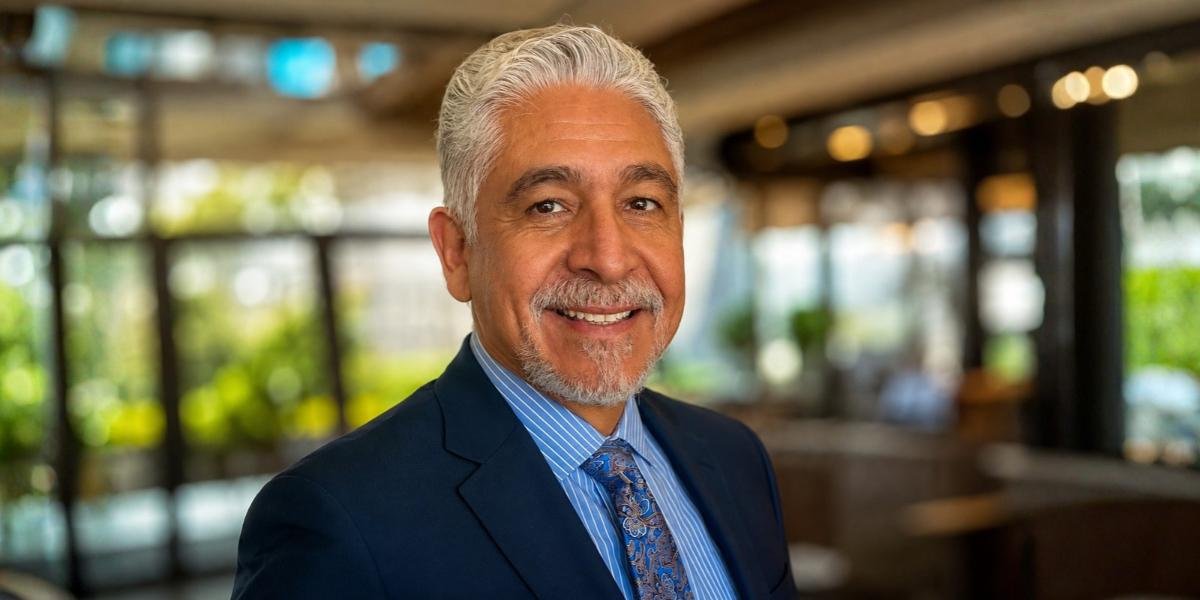
Behind every medical degree is a story, and behind every accomplished physician is a collection of people whose lives have been touched along the way. For Dr. Ken Taylor, that story is defined not only by professional achievement but by a commitment to service, leadership, and the belief that medicine can be a vehicle for positive change.
Dr. Taylor’s career has taken him across several areas of healthcare, including clinical medicine, occupational and environmental health, and healthcare leadership. He earned his medical degree from the Brody School of Medicine at East Carolina University and completed his residency in obstetrics and gynecology through the MedStar Health Georgetown University/Washington Hospital Center program.
Those credentials tell part of the story. The more meaningful story is what a physician chooses to do with that education.
Dr. Taylor has developed a professional philosophy that recognizes that healthcare is about more than diagnoses and prescriptions. It is about people, their families, workplaces, neighborhoods, opportunities, fears, and hopes. That understanding is particularly important when working with populations that may have difficulty accessing quality healthcare.
For many people, healthcare can feel complicated and distant. Medical terminology can be intimidating, financial barriers can discourage patients from seeking care, and social circumstances can make it difficult to follow treatment plans. A physician committed to service must therefore be willing to look beyond the immediate medical problem and understand the person experiencing it.
That perspective has been reflected in Dr. Ken Taylor’s work with community-oriented healthcare organizations and populations that have historically faced barriers to care. His professional experience has included work in settings where healthcare is connected directly to broader community needs.
This aspect of his career speaks of an important principle: healthcare is most effective when people feel seen, heard, respected, and valued.
Dr. Taylor’s leadership experience adds another layer to his service. Leadership in healthcare requires more than medical knowledge. It requires listening, collaboration, decision-making, accountability, and the ability to bring people together around a common purpose.
His combination of medical training and business education has given him tools to approach those challenges from multiple perspectives. With an MD, MBA, and additional graduate-level education identified in professional materials, he has developed a foundation that bridges medicine, management, and organizational leadership.
That combination matters because healthcare decisions affect far more than doctors and hospitals. They affect employees, families, employers, communities, and the economic health of entire regions.

Dr. Ken Taylor’s work in occupational and environmental medicine provides another example of his service-oriented approach. The health of workers is inseparable from the health of their families and communities. Helping people remain healthy and safe in the workplace can prevent injuries, reduce illness, and protect a family’s financial stability.
It is a form of medicine that often operates behind the scenes. There may not always be a dramatic moment that makes headlines, but prevention can have an enormous impact. Preventing one workplace injury or identifying one environmental health concern can change the trajectory of an individual’s life.
That is one of the most important lessons in Dr. Ken Taylor’s career: meaningful healthcare is not always measured by dramatic interventions. Sometimes it is measured by problems that never happen.
His story also provides an example of lifelong professional development. Medicine is constantly changing, and physicians must continually learn. New technology, new treatments, new regulations, and new approaches to patient care require professionals to remain curious and adaptable.
Dr. Ken Taylor’s career across multiple areas of medicine demonstrates that willingness to evolve. Rather than limiting himself to one narrow definition of healthcare, he has explored the connections between clinical care, workplace health, environmental factors, organizational leadership, and community needs.
For those who know him personally, however, professional accomplishments may only tell part of the story. The deeper measure of a person’s life is often found in the people he has encouraged, the colleagues he has mentored, the patients he has helped, and the communities he has served.
A physician’s influence can extend well beyond the number of patients seen. It can be reflected in a young professional who gains confidence from a mentor, an employee who returns home safely after work, a patient who receives care when it was desperately needed, or a community that gains access to resources it once lacked.
That is the human side of Dr. Ken Taylor’s legacy.
His career reminds us that leadership and service are not separate from medicine they are extensions of it. The doctor’s responsibility does not end with treatment. It can also include advocacy, education, prevention, mentorship, and building systems that allow more people to live healthier lives.
As healthcare continues to change, the profession will need physicians who understand both the science of medicine and the humanity behind it. Dr. Taylor’s career reflects that balance.
His professional accomplishments deserve recognition, but perhaps his greatest contribution is the example he provides that education should lead to service, that leadership should lead to responsibility, and that success becomes more meaningful when it is used to improve the lives of others.
Dr. Ken Taylor’s story is ultimately a story about service. It is about taking knowledge and turning it into action, taking opportunity and using it to open doors for others, and understanding that the true measure of a healthcare professional is not simply what he knows, but what he does with what he knows. That is the legacy that lasts.