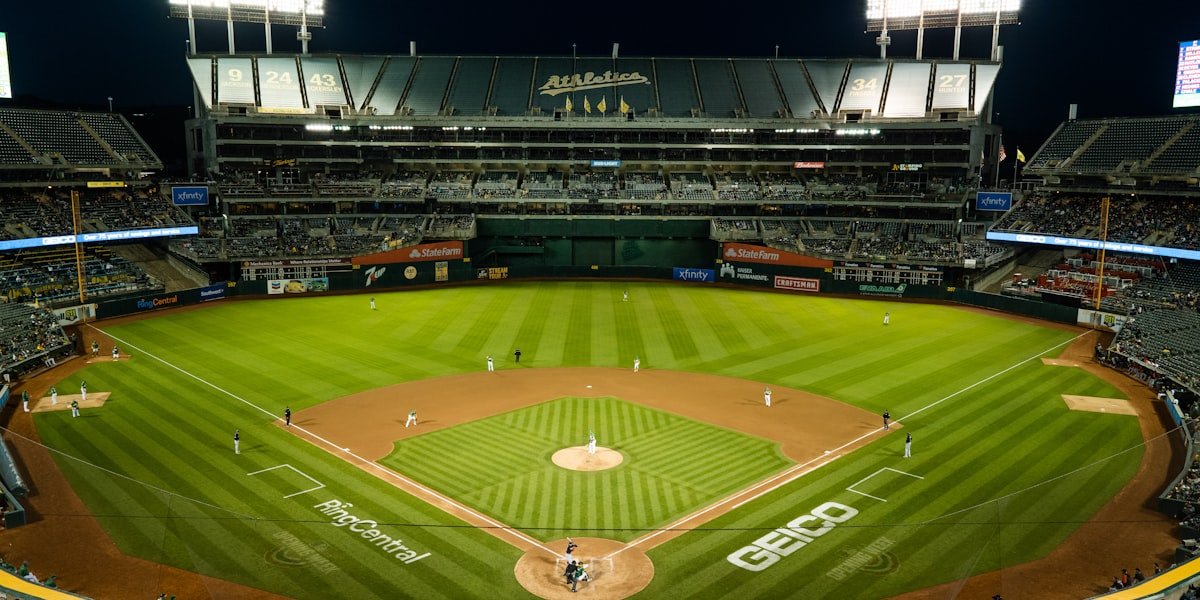
Stadium improvements at the home of the White Sox have fundamentally altered the game-day experience for South Side baseball fans. Over more than two decades, the ballpark has undergone multiple rounds of White Sox stadium upgrades that transformed sight lines, seating options, and fan amenities. These changes reflect broader trends in how professional baseball teams redesign older venues to meet contemporary expectations while preserving the character of a neighborhood institution.
Key Takeaways
- Stadium renovations allow teams to compete with newer venues by upgrading seating, technology, and concessions without complete rebuilding.
- Wider concourses, accessible seating, and digital infrastructure have become standard features that improve the experience for all fans.
- Local food vendors benefit economically by partnering with ballparks, creating menus that reflect the city’s culinary culture.
- Naming rights deals and mixed public-private financing typically fund major stadium renovation projects over multiple years.
- Future stadium design will emphasize sustainability, flexible event spaces, and deeper integration with surrounding neighborhoods.
The evolution of this ballpark demonstrates how even established facilities can be reimagined without complete demolition. Each phase of renovation has addressed different aspects of the fan experience, from premium seating and concessions to accessibility and technology infrastructure. The result is a venue that bears little resemblance to its original configuration, even as the basic footprint remains intact.
What Drives Stadium Renovation Decisions?
Professional sports teams renovate stadiums to remain competitive in an industry where fan experience directly affects revenue. Newer ballparks set benchmarks that force older venues to adapt or risk losing attendance to competitors offering more comfortable seating, better food options, and enhanced viewing angles. For teams in major markets, the choice often comes down to extensive renovation or relocation.
The decision to renovate rather than build new typically hinges on location and public funding. A ballpark with strong neighborhood ties and accessible transit options holds value that justifies significant investment. South Side residents have deep connections to their team’s home, and moving the franchise would sever those bonds in ways that reverberate beyond sports.
Economic factors also play a role. Renovation allows teams to upgrade incrementally, spreading costs over multiple seasons rather than requiring one massive capital outlay. This approach lets ownership test new concepts, gauge fan response, and adjust future plans accordingly.
How Teams Balance Tradition and Modernization
Preserving a stadium’s identity while adding modern amenities requires careful planning. Fans often resist changes that alter familiar sightlines or eliminate beloved features, yet they also demand the comforts found in newer venues. Successful renovations thread this needle by retaining signature elements while improving areas that clearly needed updating.
The Major League Baseball landscape includes numerous examples of teams that navigated this tension with varying degrees of success. Some clubs preserved historic facades while gutting interiors. Others demolished and rebuilt sections entirely. The approach depends on what fans value most and which structural elements can be salvaged.
Which Improvements Have the Greatest Impact?
Seating upgrades consistently rank among the most noticeable changes for fans. Wider seats with cup holders, improved leg room, and better angles toward home plate make games more comfortable for those attending multiple times per season. Premium seating areas with climate control and upscale food service attract corporate clients and fans willing to pay for enhanced experiences.
Concourse renovations open up circulation and create gathering spaces where fans can socialize without losing sight of the field. Wider walkways reduce congestion during high-traffic moments like innings breaks, while open concourses let fans watch the game while waiting in line. These design changes acknowledge that attending a game involves more than sitting in a seat for three hours.

Technology infrastructure has become essential as fans expect reliable Wi-Fi and mobile connectivity. High-speed internet allows fans to check replays, share on social media, and access team apps for ordering food or finding restrooms. Video boards displaying high-definition replays and statistics have grown larger and sharper. They’ve become focal points during breaks in play.
Food and Beverage Evolution
Concession stands have evolved from basic hot dogs and beer to diverse menus featuring local restaurants and specialty items. Fans increasingly expect variety that reflects the city’s food culture, not just generic ballpark fare. This shift has turned concessions into a destination rather than a necessity, with some fans arriving early specifically to sample new offerings.
The economic impact extends beyond the team. Local vendors gain exposure and revenue by partnering with the ballpark, creating a symbiotic relationship that benefits Chicago businesses. This approach also differentiates the venue from competitors by offering food that can’t be found at other stadiums.
How Do Upgrades Affect Neighborhood Dynamics?
Major stadium renovations influence surrounding neighborhoods in ways that extend beyond game days. Improved facilities attract more fans, which increases foot traffic for nearby businesses. Restaurants, bars, and shops within walking distance benefit from crowds arriving before first pitch and lingering after the final out.
Infrastructure improvements often accompany stadium upgrades, including better lighting, sidewalk repairs, and enhanced public safety measures. These changes serve both fans and residents, creating a cleaner and more welcoming environment year-round. The ballpark’s presence anchors commercial development that might not otherwise occur in the area.
However, increased activity can also strain parking and public transit during games. Residents who live near the stadium may face blocked streets and crowded trains on game nights. Balancing the economic benefits of a vibrant sports venue with the needs of people who call the neighborhood home requires ongoing coordination between the team, city officials, and community organizations.
What Role Does Accessibility Play?
Modern stadium design prioritizes accessibility for fans with disabilities in ways that older venues often overlooked. Wheelchair-accessible seating distributed throughout the ballpark ensures that mobility-impaired fans can sit with their groups rather than being relegated to isolated sections. Elevators and ramps replace or supplement stairs, making every level reachable for those who can’t navigate steps.
Sensory-friendly spaces accommodate fans with autism or other conditions that make traditional stadium environments overwhelming. Quiet rooms with reduced lighting and noise provide respite without requiring families to leave the venue entirely. These additions reflect growing awareness that fan bases include people with diverse needs.
Accessible design benefits everyone, not just those with disabilities. Parents with strollers, fans carrying heavy items, and older adults with limited mobility all gain from features like wider concourses and more restrooms. Universal design principles create a better experience across the board.
How Technology Shapes the Modern Ballpark
Digital ticketing has eliminated paper tickets for most fans, streamlining entry and reducing fraud. Mobile apps let fans manage their tickets, upgrade seats, and order food for pickup, reducing time spent in lines. These conveniences appeal particularly to younger fans who expect seamless digital experiences in all aspects of life.
In-seat ordering through apps allows fans to have food and drinks delivered without leaving their seats, though this service typically comes with premium pricing. The technology requires robust Wi-Fi infrastructure and coordination between kitchen staff and delivery personnel. Smooth execution enhances convenience. Failures frustrate fans who paid extra for the service.
Interactive displays and augmented reality features are emerging as ways to engage fans beyond the action on the field. Some teams experiment with apps that overlay player statistics when fans point their phones at the diamond, or games that let children complete challenges throughout the ballpark. These technologies are still evolving, but they represent the future direction of fan engagement.

What Financial Models Support These Projects?
Stadium renovations require substantial investment that teams fund through various mechanisms. Naming rights deals generate significant revenue, with corporations paying for the privilege of attaching their brand to a prominent public venue. These agreements typically span multiple years and include provisions for branding throughout the facility.
Public financing through bonds or tax increments remains contentious but common. Cities justify this investment by pointing to economic activity generated by the stadium and the risk of losing the team to another market. Critics argue that public money could be better spent on schools, infrastructure, or other services that benefit more residents.
Private financing through ownership contributions and league revenue-sharing arrangements accounts for a growing share of renovation costs. Teams with deep-pocketed owners can fund improvements without public assistance, though they often still seek favorable terms on land leases or infrastructure support. The mix of public and private funding varies widely based on local politics and the team’s financial position.
The Chicago Journal has documented how these financial arrangements shape not just stadiums but entire neighborhoods, with ripple effects that persist long after construction crews depart. The interplay between sports business and urban development continues to evolve as cities compete for teams and teams compete for fans.
Where Stadium Design Heads Next
Future stadium renovations will likely emphasize sustainability and climate adaptation. Solar panels, rainwater collection, and energy-efficient systems reduce operating costs while appealing to environmentally conscious fans. As extreme weather events become more common, covered seating and climate-controlled spaces will become standard rather than luxury features.
Flexible spaces that can host concerts, festivals, and other events year-round maximize a venue’s utility and revenue potential. The days of single-purpose stadiums that sit empty most of the year are ending, replaced by mixed-use facilities that serve as community gathering places. This shift requires design that accommodates multiple event types without compromising the core baseball experience.
Integration with surrounding neighborhoods will deepen as teams recognize that a stadium’s success depends on the health of nearby communities. Partnerships with local schools, investment in youth programs, and support for small businesses create goodwill that translates into sustained fan loyalty. The ballpark becomes not just a place to watch games but a civic institution with responsibilities beyond entertainment.
The transformation of the White Sox home reflects broader changes in how Americans experience professional sports. Stadiums have evolved from simple venues for watching games into complex entertainment destinations that compete for discretionary spending against movies, restaurants, and streaming services. The teams that thrive will be those that continue adapting to fan expectations while maintaining the authentic neighborhood connections that make baseball more than just another entertainment option.
FAQs
How Long Do Major Stadium Renovations Typically Take?
Large-scale stadium renovations usually occur in phases over several years to avoid disrupting full seasons. Teams schedule construction during the off-season when possible, though some projects require ongoing work that continues while games are played. The phased approach also spreads costs and allows teams to adjust plans based on fan feedback.
Do Stadium Upgrades Actually Increase Attendance?
Attendance often rises following major renovations, particularly in the first few seasons as fans come to see new features. However, sustained attendance depends on team performance, ticket pricing, and competition from other entertainment options. A renovated stadium creates the potential for growth but doesn’t guarantee it without a competitive product on the field.
What Happens to Seats and Materials Removed During Renovation?
Teams typically auction or donate seats and other memorabilia to fans, charities, and collectors. Some materials are recycled or repurposed for other construction projects. Selling historic seats and signage generates modest revenue while giving fans a chance to own a piece of ballpark history.
How Do Teams Decide Which Amenities to Add?
Teams study fan surveys, analyze spending patterns, and benchmark against other successful venues to determine priorities. Focus groups and test installations help gauge interest before committing to large investments. The goal is balancing features that attract new fans with improvements that keep season-ticket holders renewing.
Can Older Stadiums Ever Match the Experience of Brand-new Venues?
Extensive renovations can bring older stadiums close to new construction in terms of amenities and comfort. However, certain design limitations rooted in the original footprint often remain, such as column obstructions or awkward sightlines. The advantage older stadiums retain is character and history that new venues take decades to accumulate.
What Role Do Fans Play in Renovation Planning?
Teams increasingly solicit fan input through surveys, town halls, and advisory groups during planning phases. This feedback influences decisions about seating configurations, food options, and preserved historical elements. While ownership makes final decisions, incorporating fan preferences helps ensure renovations meet the needs of those who actually attend games.
How Do Stadium Upgrades Affect Ticket Prices?
Renovations typically lead to price increases, particularly for premium seating and club areas with enhanced amenities. Teams justify higher prices by pointing to improved comfort and services. However, maintaining affordable seating options remains important for preserving access for families and long-time fans on limited budgets.