In the current world of independent film, the ever-changing production models and audience preferences continue to alter the role of screenwriting. With many screenwriters now acting as directors or producers in addition to their role as screenwriters, these and other changes reflect the fact that they are architects of a film’s message and shape the film’s potentially visually arresting arc for audiences, adhering to the limited means typical of independent cinema. Reports reveal that more than a significant of screenwriters working in independent film also take on other roles, specifically as directors or producers. As it has become more frequent, perhaps even obligatory, for screenwriting and visual planning to intersect, it has also become increasingly essential given the competitive landscape involved in developing a film.
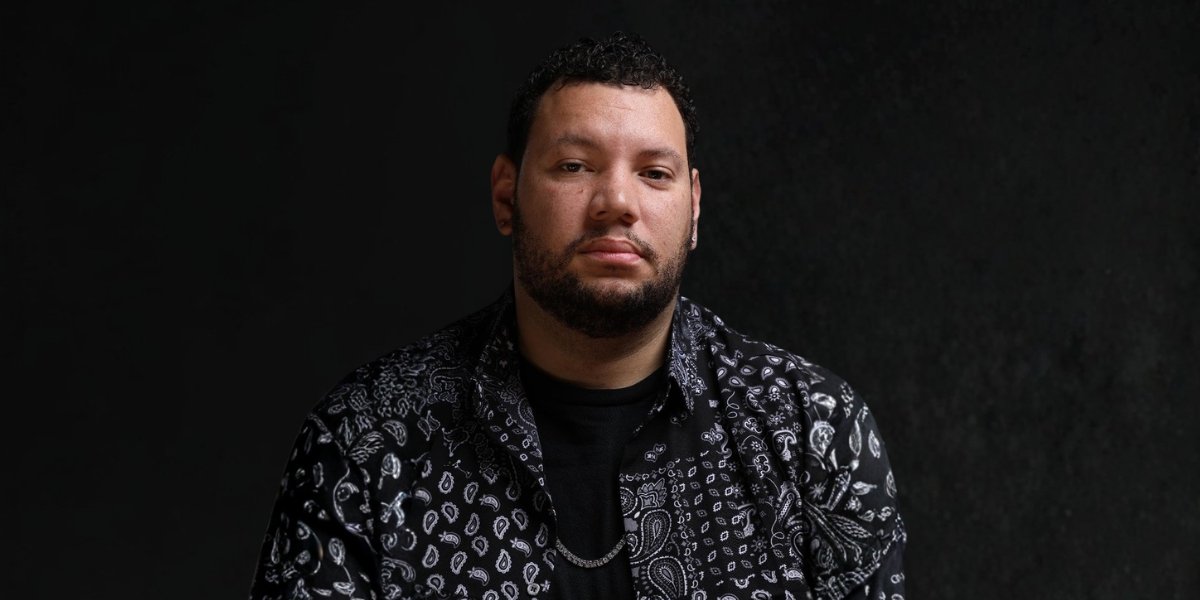
This has fostered screenwriters working in a way that is less descriptive about language, voice, and story beats, to incorporate the way scripts approach visual rhythm, tonal modulation, and pacing. Dominic Goodie, a screenwriter and director whose work has gained attention through film festival circuits, operates in this space. His writing isn’t limited to narrative invention. It intersects with visual structure, particularly in projects like Inclusive and Don’t Stop, where scene construction reflects not just emotional or thematic elements but also deliberate visual intent. These scripts have not only circulated within industry circles but have also been part of larger conversations about the growing demand for hybrid roles in filmmaking.
Goodie’s approach to screenwriting often focuses on social tension, character-driven transformation, and suspense built through pacing rather than exposition. His stories rely on measured dialogue and a sense of atmosphere created through framing, silence, and environment. These qualities were especially evident in Witnessed, a film that earned multiple awards and helped introduce his work to new audiences across various regions. Rather than using heavy exposition, the script’s structure focused on revealing plot points gradually, allowing visuals to communicate what words left unsaid.
In 2023, Witnessed was recognized by several film festivals. The Knight of the Reel Film Festival honored it with Best Narrative Feature Editing and Best Lighting Design. The Gothamite Monthly Film Awards also recognized the project, awarding it Best Director and Best Thriller. These recognitions were followed by selections at Indie Movies Spark Film Festival and Golden Harvest Film Awards, where it received nominations in multiple technical categories. These accolades helped bring broader attention to Goodie’s storytelling approach and positioned him within a larger framework of screenwriters pushing toward cinematic innovation within limited budgets.
By late 2022 and early 2023, Goodie’s visibility increased as his work became more widely screened. Witnessed was included in smaller but active indie festivals that cater to visual storytelling, including the North American Indie Filmmakers Showcase. These platforms often reward creators who emphasize layered scriptwriting with practical execution. The visibility provided by these events helped open additional opportunities for collaboration and allowed his scripts to be considered for broader distribution discussions. It also elevated the credibility of his independent production label, Pure Luxury Films.
Goodie’s writing style is often categorized by its intentional pacing and reliance on visual moments rather than narrative density. Industry observers have noted that this approach is convenient for independent projects, where runtime limitations and tight budgets demand efficient storytelling. Scripts like Inclusive build tension around a central concept but use limited locations and brief dialogue scenes to communicate deeper themes. Rather than relying on plot-heavy movement, the narrative unfolds with purposefully measured developments that give time to mood, tone, and visual rhythm.
These techniques are increasingly recognized within the independent film sphere. In a 2023 report covering the trends in emerging filmmakers, a good portion of the most celebrated films at small and mid-sized festivals used scripts that favored minimalism and cinematic language over traditional plot-driven dialogue. This supports the idea that Goodie’s writing, which leans heavily into structured visuals and atmosphere, aligns with broader shifts in audience engagement and festival recognition criteria.
While awards do not necessarily predict long-term success in the film industry, they do play a role in solidifying credibility and increasing access to resources. Goodie’s multiple wins and nominations from festivals such as the Gothamite Monthly and Indie Movies Spark Film Festival demonstrate how original scripts, when combined with thoughtful direction, can receive validation even without major studio backing. These achievements also help provide a pathway for broader distribution, especially in digital-first release models.
Additionally, Goodie’s screenwriting contributions are not isolated to festival submissions. His drafts have circulated among independent production teams and have been reviewed in smaller writer rooms. Collaborations with colleagues such as Taylor Hamilton and Jerome Normand have allowed for script development that bridges concept with execution. Not all the drafts made it to production, but the process does reflect an intentional and structured workflow, particularly one focused on material that is able to move from predominantly paper to production without large studio or producers.
As Pure Luxury Films grows and continues to take on narratives and productions, it will function as not just a production house but a place for developing new scripts. Goodie is in all of the decisions at Pure Luxury Films, so he can revisit and work on screenplays while they are inside the walls of the production house. This also means he can ensure that the visual tone set during the writing phase is demonstrated in the production phase. His dual role as writer and director makes this alignment possible. Rather than surrendering a script to interpretation, he maintains involvement throughout pre-production and into the edit.
This model of script-to-screen consistency is increasingly important in independent filmmaking, where coherence between vision and execution often defines the outcome. It has also contributed to the company’s recognition within professional circles. The continued success of Witnessed and other original scripts helps underscore how structured, visually aware screenwriting can translate into recognition when supported by cohesive production values.
Dominic Goodie’s emergence as a recognized screenwriter reflects more than just personal accomplishment. It illustrates a broader industry pattern where screenwriting, production, and visual strategy are becoming more interconnected, particularly in independent cinema. His work exemplifies this intersection, earning professional validation without relying on high-budget resources or primary industry gatekeepers.