CHICAGO — Chicago’s newly announced 2026 festival calendar is reinforcing the city’s position as one of the country’s most reliable engines for cultural tourism, as city leaders and tourism officials frame festivals as both cultural identity drivers and economic infrastructure.
City officials say the 2026 lineup — anchored by major events like the Taste of Chicago, Chicago Blues Festival, and a full season of free concerts, markets, and neighborhood festivals — is designed to sustain visitor demand from spring through the holiday season. According to the city, the programming schedule will run broadly from May through December, signaling a shift toward year-round cultural tourism planning rather than peak-summer dependence.
Mayor Brandon Johnson framed the calendar as a cultural and economic strategy, saying, “Chicago’s festival season is a celebration of who we are as a city. We are creative, diverse, welcoming and full of life. From free music and dance to legendary food and cultural festivals, this season reflects our commitment to joy, access and opportunity for all.”
Major Anchor Events Drive Tourism And City Branding
The Taste of Chicago — historically one of the city’s largest tourism draws — is returning to its traditional July window in 2026, running July 8–12 at Grant Park after several years of scheduling shifts. Officials say restoring the event’s historic timing is expected to strengthen summer visitor flow and align with broader city tourism marketing.
The broader 2026 schedule also includes major legacy programming such as the Chicago Blues Festival, Chicago Air and Water Show, Millennium Park concerts, and neighborhood farmers markets — all part of a layered cultural calendar that spreads visitor traffic across multiple neighborhoods and economic sectors.
Tourism strategists say this diversified event portfolio helps stabilize hospitality demand, supporting hotels, restaurants, transportation providers, and local retail corridors simultaneously.
Festivals As Core Economic Infrastructure
Tourism data underscores the stakes. Chicago welcomed an estimated 55.3 million visitors in 2024, generating an estimated $20.6 billion in total economic impact. Major conventions and events alone contributed more than $3 billion in economic activity.
Local leaders have repeatedly described tourism and events as foundational economic pillars. In tourism-related commentary tied to recent data, Johnson said, “The numbers released today show that the future of our tourism industry is bright… tourism will continue to serve as a cornerstone of our economy, generating critical tax revenues and supporting thousands of good-paying jobs.”
Tourism spending reached nearly $18 billion in 2024 and supports roughly 120,000 jobs across the Chicago region, according to industry estimates.
Major single events can also have outsized impact. For example, Lollapalooza alone has generated hundreds of millions in economic activity annually, highlighting how festival concentration directly supports wages, tax revenue, and park system funding.
Cultural Programming As Long-Term Competitive Strategy
Economic development groups increasingly frame festivals as part of a broader urban competitiveness strategy. Analysts note that cities combining cultural programming with strong infrastructure — including air connectivity and convention capacity — tend to outperform peers in global tourism rankings.
Chicago’s integrated approach to festivals, conventions, and major events has helped position the city for sustained tourism momentum into the late 2020s, according to economic development analysis.
Urban tourism researchers also note that event tourism helps reduce seasonal demand swings, spreads visitor spending across neighborhoods, and supports broader urban development goals beyond hospitality alone.
Community And Access Remain Central Themes
City officials emphasize that many signature festivals remain free or low-cost, which they say strengthens participation across income levels while preserving Chicago’s public-space cultural identity.
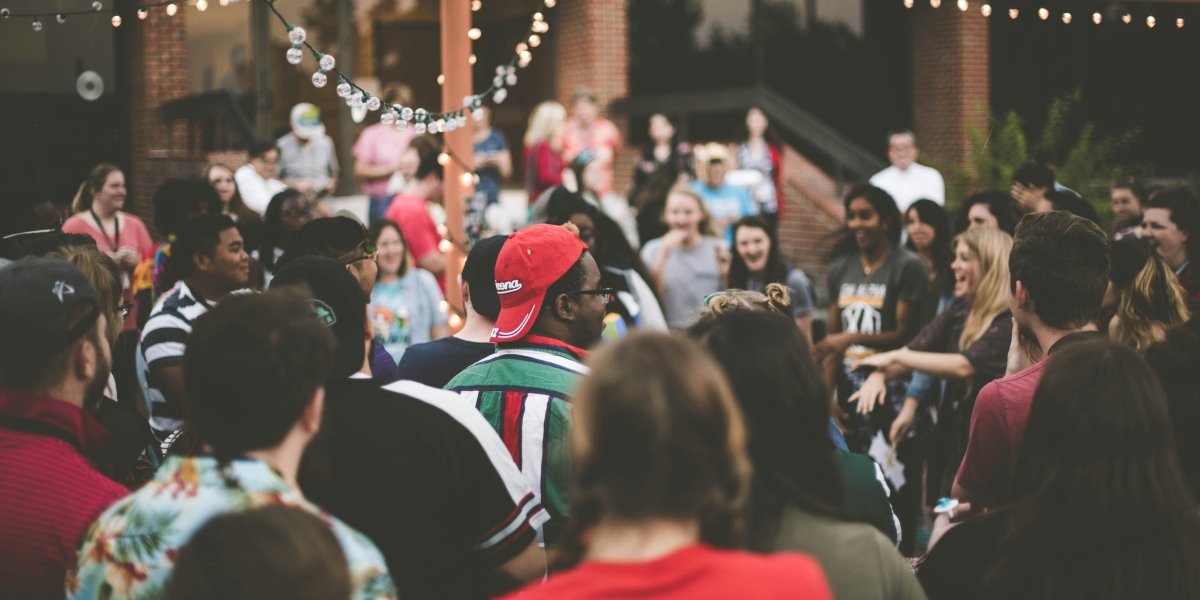
The 2026 calendar includes extensive free programming such as outdoor concerts, movie screenings, dance series, and neighborhood festivals designed to maintain accessibility while driving visitor engagement.
Tourism leaders say that balance — global draw combined with local accessibility — has become central to Chicago’s cultural brand.
With major events now distributed across multiple seasons, Chicago officials and tourism leaders expect festival programming to continue serving as a stabilizing force for the city’s hospitality, arts, and small-business sectors.
The 2026 calendar signals that Chicago is leaning further into culture as economic infrastructure — using festivals not only to attract visitors, but to reinforce neighborhood vitality, workforce support, and long-term global destination status.