The Chicago Journal

Michael Christopher Schehr’s Consecutive Dorito Player of the Year Honors and Lasting Presence in Professional Paintball

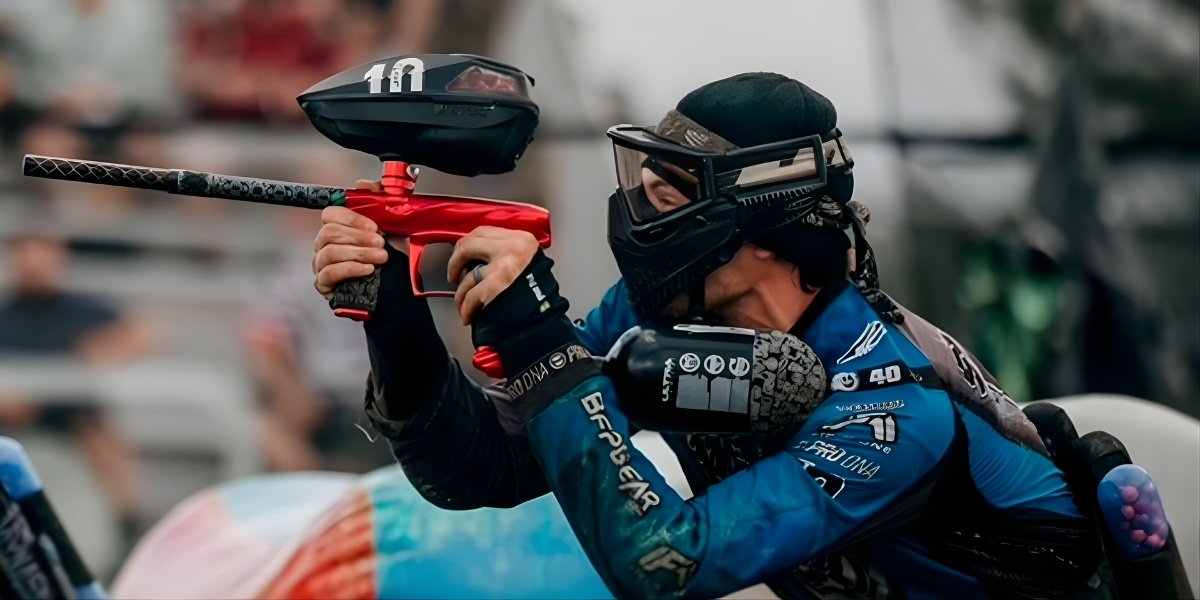
Competitive paintball has grown from a weekend outing to a professional sport with thousands of enthusiasts and players worldwide. Tournaments now feature high-tech gear, global player rosters, and purse money that is in line with emerging sports. In this environment, medals awarded for pure skill can be just as meaningful as those awarded in traditional competitions. Of these variations, the Dorito Player of the Year award is today a benchmark for top front players who excel most at speed, strategy, and accuracy.

The Dorito role, named after the triangular bunker formation used on professional grounds, is a position that requires speed and constant risk assessment. Players within this role must advance quickly while scanning their opponents. To receive one annual award within this unit is considered a mark of a season uninterrupted by defeat. Winning the award consecutively is uncommon, requiring both physical endurance and mental sharpness over time.

Michael Christopher Schehr began his paintball career in 2007, progressing through regional circuits to eventually turn pro with the Trenton TopGun squad in 2016. He later played for prominent clubs such as the Los Angeles Ironmen and San Diego Dynasty, which are regarded as two of the premier programs in the National Xball League (NXL). By the early 2020s, Schehr had become a regular at championships, competing against players from North America, Europe, and Asia.

Between 2022 and 2025, Schehr earned the Dorito Player of the Year award for four seasons in a row. Within the NXL structure, which features more than 30 professional teams and a worldwide schedule of events, this streak placed him among rare company. Statistics from the league show that fewer than five players have managed even three consecutive wins in similar positional awards over the past decade. His prize was not only a testament to his production of offense, measured in points per clearance, but also his ability to maintain a low penalty rate in pressure matches.

The 2023 season was especially crucial. During that year, Schehr was a member of the San Diego Dynasty, which captured the NXL World Cup, the league’s largest event. Commentators remarked that his sudden breakouts and strategized maneuvers along the Dorito flank often forced early surrenders from opposing teams. Tournament records noted his average eliminations at 1.7 per game throughout the Cup, an efficiency rate placing him in the top five of all his position’s contenders.

To top this professional track record with a routine of full-time legal practice, Schehr stands out from the majority of contemporaries. While other professional paintball players simply train and travel, Schehr continued to fulfill his obligations as an attorney in Charlotte, North Carolina. After passing the North Carolina Bar in 2019, he founded Schehr Law PLLC, where he manages a staff of six and advocates for clients on matters involving personal injury and criminal defense. His ability to allocate time between court deadlines and national tournaments has been viewed by analysts as an indication of discipline and organization.

Pro paintball remains a small but steadily expanding sport. According to statistics provided by the NXL, spectatorship at leading U.S. events increased by an estimated 15 percent between 2018 and 2023, with streaming viewers adding thousands of additional viewers worldwide. Honor awards like the Dorito Player of the Year help to draw attention to individual excellence and provide fans with an easy-to-follow narrative. Schehr’s four seasons have contributed to the heritage of a sport that values team play and star power.

Players typically adhere to annual conditioning programs to maintain speed and accuracy. Schehr’s longevity on the field suggests a strong commitment to fitness, notwithstanding the constraints brought about by his professional law practice.

Michael Christopher Schehr’s achievement in paintball illustrates how dedication can bridge seemingly disparate professional domains. His four consecutive Dorito Player of the Year honors from 2022 to 2025, coupled with his law practice, exemplify sustained excellence within a sport that prioritizes decision-making speed and grit. To the world of paintball, his success serves as a testament to his consistency and diversity, with his concurrent work as a lawyer highlighting the possibility of achievement outside the arena of competition.

Within the broader context of the emerging sport itself, Schehr’s record forms part of the competitive history of paintball. Recognition by the NXL and having played on championship teams showcases the impact that an individual’s skill can have on the direction a game is going when it’s emerging. Michael Christopher Schehr remains one of the recognizable players.

Chicago’s 2026 Festival Calendar Locks In Cultural Tourism Pipeline

CHICAGO — Chicago’s newly announced 2026 festival calendar is reinforcing the city’s position as one of the country’s most reliable engines for cultural tourism, as city leaders and tourism officials frame festivals as both cultural identity drivers and economic infrastructure.

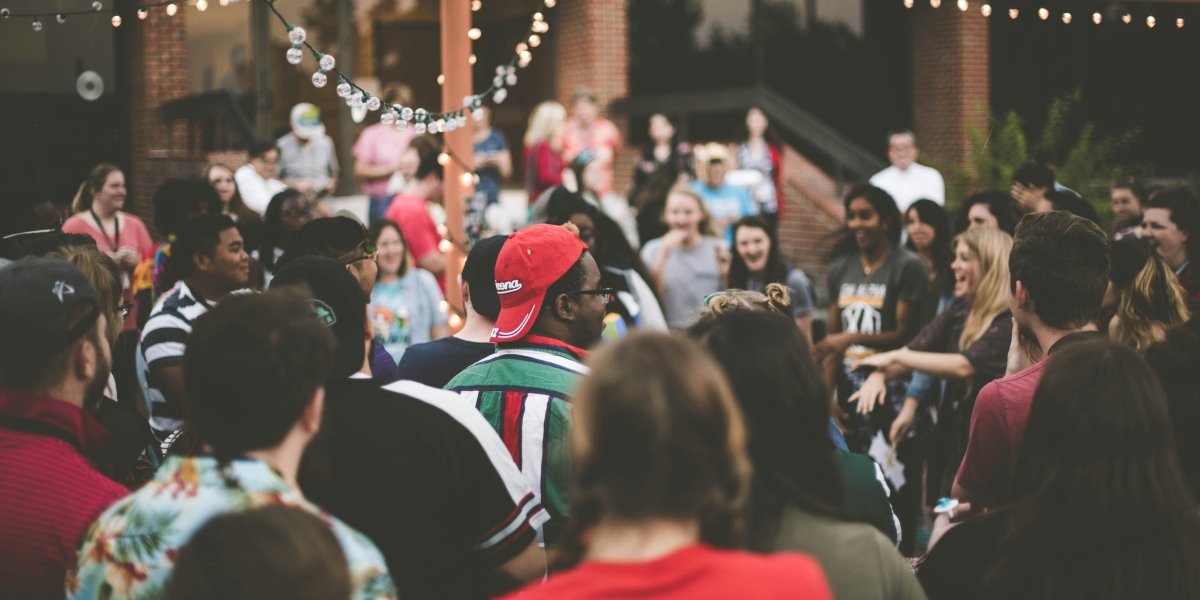
City officials say the 2026 lineup — anchored by major events like the Taste of Chicago, Chicago Blues Festival, and a full season of free concerts, markets, and neighborhood festivals — is designed to sustain visitor demand from spring through the holiday season. According to the city, the programming schedule will run broadly from May through December, signaling a shift toward year-round cultural tourism planning rather than peak-summer dependence.

Mayor Brandon Johnson framed the calendar as a cultural and economic strategy, saying, “Chicago’s festival season is a celebration of who we are as a city. We are creative, diverse, welcoming and full of life. From free music and dance to legendary food and cultural festivals, this season reflects our commitment to joy, access and opportunity for all.”

Major Anchor Events Drive Tourism And City Branding

The Taste of Chicago — historically one of the city’s largest tourism draws — is returning to its traditional July window in 2026, running July 8–12 at Grant Park after several years of scheduling shifts. Officials say restoring the event’s historic timing is expected to strengthen summer visitor flow and align with broader city tourism marketing.

The broader 2026 schedule also includes major legacy programming such as the Chicago Blues Festival, Chicago Air and Water Show, Millennium Park concerts, and neighborhood farmers markets — all part of a layered cultural calendar that spreads visitor traffic across multiple neighborhoods and economic sectors.

Tourism strategists say this diversified event portfolio helps stabilize hospitality demand, supporting hotels, restaurants, transportation providers, and local retail corridors simultaneously.

Festivals As Core Economic Infrastructure

Tourism data underscores the stakes. Chicago welcomed an estimated 55.3 million visitors in 2024, generating an estimated $20.6 billion in total economic impact. Major conventions and events alone contributed more than $3 billion in economic activity.

Local leaders have repeatedly described tourism and events as foundational economic pillars. In tourism-related commentary tied to recent data, Johnson said, “The numbers released today show that the future of our tourism industry is bright… tourism will continue to serve as a cornerstone of our economy, generating critical tax revenues and supporting thousands of good-paying jobs.”

Tourism spending reached nearly $18 billion in 2024 and supports roughly 120,000 jobs across the Chicago region, according to industry estimates.

Major single events can also have outsized impact. For example, Lollapalooza alone has generated hundreds of millions in economic activity annually, highlighting how festival concentration directly supports wages, tax revenue, and park system funding.

Cultural Programming As Long-Term Competitive Strategy

Economic development groups increasingly frame festivals as part of a broader urban competitiveness strategy. Analysts note that cities combining cultural programming with strong infrastructure — including air connectivity and convention capacity — tend to outperform peers in global tourism rankings.

Chicago’s integrated approach to festivals, conventions, and major events has helped position the city for sustained tourism momentum into the late 2020s, according to economic development analysis.

Urban tourism researchers also note that event tourism helps reduce seasonal demand swings, spreads visitor spending across neighborhoods, and supports broader urban development goals beyond hospitality alone.

Community And Access Remain Central Themes

City officials emphasize that many signature festivals remain free or low-cost, which they say strengthens participation across income levels while preserving Chicago’s public-space cultural identity.

The 2026 calendar includes extensive free programming such as outdoor concerts, movie screenings, dance series, and neighborhood festivals designed to maintain accessibility while driving visitor engagement.

Tourism leaders say that balance — global draw combined with local accessibility — has become central to Chicago’s cultural brand.

With major events now distributed across multiple seasons, Chicago officials and tourism leaders expect festival programming to continue serving as a stabilizing force for the city’s hospitality, arts, and small-business sectors.

The 2026 calendar signals that Chicago is leaning further into culture as economic infrastructure — using festivals not only to attract visitors, but to reinforce neighborhood vitality, workforce support, and long-term global destination status.