
By: Joshua Finley
Sleep quality is heavily influenced by your sleeping position, and choosing a mattress that complements your natural posture is crucial for achieving deep, restorative rest. While factors like firmness, material, and support are important for everyone, the way you sleep—whether on your back, side, stomach, or a combination of these positions—determines the specific type of mattress that will best suit your needs.
In this blog post, we’ll explore the relationship between sleeping positions and mattress types to help you find the perfect match for your body and sleep habits.
The Importance of Mattress Support for Sleep Health
Different sleeping positions create pressure points on various parts of the body. For example, side sleepers put more pressure on their shoulders and hips, while back sleepers need adequate support to maintain proper spinal alignment.
A mattress that doesn’t provide the right kind of support can lead to discomfort, stiffness, and even long-term health issues like back pain and joint strain.
Understanding your sleep position and matching it with the appropriate mattress type can significantly enhance your comfort and prevent these problems. Let’s break down which mattress characteristics work premier for each sleep position.
1. Side Sleepers: Prioritizing Pressure Relief and Support
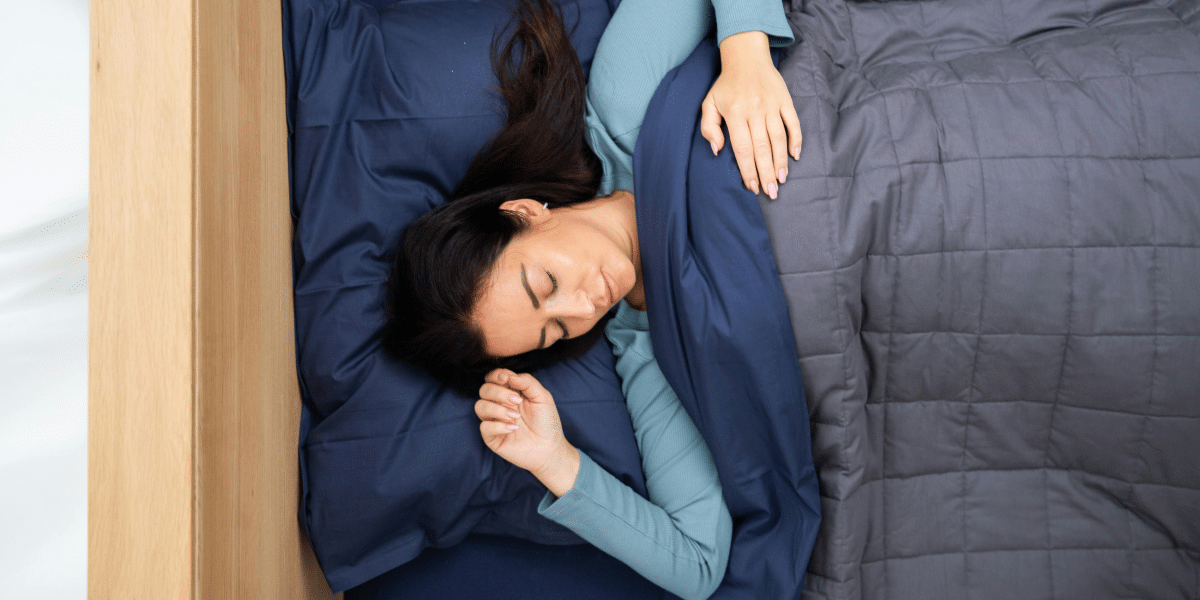
Side sleeping is one of the common sleep positions. While it has several health benefits—such as reduced snoring and better spinal alignment—it can also lead to pressure buildup on the shoulders and hips. For side sleepers, the ideal mattress should offer enough contouring to cushion these high-impact areas while also maintaining adequate support.
Premier Mattress Types for Side Sleepers:
- Memory Foam: Memory foam is known for its ability to conform to the body’s shape, providing pressure relief on the shoulders and hips. A medium-soft to medium-firm memory foam pillow mattress is typically recommended.
- Hybrid Mattresses: Combining foam layers with pocketed coils, hybrid mattresses offer contouring along with better edge support and airflow, which can be beneficial for side sleepers who also experience heat retention.
- Soft to Medium-Firm Mattresses: The firmness level is crucial; side sleepers should look for a mattress that’s soft enough to relieve pressure but not so soft that it sacrifices support.
2. Back Sleepers: Promoting Proper Spinal Alignment
Back sleeping is often considered one of the healthiest sleep positions because it evenly distributes body weight and promotes a neutral spine position. However, back sleepers need a mattress that supports the natural curve of the spine, particularly in the lower back region.
Premier Mattress Types for Back Sleepers:
- Medium-Firm to Firm Mattresses: A medium-firm mattress is generally recommended for back sleepers, as it provides enough support to keep the spine aligned without creating uncomfortable pressure points.
- Latex and Hybrid Mattresses: Latex mattresses offer a balance of contouring and support that can help back sleepers maintain proper spinal alignment. Hybrid mattresses, which blend foam with an innerspring base, are also excellent options for back sleepers looking for support and responsiveness.
- Mattresses with Lumbar Support: Some mattresses feature targeted lumbar support, providing extra reinforcement to the midsection to prevent the back from sinking in too much, which can lead to lower back pain.
3. Stomach Sleepers: Avoiding Excessive Sinkage and Spinal Misalignment
Stomach sleeping is generally considered the least healthy position because it places strain on the neck and spine. For stomach sleepers, a mattress that prevents excessive sinkage and keeps the spine as straight as possible is essential to avoid waking up with back and neck pain.
Premier Mattress Types for Stomach Sleepers:
- Firm Mattresses: Stomach sleepers need a firmer surface to keep their hips from sinking too deeply into the mattress, which would cause spinal misalignment.
- Innerspring or Hybrid Mattresses: These types provide a stable surface that supports the body’s weight evenly. The coils in hybrid or innerspring mattresses offer responsive support and minimize sinkage, making them ideal for stomach sleepers.
- Latex Mattresses: Latex is naturally firmer than memory foam, making it a good option for stomach sleepers seeking a blend of comfort and support.
Other Considerations: Weight, Mattress Material, and Sleep Preferences
While sleep position is a key factor in choosing a mattress, other considerations, such as body weight and material preferences, also play a role. Heavier sleepers (those over 230 pounds) typically need a firmer mattress to prevent excessive sinkage, while lighter sleepers may find that a softer mattress offers better pressure relief. Additionally, individual preferences for materials like memory foam, latex, or hybrid constructions can influence comfort levels.
Finding the right mattress for your sleep position can significantly improve sleep quality and overall well-being. By considering your sleeping position, firmness preferences, and additional factors like body weight and material types, you can make an informed decision that will help you achieve restful, restorative sleep every night.
Remember that everyone’s sleep needs are unique, so take your time to research and test different mattresses before committing to a purchase. Whether you’re a side sleeper, back sleeper, stomach sleeper, or a combination of all three, there’s a perfect mattress out there to support your dreams and keep you comfortable throughout the night.
Published by: Josh Tatunay