
By: Nik Korba
The shift to renewable energy is underway. Nations looking to become more energy secure are rapidly embracing solar, wind, and other forms of renewable energy, prompting the International Energy Agency to predict renewables will become the largest source of global electricity by 2025.
But the shift is not without challenges. In the words of a recent New York Times article on renewable energy, the amount of work needed to transition conventional energy infrastructure to a framework that can support renewable sources is “mind-boggling.”
Charles Carey, Co-Founder of CIG Companies, is intimately familiar with the challenges associated with embracing renewable energy and is playing a key role in overcoming them.
As a serial entrepreneur, author, and visionary leader in the fields of renewable energy and finance, Carey is driving projects that are bringing new levels of sustainable development and innovation to the energy sector. His work through CIG Companies is focused on providing renewable energy and real estate infrastructure through large scalable and sustainable projects. The suite of CIG Companies, which includes CIG Asset Management, CIG Renewables, and Magnifica, provides a full business model uniquely designed to develop, build, and fund large energy and real estate projects.
Driving Success in Rural Renewable Energy Projects
Renewable energy projects offer significant benefits to rural areas, providing energy independence and reliability while also driving economic development and reducing environmental impacts associated with conventional energy production. Realizing those benefits, however, requires overcoming some significant challenges.
Carey has developed a sought-after expertise with rural renewable energy projects, being drawn to them by their uncommon potential.
“Rural areas have this immense, untapped potential for renewable energy,” Carey says. “You have wide-open spaces, abundant resources — wind, sun, all of it — and it’s more than just fighting climate change. It’s about bringing real economic growth to these communities. I saw a way to create something sustainable that helps the environment but also lifts up local economies.”
As Carey and CIG have engaged in rural renewable initiatives, they have developed a number of best practices that improve the success rate of such projects. For example, rural renewable projects face unique challenges due to their geographic isolation. Carey has learned to address this issue by making preparation a priority.
“Remote locations mean tough logistics,” he acknowledges. “Getting materials and equipment out there is costly and time-consuming. We get around this by investing in local infrastructure, planning like crazy, and partnering with local governments. It’s all about making access easier, reducing headaches, and keeping things running smoothly.”
Ensuring Long-term Success in Renewable Solutions
To ensure long-term success, CIG also ensures local teams are in place to provide proper maintenance by training local teams, giving them the skills to keep projects up and running when challenges surface. This practice ensures proper maintenance while also creating and supporting the local economy.
Another key factor in rural projects is overcoming outdated technology and infrastructure challenges. Conventional grids were not designed for renewables, which means major enhancements are often needed.
“We work closely with utilities, upgrading the grid where we can,” Carey shares. “Our efforts are aimed at ensuring the energy we generate is transmitted efficiently and used properly. It’s about making sure everything’s reliable and stable.”
Investing in energy storage is another key component of CIG’s approach. Effective energy storage increases the reliability of renewable energy grids, ensuring there is a steady supply, even in remote locations.
“Energy storage tech is one of the most exciting solutions in the renewable energy sector today,” Carey says. “Efficient storage is key to making sure energy is there when you need it. Recent advances in battery tech and the use of AI and machine learning for energy management are game-changers. These innovations make renewables more reliable and more accessible.”
Developing Projects that Minimize Environmental Impacts
While renewable energy is generally seen as a more environmentally friendly option than traditional sources, the infrastructure that generates and distributes renewables has the potential to have negative environmental impacts. CIG is careful to guard against environmental damage in its work.
“Environmental concerns are always on our mind,” Carey says. “We’re careful about choosing project sites in places that won’t harm local habitats or wildlife. We do thorough environmental assessments with the aim of striking a balance between energy production and environmental responsibility.”
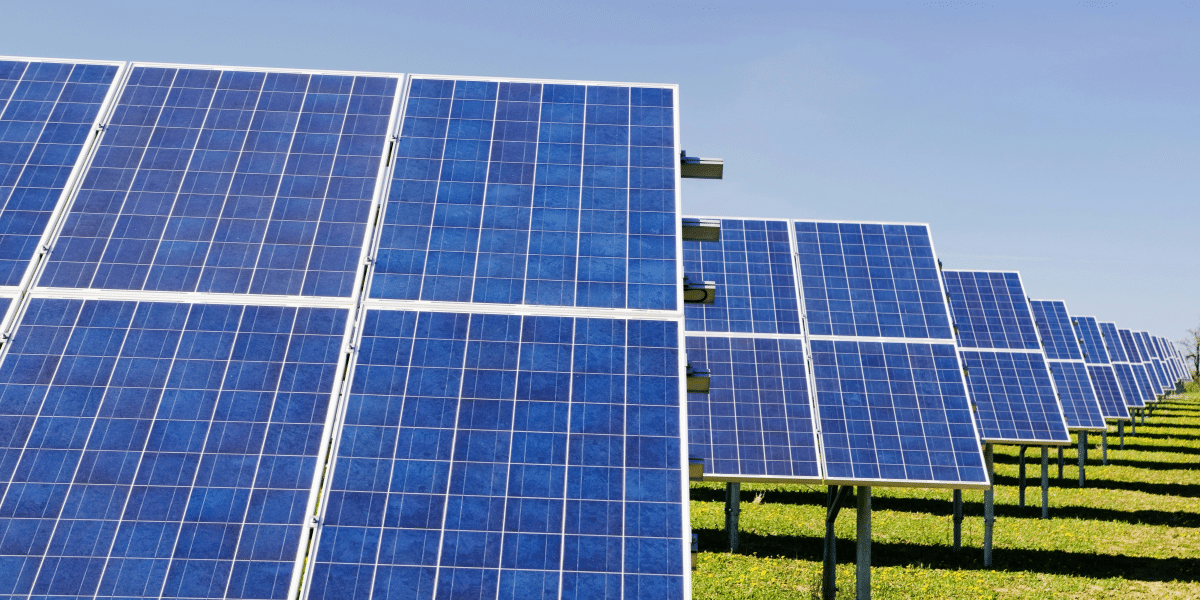
The expertise Carey and CIG have developed for renewable energy has empowered them to consistently design, develop, and support innovative projects that are reshaping the energy sector. Their recent work on a solar farm project illustrates the success that can be achieved when you combine a deep understanding of key issues with a commitment to careful planning.
“This project does more than just generate clean energy for nearby urban centers,” Carey shares. “It’s had a huge positive impact on the local community. Jobs were created during construction, and local businesses still continue to benefit from the maintenance and operation of the farm. It’s a prime example of how renewable energy can drive economic growth in rural areas while providing sustainable energy to cities.”
Published by: Martin De Juan