

Upper body training often gets reduced to one exercise: the bench press. It’s the lift that gets the most attention in gyms, locker rooms, and casual conversations about strength. But focusing only on that one movement misses the bigger picture. Upper body training isn’t just about pushing weight off the chest. It’s about building a foundation that supports athletic performance, protects against injury, and improves movement across every sport. For athletes who feel stuck or frustrated by plateaus or nagging shoulder issues, the problem might not be effort, it might be imbalance.
Upper Body Training Supports Total Athletic Function
Athletes rely on their upper body for far more than brute strength. Whether throwing, sprinting, grappling, or jumping, the upper body plays a key role in stabilizing movement and transferring force. Shoulders, arms, and the upper back help control posture, absorb impact, and guide motion. When these areas are undertrained or unevenly developed, performance suffers.
A strong upper back, for instance, helps maintain posture during long runs and supports explosive movement during changes in direction. The shoulders and rotator cuff muscles stabilize the arm during throws, swings, or tackles. Even grip strength, often overlooked, affects how well athletes hold equipment, control opponents, or maintain balance under pressure.
Upper body training that includes pulling, rotating, and stabilizing movements helps athletes move better, not just lift heavier. That’s why programs that go beyond the bench press, adding rows, carries, presses from different angles, and mobility work, tend to produce more durable and versatile athletes.
Why Balance Matters More Than Max Weight
The bench press is a powerful tool, but it’s also easy to overdo. Pushing heavy weight without balancing it with pulling movements can lead to tight shoulders, poor posture, and limited range of motion. Athletes who focus only on pressing often develop imbalances that show up as pain, stiffness, or reduced performance.
Training the upper body with balance means including horizontal and vertical pulling, rotation, and stabilization. Movements like pull-ups, face pulls, and landmine presses help counteract the forward-leaning posture that heavy benching can create. These exercises also strengthen the muscles that support the shoulder joint, reducing the risk of injury.
For athletes who’ve struggled with shoulder discomfort or feel like their upper body strength isn’t translating to their sport, the issue might be too much emphasis on pushing and not enough on control. Building strength through a variety of patterns helps the body stay aligned, mobile, and responsive.
Upper Body Strength Helps Prevent Injury
Injury prevention isn’t just about stretching or warming up. It’s about building strength in the muscles that stabilize joints and absorb force. The upper body, especially the shoulders and upper back, plays a major role in protecting against common athletic injuries.
Strong scapular muscles help control shoulder movement and reduce strain during overhead actions. The rotator cuff, when trained properly, supports the shoulder through dynamic motion. Even the muscles around the spine and ribs help maintain posture and reduce stress on the lower back.
Athletes who train their upper body with variety and intention tend to recover faster and stay healthier. That’s especially important during long seasons or intense training cycles. Staying active during offseason draft preparations often includes strength work that targets these stabilizing muscles, helping athletes stay ready without overloading their joints.
Upper Body Power Translates Across Sports
Power isn’t just about how much weight can be lifted. It’s about how quickly force can be produced and transferred. Upper body power helps athletes throw harder, punch faster, and sprint with more drive. It also supports balance and coordination during complex movements.
Training for power involves explosive movements like medicine ball throws, push presses, and plyometric push-ups. These exercises teach the body to generate force quickly and efficiently. They also help connect the upper body to the lower body, improving full-body coordination.
Athletes who compete in sports that require quick reactions, sudden changes in direction, or high-impact collisions benefit from upper body power. It helps them stay stable, absorb contact, and recover quickly. That’s why upper body training is a staple across disciplines, from field sports to combat sports to track and field.
Upper Body Training Builds Confidence and Control
Strength isn’t just physical, it’s psychological. Athletes who feel strong in their upper body often carry themselves with more confidence. They move with purpose, react with control, and trust their body under pressure. That confidence can influence performance, decision-making, and resilience.
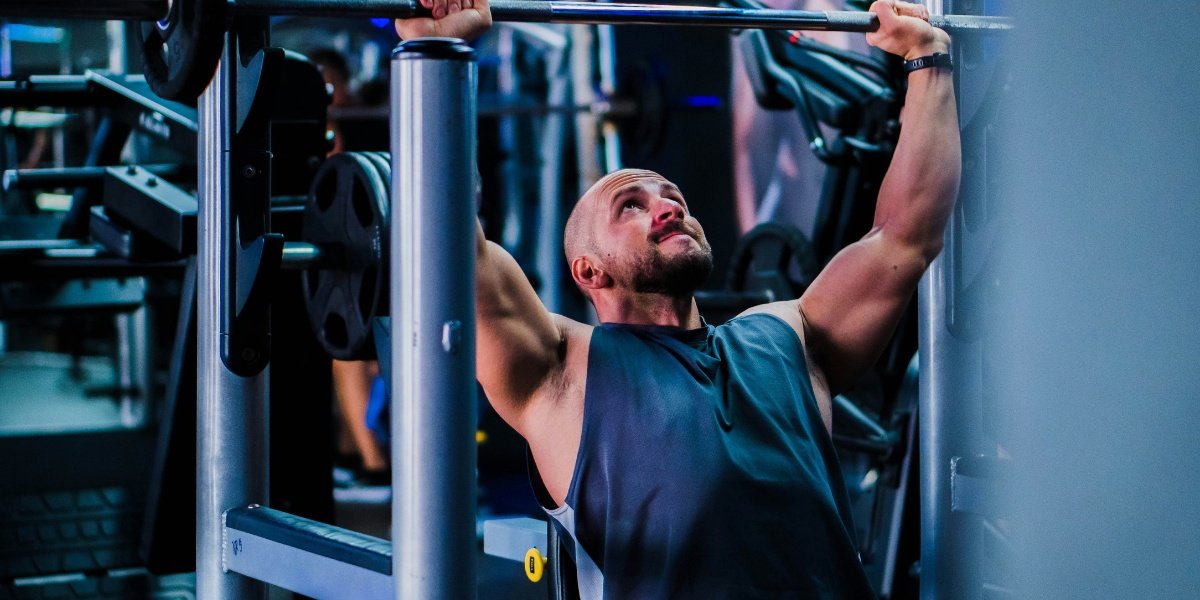
Photo Credit: Unsplash.com
Upper body training also improves body awareness. Exercises that require coordination, balance, or control help athletes tune into how their body moves. That awareness supports better technique, faster adjustments, and smarter recovery.
In cities known for athletic development, like Chicago’s standout sports culture, upper body training is often part of a broader system that includes movement education, recovery strategies, and sport-specific drills. It’s not just about lifting, it’s about learning how to move well and stay strong under pressure.
Why Every Athlete Benefits from Upper Body Work
Upper body training isn’t reserved for bodybuilders or powerlifters. It’s essential for athletes across all sports and skill levels. Whether sprinting, swimming, or skating, the upper body supports movement, absorbs force, and helps maintain control. Ignoring it or training it in a limited way can lead to missed opportunities and preventable injuries.
Athletes who feel stuck in their progress or frustrated by recurring shoulder issues often benefit from reassessing their upper body training. Adding variety, focusing on balance, and including mobility work can make a noticeable difference. It’s not about lifting more, it’s about moving better, staying healthy, and performing with confidence.
Upper body training wins because it supports the whole athlete. It builds strength, protects joints, improves coordination, and enhances performance. And it does all of that without needing to chase numbers on the bench press. For athletes who want to train smarter and feel stronger, the upper body deserves more attention, and more respect.